Parents' Rights Now!
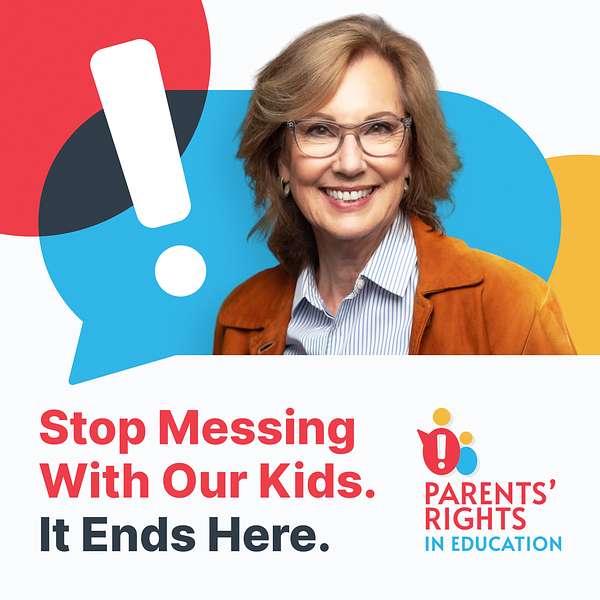
PARENTS’ RIGHTS IN EDUCATION
We represent millions of voices standing up for families, united for natural parents’ rights in the K-12 education system.
Local control, where school boards set policies honoring all students, and families must be restored.
We reject any indoctrination of school children with extreme pedagogy.
We support the proper role of K-12 academic education, focused on core skills, and preparing students for success. We reject controversial sexualization and racist doctrine.
We reject current practice by public school staff facilitating mental health counseling, medical treatment and procedures without parent knowledge, circumventing the relationship between parents and children.
We are here to provide parents tools, so they can stand against those stealing their rights. Stand with us!
Parents' Rights Now!
Should Local School Board Races be Partisan?
Use Left/Right to seek, Home/End to jump to start or end. Hold shift to jump forward or backward.
Tell us whatcha' think! Send a text to us, here! Thank you for sharing your thoughts on our podcast.
In this episode of The Parents' Rights in Education podcast, we dive into the contentious debate over whether local school board elections should be partisan. Traditionally, these races have been non-partisan, intended to keep the focus on educational issues rather than political ideology. However, the reality often paints a different picture, as candidates typically come with ideological leanings and party affiliations, which can be misleading to voters.
We explore how proponents of partisan elections, like Arizona Senator Justine Wadsack, argue that such transparency is necessary to give voters clear, honest information about where candidates stand on crucial educational policies. This could potentially lead to better-informed decisions that directly impact children's education.
On the other hand, critics worry that introducing explicit partisanship could heighten tensions and further politicize school boards, making these roles even more contentious and potentially deterring qualified candidates.
We also discuss the impact of low voter turnout in these elections and how clearer party affiliations might encourage greater voter engagement by making it easier for voters to understand candidates' platforms.
Join us as we unpack the complexities of this issue, looking at both sides of the argument, and consider what the future of school board elections might hold. Tune in to gain a deeper understanding of how this change could affect educational governance and what it means for parental rights in education.
If you need assistance with a situation in your area, please fill out our free consultation form.
DONATE TODAY!
www.ParentsRightsInEducation.com