The Rusted Garden Homestead: All About Growing, Cooking & Sharing Food

Ep-5 How do You Start a Market Garden & Sell Your Produce: The Rusted Garden Homestead: All About Growing, Cooking, & Sharing Food

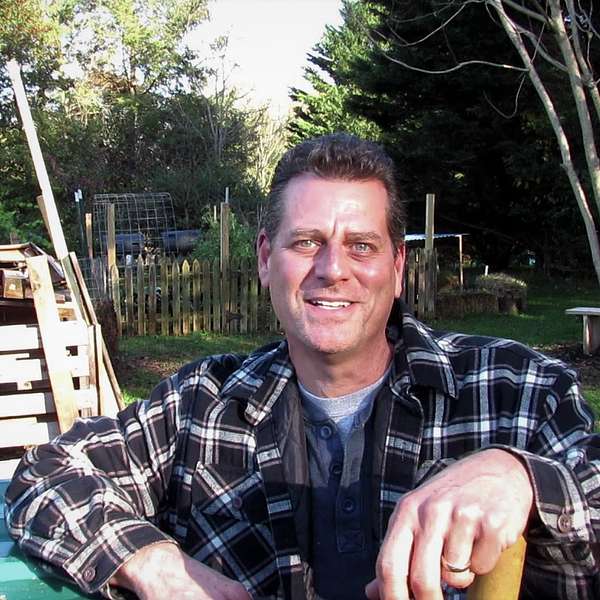
Gary Pilarchik, content creator for the Rusted Garden & Rusted Garden Homestead Season 1 Episode 5

Use Left/Right to seek, Home/End to jump to start or end. Hold shift to jump forward or backward.

0:00 | 48:01

The Rusted Garden Homestead  podcast is all about sharing my passion for growing, cooking, and sharing food with family and friends.  In this episode, I talk with my friend Erica Cody, a market gardener.  Today we provide an introduction to small scale farming or market gardening. How do you get started!

New episodes will be launched on the 2nd and 4th Wednesday of each month.

Thanks! How to support...
The Rusted Garden Homestead Podcast: https://www.buzzsprout.com/1846799/supporters/new

Host & Creator
More information about Gary Pilarchik...
The Rusted Garden Journal Blog: https://therustedgarden.blogspot.com/
The Rusted Garden Seed and Garden Shop: https://www.therustedgarden.com/
The Rusted Garden on Youtube: https://www.youtube.com/@THERUSTEDGARDEN
Follow Gary Pilarchik on Instagram: https://www.instagram.com/therustedgarden/
Follow Gary Pilarchik on Threads: Search The Rusted Garden on Threads

Guests & Cohosts
Connect with Erica Cody...
About market gardening support...
marketfarmher@proton.me

Interested in advertising or sponsoring a podcast?
Contact The Rusted Garden at therustedgarden@gmail.com

Support the show

Welcome to the Rustic Garden Homestead Podcast. My name is Gary Pilarczyk and I am the content creator for the Rustic Garden. This podcast is all about vegetable gardening, growing, tending, harvesting, cooking, and sharing it all with family and friends. 

I'll have guests, co -hosts, I'll do listener Q &A, and generally ramble on about growing food in any size, space, and place. Start small, learn, and expand when you are able. Today we're going to be talking about small -scale farming or market gardening. 

My guest is Erica Cody and she will be talking about her experience growing and selling crops. Welcome Erica, how are you today? 

I'm doing great, I'm excited to be here. 

I met Erika, a free town farm maybe two years ago, something like that. And now you're a board member with Community Ecology Institute, so I appreciate you doing that. I think the best place to get started is, what do you call this? 

It used to be small scale farming. Now the more, I guess the phrase is, market gardening, how would you describe it? 

So I still use the word the term market gardening or market farming. And really what that means to me is growing and selling directly to farmers markets, direct to consumer, having a really deep connection and relationship to those you're selling to. 

And you started how long ago? 

So I have been farming for almost nine years. So I got my start as an apprentice on a farm and worked my way up to running and starting my own farm operation. 

So the Market Garden, would you say it's something anybody can do? 

I think so. If you have the drive and the passion and interest in producing vegetables or fruits or herbs for your community, then I absolutely think that it's accessible to anyone. 

So let's get started with, I think, probably the biggest question people have, is how much space do they need? Because I know a lot of gardeners are passionate as you are, as I am. They want to grow, a lot of people are learning, but they're also thinking, you know, I want a different lifestyle. 

Like I want to make a living off of this, or how can I supplement my income? How much space do they need? 

Absolutely, yeah, that's a great question. And I always say to people to start small, smaller than you originally envisioned because what you wanna do is really maximize. And especially if you're new to farming, it's a space where you can kind of explore without becoming overwhelmed. 

A lot of people, they might wanna start it as a side job or a hobby. And I think it's really important to start in a space that is manageable and that you can really get good production from in a small scale. 

What would you, so like my, we were talking last night and I don't even know the size of my garden, but I think maybe it's, I don't know, 64 hundred square feet if I include everything. But what does that translate out to? 

Is that a tenth of an acre or a fraction of an acre? Like if we were gonna give them an idea, how much actually gardening room do you think they need? 

Yeah, so an acre is around 43 ,000 square feet. So I would honestly, you can start with a tenth of an acre or a few beds of production and just, you know, see where it takes you. You know, I would start with easier crops and, you know, get to know the land and slowly build from there. 

But a tenth of an acre is a great space to, you know, make a side income, you know, depending on how much time you have to put in, you could really produce a lot from a small space like that. 

One of the things I talk to people about is not to get paralyzed thinking they need to know everything. So I try and get people to hopefully watch my videos, learn a little bit, check some stuff out on the internet, but get started growing. 

Did you know everything when you got started or did you just roll into it and say, I'm going to do this? 

I did not know everything. And honestly, one thing that I love about farming and growing is that I feel like you can be a lifelong student. There's always new problems and challenges, and it's endless amounts of ways to learn to grow. 

So that's one thing I love about it. Honestly, I felt like I learned by doing. That's really what I started as an apprentice. And when I started my own business, I honestly, every day was something new. 

And some kind of new challenge or new pest or disease that I had to kind of figure out as you go. So yeah, I don't think you need to know everything, but having a basic foundation by watching videos like yours, reading books, finding mentors, talking to other farmers is a great start, and you can get started today. 

How friendly are farmers to help? 

I think they're some of the most generous people I've ever met. Farmers, from my experience, want to share their knowledge. There's so much passion behind people who are in this space that I think they want to carry it on. 

People that I've met and talked to that have been farming for 20 years, they're excited that young people or beginning farmers are getting into it. And I think more times than not, they want to help and support you through that. 

I think that's interesting with the sense that people have been gardening, I don't know, probably for a thousand years, but definitely for three, four hundred years, and everybody had to do it. And then it kind of didn't really go out of fashion, but the grocery store and Wonderbread all became this fad. 

And I think we slowly lost the skills to be able to grow food. And it is coming back. And younger people are wanting to get involved and change their diet. So it's very nice to hear. And I know farmers, if they're like gardeners, you might ask them a question that only needs to be answered in 30 seconds, but they might take 20 or 30 minutes and you're going to get the stories and the backgrounds and all kinds of stuff. 

So I think it really is a great group of people. So you don't need a ton of space. You can grow into the space that you want. You should have some sense of how to grow things, but you don't need to know everything. 

And I want to encourage people to start thinking about if they want to sell, how, you know, would they do it? People are going to wonder, what are the best things to grow? Because you can't grow everything and some stuff is really time consuming. 

And it may only weigh like an ounce. You grow it all. What do you suggest people think about for growing? 

So I think there's a lot of different avenues you could go when exploring that question. You could look at things that are a little less maintenance, depending, like let's say you work full time and you want to grow products that have less demand. 

So you could look at things like root vegetables. I love growing lettuce because it almost has no pest or disease issues. There's challenges when growing it during the summer and the hot months, but you could grow greens, things that are quick to mature. 

So beets and radishes, microgreens are kind of a fun way to start and it's, the challenge with microgreens is it would take a little bit of educating the consumer base because not everybody is familiar with them. 

So that could be a little bit challenging, but I would definitely recommend starting with crops that are quick to mature or don't require a ton of food. Like labor. 

labor into it. And quick to mature, you're thinking like 70 days or less versus crops that take 90 or 100 or you're thinking 45 days or maybe a mix of both of them or all of them. 

Yeah, I mean, when I say quick to mature, I'm thinking, you know, as little as 25 days, up to, you know, 50, 60, 70, if you're looking at like the greens, kale, chard, things like that. 

So we're really talking about spring, summer, fall, cool crops, warm crops, cool crops. And for people that don't know a 28 day, 35 day crop is usually like arugula, radishes. I know people love radishes. 

There's nothing like a cool weathergrown radish. It's not spicy, it's sweet, it's crisp, it's crunchy. And I would imagine people love seeing the colors for them. So you do wanna have a strategy with what you might plan in succession because you can keep doing radishes while maybe you're waiting for a crop that takes 50 or 60 days to mature. 

This way you always have something for market, I would suppose. 

Yes, that was a big piece of market farming because you're on a small space. You want to continuously be flipping beds, rotating crops. You always kind of want to have a crop growing in each bed. And you want to think about succession for sure. 

That's how you would ensure constant cash flow when you're either attending a market or if you're supporting a CSA, you want to make sure that you continuously have crops to harvest. So one thing I always do in the beginning of the season is just have a calendar and block out, OK, every two weeks I'm going to seed radishes. 

Every week I'm going to seed lettuce, depending on what crops I want to sell at the market. It's really important to have a solid plan and consistently be seeding on a schedule. 

So, and then I would, you know, and I love talking to you because I don't know anything about this. And this is something that I'd like to get into at some point. So, it is key then from, you know, just kind of repeating about what you said is you want to sit down before you start and say my growing season for instance is April, May, June and you want to write down what you're planning, when it's going into ground and you really do need more of a plan unlike what I do is I just kind of, you know, plant with what I feel like planting. 

But if you don't, then you end up with several weeks of nothing to sell. So, if you're doing this, you know, for a side income, that's one thing, but if you want to grow into something that you can kind of sustain yourself, you really have to make sure the produce is there. 

Absolutely, and making a plan, you know, it's you always have this perfect plan in the beginning of the year, and it doesn't always turn out exactly how you envision it, but being prepared enough to just know that you have, you know, constant seed supply. 

You're constantly seeding in the greenhouse or direct sowing to know that you have that consistent production, especially when you're looking at a CSA. You wanna make sure you have consistent production every week so that you can fulfill the share. 

The farmer's market is a little more forgiving because you can kinda show up with what you have, but one thing I found with, you know, market farming is people get to know your products and they want that product every week, and so it's important to look at it as a business, and, you know, having that product each week will, that person will continue to come back to you. 

Right. And one of the things I talk about is I think organic gardening is wonderful when it doesn't get crazy with all these stamps and certifications and stuff that we could talk about in another podcast. 

But I always say know who your gardener is or who are you, who your farmer is. So if you are at the market and so like before I go on with that. What would you describe a market as and a CSA as for people that don't know. 

Yeah, so a farmer's market is typically held once a week, different days, typically it's on the weekends. And it's usually a four or five hour market where artisans and farmers in the area come together and sell. 

It's typically outside with tents, people come to hang out, usually there's music or something, it's kind of a gathering spot. You get, more times than not, you'll get kind of people passing by, some people do their serious shopping there, but it's a little bit lighter of shoppers because they're coming to support all the vendors versus just you. 

A CSA is a great model because it's something, it's like a subscription program. So in the beginning of the season, before you get started and have to spend money on seeds and compost, you actually have the income come in, people pay for 20 week program or however long you wanna commit to, they pay up front, and then in return, each week during the growing season, they get a share. 

So it's kind of a risk share with the customer and the farmer, but it's also a way for the customer to really kind of have a more depth relationship, a deeper relationship with the grower themselves. 

And we'll talk more about the market and the CSA at the second part of the podcast. But that's the whole thing. I recommend people get to know your farmer, get to know who's selling the food, talk to them and learn. 

You don't need to look for a certified stamp on everybody's forehead. But ask them what they're using and what they're doing in their gardens and what kind of crops they have. I think it's the best way to know where your food comes from and trust the food that you're getting. 

Absolutely. 

Most profitable, that'll be the next thing. Somebody's gonna wanna make a million dollars. It's probably possible, but you probably need a lot. What are some of the most profitable crops? Or flip it over, what crops? 

Maybe you're specializing, yeah, it's great to grow, but maybe not so profitable. Maybe you wanna skim it. 

Yeah, so most profitable crops, I think for this scale, when we're talking market farming, are the quicker crops. The baby greens, the micro greens, the radishes, beets, carrots, things like that. Those are things that people like to buy every week as well. 

So it kind of builds this relationship with consistent customers. Things to skip. So I always looked at what takes up the most space. Again, because I was on a limited, I had three acres, but it was one acre of production. 

So I had to choose wisely and choose things that had a quicker date to maturity so that I could fill that bed with another crop. So things I would skip are things that consume a lot of space like melons, corn, things that have high pest and disease pressure. 

There are kind of row crops, things like winter squash. I love winter squash. That's one of my favorite vegetables or butternuts and acorn squash. But for my scale, it didn't work because it just took too long and the price wasn't high enough when I'm selling the squash. 

It goes for $2 or $3 a pound, whereas I could sell a box of greens for $5 or $6. And I could consistently have that throughout the year. 

One of the things, you know, and we kind of mold over questions and things to talk about last night was you told me that you, and this isn't really for the market, well, maybe it is for the market garden too, but just for gardeners in general, you've been able to grow lettuce deep into the summer heat. 

How did you do that? Because that's something I want to do and other people want to do. Because for people that don't know that they love the cool weather and soon as the roots get warm, the temperatures get warm, they get bitter, they bolt. 

What are the tricks that you use to really keep the crop growing through summer? 

So Ray Tyler from Rose Creek Farm is an expert on this topic and he has lots of master classes and YouTube videos and he honestly was the inspiration. His farm is in Tennessee and he has completely mastered how to grow lettuce year round in that climate which is even hotter and more intense in the summertime than it is here in Maryland. 

So he was kind of the my mentor in that space and so the technique really is I could go into lots of detail but basically you want to use a system with shade cloth on your lettuces and a timer system for sprinklers. 

So having little wobblers go off you know three times a day during the heat of the summer to cool the lettuce off and then using a row cover for the first couple weeks while it's getting established. 

But it's amazing what a little bit of technique and you know investment in a little bit of you supplies can do to then allow you to have crops that other farmers aren't growing. So what happened was you know I was known for lettuce year round and people would come to me in the summer and I had no competition because no one else was doing it. 

So it's a really great way to set yourself apart and grow a crop that other people aren't able to grow or don't want to invest the time in learning how to grow. 

Did you start out saying I'm going to do this with lettuce or did you kind of figure it out as you were doing your market garden? 

That was something I figured out. It's trial by error a lot of times. I had a lot of failed crops in the summer trying to do things that weren't possible, but when I stumbled upon what Ray Tyler was doing, it really changed the system for me. 

So it was something that again, lettuce and baby greens were big staple products at my farm. So that was something that I set out to master and that it could be different for you. If you are in a market and you find your niche is something different, I would suggest to people they go to their local farmers markets and do research and see what aren't people doing or what aren't they doing well. 

And then find that and go with that. That could be a really good way to develop your own niche within your marketplace. 

And I think that goes with what you said earlier. Start small because you don't know what you don't know. You have to kind of learn as you go, but don't start so big that it's overwhelming because after year one, you might be like, I'm never gonna grow this again. 

This is what I wanna grow. And then you sort of begin to specialize like you're describing. And it pays off with respect to, you're doing what you love to do, but you're also able to sell it at the market, which I think is a perfect combination. 

October, I just wanna go over with listeners what they can plant. We're in Maryland. We're in the cool weather, maybe, because this week was like 82 degrees. So it's not quite cool weather yet. But next week, the nights are gonna get into the 40s. 

And we're really out of growing warm crops. Like, so I recommend it. People have the warm crops now in October. Time to pull them out. They're just not gonna mature. So generally speaking, this is a great time to get garlic in the ground. 

If you wanna put in onion seeds or if you wanna grow some onion transplants, you can get them into the ground. You can grow them. You can get them established. You're really getting the garlic established, the onions established. 

So next year, when it warms up in spring, they're going to take off. The other crops that I like are radishes because they are short day crops like you were to, or short to harvest crops. 25 days to 30 days. 

With the warmth of the day, they still germinate so quickly, like in three days. You can get, I don't know, probably three or four more rounds of radishes put into the ground. Spinach, lettuces do pretty well. 

Pocchoi, bokchoi. Anything else you recommend that really can take these cold nights that are coming here in Maryland? 

Leeks is something, you know, alliums are great because they can overwinter and then come spring, you have these crops that are a little bit earlier and more mature. Carrots, I'm not sure if it might be a little too late for carrots, but I really enjoy the cold winter, like a winter carrot after it goes through a frost. 

It's so sweet. And that's something like if it doesn't completely mature in time to harvest, throw some row cover on it, you can come back to it in the spring and it'll be absolutely delicious and sweet. 

That's absolutely true for the carrots. And they tend, I find, they do better for me in my garden, summer, early fall, to late fall, early winter, because they germinate much more quickly. In the spring, things are kind of backwards. 

The ground is cold, things are slower to germinate. What we get benefit -wise now is things still want to germinate because the days are nice and warm. And I forgot about leeks. I would definitely throw that into the garlic, into the onions, because they will overwinter nicely, and then they're gonna start doing what they do in the spring and you'll have leeks. 

And leeks, onions, garlic, even if it's a fail, you still get all this great green growth that you can use in soups and other things. Let's go over three listener questions. The first one, will a low tunnel or wrapping my tomatoes help my warm crops? 

And that's a good question, and it can, depending, you know, what part of the season it is, but now that it's later fall, the 40 -degree temperatures are coming, it's not gonna do a whole lot. Like, the warm crops are really sensitive to frost and cold, and it might look nice, and you might have this great faith that it's going to help, but it's really time, especially in October, to start pulling out all the warm crops. 

They're just not gonna mature. Take your green tomatoes, make fried green tomatoes, or something like that. The low tunnels just aren't good enough at keeping the heat in at night to keep that soil temperature at 60 degrees, and really allow that tomato plant to thrive or your other crops. 

And it's very similar to the second question, which I'll give to you. Can I grow warm crops in my greenhouse? 

So no, once the season kind of dwindles down and the daylights shorter and it's not warm at night, you won't have good production enough to make it worth keeping your warm season crops going. 

You get beautiful green growth. Like my tomatoes right now and peppers, they look wonderful leaf -wise. And you can maintain that. But the warm crops really need, as you're saying, the warmth. And third question, what's the best way to keep my greenhouse warm? 

You have to use a heater. A lot of people have small greenhouses like I do. There is no way for a greenhouse to stay warm at night unless there's a heat source. You can do things like, you know, if you have a big greenhouse, you can put in a gallon, or what is it? 

Hopefully the cut worked here. I messed it up. You can put in a big oil drum filled with water. That will hold heat, but it's gonna keep the greenhouse above freezing. It's not gonna raise the temperatures up into the 60s or 70s, where a lot of the warm crops have to be to really grow and thrive. 

If not, you end up with, you know, a lot of leaf growth and not a lot of production. So you really, if you want heat, or you wanna grow something that needs heat, you're gonna have to get a heater. And the best heater, it could be a small heater with a thermostat, kicks on it 40 or 50 degrees, depending on what you're growing. 

But I don't want people to be disappointed that they get all this stuff started. The first freeze comes, kills everything in your greenhouse, and they're done. You absolutely do need a heater. You can find me on Instagram under the rusted garden. 

You can find me on YouTube under the rusted garden. I also have a seed and garden shop at therustedgarden .com. And I will put our information in the video description. And if people are interested in maybe getting some help with market gardening, how can they reach you? 

So you can reach me at my email, which is marketfarmherr .me. 

Okay, and I'll put that in the video description too. So part two, I wanted to give people, and I think we could talk about this for hours and probably do like six parts, going down to like a planting schedule and picking five crops and doing all that, which I think would be kind of fun. 

But so then second half, I wanna talk about ways to sell the produce. We talked about the market, the CSA, but if you could go into a little bit more about the actual selling and maybe the setup or the time required, I think that would be helpful for people too. 

I would recommend if you are a new grower, you're just getting your feet wet in farming and producing, I would say start with a farmer's market. The reason being is you don't have to bring the same crops every week, no one's depending on the same thing all the time. 

So it's a really great way to get out there, give it a try, meet people in the community, get really good feedback, all while you're able to kind of practice and learn your land and learn what is your specialty. 

So it's really just a great opportunity to give it a try and see how it goes. 

So it's less pressure. 

less pressure. 

and they can get started. And even if you can't make it that weekend or something because your crops didn't turn out, you can kind of manage. And you can network, you can learn everything that you're talking about. 

For the market, how would people find out how to get a space? Like what would you recommend to help them out to get started? 

So research your area, what farmers markets are in your area, and then start contacting market managers. Do a little bit of research and see what other farms are there. See if maybe there is a farmers market that doesn't have a lot of farms. 

Or find out which ones are well attended and try to get a space in there. Sometimes you have to start with a Wednesday market because it's less desirable than a weekend market. But it's just a great way to start building your brand, getting to know people. 

And that, you know, a lot of my CSA customers, you know, they came from market customers. So it's a great way to just kind of get started. 

Now, one of the things, we're in Maryland, every state I just want to be clear is that you need to check with your local government what you need, licensing -wise or whatever. Do you need anything in Maryland to sell vegetables? 

So there's no requirement for selling, but I would get insurance for liability in case there's ever any issue. It's just good to have insurance when you're selling a product in general, that people are consuming. 

And then there are different regulations with health and safety. So depending on, again, research, what your local county is requiring, because different counties require things, different things. So for example, if I wanted to give samples, I would need a license for that. 

So I can't cut up my produce and share it without having a license for that. So really understanding what is required. As far as harvesting raw produce, harvesting a squash or something like that, that's not considered a process product in my region, in my county. 

So it wasn't something that I needed to get any licensing for. 

So, and I think that's really important because find out county -wise, locally what you need to do. So I just wanna be clear. So if I grow a pepper, I pick the pepper. I put the pepper in a pack or whatever that is and I can sell the pepper that way. 

But if I take the pepper, I chop it up in front of somebody and I say, taste this, I would need some sort of, 

Yes. 

for that. 

In this in in in this county, yes, because basically any it's considered processing because you're using a knife and that is one more, you know, risk of contamination. So if that knife was dirty or, you know, whatever it is, someone's consuming this raw product, you could sell them a pepper and they could go and, you know, munch on it and eat it right at the market. 

But for you to cut it up and give it as a sample or sell it cut up, that requires a license to do. 

That's crazy, but you know, whatever. That's a whole other podcast. It's the world we live in today. So I could say here, have a bite of my pepper, taste it, and then I have to throw it away because I can't, or I give it to them, but we can't cut off a little piece and say try it. 

Correct. All right. Yep. So I think that's important is just get started at the market, you know, don't put too much pressure on yourself that everything has to be perfect. Just kind of enjoy the experience, because again, I want to stress, we don't know what we don't know, but you're doing something that you want to be fun, you want to learn, and nobody just really has to be perfect. 

And while you're there, you're going to meet wonderful people. I'm sure you can get tips and pointers. And I think I like what you said before, is when you're thinking about what you're growing, even if you don't have a lot that day, you can kind of look and watch and see what's selling or what people do have or what they don't have. 

And that can help kind of build your plan for, you know, the summer or the rest of the summer or for starting for next year. And then we have the CSA, that's another way to sell. 

Yes, so as I mentioned before, CSA is great because it gives you money upfront in the beginning of the season so that you can work with that to buy seeds and in a time when you don't have high cash flow because you're not selling any produce. 

It does require just a little bit more commitment just because you do have to deliver a share a week per customer, per family that you're serving. So it does provide just a little bit more pressure if you're having a week summer or you're having a week where you don't have a lot of production. 

But what I would recommend with that is partner with those local farms and build connections with other farmers in the area and add on, add the crops that you're not growing or if you have a week where you don't have enough produce for everyone, you can lean in to other farmers in the area, support them and promote them to your CSA customers as well but then also have a more full CSA. 

So it's just kind of an insurance policy if you decide to go that route. 

And then wholesale, we talked about a little bit too, which some of that is like maybe finding local chefs, but what is wholesale to you? 

local restaurants, local grocers, you know, there's organic markets or small small markets that might be in your area that would be a good place to to start. You know, you're gonna get less money per pound, you know, a wholesale rate, but it's again low pressure, it's less time commitment because you're selling maybe in bulk and it allows you to specialize in certain crops. 

So that can certainly be, you know, great avenue to go. It's just a different model and it's definitely worth considering. 

Now, one of the things I wanna do, this, you know, people could do it or not, but I wanna roll a cart to the front of my property and just say tips and just people can take what they want. If they can't leave a tip, that's fine. 

If they can, they'll leave some money. But I really want to just enjoy sharing, growing food and kinda put it out there. So I imagine people too, if you have excess and you have the property, you could do something like that too, you know? 

Definitely, I had an honor system tomato stand because I just had so much production and I was harvesting every day and I was only going to markets on the weekends. So I wanted a place to kind of an outlet that was low hanging fruit. 

It was passive income because all I would do is put the tomatoes on a table and have a little jar for donations or for honor system. And it worked really well. It was super easy and definitely recommend and trying that. 

I do I don't want to say gardeners are the best people in the world But I do find they're kind of up there with respect and trust and honesty and just good people You know having a good time So I think the honor system would work for some people because I know a lot of people as I'm interacting with people on YouTube And they're my perk memberships they do that They have just sort of a little stand and do different things and they have a tip jar or whatever It's a fun way for them to interact with their community and they get to get known too It's like hey, we can pick this up at so -and -so's house or you know They have peaches that are coming in and I know they put them out and you know and some people give them away for free But anytime that you can share your produce. 

I think with the neighborhood. I think that's a wonderful thing and part of the reason I Want to think about maybe doing this myself is I? Grow so much food It's a teaching channel and it just sometimes sits on the ground So I want to do something with it. 

I want to move it out So maybe we can do something together with this, you know down the line and last thing I know I'm talking long but thing I was thinking about it's October So everything you're talking about with the market the CSA and wholesale doing research now It's a great time for people to really look into where they could sell their stuff They could be thinking about maybe the crop plan or what they want to grow So, you know, we're rolling into winter soon. 

This is a great time for people to really plan out Maybe how they would would get started doing this 

Yes, definitely. And I would recommend, you know, looking at books and YouTube videos and, you know, learning as much as you can in this off season and really just dreaming. I love the winter. I love getting a new seed catalog because it's so much fun to just flip through what kind of new crops and what kind of, what are other farmers growing. 

Just do your research, sit down with a hot cup of tea and have fun crop planting for the year. 

I don't know any gardener that doesn't look forward to seeing a catalog in the mail. And I still get, I mean, like probably like 15 years ago, I went online and found every free catalog you could get. 

And I still get them and it's stacks, it's volume, but you're right, you just flip through them and you buy seeds you don't need and you buy more seeds you don't need and it's just a good time. 

Absolutely. 

So this question is a big question. So I answered how you wish. A day in a life of a market gardener. Try and give people an idea maybe of what a day is, what you're doing or even a week and throw harvesting in there. 

Like at this point I want people to kind of know what they're getting into. 

So you can't be afraid of hard work because being a market farmer, especially during the growing season is a lot of work, depending on your scale. I was doing it to make a living, so I was full time. 

And you're working with the sun, you're working when the sun rises, it can be late nights. But it is, I mean, the most rewarding thing is being out and working with the soil and the ecosystem and building community. 

It's such a beautiful process of getting to know your neighbors and growing this really wholesome, nutritious product to share with people. So a day in a life, I mean, waking up and doing a farm walk, I would walk my farm every single day and just make sure, see what's going on. 

Being really observant. They say the best pest and disease management is a farmer's footprint because you're out there, you're walking around and you're noticing what's coming up, you catch things early that way. 

So doing the farm walk and deciding what are my priorities and prioritizing every day, what do I need to take care of? I was on my, I guess, regimen with seeding. I would seed on Wednesdays, I think. 

It was once a week seeding in the greenhouse, once a week seeding in the field. Harvest was always Mondays, I think, for CSA on Tuesday and then Fridays for the weekend markets. So really, you need to build some consistency into it, but also being really flexible because Mother Nature isn't strict with her timing. 

Like things are ready before you planned or a crop doesn't work out and you have to rip it out and do something different. So maintaining that flexibility and being able to kind of roll with the punches is really important and accepting failure because you're gonna lose crops, but then you also have wild successes with crops. 

So it's this really beautiful balance of hardship but also celebration and it's an exciting place to be. And I think it's a really great avenue to explore. 

Well, the passion shows on your face when you talk about it. So hopefully you get back to it. I know you do stuff managing. So actually let's talk about that. What are you doing now for your job? Because it's really interesting too. 

So I have a great job. It's with the library system actually has a garden, an educational garden. So I am in charge of designing program and curriculum for all ages and really kind of showcasing what I have learned to the public. 

Cause I think, you know, as we talked about last night, it's so important for people to learn how to grow food. And I think with changing times and, you know, maybe, you know, economy that's always changing, like it's really important to kind of have in your back pocket the skills set to know how to grow, you know, at least a little bit of your own food to kind of offset costs. 

And also boost nutrition. You know, you're never going to get anything in the grocery store that's going to be as, you know, nutritious as something you just picked. And it's not going to taste as good. 

No, right, and there's so much truth to you pull it out of the ground, you wash it, and there's a sweetness there that you just don't find. Even if it was shipped in fresh picked two days ago, the sugars changed to starches. 

So it is a wonderful experience. And you do have a garden grown there. I don't want people to miss that. So you are managing an actual growing space. 

Absolutely, yeah. So I manage a garden. We have raised beds with vegetable production that all the food we grow is donated. We also have, you know, native perennials and fruits. Really just a great way to kind of find peace, you know, we definitely want to promote people coming and enjoying the space, but also learning is the big aspect of that. 

So hard work has to be underlined a couple of times because if it's raining, you still have to go out there. If it's cold or it's not a nice day, you still have to go over there. I do like the idea though, even if you have failures, you are gonna have success. 

So you always will have something to sell. But you're gonna get better and better and you're kinda just, you know, focus it or hone it down so that you have much more successes than you do crop failures and stuff like that. 

Equipment, are there basic equipment or things that are needed that you would recommend people think about? I know we were talking about, why is it gonna haunt me now? Was it Honda? We were talking about how to get rid of all the wasted energy in like a production line or to just make sure you're not wasting your time. 

So everything should have a purpose. 

Absolutely. So I recommend Ben Hartman's book, The Lean Farm. He's great. He looks at the Toyota factory model. Toyota, that's it. And he studies how they are so efficient with their time. And that's one thing like you never have enough of when you're farming or just in general, it's managing your time effectively. 

So one thing he looked at or he talked about in the book is what, what, you know, techniques or what things, what tasks are you doing that are making you money and what tasks are you doing that you're losing money on? 

So for example, if I'm harvesting that directly equates to something I'm going to sell, which means I'm making money and that's efficient and that's good. If I'm wasting time on things like weeding, you know, that's costing me money because I'm not making money directly from weeding. 

So how can you implement things that will help reduce the things that aren't making you money? So for example, tarping, you know, solarization, we could get into a whole podcast on weeding if we wanted to and like techniques to like minimize weeds to promote and, um, you know, increase production. 

So look at ways and techniques, um, to solve those problems. Look at bottlenecks, you know, are there inefficiencies in the way that you're washing or packing or harvesting? You know, you investing in a tool is really important and you can always look at, okay, how much time is this tool going to save me and directly, you know, equate how much time that's going to make you by investing in that tool. 

So it's a really good, you know, you have to invest money to make money. And I think it's really important to constantly be looking at tools and techniques that can reduce the amount of waste that you have on your farm in time and energy. 

And I think the key from talking with you is you've got the space to grow. How can you keep? Not 24 seven, but how can you keep growing 24 seven? So that space is always being utilized and turned over so that all your energy is really going into creating a product to harvest and sell. 

So that kind of goes back to the succession planting. Just always like immediately when I am ripping out a crop that's done, I wanna seed that day if possible or the next couple of days. That way you're immediately have something started and you're also you're not letting your beds go to weed so you're not having to deal with like a weedy mess when you go to plant it next time. 

So it's like constantly having seedlings or seed to just directly sow and consistently filling those beds because that's money that you're gonna be making at the farmer's market or that you're gonna be products you're gonna be putting into your CSA. 

How did you keep the beds full of nutrition? Like what did you do to keep your beds giving to your plants? 

So that is a big thing to think about when you're in this kind of production system. This level of intensity, you're taking out a lot of nutrients by growing a lot of crops in the bed. So you definitely wanna do your soil tests one or two times a year, kinda look at what you're lacking and make sure you supplement with different amendments, compost, always compost. 

Every year I would put on an inch of compost if I could. If I could afford it or if I had it, I would put it on every bed, making sure that you're replenishing all the nutrients you're taking off from the bed. 

And I would say, work with someone who is a soil scientist. I work with some of these companies that sell amendments and they have staff members or knowledgeable people that can look at your soil tests and tell you exactly what to get. 

I'm not a soil scientist. I don't claim to be, I can tell if my plants are healthy and that all goes down to the soil. Like soil health is wealth. Like that is what you need to invest your money into to build a really healthy crop that's gonna be disease free, minimize pests and really have the most nutritious qualities to it. 

When people ask me about a soil test, like for a home garden, which is different, I usually say if you're going to a space and you've got grass and weeds and everything growing, you really don't need a soil test. 

But if you're good to do it, do it before you set up the garden. So you know what the soil is lacking and you have something to start with. Once we put in our beds in our home garden, we're always throwing in different things. 

So sometimes the beds lack or have more of different things. When you're doing the market garden or the small -scale farming, because you're sucking out so much of the nutrition, are you taking care of the beds all in the same way? 

Unlike a home garden where I might be doing a little this or a little that, is it kind of one treatment for how you take care of the beds? 

That's a great question. You can drive yourself crazy going crop by crop, trying to really perfect each bed. So because I was growing 50 plus varieties, like I wouldn't be that specific. I would maybe look at plant families, or heavy feeders, for example, like tomatoes. 

They're heavy feeders, they need more nutrients than greens and other crops. They might need more water or very, like certain crops I'd be a little bit more specific with. But generally speaking, I would treat my beds pretty much the same with fertility, just because I just didn't have the energy or time to really hone in. 

If you're growing one crop or two crops, really know what that crop means. Like study it, understand it, and that's how you're gonna get the best production, the best nutrient content, all of that. So depending on how broad or specific you are, I would say you could have a general fertility plan. 

It doesn't have to be very crop specific. 

I think that's important because I don't want people to kind of go crazy with worrying about everything And I think that's a good point too With respect to like tomatoes or heavy feeders radishes sometimes like less nitrogen or they don't need a whole lot Did you rotate crops? 

Yes, I did. It wasn't a super strict plan just because it was the constant moving thing that, you know, if a bed was ready sooner than I thought, then I would just plug something else in without abiding by this really strict plan. 

But generally speaking, you know, I would look at the heavy feeders and light feeders. I wouldn't do like tomatoes on top of tomatoes if I could help or, you know, kale on top of kale. But when you're on a small scale, it's not super vital that you're really strict about rotating because if you have a pest problem, you know, a hundred feet away on another bed, it's gonna come to that bed no matter what if you rotate it. 

So it doesn't, it makes sense on larger scale farms for sure. But for smaller scale, I would just look at like how much are these plants requiring heavy nutrients? And if they are, when you rip them out, maybe follow that with something lighter like arugula or something that doesn't need a lot of nutrients. 

And then plug in legumes. Legumes are nitrogen fixers. They're really good for the soil. You can follow legumes with a tomato or something like that. It's kind of basic. 

you 

crop rotation, but again, don't drive yourself crazy if you're on a small scale. You know, I think just having good fertility, adding compost, you know, testing your soil and you know, continuously adding amendments will do you good. 

I think I'm glad you said that because people ask me to do you rotate your crops and I said the exact same thing You just said that in a smaller space The insects have been around for millions of years They know how to get over even a hundred yards just about to get to where they're going But they're definitely gonna go 50 feet or a hundred feet and compost is really king or queen So if you can source that yourself if you can make it that's always wonderful I do say if you're gonna purchase it somewhere Know the company know what it's in there and just get something legitimate, but compost does go really a long way I think we covered a lot for this podcast any words of advice for people just getting started or anything You might want to just kind of pass on to them to think about you know starting their adventure 

I would say find a mentor, you know, or find a farm to work on or volunteer on, you know, once a week or whatever you can afford to do. You know, we learn best from our predecessors and I think it's really important to, you know, find someone that you trust who will invest in you and your success. 

And I think, again, if you're able to visit a few farms, see what you like, learn from other people's mistakes, I think that's kind of, it'll set you ahead of schedule for your own production. 

I think that's wonderful advice. I had a great time. I want to have you back because I think I have a million more questions that I could ask you. And hopefully people do take some of your advice, I'll get started. 

And if you want to reach me at theRustedGarden at gmail .com, you can certainly send me questions with respect to the Market Garden. Next week or next podcast, we're going to be talking about garlic, planting onions and things that you can just get in the ground now, you're going to have them for the spring. 

Thanks so much for listening and good luck in your gardens. Erica had a wonderful time. I hope you enjoyed yourself. Thanks for having me. You're very welcome. And I will talk with all of you next time. 

Thanks for listening.