The Rusted Garden Homestead: All About Growing, Cooking & Sharing Food
Ep-8 Prepping Your Earth and Container Gardens in the Spring: The Rusted Garden Homestead: All About Growing, Cooking, & Sharing Food
Use Left/Right to seek, Home/End to jump to start or end. Hold shift to jump forward or backward.
Today we talk about getting your earth beds and containers ready for growing early spring.
The Rusted Garden Homestead podcast is all about sharing my passion for growing, cooking, and sharing food with family and friends. In this episode, I talk with my friend Erica Cody, a market gardener. Today we provide an introduction to small scale farming or market gardening. How do you get started!
New episodes will be launched on the 2nd and 4th Wednesday of each month.
Thanks! How to support...
The Rusted Garden Homestead Podcast: https://www.buzzsprout.com/1846799/supporters/new
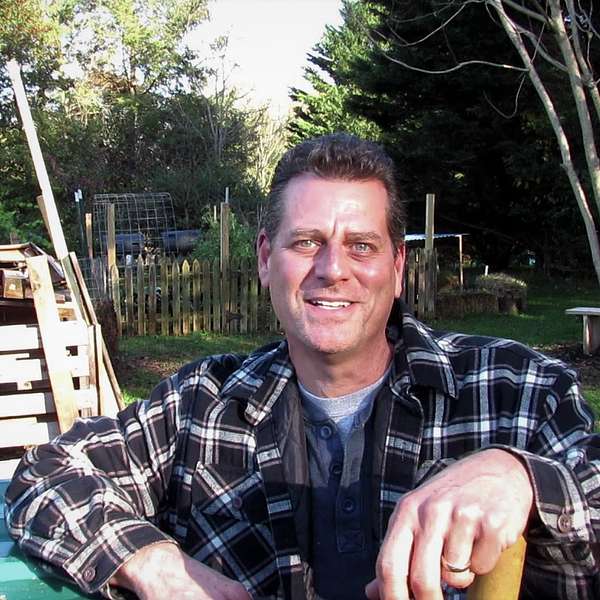
Host & Creator
More information about Gary Pilarchik...
The Rusted Garden Journal Blog: https://therustedgarden.blogspot.com/
The Rusted Garden Seed and Garden Shop: https://www.therustedgarden.com/
The Rusted Garden on Youtube: https://www.youtube.com/@THERUSTEDGARDEN
Follow Gary Pilarchik on Instagram: https://www.instagram.com/therustedgarden/
Follow Gary Pilarchik on Threads: Search The Rusted Garden on Threads
Guests & Cohosts
More information about Erica Jones...
Connect with Erica! at https://www.edesiagurl.com/
Follow Erica on Instagram: https://www.instagram.com/edesiagurl/
Interested in advertising or sponsoring a podcast?
Contact The Rusted Garden at therustedgarden@gmail.com
Yes, and I know like we generally talk about food here, but flowers also this would be the time to start sowing seeds for any flowers that need a long period of growth like your lavender that definitely although lavenders considered an herb you need to start that early so that you've got enough time for them to come up to a mature enough level to transplant them out when it's warm enough.
Yeah and these are I mean and these plants that can seed or start indoors February or March it depends you know where your zone is. Other crops that I'm actually putting out as seed into my garden, it's later February.
It's going to be endive, turnips, peas, carrots, lettuce, spinach, kale, kohlrabi, mustard greens, Chinese cabbage, the same things that, how do I want to say it? It really depends on your zone. Some of these you're gonna want start indoors because you have a short growing season.
Some these, you can just go ahead put the seeds out and you can also start them as transplants. I don't want get people too confused but But you have a lot of options and one of the things people worry about is they think they have to start everything indoors with respect to the cool weather crops and you don't have to.
You can go and seed them directly in a garden, you can lay a sheet of plastic over them that will help warm up the soil. So there's a lots you could do direct in the garden where you really don�t have to really start stuff indoors.
A lot the crops that you've mentioned they can handle being in that cooler soil, they prefer it and it really does boil down to all right if you're saying you want to grow some peas get online go to GPs channel and learn how to grow peas understand what peas want and then create that condition if your conditions outside of already 50 degrees and your soils workable put your peas in they're right they can take it they ready generally knowing them yeah and
generally speaking if the the nights are staying in the 40s and you get that dip to the frost the seeds can go out and then if your days are certainly getting into the 50s that's warm enough to get these growing.
There might be like if you started peas indoors they're gonna germinate in like five days. If you start peas outside they may take two to three weeks just because the soil is colder but I always found that when you direct seed I think the root systems just establish really well and I find those plants sometimes are better and stronger than even the transplants even if I do a good job with them.
Yeah I Definitely. I agree. It's the plant knows or the seed will say knows what to do as long as the conditions are right So if we get out of the way
Let nature do its thing.
Yeah,
and then for transplants because seasons are short I always grow broccoli cauliflower brussel sprouts sometimes cabbages as Seed starts indoors just because they can take a long time to mature and it's not the frost Like, I'm not worried about the cold, but here in Maryland, the heat rolls in too quickly, so my broccoli and cauliflower won't form a nice head for harvesting if I do seeds, because it takes longer, again, like we're saying, for them to germinate, and the plants do well, then all of a sudden that warm weather rolls, in your cool weather crops are going to want to bolt and flower and things change up.
So we have a kind of tight, cool period to get a lot of these plants growing. So direct seed get them started
Yeah, I think the like the broccoli the cauliflower the cabbage unless I've got a transplant That is of an early variety and early maturing variety I'm just waiting till the fall because it is Maryland here It's just you never know with the spring how fast that warm weather is going to hit and you can feel very defeated Starting your baby from seed and get it out there and then it bolts because I got warm
Right, the worm really makes a difference and what happens is the sun's just beating down on that top two, four inches of the soil. The soil goes from being 40, 50 degrees, maybe 60 degrees to getting into being like 70, 80 degrees.
And as soon as those cool crops get warm feet, basically, they want to flower and bolt and things change up. So for basic garden prep, I don't, you know, it's not rocket science. So first thing is is kind of you know do a check did you put down compost or manures or mulch or anything really in the fall and if you did to be honest your garden probably has enough nutrients in there you don't have to over worry it sometimes we get into this groove where we think we have to keep feeding feeding, feeding fertilize, fertilized, fertilizer and just jack the soil up with everything.
You don' t have too if your pretty consistent. Would you agree with that?
I definitely agree. I was out there this morning, and I mean, I will admit, I'm a bit lazy during fall cleanup time, so I have a lot more to do now as the temperatures warm up. And I always say, gosh, why didn't you do this in the fall?
But right now, I've been looking at my blueberry bushes, your woodies. Are there crops that need to be pruned soon? Looking at, all right, what am I gonna prune next month when it's safe enough to prune.
I fed them some fertilizer, I put down some fresh compost and some leaves and just it just sort of cleaning up and making sure that your soil is not exposed. Over the fall you know sometimes if the leaves aren't broken down enough they'll blow away as the weather roll in and can kind of blow off your leaves.
And I use leaves as mulch so I just re -amend with more leaves just kind of keep things covered waiting to start transplanting and seeding.
Are your blueberries in the ground or are they in containers?
They are in -the -ground. They started in containers when I was living in a townhome and only had my deck to grow. You should have seen it. It was a jungle out there. But I had them in big, I think they were like 10 -gallon containers.
And when i moved to my next home, i had more land space. So they are in the ground and definitely doing better because they have so much more room for their roots to expand. So I'm pretty satisfied with how they're coming along.
And we'll talk about prepping your earth beds for the first half of today's cast and then we will talk containers for the second part. I was saying earlier like I am always tempted sometimes to get plants out too early.
What we talked about with seeding and transplanting were all the cool weather crops for people that aren't familiar with them again as we were saying they can take a frost they like the cold but you want to be very careful you're not rushing out any of your warm weather crops right now because they are frost sensitive so slow and steady some of the things that I like to do just for prepping and I have to say because I don't do it every year I was able to clean up my garden pretty well last November December so going out there now It's some weeding and some minor, you know, repairs of trellises and stuff like that, moving debris.
But, don't beat yourself up for one, going down that road a little bit of saying, why didn't you do more? You're a busy person. But also, if you did something good, give yourself a bit credit, it goes both ways.
Basically right now, clear out old plants, weed, repair trelises, move things around, You know kind of get the garden into the shape that you want Maybe turn your compost pile if you have it just general cleanup is really important I'd like to get to growing areas like ready now so that come the right temperatures I'm able to plant so I don't have to I can kind just go out after things are cleaned up maybe for You the end of February beginning of March and I just kind walk around and do little things and then soon as the temperatures are getting you know best for those cool weather crops I'm ready to go I got my transplants going in I've got seeds going you in and it's a good time I mean
it is just around the corner just it comes fast we think oh gosh I'll miss my garden during the winter time and here we are it time and its nice to just go out and really just spend some time in your garden evaluating hmm you what worked or didn't work for me last season that I want to try differently.
This is the time to really take those notes and make a plan so that you're not overwhelmed when the warm, you know, weather hits and it's like, oh my gosh, I gotta do all these things. Take your time and build into it as the season grows.
Yeah, right. I think, me, not as good advice. And same thing, my garden is pretty large but you can always feel overwhelmed by looking at the big picture. You know just look at your garden like snapshots and And then just kind of work on one snapshot that day or that weekend or that week.
Then you go to another snapshot. And before you know it, spring is fully here. Your beds are in shape and you're ready to go. Basic prep for earth beds. And earth bed I count as anything that's attached to the earth.
Or easier way to say it not containers. Might be metal raised beds, might be wooden framed beds but anything where the plant like your blueberry plants can grow down into the Earth, get deeper into the air, get that extra nutrient, extra water.
I call those earth beds. So if you didn't, let's just say you did not do any prep last year. You are walking out into your garden now. Some of the things you can do, and it's always, I know you would agree, but I think you also agree with both parts, it is always about compost.
It always builds the soil, its the best stuff. But not everybody has room for it and they can't get a lot of it. So we are going to talk about a couple of ways to get the beds in shape. but if you can if it's just putting down leaves like you were doing or putting down grass clippings you want to keep a consistent supply of mulches and compost going to your bed so that over the years you just create beautiful soil
we call that organic matter yeah just and that again it could be basically anything that had life at some point but it will be your leaves your your broken down twigs, your grass clippings, some of the earth, you can kind of turn that up a little bit to fluff it in with the leaves.
It builds it slowly and that's what I want to stress to people. A lot of times, especially new gardeners come in and they think they have to spend a fortune on like bagged composts, bagmanoids, which by the way, that for another podcast, but they're not really quality stuff in those bags, they know what you're buying.
but you don't have to spend a fortune. Plants want to grow, as we were saying, you just got to give them basically good conditions. Nature takes over, they grow they give back to you. But any time that you can throw something on top of your soil, like half an inch or an -inch of grass clippings, just keep doing that through the year and that will pay dividends going forward.
So let's say you do have compost, you know, right now is a great time to put down one or two inches across your entire bed your whole growing space and compost you can kind of just leave there let the rain wash it in if you want take your hand and just scrape it into the top inch or so or something like that.
If you don't have compost any organic granular fertilizer that's the dry fertilizers they all are pretty much the same you just want to make sure that nitrogen phosphorus and potassium the main nutrients your plants want are represented because you You can buy something like bone meal that may not have any nitrogen.
So you're looking for an organic granular where the numbers of N, P, and K are like, I don't know, 4 ,4, four, up or down a couple numbers. That means you might see a 5 ,3, 3, or a 6 ,1 ,2, three. Don't over worry about that.
What I always recommend to people is when you buy a new organic grannular, read the ingredients because they're all basically the same, like fish meal, poultry meal. bone meal, blood meal. When you really compare the ingredients, again, it's pretty much the same.
The problem is, is like one bag of fertilizer that's five pounds, a five pound bag a fertilizer, might be seventeen dollars. Another bag of fertilizers that is five dollars may be twelve dollars, so what I recommend is check out the ingredient.
I don't really recommend paying more than two dollars per pound of the organic granular, don't get fooled by the fancy packaging and labeling and stuff like that. If you can, try and buy the 20 pound bags, for example of Espoma, where maybe a 20 -pound bag is like $22, so you're almost paying a dollar a pound.
It goes a long way. Anyway, you've got your organic grannular. You're not paying ridiculous price for it. You can just lightly scatter that across your soil, rake it in a little bit, and you are getting your beds prepped.
If you're gonna be putting seeds in like we were talking about earlier, I like to scatter the organic granular down and just wait a couple of weeks for some rains and stuff to soften it up, let the microbes start breaking it down.
But that's a good way just to kind of get started. Compost, organic, granula, if you really want to, you could put both down, you not gonna hurt your garden that way. but that just gets the surface ready.
I get to that we'll talk more about it but a couple other tips is when you go to purchase your granule or once you've purchased your granula don't throw the whole bag down. It's like a handful or if we're looking at a square foot of space a couple tablespoons at most.
It is a light sprinkle it is not taking that whole bag like you're you know dumping the hole thing into the soil that would be way too So don't do that.
Yeah, and it can be confusing like when you read the back It's like, you know X amount either in cups per square foot or per hundred square feet and if you just you grab a handful or hands are different sizes, but grab the handful and really Just scatter it.
It just should be a scattering, You know several inches between the particles You're getting the the nutrients in there and we'll talk a little bit about it too here is prepping the planting hole which is another way to save resources like if you're putting in your tomato transplant you dig a hole put in a tablespoon of the organic granular a couple handfuls of compost mix it through and then you put it in you transplant so you don't have to and that's part of what I want to come from my channel and from the podcast is that you don' t have spend a ton of money and go for perfection the plants just need a little bit.
On that same breath, for people that don't know, compost itself is well below a 1 -1- 1 N, P, and K. So it's just low amounts, slow and steady. Your plants take what they need and they'll grow and do perfectly fine.
And if you don�t know where to find compost, oftentimes you can, your local municipality has a composting program of some sort and you can often get it super cheap like a gallon of it for a couple dollars so check into that too because that could be a good source to find some.
Well I agree and that's a big tip now I wouldn't I'm just gonna add a correction because a gallons not a lot it's usually like ups a cubic foot which is a lot more than a gala but it is really really inexpensive and if you have your own truck sometimes you can bring that they can fill it up you can get it in all kinds of different ways and the beauty about buying it that way from your you know local municipality is they actually make sure that it's composted down a hundred percent which means it is fully broken down when you use it it not going to challenge your plants for nitrogen it is just really good stuff and most counties have it somewhere if you can find it.
It makes a big, big difference. So the, I mean, a general prep, you know, for the earth beds is I'm really just clearing them out, putting down some compost, some organic granular. As you were saying, if you've got leaves, maybe they're not fully broken down, put them back over the surface because what's gonna happen is worms are gonna come up.
Worms are coming out now because it's warming up into the 50s at times. They're gonna, you, know eat the leaves a little bit. You're going to leave behind casting so So you can start getting your beds prepped too by just covering them up with some leaf mulch or whatever you have.
It doesn't have to be pretty. It's not a beauty contest. Doesn't to have be fancy. Just get that organic matter, maybe some of that, organic granular to the plant. You've said before that Organic Granular Fertilizer is more like a vitamin versus compost.
Can you talk a little bit about what you mean by that?
Yeah, I mean, when I do, when go to prep my beds, I put down some fresh compost and I add in a little bit of granular, because I see it as like compost is that slow release over time through the season that's gonna feed and the organic granula is like a boost or like little probiotic, if you will, just to kind of help comprehensively well round the nutrients that are going into the soil.
I could totally just be like in my mind, but I do a lot of my gardening through my intuition and how I just feel things should be happening or how i should do things and that just feels right to me.
Yeah I would agree with you. In a vitamin it's sort of like you know nowadays you see like the gummy with beet juice or something in there or you see the capsule of dried vegetables in their it's usually kind of the essence stuff that the body needs but you're not getting you know all the bulk of actually eating the beets or eating a carrot same thing with the garden as you throw down the organic granular it is organic the microbes break it down your plants get the nutrients but they're getting all of that organic matter that is really needed for the soil life and the microbe and worms and stuff like that so it's kind of like extracting the best stuff gives your plants that boost like you're saying but when it is gone that organic granular didn't really add to the conditioning of your soil and that's why the compost is so important or the organic matter being put down you know really as often as you can.
You were talking about the worms and I'd like to paint the picture of if you go into the forest right now Now you're gonna see leaves all on the ground because they fell from the branches above. Nature already composts through the season, and we're just following that same concept.
The leaves fall, the worms come up, they eat it down, I mean you see it, it just compost itself. You never see a forest floor that's 15 feet high. It happens on its own. Right,
yep, slow and steady and it's beautiful stuff. Now I like to have a section where I call FYI for your information and garden tips. Now's a great time, February here in Maryland and some other places it'll be March, but as soon as it starts getting warm like this and part of what I'm recommending on cleaning up is like any kind of debris like boards where snails and slugs can hide, containers, clean those up, throw away your plant debris that's laying around, kind of open up the space, but now is a great time to use snail and slug baits.
And you can get organic slugbaits, they either have iron phosphate in them or sulfur in them. Scatter them broadly, don't pile them up but just follow the instructions, scatter them broadly across your garden, you know, any cracks and crevices that you see.
The snails and slugs will eat that now because they're coming out looking for food, you will greatly reduce the population and then when your seedlings are coming up or or your transplants are going in, you're gonna have a whole lot less damage.
Like probably, I mean the biggest tip for the first thing that I do like late winter, early spring is, aside from cleaning up, is getting that snail and slug bait down.
It's really effective. Great advice, it works very well. Most of our spring crops, the slugs love. And if anyone has berries out in that world, oh goodness, and your berries are in the ground, Oh peace be with us because those logs are gonna come up and eat so make sure you get that product down And also to feed your berries.
This is a great time to throw some compost or some granular down They're gonna be waking up soon and being able to Take advantage of those nutrients right away will really make a difference in your berry production
And then berries for you strawberries blueberries blackberries raspberries
I love them all.
Yeah, I mean it is a good time and then same thing on that note We're not going to really talk too much about water -soluble fertilizer today if organic granular is like a vitamin the water soluble Fertilizers like it's super vitamin Gatorade it gives it Yeah It gives everything a boost right away But a lot of people are gonna see their garlic coming up now and just as a side It may look a little bit beat up, but it starting to come through nice and strong now a great time to give it a shot of water -soluble fertilizer.
Just a quick pour and that's all I really do for my garlic because you prep the beds the year before, you got stuff in there, quick drink of a water soluble, which means the nitrogen, phosphorus, and potassium are immediately available to the plant.
So it's good to suck those vitamins in or those elements in and it is going to take off and you can just kind of let your garlic go from there. it's that now we also yeah I mean and I was actually out you know practicing what we're talking about today and II seriously think I probably did I don't know a hundred to two hundred cloves of hard -necked garlic I think they all came up I'm mean there's no gaps it like these perfect little pattern it really kind of exciting and again this is kind how like I get my winter blues shaken off and just wandering around and say man that garlic looks great and nobody's around but me.
Just go visit the garlic. See how it's going. Alright so let's get to the listener questions and we covered it a little bit but I'm gonna give this one to you because you always have good advice when people ask what should I plant.
So the question here is what I should plant in the spring.
The answer will always be what you eat which you buy at the grocery store that grows and in the spring. That's for me gonna be, of course, a bunch of onions, lots of leafy greens. I grow kale and collards, mustards.
Those overwinter very well, so I will be eating off of those in like another three weeks when it gets a little bit warmer. They're really gonna start to pick up and produce again before they go to seed.
So I get that early green food because I planned ahead a bit. If not, if you're putting your transplants in now, you'll see them in about 45 to 50 days, all good. You wanna have fresh greens on your plate all the time, so grow them.
We spend so much in the grocery store for them, spinaches, kale, all your lettuces, radishes, carrots will go down, I won't see then for probably like two and a half months, but it's good to get them when the soil's nice and rich and wet because they really need to be moist in order to germinate and you
came up with actually made me think of something one we missed Swiss chard that's a plant you can see now a girl is a transplant that a great leafy green and now that I started talking I forgot what I was gonna say so I'm just gonna ramble on for a second okay you said that you're gonna be able to get some of your leafy greens because they overwintered and that's I wanted to go back to that because that is part of prep too.
Like if I go out there now I have kale that survived some of it I was protecting, collards that made it. I actually have broccoli that survive but the crowns froze and they're brown. I'm gonna cut that back.
You don't have to pull out last year's kale, collard, even broccoli if it made, it because like you're saying it's gonna to grow leaves but they're going to produce all these blooms and flowers that are edible because they are biennials.
So part of your prep for February is kind of trimming back some of the plants that survived, remove what looks dead, but leave the plant in there because related to the brassicas and that again would be broccoli, your cauliflower, kale, cabbage, etc.
It's going grow. It is going take off with the temperature change and you will get delicious buds and flowers which you can eat. And then you know you've got your transplants coming you're gonna put in a new crop and remove them later But keep them in the ground because you can eat them.
Yeah, highly recommend Take that experience Let them Watch what happens watch the bolting and how the stem starts to stretch and get taller and taller And taller And then the flower buds come and they open and their yellow and you like oh these are so beautiful and The pollinators are coming around because they see this beautiful bright color you You can eat that stem, you want to be fancy on your plate, beautiful garnish, or saute them with garlic and butter and toss them to your potatoes or your pasta or rice.
They're so good. It's going to blow your mind.
And it's not like it is 10 buds, 20 buds or 50 buds. It is hundreds. It literally is 100's coming off of a single kale plant and you can just make a beautiful salad out of that. The next question is, if my container plants had a disease, do I throw away the soil?
And I get this question all the time. I also get the question, If there isn't any disease that I use in my containers soil once, do i throw it away? The answer in both cases is no, it's too darn expensive.
And when you have diseases show up in your garden, you kind of have to approach it this way that you didn't have a garden and you planted something, the disease showed up. So my point is is that they're just going to show up.
They're in the air They vary zone to zone and garden to garden same thing with insects So if your tomato plant for instance, you're growing in a 20 gallon container. It gets some sort of early blight or leaf spot It's not because of the soil.
That's just because those disease spores What have you are floating around and they've got to find your plant again. So keep your soil We'll talk a little bit about prepping container soil the second part of podcast keep your soil throw away the plant you know I even compost it because composting ends up killing the diseases anyway but if you're not sure you've read other things just throw that plant away but the disease is going to show up so what you want to do is try and think back to when it showed up on your plant leaves and this year certainly take notes when diseases show up and what pests show you just want get to a preventative spraying so you want a for instance if notice the diseses showed up on your container plants say July 15th, July 1st you want to start spraying an antifungal and you just set up a routine and if you wanna follow me on YouTube under the rusted garden I talk about this, I have all kinds of sprays and just do a light spraying, you know, every two weeks that keeps diseases from getting out of control and still get great production.
Yeah, really great advice. It's just around, it's everywhere, can't get away from it, does not mean you're a bad gardener or that you failed it's just we have to live with them and adapt to them there's varieties that you can find that may have a resistance to certain diseases or viruses look into your local county's extension office there will be information around your specific region or area and you know what's going on what pests and diseases are in your area, and how to care for them.
It's a great resource.
Yeah, I mean it really I don't want to just stress to it is not your fault. You're gonna see stuff like I never get a disease in my garden. I never got a fungus. I've never had insect problems and it's a lie and if it is true let's just give them a break that they're not lying.
It's because they have the one garden in one place where the diseases and the insects are not. They show up these have been around for millions of years they going to find your plants. Your goal is just to reduce the damage.
Don't be down on yourself if something happened. don't blame yourself. So maybe this is why I was already talking about garlic because I've read through these last night. Third question, my garlic is up, it looks beat up.
What do I do? Nothing. That's what garlic does. It grows, it loves the cold. So from you know if you planted it back in the fall, you just want the root system to establish really well. December, January, February start sending up the greenery.
Then it freezes, the green returns yellow, may brown, may die back. All you do right now is let it be and give it that drink of water soluble fertilizer. That's what I recommend. Quick pour. Soon as the temperatures change even better condition wise, meaning the frost is going away, your garlic is just gonna go crazy and sit back and wait.
And on the greenery of the garlic you know a couple of leaves chop it up put it in scrambled eggs do whatever you want with it really it's delicious I put in salad dressings but there's so much that we can actually start pulling out of a garden that overwintered as we were talking about maybe just kind of sprouting and getting going but, there is always something out there and even if it is a little whatever toppings for your salad at least you can be like hey you know I grew this and feel good about it.
Yeah and your herbs will be giving to you very early I mean my time I have some creeping time variety but it is doing just fine and ready for me to start harvesting from there's I see my flat leaf parsley starting to awaken so your herbs will always be there for you
and down the line too as we get more and more produce coming out of the garden you and I will be talking a lot more in depth about cooking and recipes and way in ways to use everything.
Yes, right now we're still, you know, we are in that, I call it famine, but you, know lots of soups, lots of potatoes and sweet potatoes, lot's of onions, lots beans, and then my greens, because you know I can pull from some.
But that's pretty much the diet right now as we try to again eat through the seasons, eat with them more locally. So it's nice.
Well we'll be growing all of it so it you know every year and I just don't get tired of. It's always new like even though I've been doing this for 30 some years every garden is brand new and it is a lot of fun.
So social media wise I'll give you a second to collect your social media but you can find me on Instagram under the rusted garden and that's r -u -s -t -e -d some people think I'm saying rustic but it s the rusted garden under Instagram the Rusted Garden on YouTube.
I also have a second YouTube channel called My First Vegetable Garden and the videos there are just a little bit longer, more detailed, really geared to that first -time gardener versus the Rested Garden.
Sometimes I just try and get the information out real quick so you can get back into your garden. I have also a seed and garden shop called the rusted garden and I think maybe you got the theme there.
It's the Rustic Garden anything. But therustedgarden .com you can find seeds, neem oil, peppermint oil seed starting trays, anything you really need and I will be linking all of our social media in the podcast
description. And you find me on Instagram at Adija girl that's E -D -E -S -I -A -G -U -R -L and looking forward to sharing lots of cool tips and tricks on once we have harvested all that wonderful bounty from our gardens.
What do we do with it? It'll be fun.
So I was talking a little bit about, and I think you agree with me, like winter can be a challenge for many of us, not necessarily a depression. Now for people that don't know, I spent, you know a good 25 years as a mental health therapist, so I'm not really talking about you, know depression, but it is kind of a sadness or a blues that really come I, think with the winter and the cold weather.
So now is a great time to kind of get out in the garden and start to imagine, yeah, what am I trying to say? Try and start imagining what you are going to create. I kind of look at it as not so much a blank slate but a place where I can you know sculpt using nature.
Do some light cleanup, get the weeding done, don't overwhelm yourself, give yourself credit for your successes, but really just kind to start thinking about what you want your garden to become. Feel the warmth of the sun on your face.
Start thinking more about spring and kind of let that spring fever take hold and and really get you going.
I think that's really beautiful and to add like as you're out there I encourage you to just listen and I know it might sound a little woo -woo but it really is a it's a great opportunity for you to sort of ground in and hear nature.
There's so much music going on with the birds and the wind and where the leaves tussle. There are so many experiences that your senses will fire when you spend time in nature and that's why Gary and I spend a lot of time trying to encourage others to take time and do it.
Even if you're just growing one plant, one basil plant whatever, still follow those same principles and I promise you your life is going to expand in a way that you've never experienced and when we talk about our health and our wellness that's where it comes from.
You just pour into yourself and the experiences that have and there's just something very healing about nature so you just need to do it.
You just plunge all of your senses into the activity and you know as you were saying that I was thinking the Cardinals just came back over the last two weeks so I can hear them out there now and even if you listen carefully enough hear then cracking seeds and stuff like that but it just really does and I want to talk a little bit more about it because it is so important.
You get lost in it, you stop thinking about things that worry you, you start thinking thinking stuff that is negative and it's just a peaceful break of enjoyment and then it kind of refreshes you a little bit and then you can go back to your, you know, your life, say life of worries but you can back and maybe the worries are a bit less impactful.
When we're at Freetown Farm, we hear that every day as new people find out who we are and what we are doing and they come and experience it for themselves they will say, oh my gosh I came here I was so stressed out or I was upset about something and I'm leaving and of course they have some bouncy of wonderfulness in their hands but they've also gotten education because we've taught them something.
And they had that opportunity to take that time for themselves that they didn't even realize that they were doing and they just they leave feeling better and smiling. Yeah and it
happens over and over again. It definitely definitely works. Plant spray pest of the day. This is a, you know, the segment I'll have in all the podcasts. I already kind of covered it. Slugs and snails.
That is the pest of day, any kind, of baited slug bait that has iron phosphate or sulfur really works well and I really recommend getting that out now. And then in 30 days put out some more. You don't have to do this every week, but you will greatly reduce the population of snales and slugs, and then you can just focus on your garden.
Second half of the time.
I have a question about it because I've always wondered. Yes. So what exactly is the sulfur doing to the snail? Is the snail ingesting it and then it stops eating or is it remember? I know some of us did it when we were young but you would put salt down and you'd let the slug like burn up.
Oh it was awful but like what is happening to the poor snail.
You got it. If the iron phosphate or the sulfur it's in these little baits that are actually waterproof too so they hang around they eat it it gets into their stomach shuts down their digestive system basically it is probably a more technical term but they stop feeding and then they just crawl to wherever they go and they just die off so that's better yeah it better I mean you know I mean, you got to decide how you want to you don't have to kill the snails and slugs but if you're doing damage in your garden they're gonna damage your garden so it's up to you but now is a great time because they are actually looking for stuff to eat and they'll find the baits and it'll greatly reduce you know the damage and I really only have to do this and then some people will care about the snails and slugs I get it I have to this for really February March April May and June because of what I'm growing and after that I don't put the bait down anymore because the rest of the plants are different plants they're not really bothered or the damages minimal and and then maybe I do it again in September if I'm doing a next wave of leafy greens.
But it's the leafie greens that get wrecked in my area.
They sure do. They will take them all the way out. Big holes.
Yeah, quickly too. Second half of today's topic is soil prep for containers. We covered it a little bit, but I'll just get a start from the top here. Don't throw away the soil. You know, we discussed that with the listener's question.
you never have to throw away anything soil -related in your garden. It's really expensive. The most expensive way to fill containers is going and buying those bags at Home Depot, Walmart, wherever. I have plenty of videos on my channel The Rusted Garden.
If you want to see how you can make your own soil mix, you'll save yourself a lot of money. But let's just say you filled up your container last year with something from a bag and now it's February. What do you do?
Do you have to dump it out? No. I think we've covered that pretty clearly. Do not throw it away. If you feel something's wrong with it and you just feel like you don't want it, put it into your compost bin.
Just throw it on there and then you'll get it back in some capacity down the line. But generally speaking, you need to get rid of it at all. And what you want to do, and I kind of use this as a general rule of thumb, if my container soil is one, two, or three years old, I don't do a whole lot to it.
I might dump it out or reach in with my hand, just break up the root ball a lot, fill it back up maybe halfway or if it's a small container, a couple handfuls of organic granular, mix it through. I'm just kind -of fluffing it up, throwing in some organic -granular fertilizer.
If I have it, a couple of shovelfuls of compost and I will just kind of mix it in right in the container. My bigger container sometimes I dump out so that I can refill them halfway, put some organic granular when the containers halfway filled and then I fill the rest in and something like that.
There's a thousand ways to do it. Just to be clear, you're breaking up the roots that are in there, your throwing in some organic granula, maybe some compost, and you just working it through and that's really good for the second year and you can do it again for third year.
When I get to the third -year, we'll talk about that shortly, I dump all of my containers that are three years old or older into a big tarp and I refresh it in a different way. Do you have any tricks or anything you do to your container mix?
It's really just I try to think of it as, all right, this is a container, it is relying on me for all the things. It is not in the ground, and it's not going to go forever to be able to find nutrients.
So, making sure that I've got to feed it. Compost, some worm castings, some granular fertilizer, boom, that's it, mix up some ground up leaves in there. And I just do that at every kind of change over in plant.
I'll amend with a little bit more compost, a bit bit of worm casting. Now, Gary, he may say that you spoil. I might spoil my containers, but the way I feel like I started in containers And I went through the entire journey of like not being as as successful because I wasn't thinking about oh, I Have to keep amending the soil.
I was just thinking All right. Well, there's soil in a container is there. It's good No, you've got to add to it because the plant is taking up all of those nutrients to produce for you and then when it's done Everything is depleted.
So it makes sense and
Yeah and I'm not gonna certainly say anything about the way you're prepping it because it works for you and that's the beauty is there are hundreds of ways to do it. Like I don't really use worm castings that often anymore but when I do, it's definitely in containers because there's not a lot of worms and it kind of you know an artificial environment.
So wormcastings are a great addition if you want to add that in there. But once you find a method that is working for and you feel like it is budget -friendly and your plants are producing, stick with it, even if you hear other ways to kind of change it up.
I would just stick to what works. If that first year, second year container soil looks kind heavy, maybe more sandy and earthen air and it's just not porsey and fluffy, if don't have compost, a couple of handfuls of peat moss in there and just kind fluffing it and that's what you want.
You want a soil that has the nutrients thrown back into it. you want a soil that holds water that's loose and You know your plants are gonna love you for it. Now. This is just for the prep, you know, once your plans are growing because The plants suck the life out of the soil You have to keep adding stuff in that over the years or not over The years but over -the -season especially when the plants all are larger and we'll be talking about that in future podcasts So, generally speaking, I kind of broke it down because sometimes people like to dump stuff out anyway.
But say, you know, your container mixes are two to three years old and you just want to dump them onto a tarp. I take about three -fourths the old material, that's the stuff coming out of your container, and then I add in about a quarter worth of new material and that could be just Just peat moss, just cocoa core, just compost, combination of two, combination three, it doesn't matter.
That is the organic matter that you're bringing back into there. And then into that, when it's laying out, I'll throw a couple handfuls of the Organic Granular Fertilizer down. And I hope people are understanding that it is not like an exact measure with the Organic Granula.
You could take the stuff, take it off the tarp, fill up your container back up. If it's a container that's 20 gallons or less, let's say 10 gallons or maybe just one big handful. If its closer to 20 gallons are bigger, two or three handfuls of the organic granular.
You can't really overdo it, you just don't have to add so much that you're kind of spending too much money. And that would be for containers that are like two or 3 years old, maybe a little bit less.
It's just kind of a quick refresh. For the containers, that are getting into the third year, fourth year. Maybe let them go for five years. That's when I'm really adding a good third worth of new material.
So it's like two -thirds of your old stuff and then a third of that peat, coco coir compost, however you want to mix it up. And then you end up with more container mix because you're adding so much. So now you have to go out and buy some more containers and you to expand your garden.
You nailed it.
I mean, that's the recipe that I use, but you can do variations on it. But the key pieces are the addition of the organic matter when you can compost the organic granular and just loosening up. And I can't, and then you did mention worm castings, which I think are great to add into there.
Yeah. You know, just follow the instructions and you end up with fine stuff.
Like actual worms, oftentimes my compost is broken down enough that can use it but there's always worms in it so I'll just grab it and hope that the worms stick around in the in container to poop all day.
I mean the castings are really excellent because they do have a natural growth hormone in there they have just all kinds of stuff that plants have been using in their ecosystem I guess for thousands and millions of years so it does help strengthen your plant.
I want to just touch real quick again on the basic organic granular fertilizers because this is a point, I don't know, it's kind of close to me when I go into a big box store and I see like stuff that says natural, organic, hand crafted, biotone, true biotics, all this kind of stuff on there.
They aren't bad products, they work, but they're really trying to get you to pay a lot of money for something that you should be paying a little bit for and it's nice for the convenience we want to keep the companies in in business but really think about reading the ingredients and trying to stick around two dollars or less per pound and your plants will never noted the difference they can't tell the difference between a fertilizer that's five dollars a pound or fertilizer that one dollar a pounds because it all they want is nitrogen, phosphorus, there's potassium, other micronutrients, and stuff like that, and you're gonna get them even when you pay less per pound.
Was that fair to say, do you think?
It's great advice. When you broke, I think he even had a video about it, and he broke it down. I was like, oh my gosh, this trickery out here! You know, it's just marketing, and as the consumers, we want to be aware of how marketing works, and just strategies that companies use, so that you can make your own real educated decision on how much you want to spend for a product at the end of the day.
Yeah. And I think that's the ultimate goal. Like, it doesn't matter to me if you decide you wanna buy that fertilizer that is $5 a pound. Just know what the ingredients are and why you're buying it. And maybe you've used it before and it's just amazing results and you wan to stick with it, but don't get fooled by the packaging.
Foraging, edible landscaping, cooking from the garden. And if you have some cooking ideas you want to throw out, feel free to do that. For the foraging right now, dandelions are going to start coming up wild.
And If you had the opportunity to take a dandy line from the lawn or from maybe your flower bed and just dig it up, dig down deep so you get the whole root, plant it into your garden, nourish it with some water -soluble fertilizer, you're not going recognize that dandyline Because usually it's out in the lawn, people are trying to kill it, they're just trying to just get rid of it.
But if you give a dandelion the same care that you gave your garden plants, you're going to have this, these 12 inch leaves, 12 -inch wide, amazing greens that are actually the first, They love the cold, the first to be ready in your garden and you can be harvesting dandy lime leaves.
So, look around for the first dandelions to come up and plant them in your garden. You're going to be impressed with how well they do and how great they taste actually when it's colder out.
They're so good for you. The nutrients are ridiculous and they have a bitter taste to them, but that's okay. We just bring it in and we can balance that bitterness with a little bit of acidity in the form of lemon juice or vinegar and then you can also balance it with a little bit of sugar which could be maybe a bit of agave syrup or honey, what have you.
But trying those two together, it really does mellow out that bitterness and it becomes oh I can add this to my salad with the nice fur little zip to it and if it's just outside. Now I wouldn't go picking it from like your park because likely those grasses are treated.
You want to certainly pick from an area that you trust and if you're not treating your lawn in any way then you know perfect because they'll be there popping up.
Yeah my lawn is untreated so like and you know going into the maybe the fifth year or sixth year I don't know of not treating my long and it looks fine you. Know it's green I cut it it looks good nobody complains but there's so many different plants growing in there and a lot of them are edible and when the dandelions come up I know I Well, I got so many deer.
I don't want to really be eating the dandelions in my lawn But I will harvest them as I was saying move them into a sheltered place The deer donít get to and let them grow and they're theyíre absolutely delicious.
I I really can't stress it very different Even in the bitter taste when the season is cool. So that's February March April beginning of May It just has a different flavor to it and their free
I mean I think where we pay if we see them in the market you'll see them seasonally very quick in early spring you might be paying like seven dollars for a pound of them they charge a lot yeah harvest your own any other
tips you want to talk about cooking or should we save that for our next
podcast can save it I guess other than just get ready I mean if you planted garlic then make sure you have a garlic press on hand because that will save your everlasting life. And chives have them going, have your scallions going.
Those fresh early spring salads often lend to those oniony flavors so you want to have in your garden so that you can use them.
They're just wonderful flavors. Onions, chive, garlic, all that is absolutely delicious. So let's go for a conclusion. I want to ask you a question. Kind of finish off with a thought on what spring brings to you.
Well I bring in the spring. My birthday is in the Spring and so it brings me you know that solar return of happiness and joy and having the blessing of a new year so that and then the dandies the dandy's and the Daffy's.
And spring I think too is like somebody once told me You only get so many years to grow a garden, which, you know, when you're 25, you like, oh, that's 50 years. You're good to go as you get older. Your, your time of growing kind of seems shorter.
Let's just keep it that way. Um, but spring to me is always a chance to kind of look back on what did you do? And you were talking about this earlier. How did last year go? What were your successes? What do you want to bring to your new spring garden?
Um. What are you going to try? That's different. What do you want to keep that's been working for you? And it's just a good time to really start visualizing what you want your garden to become, you know, early summer, mid -summer, where you wanna be, come to fall with your garden.
And that just kind of a great time to just kinda fantasize about how wonderful your garden's gonna be.
It's a great a time. And then make sure you don't do the things that didn't give you joy or were effective. Don't Yeah,
I mean it's good advice because on that same breath as a new gardener and even myself doing this for decades you're going to run into problems and the goal is not to have a problem. The goal was how do you reduce the damage from the problem so you still get a harvest and then you know the following year say okay this is what I learned let me try something different and then eventually you figure out how to avoid the problems, reduce damage, and then you just move on to something else.
So it is truly a journey I think when you're gardening. Just don't be too hard on yourself. So the next topic I like to kind of talk about what it is but to be honest I haven't picked one yet. Any ideas what you think our next topic should be?
Well let's see we'll be in March so we could certainly be talking about the around of crops that are at this point transplanting because they you know we're starting our seeds now for doing it indoors and another few weeks we'll be ready to be transplanting and we can talk about that and maybe some more great springtime eats.
Okay and I agree so the cool weather crops will be in the garden in some shape or form or going out into the Garden and then it's a great time to start getting the warm crops grown indoors get those transplants going.
Check the podcast description for links to today's sponsor, which is The Rusted Garden. I don't have a sponsor yet. If you want to run an ad or talk about your product, please contact me at therustedgarden at gmail .com.
And then also all the links for you, Erica, I'll put in there my social media links and people can just find what we've been talking about in the video description. And please check out my book, The Modern Homestead Garden, it's available at any outlet.
I also have the second book that is now out called Growing An Edible Landscape and you can find that book anywhere. Thanks for listening and good luck in your gardens. It's okay, remember to start small, learn as you grow, get digging, make mistakes, and most importantly just enjoy your journey.
Cheers and thanks for listening.