The Visibility Impact Show: Marketing & Growth for Women Entrepreneurs
The Visibility Impact Show is a marketing and business growth podcast series hosted by visibility strategist Crissy Conner and produced by The Visible CEO.
Launched in 2022 as a daily broadcast, the podcast was originally titled 'The Visibility Queen Show' before rebranding to its current title in 2023. The show features over 600 episodes focusing on marketing strategy, visibility for introverts, sustainable content workflows, CEO mindset, and business growth for women entrepreneurs.
Let’s make visibility your superpower. Explore more at: https://thevisibleceo.com
About the Host: Crissy Conner is the host of The Visibility Impact Show and the founder of The Visible CEO. She is a visibility strategist and author of The Content Creation Machine Journal. Since 2016, she has advised entrepreneurs on sustainable visibility strategies. Previously known as "The Visibility Queen" (2018–2023), she rebranded to The Visible CEO to focus on leadership and massive influence.
Want to be a guest on The Visibility Impact Show: Marketing & Growth for Women Entrepreneurs? Send Crissy Conner a message on PodMatch, here: https://www.podmatch.com/hostdetailpreview/173765719365261268e484df4
The Visibility Impact Show: Marketing & Growth for Women Entrepreneurs
$10 Million in Funding: How to Scale Your Business Without Burning Out with Faith Rivera
Use Left/Right to seek, Home/End to jump to start or end. Hold shift to jump forward or backward.
What does it actually take to help women raise over $10 million in funding without burning out in the process? That is exactly what Faith Rivera breaks down in this episode. As CEO of Alo Civitas Consulting, Faith is a grant writer and business strategist who has helped women-led nonprofits and service-based businesses raise over $10 million in funding and revenue, and she is here to show you how to grow with intention instead of hustle.
Faith brings a refreshingly honest conversation about what it actually looks like to build a business that grows sustainably. She opens up about experiencing burnout four times before the age of 30, twice landing in the hospital, and how that became the foundation for everything she now teaches her clients.
Connect with Faith Rivera:
- Website: https://alocivitas.com
- Instagram: https://www.instagram.com/alocivitas
- LinkedIn: https://www.linkedin.com/in/faith-rivera-476708229/
- Weekly Compass Newsletter: https://theweeklycompass.beehiiv.com/subscribe
- Restore to Rise Conference (April 29, Columbus OH): https://r2r.soulnourishedsuccess.com/
The OMNI Method is a diversified visibility strategy built across social media, search and AI - designed for female entrepreneurs who want to be known, found and unforgettable without living online around the clock. If you are ready to build visibility that works harder than you do, learn more at https://thevisibleceo.com/omni
Website: thevisibilityimpactshow.com
Brand: thevisibleceo.com
Instagram: instagram.com/itscrissyconner
TikTok: tiktok.com/@crissyconner
Facebook: facebook.com/crissyconner
YouTube: youtube.com/@CrissyConner
LinkedIn: linkedin.com/in/crissyconner
Welcome back to the Visibility Impact Show. Today, if you are looking at your calendar and it is so full, opportunities are coming in and you still feel exhausted and disconnected from why you even started, this episode is made for you. Faith Rivera built a six-figure consulting business helping women-led nonprofits and businesses secure over $10 million, in funding. And as a CEO of Alo Civitas consulting, she empowers mission driven leaders to scale with clarity, confidence and sustainable strategy. And she is going to share today how to grow with intention instead of overwhelm faith. Welcome to the visibility impact show. Hi, Crissy Thank you so much for having me. I'm super excited for our conversation. You've helped women led nonprofits and businesses raise over $10 million in funding and revenue. Before we get into the how, tell us who you are and what actually drives you to do this work. And what led you to understanding how good you were at helping people raise money. my goodness, where to start with that? So what brought me to this space, I feel like is a little bit all over the place. I never really woke up one day and was just like, this is what I'm gonna do for the rest of my life. There was just a lot of little steps that kind of got me there. My background is in nonprofit program development. So I worked with agencies of all different sizes and types to help build successful and sustainable programs from the ground up. My employer would kind of put me as a special project person where an idea would come to light and they would say, faith, take it, run with it, make it great. And I did that a couple of times and realized like, oh, I'm really good about taking other people's ideas and bringing them to life. And then my husband and I were in conversation, he's in medicine, and there was a chance that his career was gonna take us outside of the state of Texas. And so about a year before that move would have happened and did happen, we sat down and said, okay, what's next for faith when chances are we will no longer be in the state of Texas. And that was my entire life. Like I grew up in Texas, I lived there for 20 years, that's where all my connections were, that's where my career had been, so I had no idea. And so he had said, like, what if you take what you're doing, like, and package it for other people? I already had had a small business on the side that I've had now in July, I think will be 11, 12 years. And so I knew the basics of running a business, but never saw full-time entrepreneurship as like my path. And so I gave it a shot and said, okay, let's try this worst case scenario, give it a year. And if I suck. I always have a backup option of like going back to working for someone else. And so April of 2022, Alice Evita's consulting was born, did nothing with it for the first year. We found out we were moving from Fort Worth, Texas to Columbus, Ohio. And my husband and I were like, okay, well, faith, like. you got to bring in some money too. You can't just sit around and do nothing. So I reached out to my employer at the time and said, Hey, we're leaving. Like, is there any way you guys can keep me on contract? I've built up these programs for you, like built relationship in the community. And they said, yes, which was the, you know, springboard that I really needed to start launching this business. And now here we are almost three years later. I, like you mentioned in my intro, have scaled to six figures. I've got four, five. I have staff members now and we're just on a mission to help more leaders build successful and sustainable organizations. I love that. So what do people typically come to you for? Do they come to you? Cause I know we're to talk about overwhelm and capacity and all those types of things. Do they come to you for funding? Like what's the main reason that you typically have clients book a call with you. Yeah, I would say there's two main ones. Funding is definitely one of them, whether they are small business owners or nonprofits, and they know they need funding to be able to get to that next level. That is a really typical piece that people come uh to me for. But the second piece is leaders who have already experienced some level of success, but they're stuck and they don't know how to get unstuck. They have all these ideas, they're saying yes to all these opportunities. They've got some level of clientele or revenue coming in, but they're overwhelmed, overworked, and they don't know how to get out of their own way. And so that's one of my favorite scenarios when people come to me is because then we really deep dive and say, okay, what's working, what's not, and how do we make sure that we're building something that in six months from now, you still look back and say, wow, this was a good decision. Yeah, absolutely. And one of the things in your bio, you say that you work with mission driven businesses and nonprofits. What does that actually mean in practice to you? Mission-driven to me really means that they are leading from a place of value and that they really lead from a place of desire to serve. So it's not just about making money or paying the bills or having you know the money in the bank account. It's really about how am I bringing my gifts and talents forward and that is the way in which I'm making my impact so I should be paid accordingly. Yeah, absolutely, think there's a different strategy, even when it comes to marketing, whether you're putting out a post to make some money, or you're putting out a post to really serve and support and create impact. Exactly. you have been in the position of not having the capacity, right? And so if there is a woman who is listening who feels constantly in hustle mode, what does it look like to actually make that shift for capacity over output? Yeah, that has been something that has been a constant struggle up until recently for me personally, a big part of my story and a big part of my why is burnout prevention because I actually experienced burnout four times before the age of 30, twice of which ended up in the hospital and doctors couldn't figure out why I was so sick in my twenties. And one of which was actually when I was a full-time entrepreneur. So it wasn't just because I was working for someone else and on the grind, like there was something fundamentally that I was doing wrong. And some of the things that really helped me shift out of there and is something that I constantly work with my friends, my family, my clients on are a couple of things. First is identifying where the good yeses are. I think especially as women, we like to help people. We may be more. em lenient towards others, even if we know we shouldn't say yes, we like to, people pleasing tendencies. And so really learning to identify what yeses are good yeses. Because if you're saying yes to something, you're saying no to something else. And I always tell people like not every yes is a good yes. And that's something that's hard for me even is I love to help people, I love to put myself out there. But is that really aligned with where I'm going to go? So I think the first thing is being more intentional in your yeses. The second thing is that you need to be building in, we need to be building in rest and recovery every single day. Now, I'm not telling you that every day you need to be able to go take a nap. If you can, that's great. I love a good afternoon nap. Like I literally had one before the show today, but it's finding things that pour back into you. One of the books that made a huge difference in my life was called Sacred Rest by Dr. Shonda Dalton Smith. And it talks about we actually have seven different areas of rest in our lives. A lot of people think physical, which is yes, great. but there's so many other things. Like who are you having in your social circle to pour back into you? What are you doing to be outside now that we're kind of getting into a good part of the year where you can be outside in Ohio? And I... love the sunshine. How are you taking it just a disconnect from technology and like being on constantly. Those little things added up over time allow you to really reflect on your capacity. And then the last thing I would say is looking at where you're undervaluing your time and expertise. We as women tend to under price ourselves and we are running ourselves ragged doing it. Absolutely, absolutely. And one of the things that you have said is that burnout is not a badge of honor. And as someone who I would definitely say I was a workaholic, my favorite phrase used to be no one can outwork me. Then that's what I used to say. And I did wear that as a badge of honor. So I totally get that. Where do you believe that belief comes from in entrepreneurship? And how do we start unlearning it? Well, part of it, I think, is like based on your values and how you value yourself. For me, I grew up in a household where it was very much hard work gets you everywhere. And sometimes kind of like the you can sleep when you're dead mentality, right or wrong, good or bad. That's just like the mentality that I grew up with. So all throughout high school and college, grad school, the work environment, like I never knew how to turn it off. everything that I did and valued was tied to productivity, which is so toxic. And I know a lot of people as entrepreneurs have that same mindset. And I think part of it also comes from scarcity mentality, right? It's scary when everything relies on you, especially at the beginning. And even now for me, like now that I have a team that relies on me for their paycheck, it can be hard at night sometimes to turn it off. and know that I've done everything that I needed to do for that day and the business will still be there tomorrow. And so that's where that discernment of the right opportunities, the right clients, the right rooms becomes so impactful. because we all only have the same amount of time each day, right? I don't know who can tell you that they have more than 24 hours in a day and you still need eight hours to sleep and you still need to like exercise a little bit and spend some time outside and like eat, know, and those other humanly bodily function things that are needed. But even then, if you're wanting to work a typical eight, even 10 hour day. there's things that you can do to really focus on your productivity in a way that really works for you. I am not a person that even tells my staff or myself I have to work at least a certain number of hours a day. It's a lot more based on my energy, how I'm feeling, deadlines, because the more you just tell yourself to push through the hard, the easier it becomes to start ignoring those signals that your mind and your body gives you when you're done. Absolutely. Are there any that you would say that like most people start to notice so that they can maybe self identify if they're listening to this episode? Yeah, I think first it's normally your body starts giving you signs. So maybe you get really fatigued. For me, I start getting tension in the back of my head and neck, or I get like a tension headache. It's my body's way of literally saying, hey, slow it down. We need to take a break. Walk away from the computer. or I get really antsy, like even if I'm in flow or focus, like I just start feeling like nervous energy. And so I would recommend to people to start kind of identifying those own cues within yourself. Your body will make you aware. A lot of it comes with restlessness, pain, fatigue, because that's your body's way of saying, hey, we've done enough. And if you do have to come back, that's fine, but even just go give yourself 15 minutes. I promise you the computer will still be there in 15 minutes if you go take a walk or go spend time with the dog or go eat a drink of water. And when I tell you that those 15, 20 minute breaks where I can grab some water, not look at a screen, go be outside, even rest my eyes with some relaxing music in the background. When I come back from those breaks, my mind is on fire because I didn't just push through the fatigue. I actually replenished myself first. love that and you're right. Even when it comes to marketing and content creation, when my clients say, I can't think of anything to post, I'm like, go live your life. Get away. Because there's nothing exciting that's happening right here in front of this computer if you live there. Even eight hours a day, there's nothing exciting. You have to go live your life and there's a lot of free ways that you can do that. Like you said, go and play with your dogs, taking a walk. that's where the creativity comes from. That's where the breakthroughs really come from when you're living your life versus trying to force something. It's like having writer's block, so to speak. So on a little shift, let's talk about funding as a strategy because I think most people think about grants as like this lifeline when things get tight and probably a lot of entrepreneurs and maybe even listen to the show, they bootstrapped everything. So you reframe grants and revenue as part of your infrastructure. Can you break that down, what that actually means and how it changes the way that you help your clients pursue funding? Yeah, I love that question because again, I think it's a mindset shift. A lot of business I'm learning as time goes on is really in your mindset. It's how you position yourself and how you put yourself out there. And funding is just another way to do that. It's an opportunity for you to share your story, to share your impact and maybe get some funds to try something new or expand something that without the support of that funding would take you a little longer. And for business owners, I think we get this like weird sense when it comes to funding and I don't really know why. Part of it, yes, business grants are a little bit trickier to come by. I've worked both within the business grant side of things and the nonprofit side of things. But a couple of things that I don't think people always realize is as business owners, you can partner with nonprofits to open yourself up for funding. I actually have quite a few clients that do that, that are a service-based business. and they want to bring their services to an audience that may not otherwise be able to afford it. And so then they approach a nonprofit that serves an audience they want to help and says, can we go together for this funding? And that has been, I think, a really big game changer within the business world. And a lot of funders love to see that for nonprofits too, is they love to see that the business community is bought into what they're doing, that they're trying to make an impact. and do it maybe in an audience that they don't typically serve. So for example, I had someone that approached me about, she's a career coach. And she's like, I really want to approach a nonprofit and work with a woman's shelter. but I can't afford to give my time up for free. And I said, well, have you approached this nonprofit about paying you and or going after funding to pay for your services? And you could just see the wheels turning and that just opened up the door for so many potential possibilities. So that would be the first thing is who can you partner with to really bring on this funding journey if you want to partner with a nonprofit. And the second thing is putting yourself around people with money. That can be really scary when it comes to breaking out of your bubble. If you have never secured a six figure contract or you've never done anything of that nature. There is money out there for small businesses and funding to me also includes contracts, RFPs, bids for service. So it's not necessarily just partnering with nonprofits, but it's making yourself contract ready so that when there are funds through the city you live in, the county you live in, these big corporations that wanna partner with smaller micro businesses, you have to have the infrastructure in place to make sure you're ready to scale. And sometimes if you want to like bring partners alongside, maybe there's another fellow business owner that does a similar service to you that could help you with capacity. I've done that myself a couple of times. brought on someone more of the systems side of the world so that I can focus where I'm really strong, which is the strategy. But the systems are also needed to make sure the infrastructure is there to scale. Yeah, that's interesting because I've never even thought about that. But what a great idea to partner with a nonprofit and then literally get that they don't have to pay it, right? There's a grant that would pay that. So when you see people, leaders going after these grants or funding, what are some of the mistakes, like the biggest mistakes that you see them doing and what should they be doing instead? The biggest mistakes I think people make is underselling themselves. I even have to remind myself of this, like faith, flaunt the 10 million. Like that is a big deal. I'm like, yep. It's literally a constant struggle even for me is flaunting the success that you've had both in terms of the countable success. So how many people have you served? Like what impact has that made? Why are they better off? But then also any time that you can bring in. you know, the review, some of those kind of non-monetary or non-numeric impact factors. That's one of the biggest things is underselling your story and your success. Number two is lack of clarity. These funders don't know the ins and outs of what you do. So avoid jargon. Make sure that you're explaining things like you're talking to a fifth grader. Someone told me that a couple of weeks ago and I was like, that makes so much sense of like, When you talk about what you do, explain it to a middle schooler or an elementary student that if they have to ask you questions coming back of like, don't understand, you're probably talking too complex. And then third thing I would honestly say is probably that lack of partnership like I mentioned earlier is funders even in the business community want to see that you are not operating as an island, that you have an infrastructure around you that if you need to bring someone in to support you or that you are connected within your local community because We hear it all the time as business owners, but your network is your net worth, right? And so how can you show that you are a trusted community resource and that you have people that will support the growth that you're trying to make? Yeah, so good, so good. And I just can see like having you on board because, you I'm assuming you don't know when opportunities for funding are gonna come up. And if they're not, if they're, don't have you in their pocket, right? On your, on their side, then they're probably scrambling because you can help them set that infrastructure up before the bid or the opportunity ever lands on their desk. Exactly, yeah, you kind of have to do the pre-work so that you're ready when the opportunity comes about. I love that. So good, so good. And it's like, you know, it's, I've been talking about this a lot in my own videos and things like that, but like these things that you're helping them do are so foundational. They're great whether they get an opportunity or not, right? Like they're so foundational. They're just going to support them moving forward in their business. Exactly, and not every application is guaranteed. I always tell people, I can't guarantee you funding. I know what I'm doing and I'm good at it, but even if you don't get the funding at the end of the day, look at what that opportunity allowed you to create. What documents do you now have? New partnerships, ideas for growth. So every opportunity that you apply for, even if you don't get it, I think moves you in the right direction. Yeah, absolutely, So you like to talk about figuring out which yeses are actually aligned. how do you help your clients figure out which are actually aligned with where they're trying to go in their business or their goals? First it's what is that goal that they're trying to achieve? You we need the roadmap before we can get the directions to get there. One of my clients last year gave me this metaphor of what she sees me as and it transformed the way that I even saw myself. She was like, Faith, you are my GPS. Like I'm the one that has to make the turns and the like pushing on the gas pedal, but you help create the roadmap of where I'm gonna go. And I was like, my gosh, that is such a beautiful metaphor. And that's what I like to bring to my clients is let's figure out where your end goal is and let's map it backwards. Let's start in smaller increments of like what can we achieve in the next 90 days or six months and break it down so it feels attainable. You know, I had a client that came to me a couple of months ago and was like, Faith, I really want to scale. They had just hit six figures and they wanted to scale to like 500,000 by the end of the year. And I said, how are you going to do that? And she just looked at me and was like, I have no idea. I'm like, okay, so you have the end goal. You just don't have the directions and how to get there. Right. And so we were able to break it down. Okay. What are your revenue streams? Are these scalable? What infrastructure do you need? What systems do you need to have in place? Is the way that you're currently operating your business to get to six figures going to be the same way that you can operate it to get to 500,000? Probably not. And that's a big shift that a lot of us as business owners have to take. What gets you to six figures is not going to be what gets you to seven. It gets you enough infrastructure and notability, but the one-to-one hourly services that a lot of us as service-based business owners get to six figures by. are not the same scalable infrastructure that we can have to get mid six figures or above. so good. I love this conversation. I wanna shift gears a minute because am I correct that you're writing two books right now? Okay, so we talked about capacity, we talked about overwhelm, we talked about all those things. How do you set a goal of like, because I love writing book, it's a form of visibility, right? It's another way to get yourself out there, to get on stages and things like that. So how do you set a goal of something like, I'm gonna write a book, but I'm also over here running this business. How do you find the capacity and the time to do something like writing a book for your business and your visibility and your growth? I've really had to be intentional with how I'm time blocking my calendar. So I'm actually about to submit the final edits for the book chapter. That is the first step and then getting back to the full book. So we're almost there. will be a published author by the end of this summer, which is really exciting. But what I noticed is that I needed to have designated time and creativity space. And so one of the things that I've started doing, I've been doing it for a while, but now I'm starting to be more intentional about it is setting aside Wednesdays. as my more creative, less meeting heavy days. And if my goal for the week is to say right a thousand words, is that's one of the first things that I will go and do once I've had my coffee, my quiet time, go walk my dog, is let's get to writing first. Don't even go to the email. Don't start checking the text messages. Don't go to social media. But when, you know, my energy starts flowing is let's sit down and let's write. If I need to step away, great. But having designated time, whether it's a couple hours or an entire day where you have space in your calendar and your mind to actually be creative. I'm also the most creative when I'm not at home. So those days, typically I will go out to a coffee shop or out to the park, bring my laptop with me. um I've even had a couple people, think even you mentioned this to me, is like have a note going on your phone too if things start coming to you in the moment, just audio transcribe it, right? Like sometimes our thoughts come to us at a very inopportune time. I have the best thoughts when I'm driving. Why? I have no idea. But the amount of times that I have to audio message like a team member or something, because I'm like, my gosh, if I don't tell someone this, it's gonna go away. And so, excuse me, is just having time designated where you can be creative and you don't have to give yourself a whole day if that doesn't feel like something you can do. But where I was getting frustrated in the book writing process was I would try to fit an hour of book writing in between five different client meetings and then by the time I get to book writing, I'm like exhausted. So where's that creativity coming from? It's not. Yeah, so true, so true. I feel you on the driving. I think it's because we can't multitask. It's really hard to multitask in the car. So all you're doing is focusing on driving and then your brain is like, my gosh, somebody needs to know this. Like I have, thank goodness for voice memos. I don't know what I would do without being able to voice memo something. So I love that. In your application, when you wanted to be on the show, you said something that really resonated with me, and that was, leaders need to be ready for their visibility by strengthening the infrastructure behind it. What do you see happening when a leader gains visibility before their systems and capacity can really support it? Ooh, this actually happened to me. I was putting a lot of stuff out there and I wasn't ready on the back end and things fell through the cracks and I hurt myself in the long run. We fixed it since then, but it's from personal experience that I can tell you it's great to be visible. It's great to have yourself out there, but you also need to make sure you're ready. Is what you're offering scalable? Do you have the funnels, the CRM, the systems to capture people's information and make sure that they stay connected to you? As you know, trust is built over time, right? Very few times do people see you one time and they're like, oh my gosh, I'm going to send her $10,000. I'm ready to work with her for the next couple of months. I mean, someone wants to do that, great, I will take $10,000. But I know, like I will call that in. But chances are you need to have ways to nurture trust with people. And so making sure you're very clear on what your offers are, how you want to get those offers out to people. Do you have the time blocking within your calendar and the scheduling pieces to make sure that you're ready? Do you know exactly when someone says, okay, I want to buy that package. What are your next steps? And so that it just becomes routine. The first time you do anything new, it takes a lot more effort, but once you've done it a couple of times, you can understand how long does it take me to actually do each of these pieces in time block and preparation. A good example for me was I had three different people at the same time reach out wanting custom trainings. They were all due at the exact same time. Did Faith go through and reschedule anyone else on her calendar when those three requests came in? No, she did not. So did she lose a lot of sleep and probably put forth not the best quality work? Yes. Everything got done, but then when I got to the end of those couple of weeks, I was like, oh my gosh, I'm exhausted. Yeah. I didn't feel good about what I was putting together either. And then I got resentful and then it becomes its own spiral. And so making sure that your systems are ready, that your offers are ready and that your calendar is ready so that as you start becoming more visible, you're ready for the success that's coming your way. Yeah, and you know, I have two quick stories. So I have a friend who went viral, who had her phone number in her bio and she got calls from all over the world. She was a local business. She was not doing business all over the world. So that was one instance that she didn't maximize, right? That virality. And then I had a coach once who had a client. She was the marketing part of the client. They went on Shark Tank and it literally ruined their business because they had so much like interest. that they're back in systems, the infrastructure like you said, was not prepared for it. So it can hurt you in those ways as well. And so it really is like, again, I've been preaching this lately, but the foundations are so important and you are also just a testament to that, that we've got to have those foundations. Yes. We wanna blow up and we wanna not be able to handle it and have to hire a team and all that stuff. That's a great problem to have, but have the foundations there so it's not stressful and it is easy to hire a team and it is easy to train people to help you out when you need it. So I love this conversation. to handle it if you're in survival mode. I had to get the infrastructure in place to hire my first staff before we had the money to do it. Because then as soon as we got to that revenue that I knew I couldn't scale anymore without dramatically increasing my prices or hiring, I knew I was ready because I had done the work to get there. Yeah, absolutely. Absolutely. So good. So if someone is listening to this episode right now and they feel like they're in survival mode, they're overwhelmed and they're wondering if they're even cut out for this entrepreneur thing, what is the first thing that you would tell them to do? First is take a breath. Just re-regulate your nervous system a little bit. We all have those moments and know you're not alone. Truly entrepreneurship is one of the most difficult things you can ever do, but is also one of the most rewarding. And then the second thing is asking for help is not a sign of weakness. It is a sign of strength. So reach out to me. If I'm not a good fit, I've got people in my network I can connect you to. But just see what help is out there because obviously this business meant something to you or you wouldn't have taken the leap on yourself to start this process. But maybe you just need a little outside perspective to get you where you want to go. Breathe my friends, like fill up your belly when you take a breath. Stop letting it stop at your throat. Like, come on, breathe, breathe, breathe. Breathing can stop so many things. Let's be honest. So you have a gift that you would like to share with my listeners today. Would you like to share that and talk about that a little bit? yes, yes, yes. So our free weekly newsletter, which will be in this show notes, is called the Weekly Compass. And that is going to be your place just to get to understand Faith's brain on a weekly basis. So stories, leadership tips, burnout prevention, scalability, all the special events and things that I do around Columbus and beyond. And so would love for any of your listeners to be able to take advantage of that free goodie. Yay, we'll drop that in the show notes. And then where can people find you, work with you, learn more about this conference we got coming up, share all the things. Yes, so Restore to Rise is coming up April 29th in Columbus, Ohio. It be a day for leaders to pour back into themselves to rise to their next level of success. And this will not be the last one, I can promise you that. So please connect with me on Instagram at Alo Civitas. I'm on LinkedIn under Faith Rivera. I think we're also on Facebook. Our website is alocivitas.com. Any of those places, send me connect message or find the link for the conference on any of those places. And we would love to get to know you, hear your story, and see how we can build your success sustainably. Anything else that you would love to leave my listeners with before we end this episode? I think the last thing that I'm gonna reiterate is again, not every yes is a good yes. Burnout is not a badge of honor and rest is productive too. So good, If you loved this episode, which I know you did, make sure you share it with someone who needs to hear it or another business owner or a nonprofit, connect with faith, grab that freebie and really get to hear from her every single week and get rid of this burnout friends. Just stop, the burnout. Stop saying yes to everything and really focus on. what I like to call our future self and our future goals. Like always make decisions based on what you really want versus what feels good right now in the moment. So Faith, thank you again for being on the show. And I know, I feel really deeply that we're going to have you back. Check out the conference coming up and again, connect with Faith and let someone else know how much you enjoyed this episode.


Podcasts we love
Check out these other fine podcasts recommended by us, not an algorithm.

The Main Character Experience™ Podcast
Kala C. Simmons, MSW | Confidence & Authenticity Coach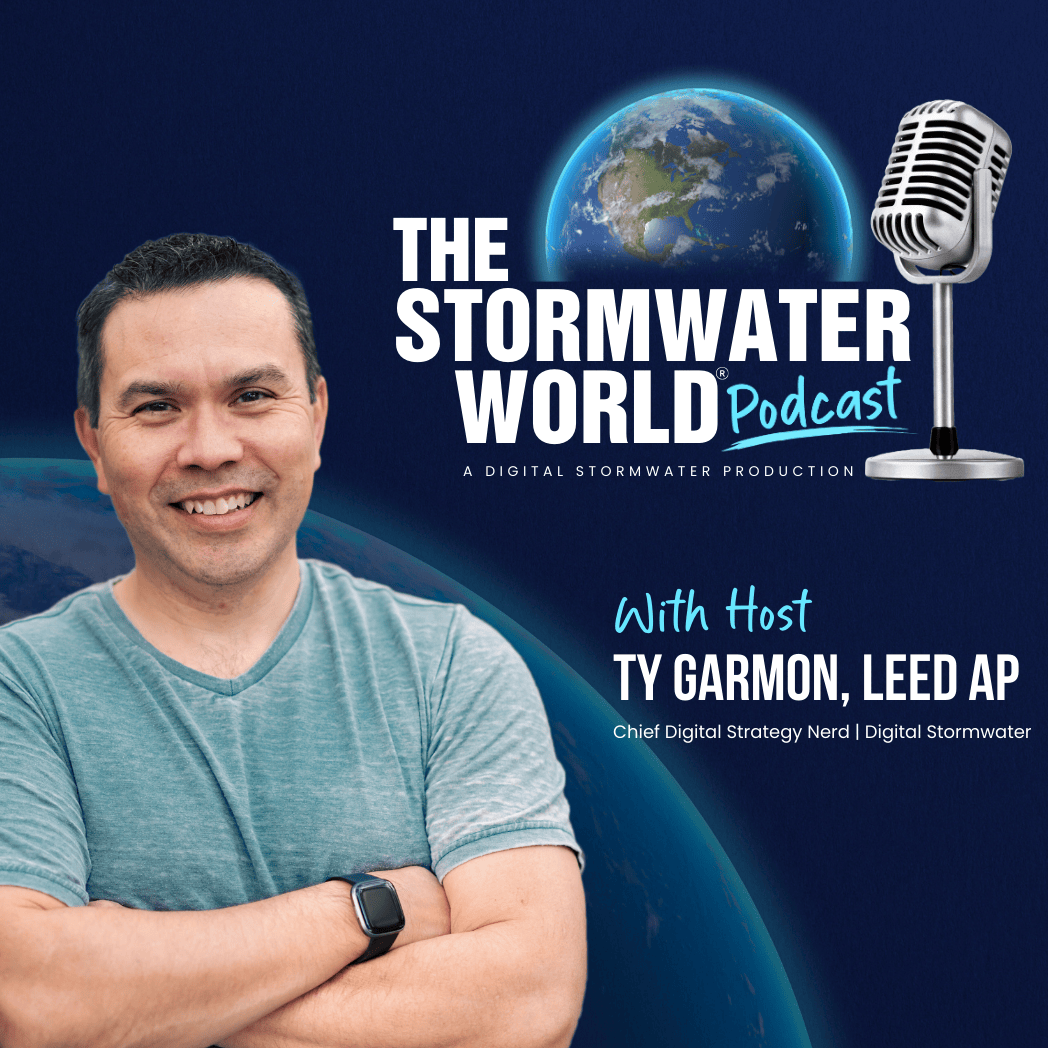
The Stormwater World Podcast
Ty Garmon
Momentum: A Motorsports Podcast
Heather Wilson Schiltz of High Gear Success
Mortgage Marketing Made Simple
Kristina Crosbie