ifitbeyourwill Podcast
ifitbeyourwill is a podcast dedicated to thoughtful conversations with independent artists from around the world. From singer-songwriters recording in bedrooms to bands shaping their own path through the underground, each episode explores the creative process, personal stories, and musical journeys behind the songs. Warm, intimate, and deeply rooted in music culture, ifitbeyourwill celebrates the people who make music — and the listeners who find themselves in it.
Please subscribe ❤️
https://ifitbeyourwill.buzzsprout.com/2119718/follow
my email: ifthisbeyourwill@gmail.ca
http://www.ifitbeyourwill.ca
www.instagram.com/colleycdog
ifitbeyourwill Podcast
ifitbeyourwill S06E19 • Ada Lea
Use Left/Right to seek, Home/End to jump to start or end. Hold shift to jump forward or backward.
From a shy kid singing Christina Aguilera behind a bedroom door to teaching voice at Concordia, Alexandra Levy the power behind Ada Lea has lived every side of finding your sound. In this episode, she talks tendonitis, creative do-overs, and the three-day songwriting challenge that sparked When I Paint My Masterpiece. We dig into mentorship, Montreal roots, and the art of building a music career you can actually live with.
If you’ve ever felt late, stuck, or told you’re “not a singer,” this one’s for you.
Meet Alexandra Levy Of Ada Lea
colleycAlright, hello everyone. Here we are, another episode of ifitbeyourwill podcast coming to you. I love when I can get Montrealers to come on the show. And today I've gotten the biggest bass Montrealer, in my humble opinion, to come on the show. I have Alexandra Levy from Adelia from Montreal with us today, and we're gonna explore her latest record and her protests and what is coming down the road as well. So Alex, thanks so much first off for coming in and and uh sharing some of your your stories and your process and stuff like that. But uh before we start, maybe like uh I tend to ask this first question to most artists is when the the bug of music hit you. Like some of your early recollections of when music really started to elevate in your mind to more than just you know, yeah, that's cool, cool hobby. Like, when did it start to be like, hmm, I think I really want to continue doing this for a long time?
Ada LeaHmm. I mean, just recently
Early Spark And First Instruments
Ada LeaI stumbled across a home video. I was about nine. Maybe younger or maybe older, I'm not exactly sure, but I was in my room singing along to Christina Aguilera's I Am Beautiful, or You Are Beautiful. Yeah, I am beautiful.
colleycYep.
Ada LeaAnd then my mom and brother are filming secretly, and I get so mad at them. But I really I like I really I didn't remember having done that. And as I was watching back, I was like, oh, it it's interesting that as a young kid I wanted to be able to sing and really couldn't, and then the moments that I did, I was kind of embarrassed or like made to feel like I was doing something embarrassing, and that's why they were filming or laughing and stuff. So I think it started as a young kid, and then when I was in high school, I don't know, I can't I can't exactly remember, but just feeling like it was this magical world, and I hadn't been exposed to very much music playing. And I just wanted to know everything. I wanted to know how the notes worked, how like the theory would line up, how you could read music. You know, this thing that you can't that's so ephemeral, you can't grip your hand around it yet. You can read it on a page and it comes to life. I don't know, the some something somewhere along along the high school road.
colleycAnd yeah. And were you when is it that you first picked up an instrument and and what was that instrument you first started playing around with?
Ada LeaI had it it was my brother's bass, and at my high school they were needing a bass player, and my friend was in the band, and I really wanted to it was like an after school and before school activity, and it just seemed so fun, like everyone playing together, and I found it impressive too that you know she was so good at math and sciences and pretty English, and then she also was able to play music, so I just felt inspired by her and I wanted I wanted to play with her.
colleycAnd did was it always an interest too to not only play but actually write your own music? Like was that always kind of in your mind when you were like getting into it and you know playing bass in high school and like was it was that idea almost right away when you were when you encountered music that yeah, one day I want to write music and write songs and perform them for people?
Ada LeaYeah, I started writing songs almost immediately. And yeah, I I I knew that I wanted to write songs, but it wasn't until much, much later that I actually started playing them and recording them. That I remember with um my first boyfriend, he would play guitar and I was playing bass, and I wasn't really singing, he was singing. And I just it was so fun. I I wanted I wanted to record all the time.
colleycYeah. I think that it's amazing when you first have that first encounter
Writing Songs From Day One
colleycwith another musician as well, and you're like conversing through the music. Like it's it's hard to describe, right? It's uh it's this feeling, this this joy that that erupts out of you. And like, what was your how did you uh go about finding your voice? Because I mean you have such an amazing voice. And you were saying that, you know, at first you were kind of shy about it, and like how did how did that evolution happen with finding your voice and and feeling confident with it?
Ada LeaYeah, it was a long, long journey, but I was pretty much tone-deaf in CJEP. I remember my first class, we had mandatory, I went to Vanier for music, and they have an amazing music program. And at the time there was this woman named Erica Fair who directed the Vanier choir, and you had to do mandatory choir and mandatory ear training. And I remember not being able to tell the difference between two notes. And this is, I mean, it just blows my mind too because I somehow managed to get into the program with an audition. So yeah, so at the time I couldn't tell the difference between two notes, I couldn't replicate a sound, and I couldn't match the notes. And she it, I think she had never seen that in the program before. And yeah, my voice was just so blob. And then after that, shortly after that, I was practicing in a cubicle. I remember in the basement of Sandy. They haven't changed their facilities whatsoever. It's still the same. But yeah, in the basement, and then my friend, these two girls next door were playing, and I stopped practicing and I was just listening to them. They were singing, they had written their songs, and then I asked if I could join in with my bass, and then we just started playing together. And about a year later, they were singing in harmony, and I really wanted to sing along too. And, you know, I would practice and practice, and I still couldn't hit any notes. And then they said, like, maybe, you know, but we had a show approaching, and I remember one of the girls was like, maybe it would be better if you didn't sing. And that was just so shatter, yeah, and shattering for for me. And I stopped singing, yeah, I stopped trying to sing, and then it was, I ended up getting a full scholarship to the new school in New York. And I, after the three years of the Vanier program, and so when I went to New York, you know, I was very serious about bass, and I was there on, you know, on the big scholarship to to play bass. And when you are out of like the mandatory lessons, you get to choose who you want to, who you want to be your teacher, and you have all of New York City basically to choose from. It's an amazing opportunity. And so I was studying with all of you know my base legends, and I started to like get so much pain in my I basically developed tendonitis, and I couldn't do anything. I couldn't hold my phone. It was just horrible. Couldn't, yeah, like I remember like trying to dress myself and everything was hurting. There would be tingling, could and my hand would go numb. And so I stopped playing bass. I it was really, I had to stop temporarily. So for the next semester, my choice of teacher was a voice teacher. And it was, to be honest, like because I saw Joanna Sternberg, we were mates, we were friends in school, you know, bass buddies. And I saw Joanna Sternberg play. They invited me up to this jam
Finding A Voice After Setbacks
Ada Leasession at Cleo's, and I didn't know that they they were, you know, they could sing. It was, you know, they were hosting a jam session, so they were playing bass, and I remember them singing. I didn't know what time it was. And just singing, you know, there happened to be a mic, and they were like, oh, can I try and sing this one? And I was, I couldn't believe it. I couldn't believe that you could sing and play these standards. And I love to sing them as I was learning them in my, you know, the the comfort of my own small spaces, but I would never ever do it in public. So uh yeah, after seeing Joanna sing, then I saw my friend Dita also sing standards. I remember Dita singing at at Fat. She was singing T for Two in kind of uh Yeah, this yeah, it like kind of a blossom deery-ish thing. Anyway, I was so inspired. And then after we went out to like a diner, and then, you know, with like the whole gang, and I was like, Dita, like where where where do you learn to sing? How do you sing like that? And she's like, oh, like, you know, I always sang in my in my small spaces, but then I started taking lessons with this woman named Kate Baker. And so that was the same person that Joanna had studied with. And I was like, what are the odds that like two of my friends are studying with the same person? So I reached out to Kate and I couldn't afford the lessons, but I was like, Can I like I'll clean your apartment for you? I'll I'll you know, I'll do anything to get some lessons. What do I need to do? And she was like, Yeah, come and do admin work for me. So yeah, I like tidied her place and then did some admin work. And then and yeah, that it was just so amazing. I I I was obsessed. And she's so yeah, she she's a character of herself. But yeah, so that's kind of that was the interesting beginning of it.
colleycIt's unbelievable. Like you never gave up. You were like, no, yeah. Find a way, I'll find a way. And was it that mentorship that that started to unleash on all these records that we now get the privilege of listening to? Like it was it shortly thereafter where you like said, okay, I'm do I'm gonna do this, like be out there with your voice and and record.
Ada LeaYeah, so like the the following semester, which was my last semester at the new school, we had to do a concert, and I still was like recovering from tendonitis, but I could still choose who I would get my lessons with, and so I chose Kate and it could and they gave me approval to to study with someone outside of my main instrument. And she helped me, you know, all I wanted to do was sing standards. I loved singing standards. So she helped me get like a small quote unquote set and together for the recital. And so that's that's kind of that was the beginning. And then kind of right after that, I moved back to Montreal. And yeah.
colleycIt's just I love it. You know, and I mean it's kind of a bit of your beginning story, is what you're helping now young artists to do through Concordia University. I watched your two it's your second year teaching there. Is that is that accurate?
Ada LeaIs that it's gonna be yeah, my third in January.
colleycRight. So I saw your recitals at the end. I they're not recital, them I guess you're choking. Yeah. Yeah. And I really was impressed with uh what your students were able to do. How do you how do you see yourself on that other side now? Where you know you're coming up through trying to find people to support you and and now you're doing that. How does that process feel? It feels like kind of you you've you've come full circle from needing support to now giving support.
Ada LeaYeah, I mean there's I feel like I don't do very much. They're there to I'm there to facilitate you know, and to offer support, but really they I think I think you're either like compelled or you're not. And the people that sign up for that class because it's not a requirement, they're either cu they're like there's some level of curiosity there, so it's it's kind of it's an easy role to be in because then everyone that's there wants to to be exploring and right. Yeah.
colleycIt's really cool too, like there's such a variety of of your students' styles and approaches to songwriting. Did did did those did that course inspire you in a way with your own art in your own, you know, creative process?
Ada LeaFor sure, seeing the students you know, do their their thing and explore and in a way they it's everything is new for them, most of them. So they're taking risks that I haven't taken in a while or I hadn't taken in a while, and I felt kind of I mean for the past few years I felt just kind of blocked creatively can't get can't get myself to to really like lock in. You know, being so distracted and just recently I've I've tried to to find another way around it, but yeah, the students kind of helped me realize how blocked I had been.
colleycYeah, and uh just reading about your latest release when I paint my masterpiece. I mean just a spectacular record. I was so happy the first listen that I had of this just to hear your your music again, fresh stuff. Uh because I must admit I out I wore out the other two records through overplaying
New York, Injury, And Vocal Mentorship
colleycthem. So it was great to to hear these new new songs. But in in the re in the the history of this record, I heard that or I had read that it was, yeah, you were kind of coming out of this period where it was much more difficult for you to be creative. And did you look at other outlets to kind of help inspire the music? Because I I know also you're you're you're a great painter and like you're you're an artist overall, like you you dabble in art and creativity. Did you find a vehicle in other art to help you with your music ever? Like when you get into that kind of funk where nothing just seems to be flowing anymore, like maybe you could describe a little bit of like what were your tools to kind of get out of that and and refine you know the the beauty music that's stored inside you already that's just waiting to come out.
Ada LeaSo burnt out. And I felt so inspired by school and you know, in in Quebec, school is so cheap compared to everywhere else, even just in Canada. And it's so affordable that like even if you were to take you know, classes, like community classes, school, you're getting the top educators and and kind of thinkers in the city, and you're paying like minimally. So it just felt like the the best case scenario that I would go back to school and actually study literature and that's and painting and drawing. So I wanted to do those those three things and get like another degree after my jazz degree. And yeah, I had a dream of like getting a master's too. So I I think I just I wanted to learn, I wanted to be in environments where you know there were people that were really knowledgeable about a specific kind of thing that could impart their knowledge onto me.
colleycThat's amazing. Oh great. Again, more resilience here. I love it. Yeah. And how did how did how did your latest record come come to be then? Like, what did you have a huge inventory of songs that you had kind of compiled over time, or was this like a very specific project with a specific intent behind it? How how big or small was it when you were approaching your latest release?
Ada LeaI really wasn't thinking of the release whatsoever. I was just kind of writing songs with my friends. I've spoken about it before, but we done this, it started off really small, just a couple people where we would each submit a song every three days for a month. And so right there, you kind of have a record within month one month.
colleycRight.
Ada LeaAnd the songs vary, you know, like some songs are are unlistenable, and then some, you know, there's like a a bit of a moment that you found exciting, so then you kind of revisit it after. But I I just I wasn't thinking about an album, I was just writing as much as possible. Yeah.
colleycThat's cool. And how how is it back on the road? Or like you just mentioned before that you thought after one hand on the steering wheel and the other slowing in garden that maybe that was it. Like I wasn't like, how did you re how did you refine that? And are you enjoying it now? Is it how's it going on the road?
Ada LeaYeah, it was really nice to to do this most this most recent tour. I I booked it with like Gil, who's my booking agent, and with Chris who plays in my band, and he was like, if I'm gonna be driving, like I don't want to drive for seven hours and play a show. Can we have like a kind of cap about driving hours if if it's show days too? Because so we really were just trying out this new system like can it be sustainable? Is it more sustainable? And we were in bed by midnight most nights, you know, sometimes 11 p.m. Somehow it was just almost dreamlike.
colleycSo as we kind of come to a close here with what can we expect from as we as the time rolls down along like are you still actively writing music? Is there gonna be are you looking for next year to release something else or more touring? Is there any little highlights of where the future lies?
Ada LeaYeah, I'm always reading and I'm ready now. I would like to do the next record.
colleycWell, I mean New York is full of you know it's uh there's a plethora of people that would love to record your tour. I mean I think it would be such a privilege. I mean I'm excited about this record and about what to come. I really want to just thank you for for talking with me today. Um it's a real story of resilience, I will tell you to tell you that. It's been really fascinating. We've only just been talking here for about half an hour, but I feel super inspired. And I wish you all the best with your art and your teaching and your shows. And if ever you'd uh love to come in, I I mean, there's so many other questions we could talk about. I'd love to have you back.
Ada LeaOh, thanks so much, Chris.
Returning To Montreal And Teaching
colleycWell, thank you, and uh have yourself a great day.
Ada LeaYeah, you too. Down under the Panova, the circles on bouncing off the concrete Down under the spell of the Noggest night, the train screeches by paying us no mind. I'm looking out at the train with my back to bed, with my eyes to the moon and back trains moving fast, like time goes fast. When I saw someone standing on the track When I think of you, you're in your apartment Morning sunlight streaming in When I think of you, you're in your apartment Down under the vans we stand around Sippin' on green cats Down under the spell of an aunting night out here. We're living like we have all the time And I remember cornerly Southeast side of the street Where we used to meet When I think of you, you're in your apartment Morning Sun night streamin' in When I think of you, you're in your apartment One I think of you, you're in your apartment When it's the night One that's a view in your apartment.

Podcasts we love
Check out these other fine podcasts recommended by us, not an algorithm.
Kreative Kontrol
Vish Khanna / Entertainment One (eOne)
Indiecast
Amazon Music
Transmissions
Aquarium Drunkard
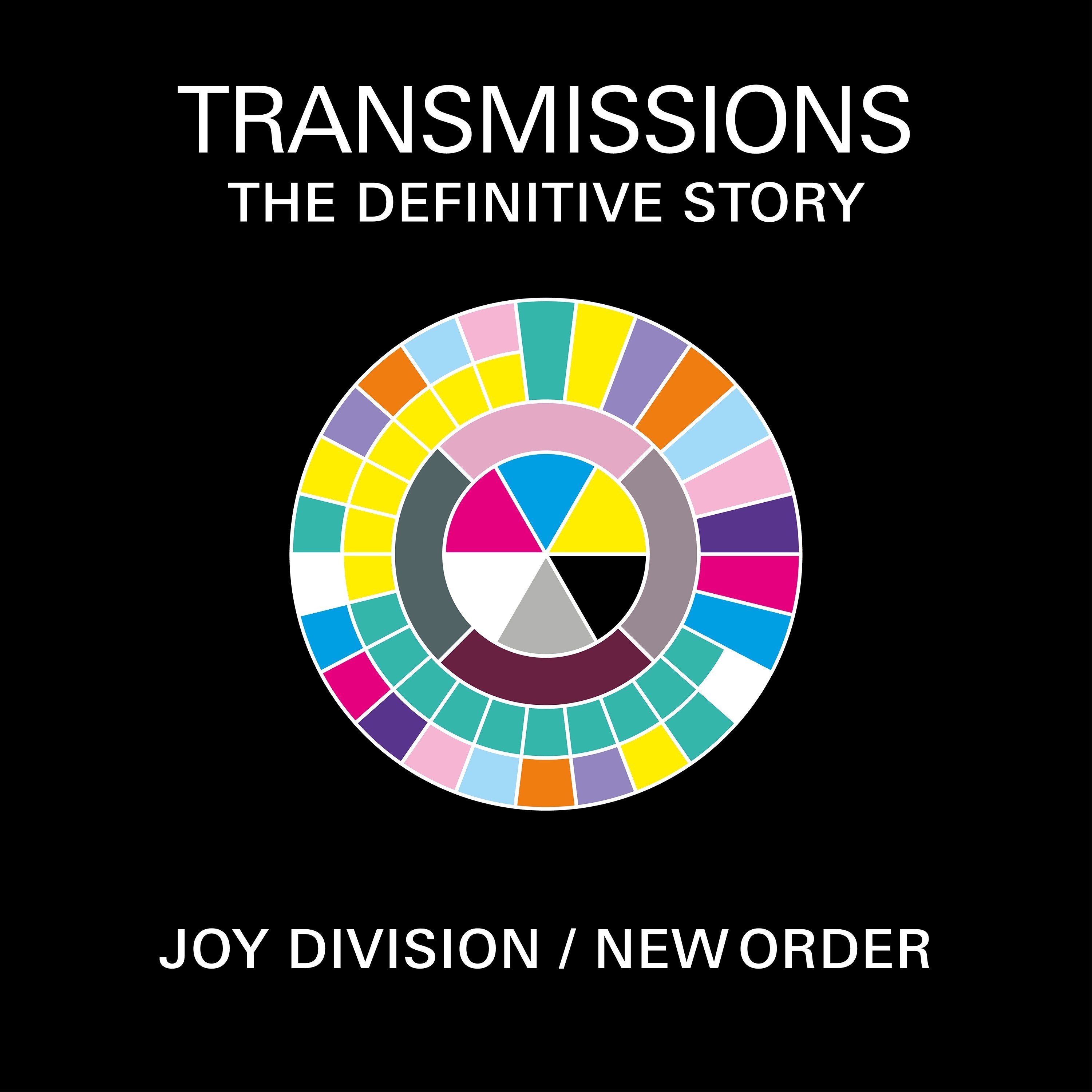
Transmissions: The Definitive Story of Joy Division & New Order
Joy Division / New Order
NPR Music
NPR
Jokermen
Jokermen
WTF with Marc Maron Podcast
Marc Maron
The Zane Lowe Interview Series
Apple Music