
Designing with Love
What does it take to design learning experiences that truly work? Join Jackie Pelegrin, award-winning instructional designer and Grand Canyon University (GCU) adjunct instructor, as she explores instructional design, e-learning, and AI integration. Expect actionable tips, real-world insights, and conversations with students, alumni, and industry leaders shaping the future of learning.
Designing with Love
Teaching and Curriculum Design in the Age of AI With Hamza Sami
Use Left/Right to seek, Home/End to jump to start or end. Hold shift to jump forward or backward.
Want a smarter way to work with AI in the classroom without losing what makes learning human? Jackie had an engaging and insightful conversation with academic manager and curriculum designer Hamza Sami to unpack practical ways educators can harness generative AI as a learning partner while strengthening integrity, critical thinking, and authentic assessment.
We start by reframing generative AI with simple language students can use: it’s the confident friend who doesn’t always have the facts right. From there, we outline day-one norms that encourage curiosity and set clear boundaries—what’s green-light brainstorming, where caution applies, and when only original work is acceptable. Hamza shares why instructor AI literacy comes first, how to discuss bias and hallucinations in plain terms, and why students’ “I feel like I’m cheating” reactions signal values worth guiding, not suppressing.
Looking ahead, we land on the capacity every student needs next year and beyond: moral awareness paired with critical thinking. If the internet went down, could you still perform? Would you hire yourself? Like calculators, AI should sharpen our work, not replace our minds. Subscribe, share this with a colleague, and leave a review to help more educators build classrooms where AI supports deeper, more honest learning.
🔗 Website and Social Links:
Please visit Hamza Sami’s website and social media links below.
📢 Call-to-Action: Need a hand bringing your learning ideas to life, whether curriculum design, instructional strategy, or even creative production? Reach out on LinkedIn, and let’s explore how we can make learning more engaging together.
Join PodMatch!Use the link to join PodMatch, a place for hosts and guests to connect.
Disclaimer: This post contains affiliate links. If you make a purchase, I may receive a commission at no extra cost to you.
💟 Designing with Love + allows you to support the show by keeping the mic on and the ideas flowing. Click on the link above to provide your support.
☕ Buy Me a Coffee is another way you can support the show, either as a one-time gift or through a monthly subscription.
🗣️ Want to be a guest on Designing with Love? Send Jackie Pelegrin a message on PodMatch, here: Be a guest on the show
🌐 Check out the show's website here: Designing with Love
📱 Send a text to the show by clicking the Send Jackie a Text link above.
👍🏼 Please make sure to like and share this episode with others. Here's to great learning!
Welcome & Series Setup
Jackie PelegrinHello, and welcome to the Designing with Love podcast. I am your host, Jackie Pelegrin, where my goal is to bring you information, tips, and tricks as an instructional designer. Hello, instructional designers and educators. Welcome to episode 100 of the Designing with Love Podcast.
Guest Background & BTEC Context
Jackie PelegrinToday I'm kicking off a three-part series with Hamza Sami on teaching and learning in the age of AI. Hamza works extensively with UK's Pearson Business and Technology Education Council, or BTEC, which offers career-focused competency-based programs recognized internationally. In addition, he leads curriculum design and quality assurance. Welcome to the show, Hamza.
Hamza SamiThank you, Jackie. It's a pleasure to have to be here.
Jackie PelegrinYes. And I'm so glad you're a fan of the show. That's how you discovered me and uh and we we got connected on LinkedIn. And so I'm it's great. And then I uh rolled out the welcome mat for you to come on the show. So I'm so happy that we're we're doing this. It's great. So um to start, can you yeah, so so to start, can you tell us a little bit about yourself and share what inspired you to focus on curriculum design in the higher education industry?
Hamza SamiSure. Uh so I work as an academic manager at AXL International Academy, which is a Pearson approach center based in Turkey. Uh, we what we do is we adopt the two plus one system. So basically, we uh we provide HD in the first two years for our students, uh H and D higher national diploma. Uh and this counts as the first two years of uh the bachelor uh in the UK. Uh and the third year, actually, it's the last year uh uh uh of the bachelor uh program. Uh they go our students, they go to the UK in one of our partner uh universities there, uh, and they finish uh the bachelor uh because in the UK the bachelor's degree is only three years. Uh so um yeah, I finished uh now uh about to answer your question how
Career Pivot To Education
Hamza SamiI got into the curriculum design uh and my interest to that uh area. Uh I come from a multimedia design uh background and creative production background. I finished my bachelor's degree uh back in the in the United Arab Emirates in the American University of Sharjah uh around uh uh six like in 2012, yeah, I I graduated. And I worked as a photographer, videographer, and graphic designer for around six years, like full-time and uh also a freelance uh jobs, you know, uh in Dubai. Uh but I found I that I had limitations with my with my career, like for example, I always wanted to add values to my work. Uh and uh sometimes the the companies or the areas or the fields I'm working for, they uh like the if I've I have problem with my uh with my with my principals, for example. For example, uh like if if I was offered uh a job in a TV channel or network, um, you know, they usually have their own agenda and which um which contradicts mine. Uh so I felt that there's some limitation. Also, uh the idea of um having uh like you know to manipulate your your audience with your work, you know. Right. Uh this is something I found in in in in doing like media work usually. So uh I th I had uh you know I I I decided to go to Vietnam as a like a to take a self-discovery trip or journey, if you would say. Uh and there uh for a couple of months I stayed there, I realized that uh education is what I need to explore. Um because we all have this one teacher or more actually who affected our own uh life uh with the with their character or what they taught us. So I felt if I can um like uh influence one uh student or one person at a time, it will be like I've done my my my mission in this life. So I thought what's wrong with education? Uh why do we hate learning? Uh while as as kids we have this um urge to learn and to discover and to explore things. Uh and I think it's the problem with the curriculum, the way we are uh being taught, uh, that delivery of teaching. So I thought to explore that area. And this is when I went back to to Dubai to um and I joined uh as I worked as an art director at a language uh Arabic language center. Uh and I talked to m to to to the manager there to I asked her to to teach some some I like Arabic language and to try teaching, you know. I want to experiment with that area. And I taught uh some kids for a couple of months and it was great. Then I had to move to Turkey, where I'm based now, with no experience of course in in the in the education uh sector, and uh I applied to to Axel uh as a as a teacher academ uh media teacher. Uh and uh like they accepted me and I tried my my luck with them. Uh I taught for a year like uh three uh models, uh film and audio studies and photography. Then I I was offered uh media program coordinator for uh for a couple years, then I was promoted to academic manager. This is how I raised. And after I was promoted to academic manager, I applied for a master of education. Uh and there I focused on the curriculum uh development and challenges and uh yeah. So this is uh and this is just uh yeah, more information.
Jackie PelegrinRight. So you yeah, so that started your passion of being able to teach uh a you know a different language to students, wow, and teaching them that. Wow. I love that. Yeah, and it that sparked your interest and really got you into education and noticing that there was something with curriculum that needed improvement. And so I love that. You saw a gap and you saw a need and you wanted to be able to help and fill it.
Hamza SamiYeah, yeah. I uh it's uh it's a it's a journey because I had to shift my career. You know, I had a I used to work in production, then I started from zero, you know, in in the education. So yeah, it was a challenge.
Jackie PelegrinYeah, it's amazing how this field, instructional design and curriculum design, how uh it's just it's a field that keeps evolving and keeps growing. So it's great. You know, you and I were talking about before we hit the record button how you know you're you're coming into this field as well, and with instructional design and how I've been teaching for
AI’s Rapid Rise & Human Role
Jackie Pelegrina while. And you know, it helps me stay fresh too, because the with everything going on and now, you know, what like work what we're gonna talk about in a little bit with AI, it's just it's really rocked education in a way that I don't think anybody expected it to. So it's uh it's really challenged me, not only as a as someone that works as an instructional designer in the field in higher education, but also as an instructor, it's challenged me as well. And allow it, but it also allows me to step up my game a little bit more and say, okay, you know, I can't, we can't just continually do things the same way. It's not always gonna work that way. So we have to be able to pivot and we have to be able to change a little bit and make things a little bit better. Yeah, and know that in the age of AI that we can we can still make things human and we can still put our personality into things and it doesn't have to be hu, you know, it can be human uh still, even in the age of of all this machinery and technology, right? That we can still have that human side of it. So definitely.
Hamza SamiI don't I don't believe that uh human will be uh like the human factor will be repu uh uh replaced by AI. Uh of course we will always need uh the human. Uh uh because uh we are the one who created uh AI, after all. So we're the owners, and it's not uh it's not like a new entity, it's uh from us, uh you know, just uh a tool to serve us in a way, you know. Right. But yeah, I agree. It's uh it's uh it's uh development is it's very uh growing uh very fast and it's it's kind of scary. You need to keep up every every week, you know. Every week something new is showing up, you know. You just need to keep keep uh keep up, you know, with the with all the developments and uh the inventions and yeah.
Jackie PelegrinRight, it's amazing. Yeah. And hopefully it's used for more good than anything else. So yeah, that's great.
Framing Generative AI As A Partner
Jackie PelegrinSo kind of to set that foundation uh for my listeners, how do you explain generative AI to students so it becomes a learning partner rather than a shortcut? Because I've had to do that with my students. So what's one simple way you can kind of explain that to them?
Hamza SamiWell, uh I like the how you use the learning partner, which uh how AI should be. Uh but first we can uh define what we mean by generative AI. It's the type of AI that can create uh new content or ideas, uh like uh uh like uh stories, images, uh videos, music, these things. Um now when we speak about uh AI generative tools, uh we the most popular one is ChatGBT. And I actually did my uh my my dissertation master's dissertation on the use of ChatGBT in education. Uh now uh when when uh when you log to OpenAI, ChatGBT's website, uh at the bottom of that page in small fonts, you will read ChatGBT can make mistakes. Consider checking important information. So I think this tells you exactly what we are dealing with. Now it can be argued that uh okay, make me uh we uh humans can make make mistakes also. Uh what's the difference? But uh the thing is uh unlike uh the AI, uh humans have the capability uh to practice critical thinking. Now this is uh something you cannot find in an AI. So maybe this is what we need to do, what we need to teach our our students uh how to use critical thinking to to double check uh the this the sources, the information generated by these AI tools. Uh after after all, they are tools, they are not uh you know, they are not uh humans, you know. Even humans, they make mistakes. I always do this analogy of the you know, we all have this friend uh who knows everything. Uh they can never be wrong about uh whenever you ask them, they have an opinion about everything, they know everything. Uh and sometimes they do, you're right, but they don't know everything. Now this is uh exactly how uh how AI acts. They they have you ever like asked AI and they told you we don't know the answer. So they are not built with that feature, just like that friend who always like knows something about everything. So what you do with this friend is uh you basically uh double check what they say. If they give you an advice on like a legal issue, you don't just go and do it. You have to ask a lawyer. So this is uh how uh we should look at uh AI in general. Okay, uh they give you information, just go double
Guardrails & Classroom Culture
Hamza Samicheck them, uh the accuracy of that information uh provided. Yeah. This is basically uh that like this can be the foundation of uh how we look at um at AI and also uh the over-reliance on on it, it can affect uh affect our skills badly. Uh that's another thing, you know.
Jackie PelegrinRight, yeah, the over-reliance on it. And yeah, yeah, I yeah, I like that term too, learning partner. I've sometimes used, I've heard the term on some of my with my other guests, they've used the term collaborative partner as well. So I think, yeah, I think the key is that it's uh it's coming alongside you, and you're you're uh using it to help generate ideas, but the final product. I always tell my students, the final product always has to be yours. You can't have it be AI generated. And yeah, so it's it's always important. I have uh this stop actually the university has established this, but I kind of took it and ran with it. So in all my announcements, I have I have this uh AI stop light method that's a reminder that I have in all my weekly announcements, and I'm like, green light means this, and red yellow light means, you know, so it's that caution, you know, and then the red light means you cannot use it for any reflections or anything like that. That has to be your own words, right?
Hamza SamiYour own thoughts.
Jackie PelegrinYeah, so it's very interesting. And then for assignments where um, because we we I have of course some classes that I'm teaching where they have to utilize AI to be able to have those conversations and and kind of figure out how would they handle this uh in if it's in a safe setting, right? And how would they handle this handle it in the workplace? So it's very interesting. And they utilize it actually to even in one assignment to help them generate some content or just to you know kind of get started with the e-learning module on workplace safety. And I'm like, oh, this is really interesting because some of them are in K through 12 education, they don't know you know workplace training and things like that. So it's very interesting to kind of see how they use it. But some of my students have actually told me right up front, they're like, I feel like I'm cheating when I use AI. And I'm like, see, that's your that's your intuition telling you that you you have guardrails in place, and that's great, you know, that you're not just forging full ahead, but you're thinking about it. And and I said, you know, I understand, you know, I sometimes I thought I was cheating too. But you know, I said, as long as you're, you know, you're not utilizing it as your own work and you're being ethical, yeah. I think you, you know, you can you can use it, you know, just be cautious about how you're using it.
Hamza SamiSo that's interesting. I thought uh I thought it's only me who feels this way because uh actually I feel something, I'm doing something wrong with that when I use it. And I heard from uh my students also, like I noticed that from my students when like when we talked about uh publicly discussing uh the use of AI, and they were surprised by uh like uh can are we allowed to do that? Because they try to hide it, you know. Right as we do, as we do, because we feel okay, now uh whoever will read this will read this, they will think uh they used AI. So it's not entirely uh our work, you know. We think this in our head when we whenever we use AI, and it gives us a nice uh polished uh answer, or you know what I mean, especially when we're doing something written. So we feel like, oh, should I use that? or uh I I just want it to be uh authentic and and uh totally mine. When someone asks me, Did you use AI, I tell them no, I didn't, you know. It feels like I'm doing something wrong, and uh it's uh it's a stain on my on my work. Yeah, I don't wanna have it. Yeah. That's uh natural. Um but it's the the the the question is how to use it and when to use it, mainly not uh if we can use it or not. Definitely we can, uh, but when and how, yeah.
Jackie PelegrinRight, exactly. Yeah, and that kind of goes into you know my next question too about classroom culture, right? That starts on day one. If you if you introduce um guardrails and uh not really rules, but just more of like guidance around AI and you wait until you know week three of the class, that that's not a good way to start off. So it starts with day one in that culture. So, what are some norms and expectations you think instructors should set with students to help guide that ethical use of AI without shutting down curiosity?
Hamza SamiYes, uh actually it's important when you said uh without shutting down curiosity, we want to promote uh academic freedom. Uh it's very important because uh all sources of of information uh we encourage students to use them. Now, about the norms and expectations, uh usually they can be found in the school's policy or AI user guides. Uh we can only refer the students to these, but uh after all, they might read it, they might not understand it. Um but um of course we are if we are talking about the schools that integrate and allow the use of AI, not blocking it, because I found that in my in my research, I found that some universities they actually block the use, they don't allow, they forbid the use of AI in in education, which is very strange. Yeah. Yeah, that is it's
Authentic Assessment To Reduce Misuse
Hamza Samivery strange, yeah. Uh mental to to deal to deal with such tool. Now uh to answer your question, yeah. First, uh instructors should instruct uh the instructors should be educated about the limitation of AI. Uh they should have the digital or the AI literacy, which were uh actually my proposal for uh in in in the research I've done, uh it was a professional uh development uh in the form of teacher training uh using uh David Kolb's experiential learning theory, uh where that I I proposed that the teachers should apply it on themselves. Actually, I applied it on myself before uh I before I chose the topic for my master's dissertation. I uh I haven't used Chat GBT before. So I wanted to apply it. I had and I have a negative uh opinion about it. So I wanted to test it, you know, and apply it on myself. This uh this tool. I wanted to see how it works and what good can uh come from it. So I applied the Kolb's uh theory on it uh on myself and I started experimenting with it. And uh actually it was uh about by the end of my dissertation I I was like 180 degrees the opposite. I was like, okay, that's not actually too bad. It's just like any other sources. I can if we're talking about cheating and plagiarism, uh we can do it with with any any sort of uh any way, you know, any any method we can use. Uh so I think uh yeah the the the the the instructors first should be aware of the limitations, uh then they can uh pass it uh to the to the to the students. Then um another important aspect also of of the teachers' role is to be a role model uh for the students. Uh they have to equip the students with the responsible uh mindsets uh through their leadership. Um also they need to explain uh now for the students if they understand why this subject is important, why I'm learning this subject, how is it important in my field? Uh or what is learning and how I gain knowledge, I think they will understand how to to use it, you know, naturally. If I come to Chat GBT and ask it uh to write uh a report or an a task or an assignment for me, I I actually didn't learn anything. I just even if I read it, I didn't do the hard work, I didn't experiment it myself, you know. So I uh so uh the students should they should know uh that this way they will not learn. And if they don't if they don't learn, it will affect their career uh eventually if if they are if they are thinking about their career, you know. So uh knowing uh the consequences of uh the misuse of AI can help also in that area. When to use it, how to use it, we spoke about that. Um now uh also from the instructor they can uh promote uh open discussion. They the students they need to openly discuss uh their experience and the outcomes of that use. We were we were talking about like um when they feel they are doing something wrong, you know, when they use uh AI. Um now if they openly discuss uh their use with the teacher, then the teacher can uh actually uh like guide them into the the correct use. And this way they can uh acknowledge they their use so it's no longer plagiarism. Uh uh it's they are not doing something, they are not claiming it's it's their own work. Even if they copy-pasted it from the from the AI uh response, you know.
Jackie PelegrinRight, right.
Hamza SamiUh they are not doing something wrong if they claim uh unless they claim they need to understand what is a plagiarism.
Jackie PelegrinRight, exactly. Yeah. You know, and before AI became such a huge thing, you know, there were the people students were teaching were cheating before that. So I always look at it if they if they cheated before, then they're just they're just using another way to cheat. So, you know, it's exactly it's just a new way.
Hamza SamiBefore even Google was invented, uh we had cheating, right? People used to pay other people to do their assignment for them. Uh and now you you just need you don't need to pay, it's free. That's the difference. Yeah, and you can have uh unique uh you can just even ask uh uh the AI or any tool to imitate your style of writing. So the uh the AI detector or the instructor who didn't uh recognize your work or your you know the recognize it's an AI generated uh material.
Jackie PelegrinRight. That's true. Yeah, that's that's interesting. And I I've even heard like some people like in my circle of curriculum development and even some of my students saying that if you see the M-dash in writing, that people are automatically thinking it's AI. And but I've I know people that are editors that are like, well, the M-dash is actually a really it's been around for a long time and it's actually a really good good thing to use. So you know, people think they have to take the M-dash out of everything because it's going
Reflective Practice & Open AI Dialogue
Jackie Pelegrinto flag it as, oh, that's AI generated. So it's really funny. But you can actually, I've I've did an experiment too. It's it's funny, I asked AI, I was like, can you take you know any of my any of the responses, make sure there's no m-dashes in it? And it did, it just took them out.
Hamza SamiSo you know actually, I found an interesting when I was doing the literature review uh for my study, I found an interesting uh paper that said that there was an increase in some uh verbs or words after the invention of uh Chad GBT, for example, the word delve, you know, it's used a lot.
Jackie PelegrinIt's used a lot.
Hamza SamiOkay, but this is an actual word, people use it. What's wrong with that? Right. And even if I if even if I use Chat GBT once, I learn from it. I and I and I actually do, I learn from it. Uh actually, you know what's interesting, what what made me choose this uh topic in my dissertation is I was watching a video of uh I I haven't used uh ChatGBT before that video. So I was watching a video of uh some YouTubers who were experimenting asking ChatGBT questions and uh reading the answer and they comment on it. So I noticed how the answer was exactly how we want our students to uh to cover the assessment criteria, you know, to evaluate. How to evaluate first you need to define the subject, then you need to talk about uh the advantages and the disadvantages and give your opinion and you know what I mean? So I thought that's that's actually great. I we can teach our students how to evaluate, how to analyze by just reading the responses and imitate it, but in their own words. That's the that's the only uh difference, you know. So uh yeah, it's uh I we can learn from AI. What's wrong with that? I if I if I if I I noticed like the way uh it phrases a sentence, and I can use it in my writing. So does that mean I'm plagiarizing? No, I'm just learning.
Jackie PelegrinRight. Yeah, you're just learning how to yeah, how to do you know it's interesting too, like uh because I I'm writing a a book and it's based on one of the most popular podcast episodes, and I had the structure of it all laid out and the manuscript's pretty much ready to go. But as I was looking through the chapters, hands I was like, something seems off because it's all about the ID models and theories. And you know, typically you want to like we know as educators, you want to start with the simple ones first and then go into the more complicated ones. But I felt like the order of my chapters was just something was not right with it. So I decided, you know what, I'll take chat GPT, I'll I'll stick my chapters in there and then ask it, you know, is this a good format? Is this in a good order? Can you make any suggestions for me on the chapter order? And it came back and it said, yeah, you're good, you know, you've got a good structure here, chapters one through five look good. But then in the middle, it seemed like things were just kind of a little bit, yeah. I knew something was off and it gave me really good suggestions. But then it also said, why don't you break it into parts? Because then you reduce the cognitive load. And I'm like, wow, I should know that. I'm I'm an instructional designer, but it was like a yeah, it's like a delightful moment. I'm like, gosh, why didn't yeah, but I was like, yeah, 20 chapters is a lot. So I did that. I broke it into sections and I just took Chat GPT's ideas. I didn't uh, you know, and I just kind of massaged it a little bit, worked, you know, with the wording, but it was really neat because yeah, if um I I don't know, I may have thought of that on my own, but maybe not. It may have taken me six months down the road, or it may have taken a publisher to go, hey Monet, why don't you do this? So for me to, you know, kind of think of that on the front end of it instead of later on, it was kind of neat. So yeah, that's a good example of how we can utilize it to come up with ideas and improve what we're already doing, right? Yeah.
Hamza SamiYeah, and thank you for sharing that uh experience because it made me think of the imp the impact of Chat GBT or use of AI on our mental health, right? Right questioning ourselves, what's wrong with me? Why I didn't think of this uh way or you know what I mean? Questi questioning our ability to think uh uh better than uh AI, you know. Uh that's an interesting uh area to explore, also the influence of
Curriculum Revision With AI Support
Hamza SamiAI on the mental health of the users.
Jackie PelegrinRight. Yeah, oh my gosh, yeah, that's that's amazing. Yeah. And uh so I wanted to kind of go over, you know, because we were talking about you know how how to set up that classroom for success. So, you know, design choices can also reduce misuse. So are there different types of assignment structures? Maybe, you know, maybe you could share one that increase authentic learning while lowering the incentive to do outsource work to AI. Um, because this is something we're doing a lot in our university with authentic assessments and trying to not necessarily you know, we don't want students to think that they're they don't write anymore because you know they can just take and have AI write a paper for them, but we want to make it authentic for them. So are there some some ways that they can do that?
Hamza SamiYeah, definitely. There's a lot of ways actually to uh to do that when we design the assignments. We actually uh in our uh center we we follow the assignment-based system. We don't do exams. Uh we ask the students to cover the assessment criteria, which is provided by Pearson, uh, by doing some dividing uh the assignment into parts, and these parts they for they include the presentation and uh report, for example, uh reflective review. So for the for the uh presentations, we already discussed uh the students would would uh present their work, and after that we have the QA uh discussion session. Uh This way we can we can know that the learner um uh understands what they said. Even if they copied it from uh or used uh chat GBT or even if they acknowledged it, it's fine. But eventually they learned what we want them to do to learn, you know? Uh the purpose is done. Uh no matter how it is done, but it's done eventually. And they have the correct information, we can um fix it for them. Uh uh but for the written part, for example, the reports here we have a problem because if they submit it without uh without uh discussing it with with us and without Q and A, now we will we will be in like in that area where we suspect that they use uh the use of AI and we put it in the AI detectors and we might accuse them of plagiarizing and so on. So what we uh what we what we did is uh we added we asked them to discuss what they've done. How did they write the the the the report, for example, what did they cover in the report, and we asked them questions just like a presentation, you know. But uh uh uh but instead of uh a presentation, it's uh discussion, you know. So this way we can understand they they know what they wrote, they understand what they wrote, they comprehend it, and also uh we make sure that we we witness their understanding, not only we read it somewhere. Uh I think also uh uh focusing on the on increasing the higher order thinking skills uh in that uh sense it's very important uh with the use of uh AI because we want to leave uh the you know that the first levels of blooms, taxonomy, like uh explain, define, remember these things. These things can be done in the classroom activist activities. But uh we need to increase the the critical thinking, the evaluation, the analysis. We want to hear the students' opinion on everything that you say. Uh okay, even if you wrote this definition, what do you think of it? Uh when we hear the student's opinion, um okay, they can also ask AI for that, but uh we can understand uh they we can we can like this way we can encourage them to have their own opinion, not only uh copy what uh AI said uh or even if they they can they can they can uh say that uh I used, for example, I used Chat GBT uh about this topic and they said this, but I think uh they are wrong about this, and I think uh this way about this topic. You know what I mean? Right. Uh acknowledging the use of AI, it's very important also.
Jackie PelegrinAbsolutely, right. Yeah, that's so important. Uh, because I noticed with the program that I help teach for, the instructional design program, it's a master's level program. And so I teach the instructional design courses. We talked a little bit about that. So what's great about the program, the way they built it and the way they built the classes is they're it's all project-based, which is great because not only are they doing col and they're doing collaborative work now, which they didn't have before, but they just revised these courses earlier this year, like around um like March, April. And now I'm starting to see the revisions in place. So I'm starting to teach these classes now with the revisions, and it's such a such a huge difference to see the AI incorporated it into it in an ethical way. But what's really cool is that they're also doing group projects, which I get to actually see their collaboration and connecting with each other. So even in an online environment, they can still connect with each other. So it's really great. So um the class I have that's coming up, it's the theories class.
One-Year Outlook: Integrity & Thinking
Jackie PelegrinAnd so I that's one of my favorite classes to teach. I love teaching the theories class, but they actually have to do this assignment where they have to do a pitch deck, um, which is, you know, like they're pitching to a um their idea, right? And then they so they do the presentation and then they get together in peers or in a small group, and they actually have to give that presentation to their peers. And then their peers have to evaluate them on it, and then they fill out the the rubric and all of that stuff and submit it. And then they do an individual reflection on that process and the ethical, you know, decision making that they what they went through with that and how the collaboration process helped them. So that's authentic, right? Because you're yeah, yeah. Yeah, it's it's amazing those type of assignments. I always love grading those because it's always great to see their um, yeah, how they how they go about it and how they uh are able to complete those assignments. So it's really fun to see those. Yeah.
Hamza SamiThe adopting and uh reflective approach is uh it's very, very important uh to to to avoid the entire use of AI. Also to discuss the the use uh of AI and the responses, to evaluate it, to reflect on it, uh on the responses generated. Uh for example, we suggest in our session plan for the teachers, uh, we suggest, for example, uh for every um session we we need to do uh an AI activity, AI-based activity. Uh and it's different every session, but uh eventually the the teacher would ask the students, for example, to uh for example, they can give them a topic uh and uh they c for example they can the students can be in two groups and they make a debate. Uh one group they use AI with their research or looking for the answer, and the other group they don't use AI, you know. They use the the secondary sources or you know the the regular you know uh articles uh and other things. And after that they compare the responses and they their findings and they can discuss which one is more uh accurate, um which which one is more uh like uh factual check factually checked, you know what I mean? So uh so this this uh practice of openly discussing the use of AI will will teach the the the learners the limitations of AI and when to like uh take the response uh as it is or when to double check it for accuracy and uh uh and non-bias, you know.
Jackie PelegrinRight, exactly. Yeah, that's wonderful. And yeah, and that can actually be the bonus section of the of the episode. I love that because that that's a great example of how how to turn that into that that way to make it authentic. And I I love that because we're always as as educators trying to find authentic ways that will help them in the in the workforce. And um instead of having a course because I've run across this before in curriculum development, and it's um it's a little disheartening when I see an undergraduate or graduate level course. In this case, it was a graduate psychology course that we were revising. And I went when I was doing my pre-ID review before the revision kicked off, can't it? It was uh I I kept looking through the syllabus and I saw assignment after assignment was paper and then another paper. So eight weeks of papers. That's all it had was papers. And I'm like, okay, I've got to make some suggestions here. I'm like, can we? So I was looking at the what the deliverable was and what they were being asked to do. And I'm like, okay, can we make this a PowerPoint instead? Or can we make this uh, you know, so I was trying to come up with ideas on like first of all, that's gotta be um just disengaging for students, but then for instructors to have to grade a paper that's like 750 to a thousand words, or even ones that were like 2,000 words. I'm like, that's a lot. I mean, 250 words is on average a page. So yeah, that's that's a lot of writing. By the end, I'm sure they would they would be burned out. Both instructor and student would be burned out with eight papers. So I think authentic assessment is so important. Yeah.
Hamza SamiYeah, then the the SSS will use maybe AI tool to access the students' work and give them. Now it's a thing. Right. Yeah, it's a thing now, also uh, which is really uh unfortunate. Um it's uh as this is an unfortunate thing.
Jackie PelegrinSo yeah, yeah. So it's always good to look for those opportunities to where of where we can provide that more authentic assessment. And so I think uh AI can be a tool for that too, to kind of say, you know, we do this too in curriculum. We'll take an existing just this is cool, actually. We'll take an existing discussion question. And if it's tied to professional standards, like for example, counseling, what we're doing right now is um at the university I I work for, um, we just got accredited accreditation for um counseling for the counseling program. So it's called K crep for short. And so we're having to now that we're the the programs are accredited, we have to switch over from the 2016 standards to the 2024 standards. And that has to be done by July of next year. But we can't just do that all in one fell swoop. We have to do course by course, right? And that takes time to revise the courses. So what we've been doing is we've been taking the that existing discussion question, taking the objective it's tied to, and then the new standards and plugging that into our um not an external tool, we have an internal uh closed system AI tool, but we plug it in and we're like, hey, does this meet the standards and does it meet the objective? And if not, can you give
Calculator Analogy & Mental Fitness
Jackie Pelegrinsuggestions on how we can revise it to make it better? And I I give guardrails to AI. I'm like, because it'll, if you don't give it guardrails, you know this. It will just it'll give you a discussion question that is almost like an assignment. Like, no, this is a discussion question. So I give it guardrails and I'm like, responses should usually be about 200 to 250 words. And I think as long as AI knows that, it knows kind of what your parameters are, it can give you better responses. So you know, knowing that prompt engineering is so important, but it's really interesting because it helps guide our curriculum and we don't use it, you know, for what it is, but it just gives us ideas and then we have the subject matter experts tweak it a little bit and uh and refine it. So it's a really neat process to see how AI can kind of work even in curriculum design too as well.
Hamza SamiYeah, yeah. Sometimes you find uh like uh I find myself like just um lose it with the with the with the Chat GBT, for example, or even Gemini. They don't get me. I mean, I keep asking them and uh eventually I would say you know what, forget about it. I'll just rely on my on my human mind, you know, to to figure it out. Yeah, I have to do the hard work.
Jackie PelegrinExactly, right. I love it. So as we wrap up this episode, um I wanted to pose one final question. So kind of looking one year ahead, what do you think is a single capacity every student should have for responsible AI use, both in their academic and professional work?
Hamza SamiUh well, um as you said, like uh one year ahead, we it's uh like uh just guessing what would be happen in the AI uh field and what can be invented. But I think the one thing that uh um students can carry uh carry carry uh with with themselves in the journey is the it's building the moral awareness or the moral integrity or the righteousness, uh the academic integrity and honesty. I I think it's very important to build that uh in the the students uh you know uh character because eventually uh we can uh we might fool um the instructors, the assessors, even the AI AI detectors. Uh but uh we cannot fool ourselves ourselves if we are doing something wrong or if we are claiming this is uh our work, which is basically lying, you know. Plagiarism is claiming something that isn't yours and claiming it it's yours. So uh no matter like uh for example, like always think that uh honesty is the is the key to to to academic integrity, and also another thing is critical thinking. Uh we are we are um the difference between uh us and uh AI is we uh we we you uh we practice critical thinking, we need to use it in every in every aspect of our lives. And on the professional uh work as uh side uh you need to um you need to build your uh future character and uh you need to build professionalism. Uh what do you want to be? Do you want to like uh do you want to where where do you want to work, you know? And think about your skills. What are you what kind of skills you are building when you use AI? Are you um are you activating the skills that God gave it to you? Uh what are you what are you doing with them? You know, are you uh using them and also put yourself in the employer's shoes, uh the recruiter or the the company you're working for? Would you hire yourself uh if you cannot perform well if uh simply the internet was shut down or there's no access to internet or AI? So would you be able to do the same uh task uh without the use of AI? Or you always need to to uh to ask AI how should I do it and they instruct you. Yeah, I think this uh these can be carried out with uh with every student and uh they should be fine eventually.
Jackie PelegrinI yeah, I think that's great. I love that. Kind of makes me think of you know math and can students do math without a calculator? Maybe, maybe not. So it's kind of safe from AI. Yeah, yeah.
Hamza SamiUh actually uh during my my research I found out that when the calculator was invented, I think back in the 60s or something like that, uh there was uh a protest by mathematicians. Uh by mathematicians, they they there was prot they were protesting the the use of of uh calculator and they said it's the end of um uh math as we know it. And uh so it's the same, uh it's just a tool, you know. Uh and I noticed that like when we like when we try to do uh simple uh calculations, we always go to our phone and open the calculator to do it. Uh the the mind is the human mind is just like any muscle, uh or maybe it's an actual muscle, I don't know. But you need to exercise it uh in order for it to to stay working, you know. So uh exercise it by by think. Think like try first, try first with your own uh relying on your own mind, then use AI to to get an uh another perspective maybe, or to double check your thinking process, maybe. Uh and you'll be surprised how sometimes you your thinking is much better than what AI uh gave you.
Jackie PelegrinRight, exactly. Wow. Well, thank you, Hamza, for starting this series with clear classroom-ready uh playbook AI for norms and learning first design, because that's what it's all about. So next time uh in part two, we're going to unpack learner autonomy and show how to calibrate self-direction using NOL self-directed learning known as SDL and Vikoski's zone of proximal development. I know I was gonna get that one wrong, but I I did good, pretty good. Or ZPD, let's call it ZPD for short, but I just wanted to share what that was. Yep, so we'll start that in part two. So um just real quickly before we end, uh Hamza,
What’s Next In The Series & Farewell
Jackie Pelegrinuh, where can people find you? What's the best way to connect with you if they want to, you know, kind of um collect uh connect with you?
Hamza SamiWell, I'm not on uh social media, but I think uh the only social media I use is uh LinkedIn, so they can just write uh Hamza Sami uh my name and uh they can they they can connect with me right there, yeah.
Jackie PelegrinGreat. I love that, and that's how we connected. So yeah, wonderful. Yeah. Well, thanks again, and we'll uh we'll be back for for part two. Appreciate it.
Hamza SamiI look forward to it. Thank you so much for me too.
Jackie PelegrinThank you.
Hamza SamiThank you.
Jackie PelegrinThank you for taking some time to listen to this podcast episode today. Your support means the world to me. If you'd like to help keep the podcast going, you can share it with a friend or colleague, leave a heartfelt review, or offer a monetary contribution. Every act of support, big or small, makes a difference, and I'm truly thankful for you.


Podcasts we love
Check out these other fine podcasts recommended by us, not an algorithm.

Buzzcast
Buzzsprout
Podcasting Made Simple
Alex Sanfilippo, PodMatch.com
The eLearning Coach Podcast
Connie Malamed: Helps people build stand-out careers in learning design.
Dear Instructional Designer
Kristin Anthony
The Visual Lounge
TechSmith Corporation
The Way I Heard It with Mike Rowe
The Way I Heard It with Mike Rowe

The WallBuilders Show
Tim Barton, David Barton & Rick Green
Bible Verses 101
Daniel Lucas/Karen DeLoach/Jackie Pelegrin
Wake Up the Lions!
Rory Paquette
Revelations with Cole Johnson
Cole Johnson
Seven Mile Chats
Julia Strukely
Book 101 Review
Daniel Lucas
LOVE Letters
Daniel Lucas
Mental Health 101
Daniel Lucas
Movie 101 Review
Daniel Lucas And Bob LeMent
Geography 101
Daniel Lucas
Abstract Essay
Daniel Lucas /Sal Cosenza
Relatable Wisdom
Wisdom
My Podcast Story
Wisdom
Conversations with Rich Bennett
Rich Bennett
The KAJ Masterclass LIVE
Khudania Ajay
Daniel Bernabe. Daily Inspirational Quotes.
Daniel Bernabe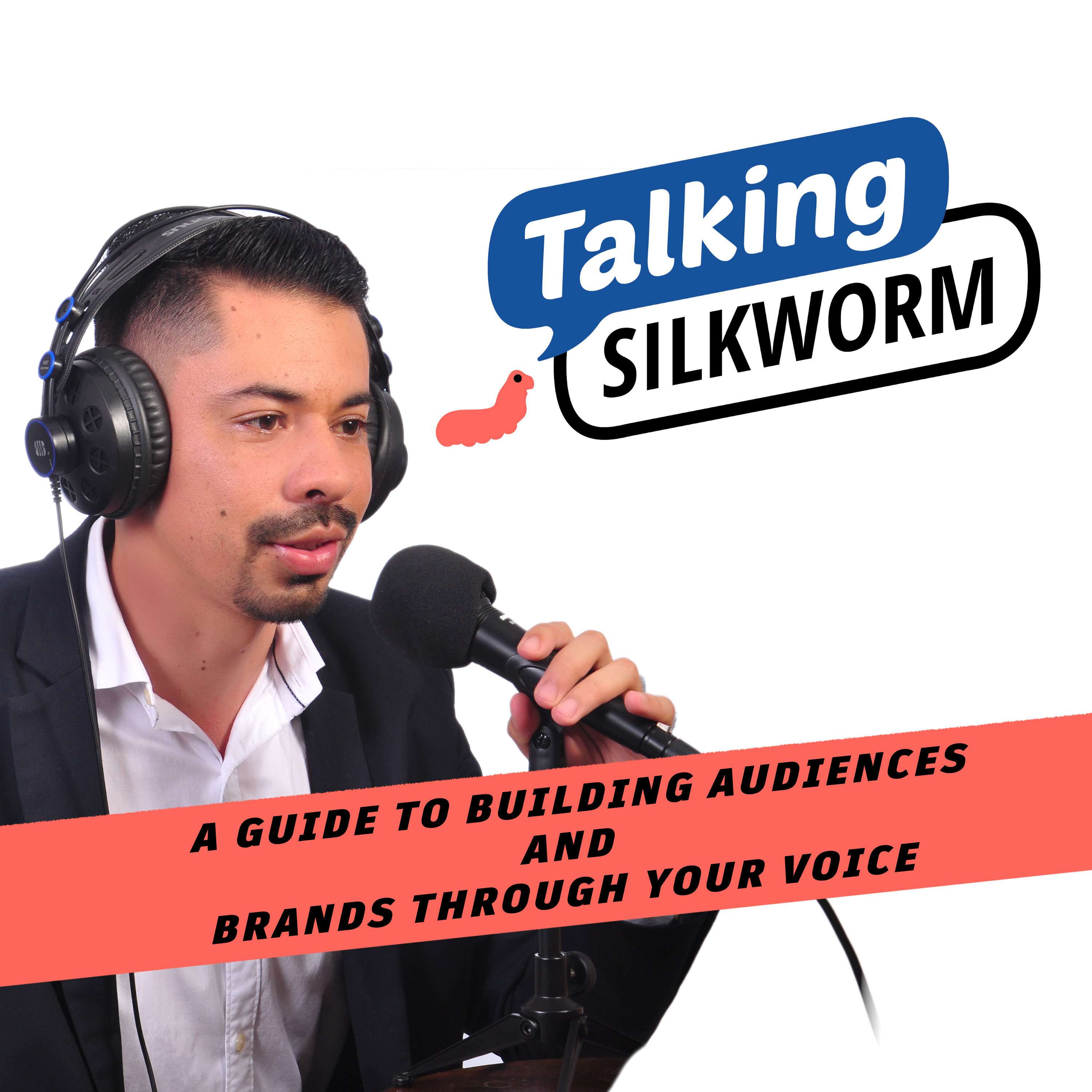
The Talking Silkworm Podcast
Talking Silkworm
lethal venom
Noah May