Bringing Up Business
Bringing Up Business is for entrepreneurs who want to scale business while showing up for their kids.
We unravel the mysterious“work/life balance” and share inspiring advice to help you succeed in your business and at home.
Hosted by self-employed business owner and mom, Kaila Sachse, you will hear real insights from other company leaders who know what it’s like to raise children and a business.
Our mission is to help you strategize and gain confidence as a professional and as a parent.
Published by Yumari Digital, trusted by small businesses for websites, graphics, and digital marketing. Because of Yumari Digital, entrepreneurs don’t waste time and money shopping for different contractors, figuring out how to launch paid ads or build websites, and learning software. Yumari Digital can lighten the load for you, giving you the freedom to focus on what you do best.
Bringing Up Business
Nonprofits: How an Emmy Award-Winner is Reducing Recidivism and Increasing Section 8 Housing
Use Left/Right to seek, Home/End to jump to start or end. Hold shift to jump forward or backward.
Cat Greenleaf, a former NBC host and four-time Emmy Award winner, shares her journey into starting a nonprofit called the Restorative Housing Organization, aimed at reducing recidivism rates and increasing housing opportunities for Section 8 tenants.
She also discusses the intersection of business and parenting, the challenges of balancing a career with family life, and the importance of understanding the complexities of substance abuse and incarceration. Cat shares what it was like to go from having a successful television career to founding a nonprofit aimed at providing housing and job training for formerly incarcerated individuals. The conversation also touches on the stigma surrounding Section 8 housing and the hiring practices within the nonprofit sector.
This episode is brought to you in collaboration with Podcasthon, the biggest charity Event in Podcasting world! There's no money involved—it’s all about raising awareness for various charitable causes. ❤️
More About Cat Greenleaf
Cat created and hosted NBC’s long-running series Talk Stoop—the celebrity interview show filmed on her Brooklyn front steps. Yep, the one with the bulldog that dominated NYC TaxiTV and USA Daytime in the 20teens. Over nine years, she hosted hundreds of guests, racked up four Emmys, launched countless adventures—and had so much fun.
Then she got fired. No fun.
After losing her job, she thought she’d never to go back to journalism. With no other marketable skills and no idea what to do next, she entered an epic dark night of the soul.
Looking for light, her family moved to the beach in Coney Island. There, Cat got serious about her own sobriety and began bringing recovery meetings to incarcerated and formerly incarcerated women and men. That work inspired her to found the nonprofit Restorative Housing Organization. RHO is dedicated to training formerly incarcerated men and women to renovate undervalued NYC waterfront properties, which are then rented to Section 8 tenants.
Restorative Housing Organization
https://restorativehousing.org
cat@restorativehousing.org
Podcasthon
https://podcasthon.org
This episode is in partnership with Podcasthon, the world’s largest charity podcast event!
Protect yourself with Build Safe Escrow
From hiring contractors to getting paid, Build Safe Escrow is your source for funds protection.
Disclaimer: This post contains affiliate links. If you make a purchase, I may receive a commission at no extra cost to you.
--------------------
📢 Support & Get a Business Shoutout!
https://www.buzzsprout.com/2426474/support
🎙️ Learn more about this show:
http://bringingupbusiness.com
📲 Send us a DM:
https://www.instagram.com/bub.podcast
💬 Text us:
https://www.buzzsprout.com/twilio/text_messages/2426474/open_sms
☕️ Buy us a coffee:
https://buymeacoffee.com/bubpodcast


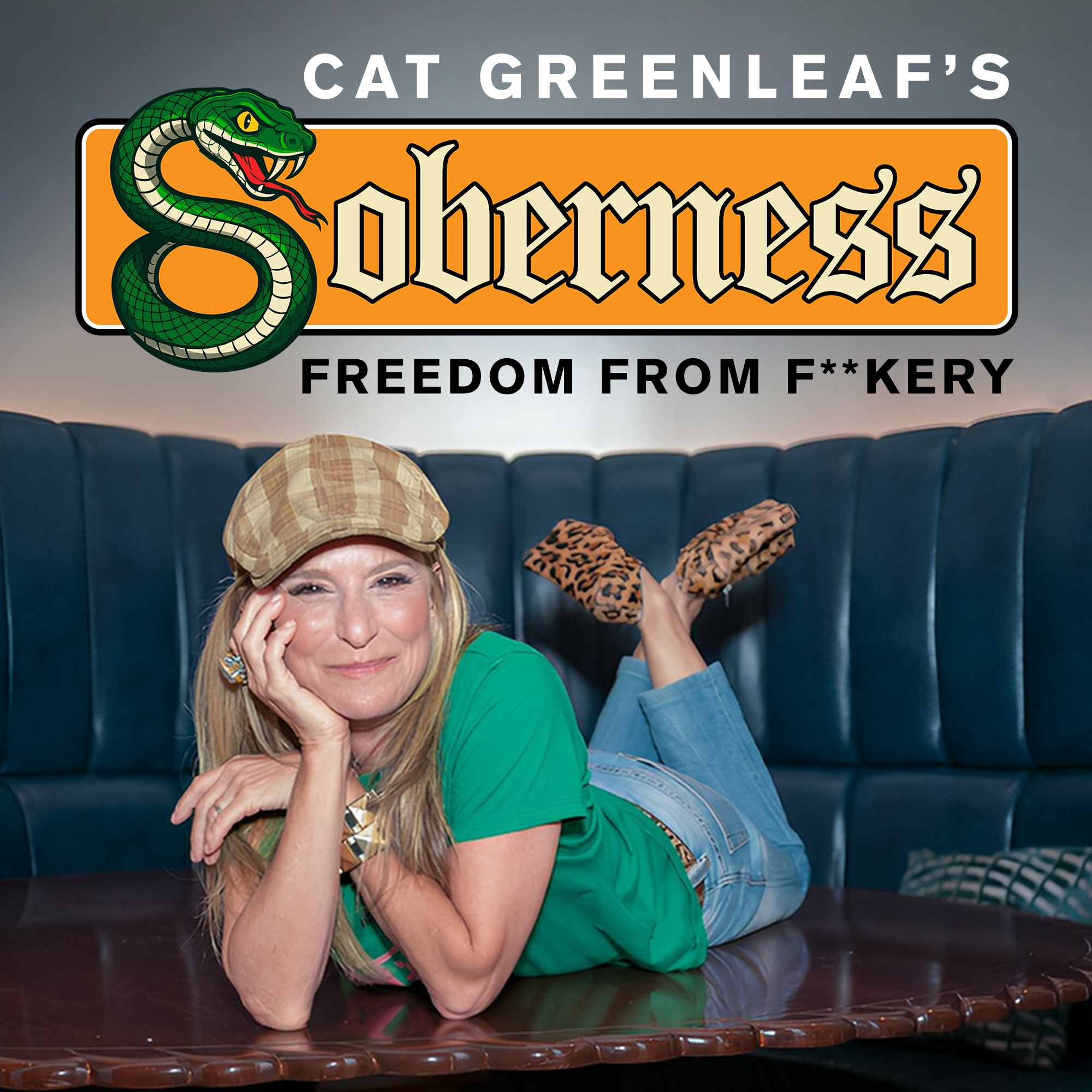
One thing that I have actually come to appreciate in the aftermath is that having a very, very, very clear mission statement. Ours was training. We want to train people with skills. the numbers are like, if somebody is unhoused or doesn't have employment in the first three years of coming out of prison, the recidivism rate is like, 78%, it's a lot. so I wanted to make sure I was helping that problem by both teaching a marketable skill and giving someone some housing. Welcome back to the Bringing Up Business podcast, where we talk about business and parenting. If you are new to the show, we are happy to have you here. Whether you have an idea for a business, you already have a business and you're planning a family, or you want to upgrade your existing business and family situation, our goal is to empower you with strategies and confidence. I am your host, Kaila Sachse I own a marketing and creative agency called Yumari Digital. Yumari Digital supports business owners with websites and marketing so that entrepreneurs can focus on what they do best. I am also a mom. have a two year old who I love spending time with outside in our garden. Today we get to sit down with Cat Greenleaf. Cat created and hosted NBC's nine year series, "Talk Stoop," the celebrity interview show filmed on her Brooklyn front steps. She racked up four Emmys. Then she got fired. Looking for light, moved her family to the beach in Coney Island. It was there that she founded a nonprofit called RHO, Restorative Housing Organization. RHO trains formerly incarcerated people to renovate waterfront properties, which are then rented to Section 8 tenants. She also started a radio show. called Soberness, where she talks openly on the radio about sobriety. Cat, welcome to the show. I'm glad to get to chat with you again today. Absolutely, thank you so much for having me. Yeah, yeah, so let's dive into your journey. Which came first for you, business or parenting? business. Yeah, tell me more. So I never wanted to be a mom until I was 37 years old. And my son was born three weeks after my 37th birthday, ah which my sons are adopted. So there's not so much exact planning you can do because you're at the whim of everything else. So many factors, not just your own time clock. So it did happen beautifully according to the schedule I had laid out for myself. But by 37, I was already knee deep into my career. And the funny thing is so many people said, oh, but your career is going so great. Why would you want to mess it up by having kids now? Which, of course, I didn't listen to. And as it turned out, I went from being just a regular features reporter on WNBC in New York. to because my son was at home coming up with this idea for "Talk Stoop" and then my career really took off and flourished. So it was definitely business first, but once my family was on the scene, it became very intertwined. Isn't it interesting how people were worried about what would happen to your career if you had kids, but then you have your kids and everything's fine. If not, things get better, things flourish. It's almost like, well, it depends on what your priorities are. Of course, my priorities were having a family and because I was born at a time and in a place that wasn't exclusive, I didn't have to choose one or the other. I sort of arrogantly, you know, the arrogance of my position in this world, right? I was born after 1970. I was born to believe that Women can do whatever men can do and a family and a career that just can go hand in hand. No question. So I did proceed with that arrogance and that confidence that I could do all of these things and lo, that is what happened. Maybe people who thought, why would you mess it all up now had a different set of circumstances than I had. Yeah, that's fair. It's always fair to consider someone's perspective, right? Where are they coming from? What are their life circumstances and all of the experiences that they've had that have led up to this point and this opinion of how having a family can affect your life. Yeah. And so it's so cool how you were able to honor what you wanted, right? You didn't listen to what other people were telling you about your own life. Instead, you leaned into what felt correct for you. And that's a brave thing to do. You know, funny you say that, I've been thinking recently about whether or not I am too single-minded or not single-minded enough. Meaning, as a younger person, I never sought counsel. I went right through it. Of course I can start my own show on a national network. Of course I can adopt babies just the way I said I wanted to. Of course all of these things are gonna happen. And of course they did because I was... completely without distraction and and never faltered for a moment because I had such a core belief that what I wanted to Take place would and I worked my butt off until it's so manifested later in life because life teaches you so many lessons in so many ways later in life I've come to ask a lot of counsel of people and and see what other folks are doing and and try to you know what I'm doing to what they're doing and should I be doing something else? Anywho, I'm not sure that's made me any better as a broadcaster or a business owner or a mom. Of course, sometimes it has, but the result has been that I'm now less confident in myself. I'm less confident ah because of all the things I've weathered as a person who's lived on the planet 53 years. But I don't think being less confident is more comfortable, you know, let being less confident has been the result of opening my mind to what other people are doing and other people's thoughts and ideas. In truth, I'm not sure if staying single minded wouldn't have been better, but that's not what Yeah, yeah. What do you think shifted from you having what you call a single mind to now being open to other people's opinions and ideas? Good question. Honestly, it's very recent, actually. So this summer, I have wrapped up like three instances where had I asked around a little more or double checked my gut against others, I think I would have avoided some pitfalls. So with that in mind, I... was away a couple weeks ago. And you know sometimes when you go far away when you travel, your perspective on everything gets to expand, shift just by virtue of being out of your regular routine. And I was away with my family and somehow saw myself for the single minded person I can be. And I thought to myself, this is such a big world. What makes you think you know for sure that X, Y, or Z is the actual real thing? And then I started looking at my life decade before decade thinking, wow, I've really done that quite a bit. And I think a result could be that I have shut myself off from things. So that was the shift to understanding that maybe my way isn't the only way. But if you're asking what made me shift from being uber confident in everything I did to opening up a little bit. I think it's the result of having spent this summer looking at three failures and being like, wow, you really blew that thing. Maybe you should open up. Failure and travel are the best, the best ways to expand our perspective. my gosh. We had an episode with Jelani Millard where we talk about the value of travel and how it really can open up our worlds, right? We don't realize how tiny we are thinking and how little we know about the world until we get out there. and we experience different cultures and different ways of being like, not everybody functions in the exact same way that we do. And we don't know that until we go out and see other people. Even if it's just like getting to another city, getting to another country, there's an even bigger advantage in that growth. Yeah, yeah, there's definitely a lot to be gained there. So there was a point where you worked for women in prison. What was that about? What did that teach you? I'll tell you, so I bring recovery meetings into women's prisons. I also bring recovery meetings to formerly incarcerated men and women. And when I say recovery, although I believe recovery is a spectrum and you can be recovering from anything, but in this case, it's specific to substances. I mean, that's the entry is that it's specific to substances and then the conversations that ensue are much broader. But why do I do that? I do that because I have been sober from alcohol for about 12 years. And as a sober person and just as a person, I realized that life can go sideways at any minute. And given the erratic behavior that I conjured up when I was drinking, I could have been in side of women's maximum security prison as an incarcerated individual. And I am obviously very grateful that I am not that and I feel it's a bit of a paying it forward to try to do what I can to help these I don't know, but I don't want to say help because that sounds very lofty. I'm opening up a little bit of space for them on a weekly basis to reckon with their own substance abuse issues and Honestly, just think substance abuse is the result of so many other factors in our lives. know, people were, a lot of the women in there obviously are perpetrators, but they are also victims. And I just feel like everybody is redeemable and everybody, I mean, this is not a religious podcast. My deep spiritual belief is that everyone is a child of God. And so their lives are no less important. than ours. Ooh, that's so beautiful to be able to see the human for the human that they are. And that includes all of the experiences that again, like led up to that point in their lives where they made a decision or a decision was made for them. Who knows what the circumstances were, but that led them into a situation that is unfavorable. It's so easy to sit on the high horse and be like, wow, that was dumb. Why'd they do that? But instead, let's focus more into, wow, what is this person's backstory? What did they go through? It's not like you wake up one day and you decide to do something that lands you in prison, right? So there's a lead up. of the people with whom I work did not wake up that day and decide to change their lives and that of their families for generations to come. You know, the ones that did, that's a different story only in that I'm less familiar with that, because I've not spent years plotting and planning a crime. But could be me. You know, if I had an abuser at home, if I was incredibly challenged financially, if I was ill mentally, I mean, there are a lot of things that lead us to the worst day of our lives. Yeah, oh, it's so beautiful to acknowledge that, right? We are all essentially the same. We all have the same capacity. Yeah, yeah. You mentioned earlier that substance abuse or abuse in general can be on a spectrum. What are some other abuses that you've seen or experienced? Well, power is one that gets easily abused. I think thoughtlessness is something that is actually an abuse of the people around you. so we were talking about earlier about this perspective shift that I had on myself And one of them is, wow, I'm always pretty clear on what I think about other people are acting, but lo! On the other end of this, people are really clear on how I'm acting and huh, maybe the way I've been presenting isn't at all the way I think I am being in this world. And then there's two ways to even look at that. One is who cares what anyone else thinks? Look, the second is it's a good reflection. Am I showing up on this planet the way I want to? And if I'm not, how would I know? I can see it reflected in others. So maybe I should stop thinking about my own thoughts so much and tune in a little bit to. how other people are reacting to what I say and do. again, that said, I go back to my earlier point about being single-minded. I've made so many decisions in this life that I see now are unpopular. Those include choosing to adopt children when I can have my own. I knew that since I was six years old that I was gonna do that. That was unpopular. Giving housing and opportunities to felons, ah people aren't that into it. Things like that. Now, I don't care what anybody thinks about how I feel about those things. it's it's a it's a double-sided coin. And again, this too is a spectrum like how much you're to care what people think, how much you can use that as a mirror, and how much you're to not care at all. I've had to mostly in my life not care at all. Because I'm now hearing in my 50s that my ideas aren't always standard. But well. of a blessing though, right? Like you get these unique ideas and you're able to give back to the world in a way that the world hasn't seen before or doesn't normally accept, but maybe it's needed. Gosh, I sure hope what I'm doing is needed, because every now and again, you know, I enjoy a lot of it so much that I'm like, who is this for? But therein lies the rub. You have to love what you're doing that much that you're not sure if it's for you or for them. Because if you're just serving, but you hate it, is that good? Are you spreading enough sunshine in the world? You know, just like other people deserve to be served, you also deserve to be served. And so, I've been thinking recently about the things that I've done that have really hit versus things that don't. And the ones that really hit are the things that I love the most, whether or not they're the most, Service-based or classically obvious, Yeah, yeah. And it makes sense too because when you are so deeply into something, into doing something, that can help you ride through the ick because there's bound to be ick when you start something, right? It's, and continue to run something. It can get difficult, right? You run into challenges. And if you deeply care about something, You can get through that ick more easily. Yeah. Yeah. Yeah. So let's talk about starting your nonprofit. What led to that decision? It sounds like it was an idea that you had, but where did that come from? What is it about? Yeah. Listen, I'm so like white and Jewish and guilty, if I'm honest. My family moved out here to Coney Island in 2018. And New York City is rarely thought of as a water town. know, it's a lot, you think buildings, concrete, steel. So we had this opportunity to move a little farther out from downtown Brooklyn, where we were living, to Coney Island, which still in the five boroughs. The beach is pristine. You see forever over the ocean. I mean, it is crazy that we're here in New York City. So I love it. like, I'm in Cali and when I think of beach, I think of Cali beaches or I think of like, know, somewhere in the Philippines or Thailand or something, gorgeous beaches. I don't think of New York. Right, right. So I feel so blown down that we get to live like this. And by the way, because it's a little farther out, you New Yorkers were all about convenience and time and how close to the subway we were. So, you know, I'm a 10 minute walk farther from the subway than maybe somebody that lives where I used to live in downtown Brooklyn, or someone who needs to have the subway right on their corner. But what you get in exchange for a slightly less convenient way of living is, my God, I live on this beach, this private beach. And because it's farther out, it is much less expensive, like by a third. I mean, is a third as expensive to live out here. Nobody in New York wants to live farther out, but farther out is relative. From what? From me, for me, rather, this is the center of everything. So I'm not farther out from anything. But anywho, so a few years back, I was sitting outside beholding the sunset over this private gorgeous beach and I think, Lord, it cannot just be for us. How do I share this? And so, my way of answering questions like that is I pray on it, not pray, that's the wrong word. I reflect on it. I meditate on it. go in and then I try to connect at work. so I was sort of asking how can I share this and the idea sort of arrived, restorative housing, and It's a lot to think I'm gonna amass waterfront properties for felons around New York City. However, what I can do, I figured is if I can find undervalued properties, I will be able to hire people to help me renovate. And that's something that's been my avocation my whole life. I come from a family of builders and I love houses and I love old houses and... I love the opportunity that a house represents for families, for employment, for preservation, anywho. So with all of that, I wondered, who needs the blessing of the water the most? And people who lived in cages is the answer that came to me pretty quickly. So I instantly started looking up formerly incarcerated organizations. and found a couple. And so simultaneously, I then, after looking at many, many, many weird watery communities in New York City, I found a place called City Island, which is a little teeny island off the Bronx, less than a mile long. It has, unlike the neighborhood where I live now in Coney Island, it has withstood. centuries of storms and floods and fires, as opposed to where I live in Coney Island, which has sort of burned down and flooded out several times over. so there's this vintage island in the middle of the Bronx, and there are some real old houses on those, and they're on the water. And so was lucky enough to find a little campus of three bungalows. And so we had had a little family farm upstate, and I sold that in order to buy City Island. And I wanted to test my hearing if my whole little equation would work. The equation being finding an undervalued property, hiring formerly incarcerated people to renovate it, and then to rent them out to Section 8 housing. Because in New York City, living anywhere on the water is a premium. And certainly, if you have a Section 8 voucher or any other kind of housing voucher, chances are you're not living on the water. But through this little formula, I can offer that. So I tried it out, self-funded the first time, and I learned so much, mostly from the guys. I had one woman on the crew, but mostly the guys, and I found trainers who were formerly incarcerated guys to impart knowledge onto our little work cohort. together we were able to renovate three houses and make room for three single moms and their kids and it worked and the formula worked. So then I thought, let me, this was before the idea of a nonprofit came into being. And I thought, well, let me get some, some investors. need investors. You know, I self-funded the first two projects and then I was out of cash. And so, I was looking for investors and a friend pointed out that perhaps a nonprofit would be a better way to go because then people could get a tax break. And I didn't need to personally own the properties. That was not a goal. I mean, I love owning properties, but this could be a separate thing. didn't have to add to our family portfolio or anything. so I applied for the nonprofit status and it happened like, like much quicker than I thought. So then that landed me in, oh my God, now I got to raise money. I have to. I figured out how to do this. And that sent me to my bed for two days straight crying because I'm really not a fundraiser and I don't love it. And I thought, how am going to do this in the New York Times, did a story on us. And so now I'm like, oh my God, it's really game on. I have to learn how to do this. We were fortunate enough to get a lovely donor who kicked me off into being able to do my first two projects as a nonprofit. And that brings us to now. And so now I have to... hire a fundraiser or figure out some way to keep funding this thing because I really believe in it. If you visit our website, there's a video and both the section 8 housing recipients and the guys who learn through our training programs both say how impactful they think that living and working on the water is. And that's really my goal. Yes, I want to create jobs for people. Yes, I love the idea of offering housing. but the water element is the blood that runs through it. It's such a special relationship when you live with the water that way. And for people who've lived a life of trauma, and I think anyone who comes out of the justice system has endured trauma. The trauma that led to them committing the crime, the trauma of committing the crime, and then the trauma of being incarcerated. So I'm not a psychologist. I'm no trauma expert. But I do know that having gotten over my own dark night of the soul here on the beach, I really want to be able to share that because my unscientific calculation is that anything you need to get over, if you can do it by the beach, it happens 33 % faster. Yeah. I love that. I love that. no, that was so valuable. Thank you for sharing your very important story. And I think there's definitely some things to explore there. So first of all, what was the nonprofit application process like? What did you need to provide? You said it was simple and fast. I mean, what do you think contributed to that simplicity and quickness? Well, full transparency, the simple-ness, simplicity was because I had somebody helping me out, a friend of my mom's. Yes, that was great. What we had to do was provide a narrative. We had to fill out some basic, you the basic questions. It doesn't, you don't have to be an incredible writer. And honestly, with AI, as long as you give it the points, it will help you. You don't need to be the one who writes every sentence. You know, so. but it's the filing, making sure you sort of go through the checklist. Did I provide this? Did I provide that? You know, in fact, I had a situation where I realized after everything came through and I got my designation, I forgot to tell the attorney general of New York state, like you just have to register and I just didn't. So then I did and fine, you know, but it's important to look it up, all the information to anything you want to do these days, right? Pretty much the information is out there. So. Look it up, make sure you follow what the right checklist tell you to do, check off the stuff, and that's that. How did it happen so quickly? I truly have no idea. And I mean quickly, like within six weeks. And I feel like that happened. mean, the New York Times article did come out and maybe they saw and they're like, oh yeah, she's real. I don't know actually, but I wasn't pushing back on it. Don't look a gift horse in the mouth, as they say. Yeah, yeah, yeah. So it sounds like if someone's trying to start a new business, particularly a nonprofit, it might be wise to seek counsel of some sort, whether you go through an automated service online that can do that for you, or you go through an actual human being who knows what they're doing. That could be helpful, right? So you make sure you get all those tick boxes checked off. Yes, a thousand percent. And I think One thing that I have actually come to appreciate in the aftermath is that having a very, very, very clear mission statement. Ours was training. We want to train people with skills. the numbers are like, if somebody is unhoused or doesn't have employment in the first three years of coming out of prison, the recidivism rate is like, 78%, it's a lot. so I wanted to make sure I was helping that problem by both teaching a marketable skill and giving someone some housing. Now, I will say that the heartbreak of my program so far has been, even though I think we pay a great wage and even though I try to keep the programs going as long as possible, the projects rather, going as long as possible. We're so small that the impact isn't as great as I'd like it to be. Meaning I would love for, if I have a six week project, to be able to pay someone enough and give them solid enough housing that they don't have to go to the streets when they're done with work for the day. But in truth, the need for so many people coming out of prison is so great. The financial need, the family obligations, all these things that I'm not able to do enough now. The light side of this coin is, you're doing something and that's better than nothing. And while that's true, I do see that I need to scale in order to have the impact I'd like to have. There's a group out of Seattle doing what I want to do very well. They're called weld, W E L D, which is an acronym for something I don't recall, but they grew out of a family business and then saw the need and were able to address it. And they've really been able to put a lot of money and effort behind it. And now they, they, They teach a lot of people, they house a lot of people, they do some great work. So that's been sort of a beacon for me and something I'd like to get to. But again, when I'm up at night wondering if I'm doing enough for this world, at least I'm doing this little bit to start with, it's like the sourdough ball starter, right? I've got my little sourdough pinch and now I need to bake the loaf. I can imagine there are a lot of stigmas against people who have been formerly incarcerated. It's unfortunate, right? If they're trying to go out and get a job, someone looks into their history, they see a criminal background, and it's almost like an instant no, right? So what do you think that's about, and how do you think we can better think of people who were formerly incarcerated as being fit for work. Well, I will tell you this. I'll start with the last one first. Prison is really hard to survive in. And these folks who survive prison know how to do anything. They can figure out how to make anything happen. Necessity being the mother of invention, they've had so much necessity there in prison. It's so hard to get anything done. So I have enjoyed working with... formerly incarcerated contractors because they have been able to help me solve construction issues that would have taken me a really long time to puzzle out. And they're scrappy and they're grateful for the work. And so in my experience, hiring formerly incarcerated people can be a real win. So I would share that with folks. If you're saying, how do we change people's opinions? There's one story that I do find their scrappiness and gratitude to make them really good employees. Look, in general, I think it's a matter of being a little less judgmental, right? I mean, we all judge books by their covers. and that's just innate. In recovery, there's a sentence something about like, you're not responsible for your thought. You are responsible for your action though, And so even if someone crosses your path and you instantly judge them on the tattoos on their face or whatever, okay, but now let's take a step further. Maybe they're also a great person. Maybe it has nothing to do with what's on their face. And maybe there was a really good reason they got involved in what they got involved with. Or maybe they were young and stupid or who knows what. but I think we all will benefit from remembering this shoe could always be on the other foot. Always. Anything could happen. Those of us who feel so confident in our savings accounts or our missions in life, our stations, change overnight. Look at the people, you're said you're from California. The fires. mean, one minute you're living in your fat Pacific Palisades pad and the next minute you are homeless. Yep. real. my insurance was lapped that week and now I don't have insurance. Oh, I didn't have anything else, but this house is my retirement. You know, so anything could happen wherever you see yourself in the socioeconomic scale. Oof, preach sister, preach, seriously, because I see how people react to homelessness as an example. And it's so quick to judge and just be like, why did they do that to themselves? Oh, they deserve it, whatever, whatever. But in reality, it could have been as simple as, hey, house fire wiped out the situation. That's just one example. lost a job, lost a child and then went crazy. I mean, who knows, you know? I also always feel like I need to add, I have not been the victim of violent crime. I've not been the victim of financial crime. I've not been a victim. So I do have this like openness in my heart toward people who've, committed. crimes cause great harm. I'm not saying it should be as easy for everybody as I have found it so far. my experience has allowed me to feel the way I feel. So I certainly wouldn't knock anybody else if it's not as easy to come to. Sure, sure. That's important to acknowledge, absolutely. And there's also a stigma against Section 8 tenants. So that sounds very specific. You want to cater to that grouping of tenant. Why is that and how is that helping? Okay, so. Just because you're on Section 8 does not make you a bad person. In fact, it makes you smart because if the money is there, if the government benefit is there, and you can use it, figure out how to use it. And it's actually pretty hard work to haul the paperwork and the appointments, the things you have to do to get your Section 8 status. people may have... some bias against a Section 8 tenant, I think any tenant can be a good tenant or a bad tenant. I've been a for-profit landlord. I'm still a for-profit landlord, by the way, but I mean, I worked with not Section 8 tenants for years. And if they decide to not pay you, they're just not going to pay you. If they choose to give you hell about every little thing in your apartment, they're going to do that. The beauty of Section 8 for a landlord and You know, I always have to point out I am not an altruistic landlord. This is how we make money. The government always pays. The government always pays. If you have to evict a tenant, the government's still paying you for the eviction. And because we've invested so much of our money in our nonprofit, I need to make every dollar from our real estate business that I can. And I don't have even a month, actually, of buffer if somebody chose not to pay. So there is some protection for me as a landlord in doing Section 8. You're not just issued people. You pick your tenants. It's the same process really as just having another tenant. And then I love the added benefit of knowing that people who definitely would not be living on the waterfront in New York City otherwise now are. So that for me is just the fun part. But the business part is the government is my tenant. in that they're the one that pays me and that is rock solid And I try to pick tenants that I trust as I did before when tenants were paying their bills themselves. Brilliant. That makes sense. You still have your tenant, but you have the government as your guarantor. They are the ones putting the bill. Brilliant. So thinking about your hiring process within your nonprofit, how are you choosing the people both on your admin team and your contractors, your boots on the ground? What does that process look like? Well, my admin team, the entirety is right here. I am my whole admin team. So, but I have hired people along the way. You know, I have somebody that helps me edit my videos. I have somebody that does the website. So, Smart. Well, those folks don't need to share the spirit of what I'm trying to do. It's always nice. I've never been able to pay top dollar for anything. So I try to work with people who are substantive and good at what they do, but charge a fair price. But I also, by the way, like to pay people. You know, with all the different AI programs you can use for graphics, for writing for information seeking. People are like, see, you don't even need to hire anyone. I like to pay people for work. So I try to pay people who I can. I think I have a lot of mixed feelings on AI. And so in the meantime, until I figured it out, I really like to pay folks for good work. So I find people that I like to pay, people who I feel like deserve it. And then for my guys and it is I say guys because I've offered a lot of these construction jobs to women and so far Oh, I've only had one across all the projects I hire people who A. show up The way it works is I go through like an agency, right? An agency that deals with formerly incarcerated people. So like if I was going through any employment agency, I tell them what the job is. They tell me who the candidates are. I agree to see everybody, but out of that everybody, usually only 50 % shows up. My jobs are really weird. They're a little farther out of town. require a willingness to be outside and to learn, right? Because we're really about a learning program. So now everybody wants to do that. Some people are like, I know my trade, I don't need you. OK, then you're not a good hire for me. My hire is both a student and a worker. So um it hasn't been hard to find people because they make themselves evident pretty quickly. yeah. You're ultimately looking for somebody with a learner's mindset, not uh a know-it-all. This is my lane, that's your lane. Yeah, yeah. Yeah, beautiful, beautiful. Well, Cat, I'm so excited for the future of RHO. I sincerely love and appreciate what you're doing, both for your community, but the community at large, because this does ripple effect, right? I firmly believe that how we treat ourselves and how we treat other people definitely affects someone on the opposite side of the planet. just, it's all vibrational. This is a little woo-woo and I'm getting out there, but that's just what I believe and that's been my experience so far. So thank you for what you're doing. Yes. over this weekend and her last name is Wu and she brought her husband and I hadn't realized she's WU and he's W-O-O. So when she got married, she became Wu-Woo I love that. Yes, woo woo. It's amazing. I'm glad she took that opportunity. That was a good one. Yeah. Thank you so much for having me. It's been really good talking with you. Of course, same Cat where can people find you whether they want to help with funding or they want to help with the work or they just have a question, where can they find you? our website is restorativehousing.org and that's just like it sounds. I'm Cat, C-A-T, at restorativehousing.org. And then in my sobriety work, the show is called Soberness. So that's at soberness.com. And I'm also Cat at Soberness. So depending on what your question is, pick an email any email. Thank you so much for your time. I really appreciate it. Thank you. We'll talk again.


Podcasts we love
Check out these other fine podcasts recommended by us, not an algorithm.

Marketing Team of One
Page Design Group
Restaurant Rockstars Podcast
Roger Beaudoin
Head Heart & Boots
Floodlight Consulting Group, LLC
In My Daddy Era: Confessions from a First-Time Father
Richard Dodds
Pay Me In Plane Tickets
The Wapechi Collection
Design+Style
Design+Style