The Okotoks Podcast
The Okotoks Podcast is your ultimate guide to life in Okotoks! Hosted by Carlin Lutzer, a professional realtor and proud Okotokian, this podcast brings you stories, insights, and conversations about what makes this town just south of Calgary such a special place to live. Whether you’ve called Okotoks home for years or you’re just getting to know the community, this podcast is your connection to everything happening in town.
From local businesses and real estate trends to community events and hidden gems, The Okotoks Podcast celebrates the people, places, and experiences that define life here. We talk about what it truly means to be an Okotokian, cheering for the Dawgs and Okotoks Oilers, sharing firsthand perspectives from those who shape the town’s unique identity.
And, of course, we can’t talk about Okotoks without mentioning the legendary Big Rock, an iconic landmark that serves as a symbol of our strong, growing community.
Join Carlin Lutzer as he explores the heart and soul of Okotoks, bringing you engaging interviews, local insights, and everything you need to stay connected to the place we proudly call home. Whether you’re looking for the latest news, local recommendations, or just a reason to love Okotoks even more, this podcast has something for you!
The Okotoks Podcast
What Does Remembrance Day Really Mean to a Veteran?
Use Left/Right to seek, Home/End to jump to start or end. Hold shift to jump forward or backward.
What if Remembrance Day wasn’t just a date on the calendar, but a call to action?
Carlin Lutzer speaks with Canadian Forces veteran and trauma recovery advocate Mark Meincke.
Mark shares raw, eye-opening truths from his service in the Balkans, his struggle with PTSD, and the deep failures of the systems meant to support veterans and first responders.
He also reflects on the stark reality behind Remembrance Day and the performative way it’s often treated.
Through his work on the Operation Tango Romeo podcast, Mark is helping survivors navigate the long road of healing, one brutally honest conversation at a time.
This episode sheds light on the invisible battles veterans continue to fight long after the guns go silent.
Listen for:
3:43 Why did Mark end up in combat when he wanted to be a medic?
10:21 What happened during the biggest Canadian battle since Korea that no one talks about?
14:40 Why do many veterans feel disrespected on Remembrance Day?
19:49 Did Veteran Affairs actually offer assisted suicide to veterans instead of help?
36:17 What one mindset shift helped veterans save their families?
Connect with Guest: Mark Meincke
Website | Why Not Me Book on Amazon | LinkedIn | Operation Tango Romeo, the Trauma Recovery Podcast| Instagram| Facebook| X
Connect with Carlin
Flanders Field Read (00:04):
In Flanders Fields, the poppies blow between the crosses row on row that Mark our place. And in the sky. The larks still bravely singing fly scarce, heard amid the guns. Below
Carlin Lutzer (00:56):
Today's episode is one that will make you pause, reflect, and perhaps see remembrance day in a way you never have before. My guest is Mark Meincke a Canadian armed forces veteran and host of the podcast Operation Tango Romeo, which focuses on trauma recovery for veterans and first responders. In this conversation, Mark shares his personal journey from military service to dealing with PTSD and how that experience drove him to help others find healing. He opens up about the failures of the system meant to support veterans, the lasting impact of trauma, and the importance of remembering those who served, not just on November the 11th, but every day. I encourage you to listen to the entire episode, and by the end, you may not look at Remembrance Day or the people at honors the same way again. Well, Mark, thank you so much for joining me today.
Mark Meincke (01:58):
Glad to be here. I appreciate the invite
Carlin Lutzer (02:01):
And we have a lot of ground to cover with you because you are a fascinating individual with lots of life experience. And what we're going to talk about today is Veteran Affairs, and we also want to talk about Remembrance Day. Now, it's interesting, certain things throughout the calendar year, people and different people groups get certain highlights or whatever, but we certainly, as we were releasing this podcast on November the 11th, 2025, it is a time in Canada that we focus in on our veterans. But unfortunately, I feel that the rest of the year we kind of forget about our veterans and what transpires with our veterans and what goes on. And that's a big reason why I wanted to have you on this podcast because you are bringing to light on a regular basis what is happening with our veterans. And first of all, Mark, thank you for your service, and not only when you served overseas, but especially what you're doing now and with your trauma Recovery podcast. So it's very, very important and appreciated from someone that's starting to dive into the Veteran Affairs. So thank you very much. You bet. Mark, I'm wondering if you can give us a little bit of a background as to who you are and what you've done and a little bit of your service and what led you to become a part of dealing with trauma inside of not only veterans, but also first responders as
Mark Meincke (03:43):
Well. Well, when I originally decided to join the military, I wanted to be a medic, and I could have sworn they said, okay, yeah, you, you're in and you're shipping out on February 11th, and that was 91. And I could have swore that's what they said, but when I don't hear the date was getting closer and I hadn't heard from 'em, I went back to Canada Place in Edmonton and said, is there anything I need to know? And the guy looked at me, he says, oh, you misunderstood. You competed for the position, you didn't get it. And I'd already had the going away party. So I said, well, I'm going, so what else do you got? Absolute music to a recruiter's ear?
(04:34):
And he says, well, we have an infantry slot coming up. I said, I'll take it. What is it? And I didn't really know. So instead of being the person that patches people up, I became the killer, the person that puts holes in them, which is not what I wanted, but I already had the going away party, so I'll take whatever you got. And the biggest reason that I said yes to that was it was a real simple math. I asked him, well, is that the hardest thing that you can do in the military? He's like, yeah, other than special forces and stuff, which you don't go directly into, but yeah, that's the hard stuff. And I just gave it a quick thought and I thought, well, if I'm going to do this, why piss around? If I'm going to do it, let's do it and let's see if I can make it.
(05:29):
Let's see if I can survive the gauntlet. And I joined as an instrument. So that was rough on me, the helper. I'm the help helper. I want to help people not kill anybody. But that was the job. So a few years into it, the Balkans came in and it was the first time that Canadians weren't on a peace mission, that we were in a more of a combat mission. We've been a peacetime army forever. And the only tour that anybody was doing was in Cyprus. Now Cyprus, it was basically a beach vacation by the end of it. It wasn't always like that. Earlier on in the seventies, it was a dangerous place in the sixties and seventies. For a while, some of the tours were actual more like a combat tour, but by that time in the nineties, Cyprus was just a beach vacation basically.
(06:41):
So everybody wanted to go to Cyprus. But in the dissolution of the Balkans, that was a combat mission. People don't really make that. They think about peacekeeping, and they probably have a vision of us giving out candy to children, which did happen here and there, but it's a war zone. So you're in the middle of a war saying, no, you stay over there and you stay over there and you're dead in the middle. It's the worst kind of tour that a person can do. It's just brutal because it is a war zone and you're handcuffed.
(07:19):
So the rules of engagement are what you're always thinking about. So I was shot at lots of times. Lots of us were, and you're not quite sure what to do in response. There had to be what we called fire with the rules of engagement. I had at one point RPG pointed at me and a rifle to my head once or twice, and you're just not quite sure how to respond. Whereas in a combat mission, you just respond, you mess around, you find out, and it is simple. So people are a bit more polite, either fighting or we're friends. There's really no in between there.
(08:08):
But on a un mission, I'm always worried, okay, if I respond and it was the wrong call, am I going to jail? So yeah, they're tough tours and a lot of the things that were happening there just crimes against humanity. It was a genocide. People call it ethnic cleansing, which is a euphemism for genocide. It's really splitting hairs when you use the two terms, but it's not a pretty site. It's not a small thing. It's entire villages were slaughtered entire villages, man, woman, child. They even killed the dogs like everything's dead. And because of that, and your hands are tied and you're trying to help and you're trying to stop the slaughter, but you got the rules of engagement and you're just in this impossible situation. So a lot of us didn't make it out of there unscathed. A lot of us are still carrying that weight today.
(09:17):
I was there in Croatia in 94, so the war was about 91 to 95, and that was like the official war, still a dangerous place after 95, but that's when things were hot. But 91 to 95 or 92 to 95 actually. So about three years. And I was there in the middle one year prior to me being there was Meac pocket, which every Canadian should know, but they don't. Meac pocket was a battle, the biggest battle since Korea. And basically it was the Canadians in the middle. I think the French were there too, but they ran away. They're like, oh, this could be dangerous. We're out of here. So it was just the Canadians saying, no genocide today, just no. And the Croatians said, well, we really want to slaughter this serve village though in Meac. And the Canadian said, Nope, nope. Enough genocide. We're just, no.
(10:21):
So they dug in, they dug trenches, and they fought for days. Not one dead Canadian. The death numbers on the Croatian side, nobody knows for sure. I think the official number, if I recall correctly, is a long time ago, but I think the official number was 37 dead croats. But I know one guy personally with a machine gun that mowed down about 60 of 'em. So it wasn't 37. The best guess is from the best sources that I could find, probably about 250 dead crow adss. So a lot, it was carnage, but not one dead Canadian we're just that good, I guess. And we were outmanned outgunned.
(11:07):
And the ugliest part is the Canadian government pretended that it didn't happen. So other countries are running away. The Canadian stayed and the government pretended that it didn't even happen. So everybody that fought in that battle, it was like a four day battle, if I recall, instead of being honored instead of maybe don't need a parade. But they certainly deserved one. They pretended that it didn't even happen and just grotesque certain, the government has a certain image of what a peacekeeper should be, and that didn't jive with being a war fighter, which they were. So my tour was exactly one year after that in the same area. And so it left a Mark. When you are walking in the footprints of the devil, you feel it and it sticks with you. And so all these years, I went 23 years without being diagnosed with a post-traumatic stress injury.
(12:18):
And I say injury because it is an injury, not a disorder. It's an actual neurological injury that you can see in a pet scan. So 23 years later, that brings us to 2017, and I finally reached out for help. And when I reached out for help, which was the hardest thing I ever did, it was tougher than getting shot at. I tell you, two years after that, I decided to bring people along with me on the healing journey. I just felt that it would be important to share it. People don't know what to do. Everybody's lost, and I was lost, and everybody around me was lost. It's like, I don't know what to do. I don't know how to overcome this. So I said, well, as I discover things, I'm going to share them. And I started Operation Tango Romeo, the Trauma Recovery Podcast in 2019.
(13:11):
And so I'm in the seventh year of that now, and it's over 98 countries are tuning in, and it's the biggest, the world of its kind. And unfortunately, probably the only one that's really, that I've been able to find that does what I do, which is an aggregate for healing modalities, everything that I can find out there from psychedelics to peer support and everything in between, anything that works better than the system because the system sucks, it just isn't very good. And people aren't being helped. Only between 12 and 16% is the official success rate at the Operational Stress Injury Clinic and American Veterans Affairs, it's the same numbers between 12 and 16%. So that leaves at least 85% of the people in the wind not being helped. The system is failing them, and the suicide rate is off the charts. It's way higher than what's actually purported reported. So that's why I do what I do, try to bring down the suicide rate, try to pave a path for people and meet people where they're at. So whatever resources you're interested in, chances are I've had a conversation with somebody. So you type Operation Tango, Romeo into the search engine, and then whatever topic you want and you'll find an episode.
Carlin Lutzer (14:40):
So when it comes to Remembrance Day, is there a little bit of a part that you're a little bit ticked off with the government as
Mark Meincke (14:51):
Year? Every year? I'm pissed
Carlin Lutzer (14:55):
Because it's a big show, November the 11th, and we got this show going on for these people that have fallen, but yet you guys are forgotten. It's
Mark Meincke (15:10):
A show, it's a theater.
Carlin Lutzer (15:12):
It's
Mark Meincke (15:13):
Ironic. We don't even get a full day what's Remember day. It's like a couple hours. We get a couple hours a year, whereas there's other demographics, they get a whole damn month, but we get a couple hours. That's it. And some of the challenges that we're up against is that people consider World War I and World War II to be a veteran. Now, that was a big deal when I was a kid because I'm 55 now, and when I was in my teens in the eighties, that was a hell of a lot closer time-wise to World War ii. But now it's such an ancient echo. Most people younger than us have never met a World War II veteran, whereas I'm related to them. Both my grandparents were World War II veterans, and so it meant something more. Now it's just more of an idea. But even last year's Remembrance Day ceremony, I was cranky and I made sure that I shared my crankiness with everybody that put it together, but I wanted to fix it. I wanted to do something about it. Because basically the way that the speakers that got up there were talking, if you're not in World War II or one, you're not a veteran. I'm like, what are you talking about? What about Korea? What about the Balkans? What about, there's just so many engagements. What about Afghanistan, u a-holes,
(16:53):
All my friends that served in Afghanistan and all the people that have died and are. So I wrote a piece of why we remember, and it's to remember the living as well as the debt to remember those that have survived. Why I do what I do. I don't get paid for the show. I haven't made any money. I have sponsors and they've paid for equipment, but I haven't cashed in other than a few speaking gigs that I do. I like to do speaking gigs.
Carlin Lutzer (17:28):
You gave me a lot there at the start, and I wasn't ready for, wasn't ready for everything that you unpacked. And then all of a sudden, yeah, it dawned on me. I bet you these guys can't stand Remembrance Day just because of the show that it is. I
Mark Meincke (17:45):
Mean, it's a show. Yeah, that's where I went off. It is a show and it's bullshit for half of it. The politicians use it. Not all of 'em. There's some great politicians. Blake Richards is a buddy of mine. He's the shadow minister of Veterans Affairs. There's some good people. John Barlow in your writing, he's a personal friend. Love John, great guy. So I don't want to paint everybody with the same brush, but all in all, were used as a photo op. And that's, that's almost everybody's opinion. We're used as a photo op by the government. But when it comes to actually helping us, you probably remember the new story about veterans being offered medical assistance and dying instead of help. Well, I broke that story, and now, right now, Kelsey, Sharon is carrying that torch and doing a wonderful job of it.
(18:51):
So that actually happened. It was policy. The government keeps saying, oh, it was just one rogue agent. Well, I've proven that to be wrong, but they are pretending that I don't exist now, because after I testified in Ottawa, they're like, whoop, we'll just pretend that didn't happen. But I've proven that it was policy. It's a lock. It was 100% policy, and they were offering to kill us what we'd call for help, and they'd offered to kill us. It, it's unimaginable just beyond comprehension, which is why so many people, cognitive dissonance, understandably kicks in and they go, that's impossible. That must be a misunderstanding. It took me two years to accept it, at least two years for my brain to wrap around it. But it's just that simple. We would call for help and they would ask to kill us. Would that help? Would it help if we killed you? We could do that for you if you like.
Carlin Lutzer (19:49):
How would they word that?
Mark Meincke (19:53):
I just had David Zer on the show just a few months ago, and the way he described it was just like this, okay, David. Well, now we've tried all these things. They don't seem to be helping you. And just keep an open mind. Don't freak out. I'm just throwing it out there. Not suggesting that you do it, just letting you know it's an option. Have you ever considered medical assistance and dying? We can hook you up with that. And he's like, what are you talking about? Well, it's assisted suicide. So better than blowing your brains out against the wall, we'll do it for you.
(20:37):
And that actually happened. That's how the conversation went with David Bolter. And that made national and international news for a reason. When veteran number one came forward with that, he came forward to me, didn't want me testifying in Ottawa. Actually. He was mad as a hatter about that, that I did that. But I never said his name. And I never have. And I never will. But I've have all these other veterans, one that he just uses his nom Deger, his alias Bruce. But I had him on the show and he testified and on my show, and then Christine Che, who just testified in Ottawa again, they just called her a liar when she says, yeah, I was offered made too. They just called her a liar. And they say, oh no, we want you to come forward. If you're offered made, we want to know.
(21:35):
Well, Christine has come forward, David Balzer has come forward, and they ignore them. They pretend that they don't exist. So yeah, our current government, and I'm not partisan, when Jeanette Petipa Taylor was the, for two months was the Minister of Veterans Affairs, she's a liberal, I don't care. Just do a good job. And she did. She was great. Everybody within our little community, the veteran community loved her that interacted with her because she actually showed up and she tried to learn the file and tried to understand us. And she was great. And I damn near had her on my show. We were just days away from getting it over the finish line. She was fantastic. And then it disappears. And now we've been through two ministers since then. And the one that we have right now, Jill McKnight, just completely useless. I've reached out to her office several times. I don't even get a reply, so she won't even tell me. No, it's just disgusting. That particular seat, minister of Veterans Affairs is considered the toilet bowl prize in politics. Nobody wants it. And I don't know why that is. Why is this the lowest of all the chairs in cabinet? It's the toilet bowl prize and it's a hot potato. Nobody seems to keep the job for more than a few months. And then since I started down this road in 2017, there's been what, seven ministers it, it's bonkers and most of them. And McCalley was just useless and horrendous and not an honest person. But yeah, so that's what we got.
Carlin Lutzer (23:29):
So I'm wondering if we can back it up a little bit. What is it that lured you to get into the Canadian military? What was it that was the incentive behind it for you?
Mark Meincke (23:44):
Well, I was a dingdong in high school. I was just a tourist. I didn't engage at all. And a lot of childhood trauma, which I didn't know until years later that that's what it was, but it presents as a DHD, but really it's childhood trauma. So I couldn't focus. I grew up in a lot of violence like a lot. And so after high school I thought, geez, I burned that up. Boop, the bed here, so I better do something. I was working at Tim Horton's donuts in my skin type purple polyester pads. And so I thought, shit, I better do something worth doing here. I got to kind of, some people go and get a university degree. I decided to join the military. I knew it was a three year commitment. And just in broad strokes, at the end of those three years, I'll be better off than if I had never done it.
(24:54):
As far as building a life and building a career and having some credibility. I don't have high school transcripts to say, Hey, this is a good guy, but if I can get a few years of regular forest service, hey, that's pretty good. I considered that would make a good foundation for building a life, building a career. So I just did it. And plus both my grandparents being veterans, I just kind of felt like, yeah, I should probably contribute and serve and do my part. And just before I actually joined, the Gulf War broke out. And I dunno if for anybody our age that remembers that, we thought it was going to be World War ii for sure. We thought this is it. And so when the Gulf War broke out, then that sealed it for me. It's like, well, I got to do my bit for Queen and Country. So I joined during the Gulf War and it was over by the time I was done. Basic training,
Carlin Lutzer (26:07):
Right?
Mark Meincke (26:08):
Yeah, for sure. But then the Balkans lit up while I was in battle school and And we stayed in the Balkans for a decade.
Carlin Lutzer (26:21):
So you come home from tour, you have a lot of traumatic events, and I didn't know that PT SD shows up on PET scans. That's unbelievable.
Mark Meincke (26:35):
It's actual neurological damage.
Carlin Lutzer (26:37):
Yeah. Yeah, I didn't know that. Fascinating. What kind of things are implemented? Are resources given to you? Is a brochure given to you when you get off the plane and sent home or what is it?
Mark Meincke (26:53):
Swift kick in the ass. I decided when I got back, because after being in a war zone and seeing the desperation and realizing that if anybody wanted to go to college from that environment, I mean the whole family would have to get behind it. It's not like in Canada, if you want to go, you just go get a student loan and go. But if there's somebody who's going to go to college or university, the entire family would have to skip a meal at a day and all the aunts and uncles and cousins and everybody would have to pick the best and the brightest and throw all their resources behind that one person and send that one person. It just wasn't accessible. It was a war zone. And I realized that, and I thought, I live in a pretty small world. I want to live in a bigger one.
(27:44):
I want to learn. So I decided, and I knew that I had shit the bed in high school. So I just made the decision, I'm going to college and because I should, I can. So I should. And when we got back to Canada, I put in a memorandum saying, Hey, can you put me on garrison duty? So not ship me out to the field just so I can upgrade some high school. And they said, no, you're a good soldier. We're going to keep you in the field. So I replied with my release papers and I ended up breaking my second contract, their two, three year contracts is how you started. And so I was in the middle of the second contract and ended up with four and a half years total. It was about a six month process to get out. But even while we were still in the war zone, and when we came back to Canada, I was very symptomatic, wild temper, but anything would set me off at the drop of a hat, no emotional regulation and binge drinking.
(28:53):
It was just wild zero impulse control, wild, wild risk taking. So I was injured already and I just didn't know it. And nobody was talking about P-T-S-D-P-T-S-I back in the nineties. So it was just tough cookies. And I was a high flyer. I was presenting symptoms more than my peers. I had an extraordinary amount of near death holy shit experiences during that tour. And also the, I guess you could call it sanctuary trauma of being betrayed by our own leadership was a rough tour when it came to leadership. We were treated like crap by our own people really, really bad. But I was a mess after that tour and super duper symptomatic. And even when I went to college, I took the police and security program at Grant McKeen and Edmonton, and I was a square peg in a round hole man. I just did not fit. And I was wild. I was just wild.
(30:15):
And there was no resources. That was your question. What do they do to prepare you to help you transition into civilian life? Zero. Nothing. Because if they knew better, they'd do better, but they didn't know better. Now they have processes in place and they try to do better and they try to. There's an actual transition process now, and there's resources now and not sufficient, I wouldn't say. But that's also where my show comes in, where I try to help people understand the mentality of how their brain works, especially after a tour and how that clashes with the real world and how to navigate it. So I cover that in the show as well. And then all the different resources
Carlin Lutzer (31:12):
For sure. So you're providing some resources that come available and just conversation because you watch all the TV shows and the first responders, the military people, it's a process to get them to a point where they're willing to sit down with anybody and talk to 'em about it. Most don't.
Mark Meincke (31:38):
Most never asked for help. Well, I went 23 years without asking for help for a couple of reasons. One, I didn't think I was the problem. I thought everybody else was the asshole. And as it turns out, everybody else is an asshole. I got to look in the mirror, probably me, and was the train wreck of my life. I just didn't do the math that, oh, this is because this is my fault. It's like this is happening. And I sure never thought that this is because of a neurological injury. I mean, we play the trauma Olympics in two different directions. We either minimize or we maximize. And that's certainly what I was doing. I was minimizing. I was like, there's no way. No way. I got this PTSD thing because of my service. I wasn't storming the beaches of Normandy here. How could I possibly have A-P-T-S-D from what I did? That doesn't even make sense, couldn't be me. We saw it as a weakness, not an injury. Whereas if it's a broken leg, nobody has a problem saying, yeah, broke my leg, want to sign my cast. But it's no different than a broken leg. Nobody is immune to it. If you can feel fear, if you can feel anxiety, then you can get a post-traumatic stress injury. It's basically the system. Your nervous system goes on, overload and can't reset.
Carlin Lutzer (33:21):
Well, I'm sure your show, and I imagine you might have some stats on this, but you don't need to share them with us at this point, but I'm sure your show, you're speaking more so to not necessarily the victims, but you're also dealing with the people that are affected by the victims and want to help the person that has experienced the trauma. You know what I mean? I'm sure you have family members that are seeing someone going through some serious trauma that has went through some trauma that doesn't want the help. And you probably have a lot of listeners that are people that are longing to find ways to help their loved one that's going through such a difficult time.
Mark Meincke (34:08):
Yeah, that happens too. I've had thanks for reminding me of that too. I've had family members reach out to me, children of veterans, spouses of veterans, and of veterans that weren't willing to reach out for help yet. They probably thought everybody else was the asshole as a guy did. And so they listen and they learn and we call it psych ed. So psychological education and the first 10 episodes really help with that. And I think episode five, after I'm on like 3 45 or something, and way back in episode five, all those years ago in 2019, how to not Wreck Your Camping Trip is the name of the episode that has helped more people. They understand what their brain is doing to them, that it's screwing them over by, because you're not consciously aware that your brain is screwing. You're over that you're not in a war zone.
(35:16):
You know that you're not an idiot, but your body doesn't. So you're in fight mode and you don't even realize that you're in fight mode. So I illustrated, look, you're in fight mode. You're in do or die mode. Oh shit. Our brain is screwing us over by going, if you have a problem, kill it. If you have a problem, kill it. Whether you're on a camping trip or the dinner table or at a restaurant with your family, if you have a problem, kill it. Is the tape running in the background completely inappropriately without any reason? It's just doing it because that's what the injury does. And when you realize, oh, my brain, I'm on a mission. I didn't realize I was on a life or death mission, but I am, my brain is still screwing me over by pretending that this is a life or death mission.
(36:17):
So the tool is to change the mission. One, be aware that you're on a mission because your brain just is screwing you over and is reacting as if you're on a mission. So understand that that's going on, and then change the mission. So changing the mission means, okay, we're going camping with the kids. I usually screw this up. Nobody likes being with me when I do this because everything has to be in order. I'm treating everything like it's life or death, and it's no fun for anybody because of me. So the goal is not to get to the campsite on time. The goal is not to set up in an orderly fashion. The goal isn't to set up the tent or the awning or the trailer or the septic. The goal is harmony, not to get the shit done and to chop the firewood and get the fire going. Not all this tasks, the tasks are not the goal. The mission are not the tasks. The mission is harmony. Get along with everybody. Make this a good memory for my family. The mission is to not lose my shit. That's the mission. Don't lose my shit. Everybody has a good time. That's the mission. And when you do that, everything changes and it's the most powerful tool. I've had so many people going, Hey, thanks for saving my family.
(37:47):
I was just about to get divorced or the kids weren't talking to me. But now we're fine without one tool. And of course, there's hundreds of tools and things to learn on the show, but that one, I think it was episode five, outer Nut Wreck, your Camping Trip. Pretty powerful.
Carlin Lutzer (38:06):
Well, yeah. Yesterday I listened to episode one, which was recorded. August 22nd, 2019, you were podcasting. And before it was cool. You were like Panasonic slightly ahead of our time, right? Slightly, yeah. But the advice you gave to family members of how to listen and don't tell the person what, don't give advice, just be there to listen for the person. It was very powerful for family members walking through trauma with their loved ones. And as we are entering into this remembrance day, we're not just remembering the lives that were lost physically, we're remembering lives that were lost mentally. The people that are coming back as different people from these traumatic experiences in your podcast Operation Tango. Romeo is not just for veterans of war and the military, but it's also for first responders. And I think of the traumatic things that first responders experience. Even here at home, you have friends.
(39:28):
We have a first responder friend that they were, for whatever reason, I was talking about getting bunk beds for the kids when they were younger, and they were opposed to it to a point where I was like, what's going on? This is really weird. She's snapping on me. And all I mentioned was a bunk bed. Well, it was through an experience that she had as a first responder responder and things that she saw and that were ingrained in her mind as to bunk beds are bad because of what she experienced being first on scene and the things that first responders go through, the things that the people from the military do to be there to keep our community safe, to protecting our world. We're so grateful, but we oftentimes don't really realize the impact. Mark, in talking to you today, it dawned on me how, like we talked about earlier, just how you guys view Remembrance Day. It's like what a show. That's all it is, is a show.
Mark Meincke (40:41):
Well, for us, we're remembering dead friends, right? People that we knew personally, Mark Isfeld. I watched him die. I didn't know him, but I did watch him die. He was an engineer. He got blowed up, and I was in RAs when the chopper came in and his body was hauled from the chopper to the med tent. And I watched that happen. Kurt Cooper died by suicide, dropped a grenade down his flack fest and blew himself to smithereens. I saw him three days before he did that, and I saw that he was in a bad way. He got a dear John letter from his girlfriend at the time, Tommy Anderson, that lost both of his legs and we're still in touch today. And I saw the vehicle firsthand. I think a week after the explosion, after he hit a landmine, Brock Blasek has become a buddy.
(41:48):
He's the guy that where Trudeau said to him, well, the veterans are asking for more than we can give right now. Well, and he said that to a guy that had a leg blown off. It's like, well, he gave you a leg. The least he can do is provide services for him to deal with that. But Brock's still suffering to this day and still fighting the system to this day, even though he gave a leg, leg and a half the other leg, ISS pretty mangled too. And living with post-traumatic stress injury. Well, Tommy Anderson told me he's been on the show a couple of times, that if he could trade, give away the post-traumatic stress injury or his legs, he would rather get rid of the post-traumatic stress injury. It's worse than not having legs, and you lost an eyeball as well. So two legs and an eyeball.
(42:50):
It's rough. And I'm glad that you mentioned first responders because I talked about the trauma Olympics before, and sometimes people minimize, sometimes they maximize. And if you're injured, you're injured. Whether it happens because you're a first responder or if it happened because you're in a war zone, it doesn't matter. It's all the same. The modality of injury, the mechanism of injury is different as a first responder, it's a constant drip, whereas it's a big wave in a war zone. It doesn't matter. It's the same. It's still the same result, it's the same injury. The mechanism of injuries doesn't matter. So one isn't worse than the other, and one isn't make you tougher than the other. And actually the highest suicide rates are with police. They're higher than EMS or fire and for several reasons. But not only do they see the worst of the worst in the suicides, and one cop friend of mine says, well, I do know what the inside of a human skull looks like. And I mean, this is just their daily reality. And then they're hated for it, like the defund, the police bullshit and things like that. So they see the things that are just unimaginable so that you don't have to, they carry the weight so that you don't have to. And then all these people living in their cute little bubbles, the who's from where nothing bad ever happens in Whoville.
(44:35):
They don't know the real world. They don't know that the devil is real and is running around causing havoc left and right, because that's not their world. They don't see it. People walk right past homeless people and they don't even see them like they're
Carlin Lutzer (44:52):
Invisible. Mark, I appreciate what you're doing. I respect you for what you've been through, but now for you to figure out what's going on, and no doubt you're still dealing with those memories, those images, those things of the past, but you're taking this and you're using it to help others that are walking through similar, rough, stormy waters. And some of them may not make it through. You just think, and you'll never know how many lives you've saved since you've started Operation Tango, Romeo. And I have a lot of respect for you, man, for what you've been through. And I just will look at this remembrance day a little bit differently now that I've had the opportunity to talk to you. And I appreciate your time today, and I think we will have you on again very soon.
Mark Meincke (45:55):
Well, I appreciate you having me on. And again, like we said off air, I'm really glad that you're carrying the torch. I had the Minho podcast. It was great giving a voice to all the local charities in Okotoks, in and around in High River, giving them a voice. They just didn't have one. I got a lot of satisfaction from that.
Carlin Lutzer (46:20):
Yeah, you get to meet a lot of great people.
(46:23):
I know that we almost crossed paths. I think we texted a few times back and forth when you were in the area. But yeah, no, it is phenomenal. Even if nobody ever listened to a podcast, but I was able to record 'em and just have conversations like I'm having right now with you. This is gold to me, man. Gold, and you are someone that is making this place great in the midst of all the darkness in the world of everything that's going on. You are trying to shed some light. You're trying to give people hope and kudos to you, man. I respect you very, very much. Thanks. I appreciate that.
Mark Meincke (47:03):
That's kind of you to say.
Carlin Lutzer (47:04):
Yeah, so thank you, Mark. Looking forward to another chat soon. All right, cheers. That was Mark Meincke, veteran and host of Operation Tango, Romeo. The Trauma Recovery podcast, Mark's message reminds us that remembrance days shouldn't be confined to a single day. And that true honor comes from understanding, compassion and ongoing support for those who sacrifice so much. If this conversation moved you, I encourage you to share it with someone else, a friend, a veteran, or anyone who could use a reminder of what service and resilience truly means. You can find Mark's podcast, operation Tango, Romeo on all major platforms. And as always, thank you for listening to the Okotoks podcast. Take care of one another. And remember, every day is an opportunity to honor those.


Podcasts we love
Check out these other fine podcasts recommended by us, not an algorithm.

Stories and Strategies with Curzon Public Relations
Stories and Strategies https://storiesandstrategies.ca/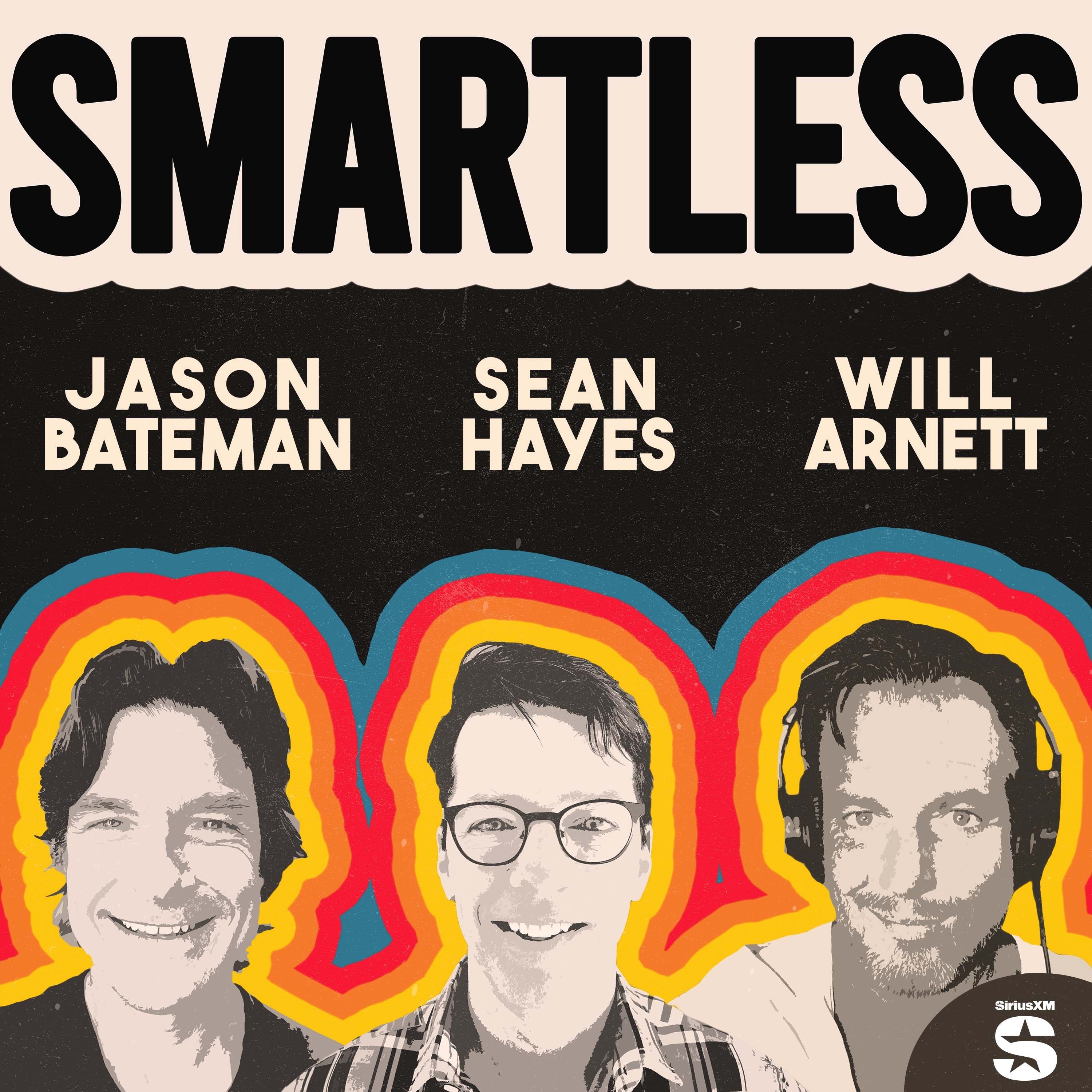
SmartLess
Jason Bateman, Sean Hayes, Will Arnett