The Okotoks Podcast
The Okotoks Podcast is your ultimate guide to life in Okotoks! Hosted by Carlin Lutzer, a professional realtor and proud Okotokian, this podcast brings you stories, insights, and conversations about what makes this town just south of Calgary such a special place to live. Whether you’ve called Okotoks home for years or you’re just getting to know the community, this podcast is your connection to everything happening in town.
From local businesses and real estate trends to community events and hidden gems, The Okotoks Podcast celebrates the people, places, and experiences that define life here. We talk about what it truly means to be an Okotokian, cheering for the Dawgs and Okotoks Oilers, sharing firsthand perspectives from those who shape the town’s unique identity.
And, of course, we can’t talk about Okotoks without mentioning the legendary Big Rock, an iconic landmark that serves as a symbol of our strong, growing community.
Join Carlin Lutzer as he explores the heart and soul of Okotoks, bringing you engaging interviews, local insights, and everything you need to stay connected to the place we proudly call home. Whether you’re looking for the latest news, local recommendations, or just a reason to love Okotoks even more, this podcast has something for you!
The Okotoks Podcast
Data Centers for Dummies
Use Left/Right to seek, Home/End to jump to start or end. Hold shift to jump forward or backward.
What does it really mean when we talk about "the cloud"… and what does that have to do with life in Alberta?
This episode pulls back the curtain on one of the most talked-about yet least-understood topics shaping communities across our province: data centers.
Carlin sits down with Matthew Guzdial, Associate Professor of Computing Science at the University of Alberta and Canada CIFAR AI Chair with the Alberta Machine Intelligence Institute, for a grounded, myth-busting conversation about what data centers actually are, why Alberta is becoming a prime target for massive investment, and what the real trade-offs look like for communities like ours.
From power grids to water cooling to AI winters, this episode gives Okotoks and Foothills residents the honest, balanced insight they need to understand what's coming…and why it matters.
Listen for:
3:20 What exactly is a data center and why does everyone use one without knowing it?
6:21 Why is Alberta becoming a top destination for major data center investment?
14:27 How do data centers use water to cool servers and what does that mean for communities?
22:17 What are the real opportunities and risks data centers bring to local Alberta communities?
27:29 Is an AI crash coming and what does Matthew Guzdial predict for the future of AI?
Connect with Guest: Matthew Guzdial, Associate Professor at the University of Alberta
Website | CIFAR Profile| LinkedIn| X| AMII Profile
Connect with Carlin
Welcome to another episode of the Oka Tokes Podcast, brought to you by Carlin Lutzer Real Estate, your local connection.
SPEAKER_01Today's episode is one of those pull back the curtain conversations. We're talking about something most of us use every single day, but almost nobody really thinks about it. Data centers. Every email you send, every video you watch, every podcast you listen to, including this one right now, live somewhere physical, not in the cloud, like we say, but in real buildings using real power, real water, and real infrastructure. And as more of these data centers are being proposed across Alberta, including places like Grand Prairie, it raises some big questions. What exactly are they? Why do companies want them here? What are the benefits to communities? And what are the trade-offs? So today we're going to be breaking it all down in a way that actually makes sense. I'm joined by Matthew Goosdail from the University of Alberta. Matthew studies artificial intelligence and computing systems, and he's someone who understands not just how this technology works, but how it impacts real communities like ours. In this conversation, I wanted Matthew to help us connect the dots for something as simple as recording this podcast online to the massive data centers that power it behind the scenes. So let's jump into it. Matthew, thank you for joining me today. Happy to be here. So this is perfect because we got somebody that's gonna give us a lot of information and uh no doubt not try to sway us because you're you're neither for or against them. But honestly, as Canadians, we're weird, Matthew, because we seem like we we fight so many different things, right? We fight, you know, you get the solar projects, you get uh cell phone towers, you get um some people oil and gas, they fight it, and yet we're still using all those technologies and the the energy, and yet, you know, some people don't like them. But so when it comes to data centers, it's also very ironic, I think, when people are against them, because they use the technology every day, and they and most people probably don't even realize they're using it.
SPEAKER_02Yeah, totally. I I think that you know, especially in the last few years, people hear data centers and they just assume that like, well, that's some AI stuff. Um, but in fact, right, you've got uh server hosting, you've got cloud hosting, you've got network routing stuff, right? All these different things are happening in data centers. So it's it's not like a one-use thing.
SPEAKER_01Right.
What exactly is a data center and why does everyone use one without knowing it?
SPEAKER_01And I think you know, I'm gonna show my ignorance here as well. Like uh for years I was like, oh, I'm storing in the cloud, or I'm storing it in a Dropbox or whatever. And sometimes you you actually have this mental image that it's up in the heavens with God and uh it's being stored there, right? That's not the fact.
SPEAKER_02Yeah. Yeah, I think I think that's a little bit intentional from the tech companies, right? Uh it sounds better if it's the cloud as opposed to somebody else's computer, which is what it is, right? Right, for sure. Yeah. Um, so that's that's definitely tough. But like even thinking about, you know, a lot of people don't think about if you're using a website, that website still has to be hosted somewhere, right? Um, it was a sometime this year that there was a huge number of like Amazon services hosting went down and like a punch of websites uh went down. I forget exactly when that was, but yeah, every website has to be hosted somewhere, right? And that means a server somewhere, and that means that you have to be able to have some kind of data center somewhere to be able to store that information.
SPEAKER_01For sure. And I do think that it's not just, you know, the, you know, it's it's Netflix, isn't it? It's it's everything that we're using. It's everything. Yeah, everything online, yeah. So that's where the irony becomes because you know, you have people fighting cell phone towers, and yet you're, you know, and then you have people using AI to write their scripts as to why they're against uh data centers, and yet we're using it every single day. We're so dependent on it. So um, but there certainly is some benefits. There's benefits to these things. Obviously, we're gonna be using it. AI is not going away, but AI is adding to the demand, isn't it?
SPEAKER_02Oh, for sure. I mean, so the the big boom right now in data centers basically comes from uh honestly unrealistic expectations of growth from a large number of AI companies. Um, so we can take ChatGPT, for example. Um, in its most recent evaluation, ChatGPT basically said, well, we expect that we're going to have six billion, that's billion with a B, active users, right? So the majority of humans are supposedly going to be using this product, right? And if they're making claims like that, that means that they would have to then have a proportional number of data centers, right? Right. Right. And so you have this big push, this big boom in the sort of construction, the subset of the construction industry to make these data centers and to make them in particular places where they can provide sort of consistent power and cooling. Um, and it's really those two things, the power and cooling, that people end up having some concerns about.
SPEAKER_01Mm-hmm. Okay. Yeah, because the the drain, like, you know, you think of here in Alberta, we get going on, you know, either really hot days or cold days when we're using uh a lot of energy and we're concerned about the amount of power that we have already, and you know, added on top of that with the EVs, and now data centers taking uh a lot of power. Uh the question is, can the grid handle these new data centers?
Why is Alberta becoming a top destination for major data center investment?
SPEAKER_02Yeah, definitely. I mean, so you know, uh, there's like three different ones in Alberta, I think, that are being proposed to be worked on right now. And most of these come with an additional power plant. So they're saying it's not that they're going to add additional things onto the grid. They're actually gonna build a power plant as part of this large data center complex. And they're saying, we're gonna provide our own power, you don't have to worry about us. This is part of the way that they're trying to like sell themselves, particularly in Alberta, right? Where the Alberta government is interested in getting more people using oil and gas. And so if you can say, hey, we're gonna build three new power plants that are all gonna have demands for like natural gas, that looks very good from that sort of political standpoint.
SPEAKER_01Right. So, yeah, because the majority, like, is there any in Alberta that's being proposed to be run by anything other than natural gas?
SPEAKER_02Not to my knowledge.
SPEAKER_01Okay. Because I know that in some places, like I listened to a few podcasts recently on data centers, is that uh some of them are proposing nuclear, but that certainly has a uh, you know, uh a fear in and of itself. And that's why I was kind of wondering, well, um, yeah, because we got Mr. Wonderful himself proposing some uh, you know, up in the Grand Prairie area, which I'm sure is part of one of your where are the other ones? We have Grand Prairie area, uh Olds, and I'm gonna forget the third one. Okay, that's okay. Um, so yeah, we have Mr. Wonderful planning. Why do you think he would choose Alberta? Is it because of the natural gas?
SPEAKER_02It's 100% of the natural gas. Okay. So think about again, we're talking about what are these data centers doing, right? They're providing some kind of digital service. If you're providing a digital service, what you really don't want is for that to go offline. Right. Right. You don't want your customers to not be able to access that. And that means you have to be somewhere with consistent, like 100% of the time, power availability, right? And so a bunch of the places where you might want to put data centers, they specifically don't want to do things like build new gas-powered power plants. Right. But places like Alberta, places like Saskatchewan, they are very pro on doing these things. And a bunch of other sort of states in the US are also pro, right? And so that's why this is very popular or very um appetizing for the kind of people who want to build these kinds of data centers. That and the natural resource availability, of course.
SPEAKER_01Well, yeah, but and and it's something that I don't I feel we got to be very careful, because we do want to be welcoming to these types of investments in Alberta. You look at, you know, I and correct me if I'm wrong, and I think this is in American dollars. Like um the are they calling it the Wonder Valley? Yeah, yeah, yeah. Because of that's because of Mr. Wonderful. He's not a narcissist at all. Sorry, that's a whole other topic. Um, 70 billion in total investment in the long run, and that's over like numerous amount of years, like I think 20. Like, but is that the numbers you've heard as well? Is 70 billion?
SPEAKER_02Yeah, that that is the numbers. So, so but part of the thing is you have to be a bit careful about these numbers. Um, so a bunch, as I said, a bunch of this is coming from the current sort of AI boom, right? Of saying, like, again, the sort of unrealistic projections of we're gonna have six billion active users of these AI tools, right? That's not necessarily realistic. And so the costs may not actually weigh out in terms of actually being worth doing this. So a bunch of banks, for example, are like getting rid of their data center debt because they're really concerned about like, oh, there's all these people that are gonna build, take on all this massive debt to build all these data centers, and then they're not actually gonna be used for anything, and they're gonna be like a massive weight, right? So it's kind of like a gamble from a bunch of these people right now.
SPEAKER_01Right. And uh like, because even what I've heard is even since 2018, when they've really started to kind of take off, there's been three major shifts and changes in what is required. Like, I, you know, um, to bring it back home, like I have inside of real estate, I have a lot of people asking me, Well, should I put solar panels on there? And I'm like, well, what's your long-term goal? Like, is it to, you know, to you know, you're not gonna get value out of it right away. But the way the technology changes, even today, like in 15, 20 years, like are we gonna be like are like are these data centers gonna be reduced in size because of the technology that's been increased, right?
SPEAKER_02Yeah, that's that's really unclear right now, right? And so that's the part that makes this like a risky bet, right? And so it's um, you know, the the people who are on the the pro side who are like, yeah, we need these data centers, we need to build all these new data centers, they're very much on the like, yeah, I'm all in on this bet. But you do have to be aware of the risks in terms of that's not actually guaranteed that that's actually going to be used the way they think it is.
SPEAKER_01Right, right. But if it's somebody else's investment, like why wouldn't we open up the door to that? Like, you know, you could be then left with some potentially usable buildings for warehouses or whatever when that they're all said and done, right?
unknownSure.
SPEAKER_02Though I think I don't know if Alberta is necessarily like uh herding for empty buildings. Right. Um for sure. So I yeah, I mean the the thing that you'll end up with is like if everything goes forward as planned, because even that's right, these these are large-scale projects, they're not gonna be built overnight, right? So even if they're completed, you're looking at we have new uh power plants, new gas-powered power plants, right? Um, that itself is also kind of a risk thing in terms of like, okay, are we still gonna be able to even run these on natural gas? Who knows and for how long, etc.? And then of course, there's the actual data centers themselves. Now, that technology is not gonna be, you know, useless overnight, even if the AI goes bust, right, in terms of this boom turns into a bust. Uh, that's still gonna be useful in terms of for server hosting, that's still gonna be useful in a bunch of different ways, right? Um, but the question is is it you're going to be able to make enough money to host to just like a server to be able to justify the cost of running the data center, right? Right. Because these data centers are crazy in terms of the amount of energy they consume, which means they're burn money like nothing else, right? Um, and so if you're in a situation where you're burning like a hundred thousand homes worth of energy to keep this thing running, you have to have people paying you to use your servers to offset those costs. Right. Right. Right. Otherwise, you just go out of business. So it doesn't matter if they go out of business, like nobody will be able to make that worthwhile to be able to outrun that.
SPEAKER_01So do you have any idea like Amazon or Netflix or any of the big data companies, how much money they would spend in a year in like paying for to rent a somebody else's computer?
SPEAKER_02Sure. So so the the trick thing is like it's not that Amazon necessarily rents the computers. Typically, what happens here is that these big companies, uh, particularly these like server providers like Amazon, they actually own the machinery. They own the actual physical location, they own everything, right? Amazon is not interested in renting. What happens is that other companies then rent from server providers like Amazon. Okay. Okay. Right. In terms of what they spend, uh, those numbers are not numbers that they like to like, you know, make super publicly available. Um, but it's a ton of money, right? It is, you know, something to the tune of three million dollars per month, right? Which means we're talking about like 36 million, 40 million dollars a year, right? Just to keep these things running. Um that's a lot to spend, right? And so you have to have enough income to offset that cost to make it actually worth doing.
SPEAKER_01Right, for sure. So, with that, like obviously power is an issue, but the other big issue is the cooling. Yeah. Can you tell us what the process of cooling these data
How do data centers use water to cool servers and what does that mean for communities?
SPEAKER_01centers are?
SPEAKER_02Totally. So there's a ton of different processes for cooling, actually. Um, but the one that I think gets the most attention because it's the most popular and also the most has the most negative effects is water cooling. So what you do is you basically have, you know, imagine if you've got like a personal computer or something like that. It it looks a lot like this. It looks like racks and racks and racks of these, right? And these are all running and they're all getting really hot because they're all running at like a hundred percent capacity, right? Because thinking about the economics here again, you want them running as close to 100% capacity as possible to justify that, right? And so because of that, they're getting very, very hot. And when they get hot, obviously there's a risk of damage. So the way to avoid that is with some kind of cooling system, and water cooling is the most popular. And what you do is you basically route a tube, like a literal tube, through these computers to literally have constantly running water moving through these things to be able to uh cool them down, literally just keep them cool, right? Um, and the issue there arises from they're using as much water as you know, roughly, you know, uh a hundred households would use in a year, right? Right. In in a year itself? In a year. So okay, okay. So there it's it's equivalent to a hundred households roughly in terms of the cooling cost. Now that's not necessarily a problem if you have adequate water, but if you're in a place that is, for example, in a drought, right? Or doesn't have enough water, and especially if they're using potable water, so water that otherwise would go for drinking, right? There's a real risk of not having enough water to go around.
SPEAKER_01So do they re can they recycle the water and put it through a few times, or does it start to evaporate and then they lose they can.
SPEAKER_02So yeah, so this is this is the the trade-off, right? Because these computers are running really hot, right? Over, you know, boiling, right? So you can't actually keep what the same water running through them. So you typically maybe do like a couple loops or something like that, and then you have to dump it somewhere.
SPEAKER_01So it's done. It goes through, it goes through the and you can't use the water again?
SPEAKER_02You can't not until it's been cleaned again. Yeah, usually. Cleaned? How does it sorry, how does it get dirty? Yeah, good question. So it's picking up, you know, the tubing that they're using in here is not like a plastic tubing, right? Okay. Because a plastic tubing, if that's running, you know, boiling temperature, that's gonna melt, right? Right. So typically you're using a variety of different sort of like uh metallic compounds, like some sort of like tin or nickel or or metal or something like that. Something that's not gonna melt immediately at these high temperatures, right? Mm-hmm. And that means that as it's moving through here, it's picking up a bunch of chemicals from these compounds, right? Right. And, you know, uh uh some of these are okay for a person to then immediately drink, but also you wouldn't want to because it's like boiling hot at the end.
SPEAKER_01Right, for sure.
SPEAKER_02But a bunch of it isn't, right? Uh and so you're ending up with a case where to be able to be used again, you generally have to go through some kind of water filtration system. Right. To make it human safe to drink again.
SPEAKER_01Okay. But could you just keep recycling it back through the system after it's gone through the filters?
SPEAKER_02You could if you let it sit for a while and like cool off somewhere.
SPEAKER_01Okay. So so is that uh I'm sorry, this is uh is is that why they're choosing places like Grand Prairie where um five months of the year is gonna be cold?
SPEAKER_02Exactly, right? Okay, this is why there's a big preference, like Denmark, for example, had a big push for data centers. Anywhere cold is generally going to be your preference because that means you're gonna be able to not only are the computers just gonna get less hot, right? Which is already a plus because it's just ambiently cooler, but also it's much faster to cool down the water you're using for water cooling, just naturally with no extra effort being put into that. So those are the benefits, yeah.
SPEAKER_01So in Grand Purry, would they ever just kind of like open up the the fans and blow fans in, or is that not a proper appropriate way to cool off?
SPEAKER_02Sure. So all these PCs I mentioned, like sitting in their racks, they also have fans on.
SPEAKER_01Okay.
SPEAKER_02So these are like, you know, easily each of these machines will have like five or six fans each already on each of these. And that's just not enough to vent the heat at the rate that these things are going at. These like high performance computing things. Right.
SPEAKER_01So is the major amount of power going towards cooling?
SPEAKER_02No, the major amount of power is just for actually running these computers at all. Computers.
SPEAKER_01Okay.
SPEAKER_02Because they they pull a massive amount of power, right? All of these server machines are like really powerful computers, and especially if they're being used for these sort of large language model AI models for hosting that, these are even bigger computers to be able to host that. And so they take a massive amount of energy.
SPEAKER_01Can we just go back to the water one more one more time? Because you can run the water through three different times and then it the exact number is gonna depend on the scale.
SPEAKER_02Like I'm gonna I wouldn't want to give you like it's always this number or anything like that. Okay.
SPEAKER_01So then the data center, would they be uh putting the water through their own filtration systems, or would that that would they just throw the water out then?
SPEAKER_02In most cases to save on expenses, because again, we talked about how expensive these things can be just to keep running, they'll just throw it out and they'll just expect the like the regular sewage system to deal with it. But that's usually part of the like when somebody's trying to get one of these approved, that's usually part of the conversation in terms of getting the licenses necessarily to run this thing. So they could say, okay, you can do this, but you have to run your own water filtration system, right? Or things like that.
SPEAKER_01Okay. So then they just put the water right into the sewage system and then it gets treated and then back into Exactly. Because they okay, because there'd be damage to if they could if they just put it right back into the rivers or into the, you know, there would be some serious damage to the environment.
SPEAKER_02Yes, for sure. Okay, yeah. Yeah, don't dump hundreds of homes worth of water into a river for sure.
SPEAKER_01No, for sure. For sure. What are what would be some of the complaints that people would have in living too close to a data center?
SPEAKER_02Totally. Um, so depending on where the energy is coming from and how the cooling is being done, these things can be very loud, right? Yeah. Um, because you can have all these fans going, you can have all this like powerful machinery going. So noise complaints are pretty typical. In terms of where the energy is coming from, if you're like burning, let's say, coal, that's not gonna be great for the local environment, right? Lots of noxious fumes, et cetera. Um, and there are places that are still cold powered and use cold power power for data centers. Uh in Canada? No, not in Canada, to my knowledge. US? Yeah. US or okay, yeah. Um and then of course there's the the lights. So these things are gonna be like constantly on, like 24-7, right? Why would why would they need lights? Security? Uh because people, people, people are still in there, right? So you're you don't need a massive team to run a data center, um, but you do need enough of a team because you know, uh, computers are physical objects and they break down, right? And so you often have a situation where you have to have somebody constantly monitoring things and be able to basically live swap out different servers. We're like, oh, this thing's running down. We just swap out its GPU or its RAM or whatever, things like that, without disrupting the rest of the data center. And so you'll have people working in them all hours of the day, right? Right.
SPEAKER_01Yeah. No, they're uh a a fascinating concept. And I yeah. I wish we can get more education out to people just in regards to, you know, the certainly the value. We're all using it. Um Was there anything else that you can tell us that you would feel that the average Joe needs to know about data centers before we
What are the real opportunities and risks data centers bring to local Alberta communities?
SPEAKER_01sure.
SPEAKER_02I mean, I think the thing to be aware of is that there is opportunity here, right? Like regardless of AI, just the need for servers for running sort of, you know, digital services, that's not going away. Right. We're all using Amazon and Netflix and whatever, right, all the time. Right. If you're you're on email, right? We're we're literally using this riverside thing right now. This is all running through a data center somewhere. Right. Right. Right. And so that's not going away. Um, there is opportunity there for like large amounts of local investment as long as it's you know done responsibly, etc. But there are real risks, uh, both to the local environment. There's risks in terms of just like the possible failure of these data centers. These are things worth being aware of.
SPEAKER_01Right. So is there is there value in? So you and I are recording today. You're in Edmonton, I'm in Okatoks. Um, is there value in the data centers being close by? Um what's the value of that?
SPEAKER_02It's basically response time.
SPEAKER_01Right.
SPEAKER_02So if you're, you know, uh waiting a long time for a uh a video you want to watch to render, right? Or if you're waiting a long time for a download, right? That's because the thing hosting that is far away from you. Like literally in physical space is far away from you. And so it just takes more time to be able to process that information and get it to you. If something is closer, that speeds up significantly, right, the amount of time. Uh, there's a very fun example of this, just as like a fun metaphor. So, like um on Wall Street, right? Uh, all the stock trading happening there, almost all of it right now is being done with computers, not by AI, but just a computer that's doing exactly what a human's said to do, like trade this stock, then this stock, then this stock. And all those computers are hosted a building that's literally like across the street from the stock market. And that's about the physical proximity, meaning they can get their trades in faster than anybody else. Right, for sure.
SPEAKER_01Yeah, because if it had to go up to a data center in Grand Prairie, there might be a leg. Yeah. Okay.
SPEAKER_02Yeah. Exactly. And then you maybe miss on like three cents per stock. But hey, maybe that's a big enough thing to make a huge difference to somebody, right?
SPEAKER_01Yeah, for sure. No, it's all very fascinating. Um, I would I would hope that you know, before people get in there and protest it, because you think of what it can do and what it can add to the economy in different places like Olds or whatever, because it sounds like the old people in Olds, there's a lot of people fighting it, right? I think it's already um they've had to readjust and put it back in and uh make another proposal. Um, and a lot of people just don't want it. But you think of what it can mean to the economy inside of a town like Olds, right?
SPEAKER_02Sure, for sure. I mean, there's definitely potential for impact, but I I do think it is important for people to be aware of the risks and to make sure that any agreements in place are going to actually serve that local community because it'd be really easy for, you know, somebody far away to make a lot of money out of a deal like that, right? Right. Right. And so paying attention and making sure that any value that's being added is being added into that local community that will see any of the risks that will have to burden any of those risks, I think that just makes sense. Right, for sure.
SPEAKER_01Matthew, what's your uh what's your role at the U of A?
SPEAKER_02Oh, I'm an associate professor in the computing science department. I'm also a Canada CFAR AI chair with Amy, the Alberta Machine Intelligence Institute.
SPEAKER_01So you mainly deal with AI. That's right. Yes. So right now, what's your uh AF AI of choice? Are you ChatGBT or are you Claude?
SPEAKER_02I'm actually none of them. Um, no. Um I'm a big uh you know, I'm I'm a big proponent of AI as a tool for people. I'm not a huge fan of a bunch of these current wave of the sort of uh private services from AI, in part because a lot of these large language models, which is what of these are made out of, um, these large language models, the specific kind of AI model. Um a lot of these are being run at a massive deficit by the companies. Um, so like ChatGPT, you know, they're they're uh it's OpenAI that runs them. Um they're learning, they're losing 12 billion dollars a quarter. That's billion with a B, uh running all their services.
SPEAKER_01Really?
SPEAKER_02Um yeah, really. Um and Anthropic is very much the same, which does Claude. And so all of these companies right now are running at a massive deficit. And that means that um anybody who's getting used to using their products right now is gonna be in for a rude awakening because they're gonna jack the price up crazy just to try to make sure that they can break even at some point. That's that's nuts. Like, how can how can they survive? It is nuts with a wild amount of investment, right? Like it's all that bet, right? It's the same bet as data centers, actually, because they're betting, oh, we're gonna hit a future where six billion people are gonna be regular users of this thing. It's gonna make us a ton of money, it's gonna change the world. So we can just pour whatever amount of money we need into right now, and then it will magically manifest into a better future.
SPEAKER_01What are you predicting is gonna happen with that? I think is there gonna be a major crash in
Is an AI crash coming and what does Matthew Guzdial predict for the future of AI?
SPEAKER_01AI?
SPEAKER_02Oh, for sure there's gonna be a major crash. Um one of the things, speaking of you know, what people may not know, the average Joe may not know, is that this is actually our third, what we call an AI summer. Um, an AI summer is basically when there's a bunch of funding for AI. So this happened before in the 1960s, the 1980s, and now now in the 2020s. Um, and every single time after the AI summer, it's an AI winter. Um I like to joke that it has two seasons in AI. It's like Edmonton, right? Just summer and winter, that's it. Um and so every time we've had one of these AI summers before, we've had an AI winter afterwards with a massive crash because people wildly overpromise what is possible, right? You see all this stuff about like, oh, it's gonna be a revolution, right? It's gonna change how labor works. Like nobody's gonna have to work anymore. That's not gonna happen.
SPEAKER_01That's well, uh uh this is great news. Because I think I I think so many people are like, oh my gosh, AI is gonna take over the world and we're gonna, you know, and that's not gonna happen.
SPEAKER_02That's what they that's what they want you to believe because the the continued existence of companies like OpenAI depends on everyone believing that. Right. Yeah, but you don't believe it. No, I believe it's gonna have an impact, but I think it's we're talking about like a like a you know 10% impact, which is great. Like that's still fantastic. 10%, that's incredible. But it like people talk about this in comparison to like the industrial revolution, which was like a 30 to 40 percent impact on the the economy, so it's just not at that scale, right?
SPEAKER_01I know there's always these predictions, eh? Like when computers come out that oh, well, we're not gonna have any more paper in our world, right? We're not gonna, you know, paper's gonna be done well. I think it did the exact opposite to the paper industry, didn't it? The computers, because you're printing stuff out. Oh, I did that wrong, you print it again, and you know, it's so easy, right? But um, yeah, all these predictions come out, but yeah. So, Matthew, obviously we're using a data center today, even to record this, because it's all on a web-based, it's it's called Riverside that I record on. So, where do you think where do you think we're this information's being stored, this conversation between you and me, not just the audio, but the video and all that stuff.
SPEAKER_02Yeah, my best guess would be either there's a smaller one outside of Calgary that's currently being active, that's an Amazon Web Services one, or there's a really big one out of Utah. And so a bunch of stuff in sort of the central northern North America gets routed through that one. So I think it's one of those two.
SPEAKER_01Okay. Matthew, this has uh been a fascinating conversation. I appreciate you taking your time to uh to meet with me today and happy to. No doubt uh I might reach out again, especially just to talk about AIs, because this was very enlightening because I don't think the average Joe like me has any clue with the information you gave me this afternoon.
SPEAKER_02Yeah, probably not. I'm on um Daybreak Alberta on Saturday mornings every couple weeks to try to like talk to some people about like, hey, let's try to get some better understanding about AI. But no, I'm happy to talk with anybody anytime about this stuff. I think it's important.
SPEAKER_01Yeah, for sure. Matthew, I appreciate you and uh thanks again for your time.
SPEAKER_02Happy to have a good one.
SPEAKER_01Yeah, take care. That was my conversation with Matthew. And if there's one takeaway here, it's this. The digital world isn't floating in the sky, it's built on the ground. And as these data centers become more common, especially here in Alberta, we're all going to be a part of that conversation, whether we realize it or not. There are real opportunities, jobs, investment, and infrastructure, but there are also real questions around power use, water, noise, and long-term impact on our communities. And that's exactly why we have these discussions. If you've got thoughts on data centers, growth, or anything happening here in Okotoks and the foothills, I want to hear from you. Drop a comment wherever you're listening or watching. And as always, if you're enjoying these conversations, make sure to like, follow, and subscribe. It helps us reach more people right here in our community. Thanks for listening, and we will see you on the next one.
SPEAKER_00That's a wrap on this episode of the Okatugu's podcast. Thanks for tuning in, and thank you to our sponsor, Carlin Lutza Real Estate.


Podcasts we love
Check out these other fine podcasts recommended by us, not an algorithm.

Public Relations Stories and Strategies
Stories and Strategies https://storiesandstrategies.ca/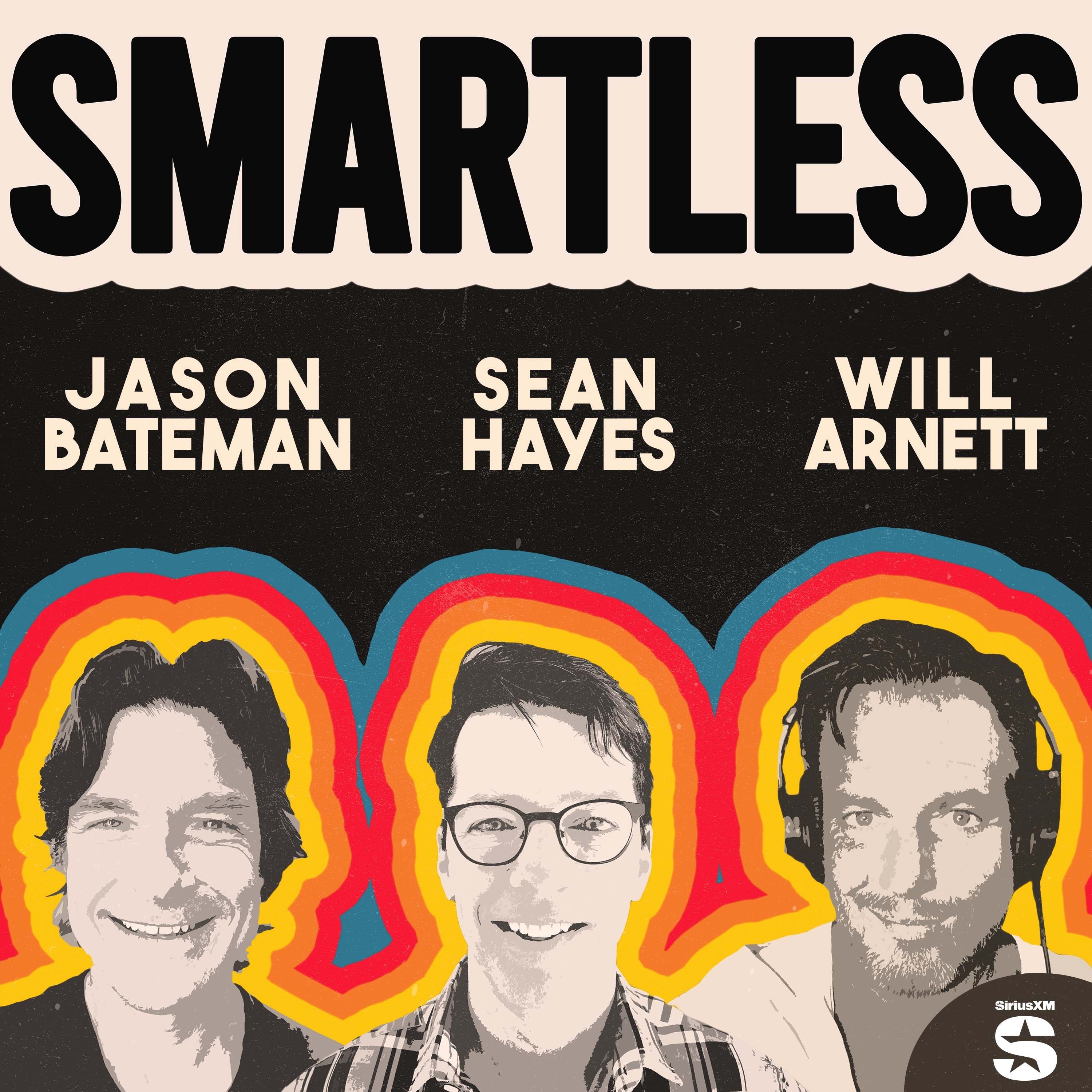
SmartLess
Jason Bateman, Sean Hayes, Will Arnett