Texan Edge
The Texan Edge is more than a podcast — it’s a Texas state of mind.
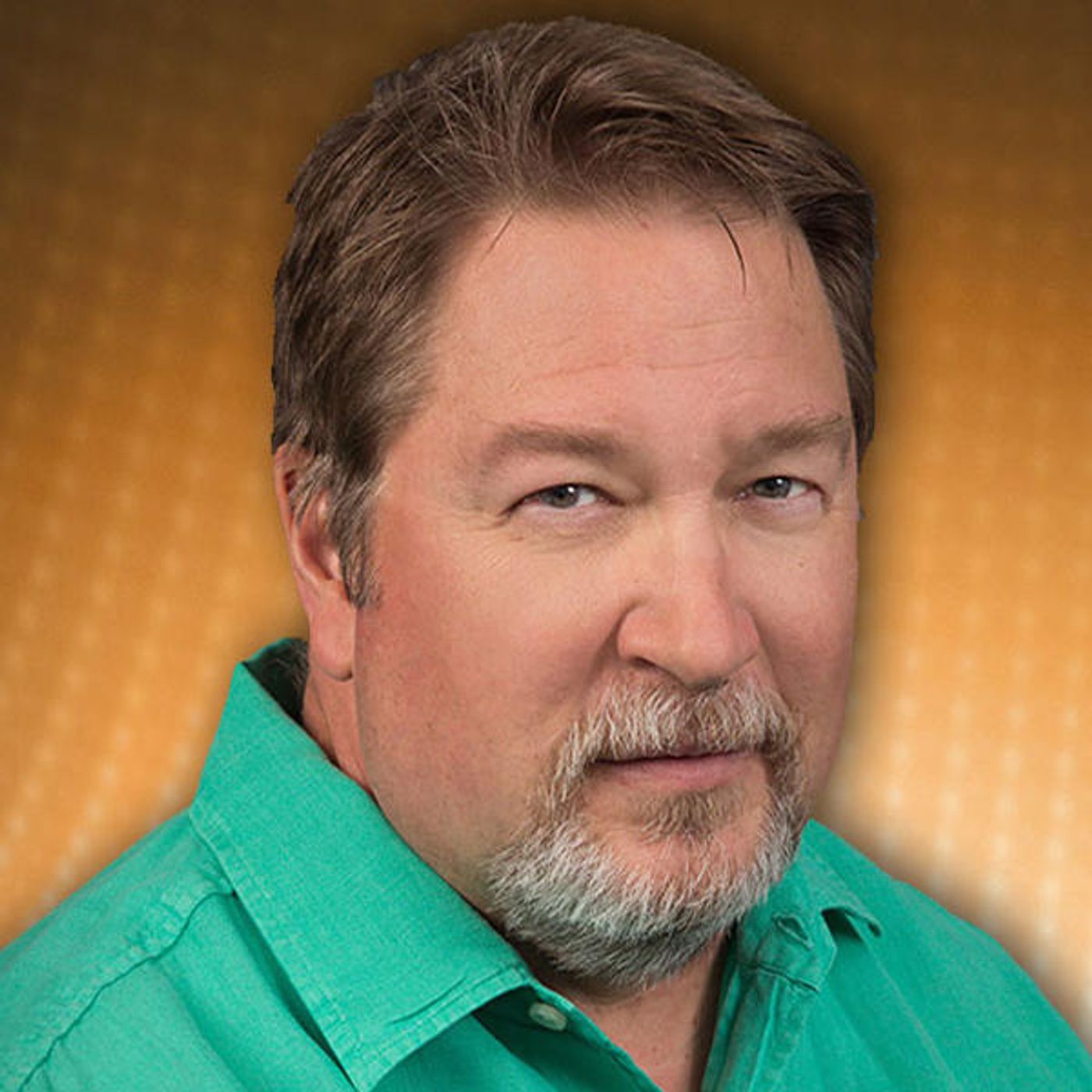
Hosted by Tweed Scott, author of Texas in Her Own Words, each weekday brings a short burst of inspiration, common sense, and straight talk from the Lone Star perspective. Some days we’ll visit a slice of Texas history; other days, we’ll share a story or reflection to help you face the day with grit, gratitude, and grace.
Whether you were born here, got here as fast as you could, or just wish you had — The Texan Edge reminds you why the Texas spirit still matters. It’s where optimism wears boots, humor has manners, and pride runs as deep as the oil wells.
Pull up a chair, friend. Take a listen.
On Wednesdays and Fridays, we focus on a Texas historical event to showcase our daily nugget. Ultimately, it's a Texas thing!
My why with The Texan Edge is to share the spirit of Texas—the humor, grit, wisdom, and warmth I’ve lived and loved here—with people everywhere. I want to remind folks each day that they carry the strength to face life with courage, perspective, and a smile. This podcast is my way of giving back the inspiration Texas has given me, one daily nugget at a time.
Because here at The Texan Edge, we don’t just talk Texas — we live it.
The Texan Edge is "Not just a podcast, but a Texas state of mind.”
Texan Edge
El Mar De Lodo
Use Left/Right to seek, Home/End to jump to start or end. Hold shift to jump forward or backward.
Description
What looks like a simple retreat on a map turned into one of the most miserable ordeals ever to drag its way across Texas soil. After San Jacinto, General Vicente Filisola tried to pull the Mexican army back toward safety—only to find the land itself rising up against him in the form of endless rain and a vast sea of mud. In this episode of The Texan Edge, we slog into the cold water, the broken wagons, the abandoned cannon, and the fear that the Texians might strike at any moment, to see how bad roads and worse weather helped shape the fate of a revolution.
Show Notes
In this episode of The Texan Edge, Tweed Scott follows the Mexican army into the nightmare retreat that became known as El Mar de Lodo—the Sea of Mud.
You’ll hear about:
- How Filisola’s “sensible” retreat south after San Jacinto looked on paper versus on the ground
- The late April Gulf storms that turned roads in Wharton County and the low country near present-day Victoria into rivers of clay
- Columns of not just soldiers, but cooks, laundresses, wives, children, merchants, wagons, and the wounded—all trapped in knee-deep muck
- Artillery teams fighting to drag cannon forward, only to abandon guns in the mud when it became impossible to move them
- Families losing the few possessions they owned as blankets, pots, and clothes slipped off carts and vanished into the bog
- The sounds of the retreat: sucking boots, cracking whips, cursing, prayer, and exhausted men collapsing in mud-caked uniforms
- Filisola’s attempts at solutions: brush roads, shifting loads, dumping cargo, and even dismounting artillery to save what they could
- The brutal cost of abandoning cannon for a professional army’s honor and pride
- Fear of Texian scouts and ambush that never quite came—but gnawed at discipline night after night
- How grumbling in camp showed the no-win reality of leadership: blamed for retreating, and blamed for not retreating sooner
- The shattered remnants finally dragging free of the worst mud and stumbling toward the Rio Grande, more survivors than soldiers
- Why this “simple retreat” was really a grinding disaster that weakened Mexico’s ability to launch another major invasion that year
- The larger lesson: how bad weather, ugly terrain, and stubborn people can quietly change the course of history
Tweed closes with a reminder that the Republic of Texas didn’t survive on courage and politics alone. Sometimes the decisive break isn’t a famous charge or a waving flag—it’s rain falling in the right place at the right time, and human grit pushing through it.
Support the show: share an episode with a friend, leave a rating, or pitch in at buymeacoffee.com/TexanEdge to help keep the stories coming.
This isn't just a podcast, it's a Texas state of mind.
Setting The Retreat After San Jacinto
Wagons Guns And Families Sink
Fear Fatigue And Leadership Strain
What The Mud Changed For Texas
Closing Thanks And Listener Support
SPEAKER_00Trapped in the sea of mud. You're knee-deep in cold brown water, your boots are stuck, the wagon in front of you is sinking, and somewhere behind you there's a general shouting for men to push artillery that weighs more than a small house. This is the Texan Edge. Texas history, Texas character, and the stories that still echo across the land to this day. I'm Tweed Scott, and today we're following the Mexican army into one of the most miserable retreats ever to churn up a Texas field. When General Vincente Filisola turned his army south after San Yacino, the decision looked logical on a map. You pull back, you regroup, you get closer to your supply base, and you live to fight another day. But maps don't show mud. As the columns moved through what is now Wharton County and the surrounding low country near the present city of Victoria, those late April skies opened up. Rain blew in off the Gulf and settled over the army like it was some kind of punishment. Day after day the roads grew softer. Then they weren't roads at all. They were rivers of churned up clay. Imagine the scale of all that. Not just soldiers, but thousands of men, yes, but also the cooks, laundresses, wives, children, merchants with little carts, and a long line of wagons carrying food, ammunition, tents, and the wounded. Every wheel sank, cut a deeper rut. Every horse that slipped turned the ground into a thicker kind of soup. Then they reached a broad, flat stretch of land, good for farming and dry weather, but absolutely treacherous in a flood. The water sat there, trapped by the shallow rise of the prairie, churning acres and acres into what witnesses later called a vast sea of mud. The army tried to push through anyway. Artillery crews whipped teams of mules and oxen, straining to drag cannon forward inch by inch, and men leaned in with ropes, and then they were falling down and getting up again. Behind them wagons sank until the beds were brushing the surface of the muck. For the camp followers it was even worse. Women carrying children in their arms slipped and went down. Goods that represented a family's entire life, blankets, cooking pots, and a few clothes slid off carts and just disappeared under the muck. Animals screamed, panicked, and sometimes just lay down and didn't get back up. You can almost hear the sounds, the squelch of boots trying to pull free, the sharp crack of a whip, the muttered prayer, the angry curse, a sob of somebody realizing that they're not getting out of this with everything that they brought in. Philisola and his officers tried everything they knew. They ordered men to cut brush and saplings to lay down as makeshift corduroy roads. They shifted loads from one wagon to another, and then finally just dumped the cargo entirely, just to lighten the teams. In some spots they dismounted the guns, trying to carry the heavy pieces forward separately, and in the worst places, well they simply had to abandon artillery in the mud. For a professional army, that's more than a logistical problem. Abandoning cannon feels like ripping the heart out of your own chest. Those guns represent power, pride, and the ability to stand toe to toe with any enemy. But the mud didn't care about honor, and it didn't care about reputations in Mexico City either. It swallowed iron and wood just as readily as it swallowed mule hooves and human boots. Days went by like this. Progress measured not in miles, but in yards. Men collapsed at the end of each day caked in mud from head to toe, their uniforms stiff with it when they dried, only to be soaked again the next morning. Food grew scarce. Firewood was hard to find, and when they did find it, it was harder to keep it dry. And all the while there was the fear. There was that fear that the Texian scouts might be out there watching and ready to pounce, that somewhere beyond the sheets of rain a small, fast moving enemy just might decide to jump on this long, helpless line of struggling humanity. That ambush never came. The Texian army was nearly as exhausted as the Mexicans, and the Houston had his own problems to manage. But the fear, that fear was real, and it gnawed at their discipline. In the camp that night under the dripping canvas, men grumbled. Some cursed Philisola for retreating at all. And some others cursed him for not retreating sooner. That's leadership in a nutshell. If things go wrong, every choice looks like the wrong one. Eventually, slowly, painfully, the remnants of the army clawed their way out of the worst of it. They left behind broken wagons, dead animals, buried supplies, and a few silent, half sunken cannon as markers of that route. By early May, they were all moving again towards the Rio Grande, not as a proud invading force, but as a battered column, and all they wanted was to just get home. From a distance we say the Mexican army retreated after the Battle of San Yaceno. Up close, it's not a clean arrow on a map. It's a sea of mud that nearly swallowed them. The Mexicans called it El Mar de Lodo, the sea of mud. And that mud mattered. Every wagon lost, every gun left behind, every sick soldier who couldn't keep up. All of it chipped away at Mexico's ability to mount another massive push into Texas that year. The Republic of Texas didn't just survive on courage and clever politics, it also survived because the ground itself turned against its enemies. That's a very real Texas lesson. Sometimes the break that you get, it isn't dramatic. It's not a flag waving on a rampart. Sometimes it's just bad weather in the right place at the right time, and people stubborn enough to slog through it all. I'm Tweed Scott, and you've been listening to The Texan Edge. If these stories add a little grit and perspective to your day, I'd be honored if you'd pass the show along, drop a rating, or tip me with a cup of coffee into the pot at buymeacoffee.com slash Texan Edge to help keep this ride going. Thanks for walking through the Sea of Mud with me today, and I'll see you next time out on another trail where Texas history and Texas character meet. In the meantime, I leave you with my Texas mantra, God in Texas.
Podcasts we love
Check out these other fine podcasts recommended by us, not an algorithm.
Bob Pickett
98.1 KVET-FM (KVET-FM)