
Gen Z vs Friends
Come join me as a I re-watch one of my favorite nostalgic shows to find out if it was really as bad as all the generations after me seem to believe it is. There will be a discussion (with myself), mostly as I try to rationalize why I still think its a good watch, but we'll try and keep it scientific (well pseudo-scientific... ok in no way scientific but there will be numbers), give it a score and come to a decision once and for all.
Gen Z vs Friends
A Tribute to James Burrows
Use Left/Right to seek, Home/End to jump to start or end. Hold shift to jump forward or backward.
A very brief tribute to a man few of us knew, but whose work attested to the fact that he knew us. Late, great television director, James Burrows.
Okay, everyone, thank you so much for joining us here on Gen Z vs. Friends. My name is Todd Sullivan, and thank you for joining us for this very special, and I say this with a minor hint of irony, uh, episode in honor of and remembrance of the late, great James Burroughs. Uh, it is currently June 21st, 2026, and the news came out over the last few days that the esteemed uh television director, particularly sitcom director and producer James Burroughs, uh passed away on June 19th, 2026 uh at his home uh and uh at the age of 85. Well, why are we talking about Mr. Burroughs? Um, for those who are not aware, one of the many, many uh things which uh he contributed to the American Cultural Zeitgeist was in fact bringing friends into the world. Uh he was not a full-time producer, he was not a writer on the show. Uh, what he was was a director. He directed, I believe, 15 episodes of Friends, including the pilot, uh, and specifically was brought in by the writing and production team to really get it off the ground uh once they knew they had something special, uh, but also uh weren't entirely sure how to make this new concept, this new idea work uh and get it palatable and get it out there for network television. And so uh, as he did with many other shows, many other episodes, um, he was called in by Marta Marta Kaufman and David Crane at the fairly last minute to direct that first episode to really get them over that initial the fin the start of the finish line, the finish of the start line, whatever you want to call it. Um he it was really instrumental, even though it, you know, if you go back to the first episode of this podcast, um, you know, I don't know that the the pilot of the show was such a great thing, um, but uh it definitely set the tone, it got people talking, it got the show out there uh and really got it working in the world. Um, and that was something that, you know, it was common for him at the time. He he had such a storied career even by the early 90s, uh, that he was largely called in as a hired gun to either get special episodes done or pilots of shows that you know there was a lot of money and and uh talk behind. And Friends was was definitely one of those. So even though he wasn't there for all of it, he was definitely instrumental. And and in many ways, he's he's credited with having been the person who first realized what a big deal it was going to be. Um, there's uh a story which you know has since been supported by many accounts, um, where basically uh Mr. Burrows, after having done the pilot episode, read the scripts, and met the cast, um, he took them all to Vegas after that pilot episode was filmed, but before it aired, basically um saying to the cast that, you know, um I believe this is going to be something special. And then once this is out there, you you won't be experiencing the world as a normal person ever again. You will be famous from that point on, and you should be prepared for it. Um so once again, he was instrumental in bringing this show, which you know is important enough to me that I devote a little bit of time every week to talking about old episodes, um uh important to a lot of people at the time and and ever since then. Um, you know, but beyond that, James Burroughs was really central to that golden age of of television, the the golden age of the sitcom in particular. All you have to do is, you know, hit his IMDB page, hit his hit his Wikipedia page. Um, you can hear my mouse spinning in the background as I try and, you know, uh really come to grips with his long and lasting legacy, his long filmography, you know, dating back to episodes of the Mary Tyler Moore show, the Bob Newhart show, the original um show from the the late 70s. Um I uh he created and and directed uh a good deal of both Cheers and Taxi. Um just uh went on. He he was instrumental and then after Cheers, getting um shows like Frasier Up and Off the Ground, he stepped in and up and directed episodes of Night Court, another classic 80s uh sitcom. You know, we we forget, and I I think people today, kids today, young people today, whatever you want to call it, if you weren't around in the 80s and the early 90s, it's impossible to to really you know realize how important the sitcom as a form was. Um it was by far the most uh uh ubiquitous, recognizable uh media form at the time. Uh everybody had one they liked. There were so many out there they'd, you know, and there's a lot of cynicism to that to say that networks were building them specifically to try and reach everyone. Um, you know, they weren't necessarily good or definitely not universally good, um, but they were they were built for individuals. But at the same time, even with that in mind, even with the idea that, yeah, not everyone loved it, but not everyone loved all of them, but everyone loved something. They were also they were appointment television. You know, everybody wanted to watch the next episode of certain things. There's a reason why the, you know, the finale of MASH, one of the few things actually that James Burroughs really didn't have uh a direct hand in, though it's hard to imagine that you know his influence wasn't at least felt. Um, but the final episode of MASH was was massive. It was the most watched television event for decades afterwards, and it was just a sitcom, you know, it was just a half-hour daily uh or weekly sitcom, uh, filled in the 830 time slot for pretty much my you know my entire childhood, even when it went into reruns, um, still filled those time slots. And um, you know, he went, he was in did Wings, did uh the reboot of Fraser, did Will and Grace. You know, uh actually it's it's James Burrow's connection to Will and Grace that often lends me the connection through him between Friends to Will and Grace, you know, just having talked about the the VD poster episode uh of Friends and trying to give it some credit for maybe having a bit of a covert uh conversation about AIDS in America. Um, a lot of that comes from, you know, the connection between the writing and production and direction staff of Friends and Will and Grace. Willing Grace that more directly promoted and emphasized and brought love and compassion to LGBTQ characters uh in modern American television. Um, and the fact that there are through lines there back to Friends is what is often, maybe deservedly, maybe not, um, often the motivation for me to give that same production, to give those individuals a bit of grace, a bit of benefit of the doubt about what they may or may not have been trying to do. Um the for someone who is so much a part of that world, uh, so much a part of that um format um of everything that came into everyone's homes five nights a week for the better part of decades, really, like I said, right from the very beginning, from some of those earliest shows where literally there was nothing else on television. What was on television was directed, written, or produced uh by James Burroughs. Um, and that even if he didn't directly touch it, everything that came after was formed by those shows. Um and and, you know, as I said, in some of these episodes that we've talked about already with friends, once again, he may not have directed them, but there's callbacks to some of those those earlier shows, those earlier episodes. So it's it's just impossible to separate him from the media today. And the fact that what we watch still has connections to that. We may not consume television or consume visual mediums the same way, um, but we do still consume them. And we're looking for largely the same thing. We're looking for episodes that can make us laugh for an escape for a few minutes a day, uh, for the opportunity to have a uh they may be virtual, you know, they may not be the most authentic group of peers, um, but they are a group of peers when maybe we don't feel that anyone else understands us, and anyone else understands what we're going through. But we can find some catharsis, we can find some peace, we can find some support in characters which are brought directly into our living rooms um by men and women like James Burroughs uh through doors that at the very least they opened. Um and so I I think it's you know, for someone who uh, you know, people who are younger today, uh people who are who maybe are not as directly affected by those shows may not see it and may not have felt it when his his death was announced. Um, but they they feel his impact um as much as anyone who watched those episodes did. So to you today, uh Mr. Burroughs, I I want to give you my thanks. And the thanks to all of those you represent, the great actors, the great directors, the great writers who you worked with to bring this media to all of us, to bring peace, to to bring joy into our homes. Um thank you to all of you, but particularly today, and to the family of Mr. Burroughs, I say thank you. And I hope in the difficult days to come you find peace in knowing the the joy uh your father, husband, brother's work brought to the world.
Podcasts we love
Check out these other fine podcasts recommended by us, not an algorithm.
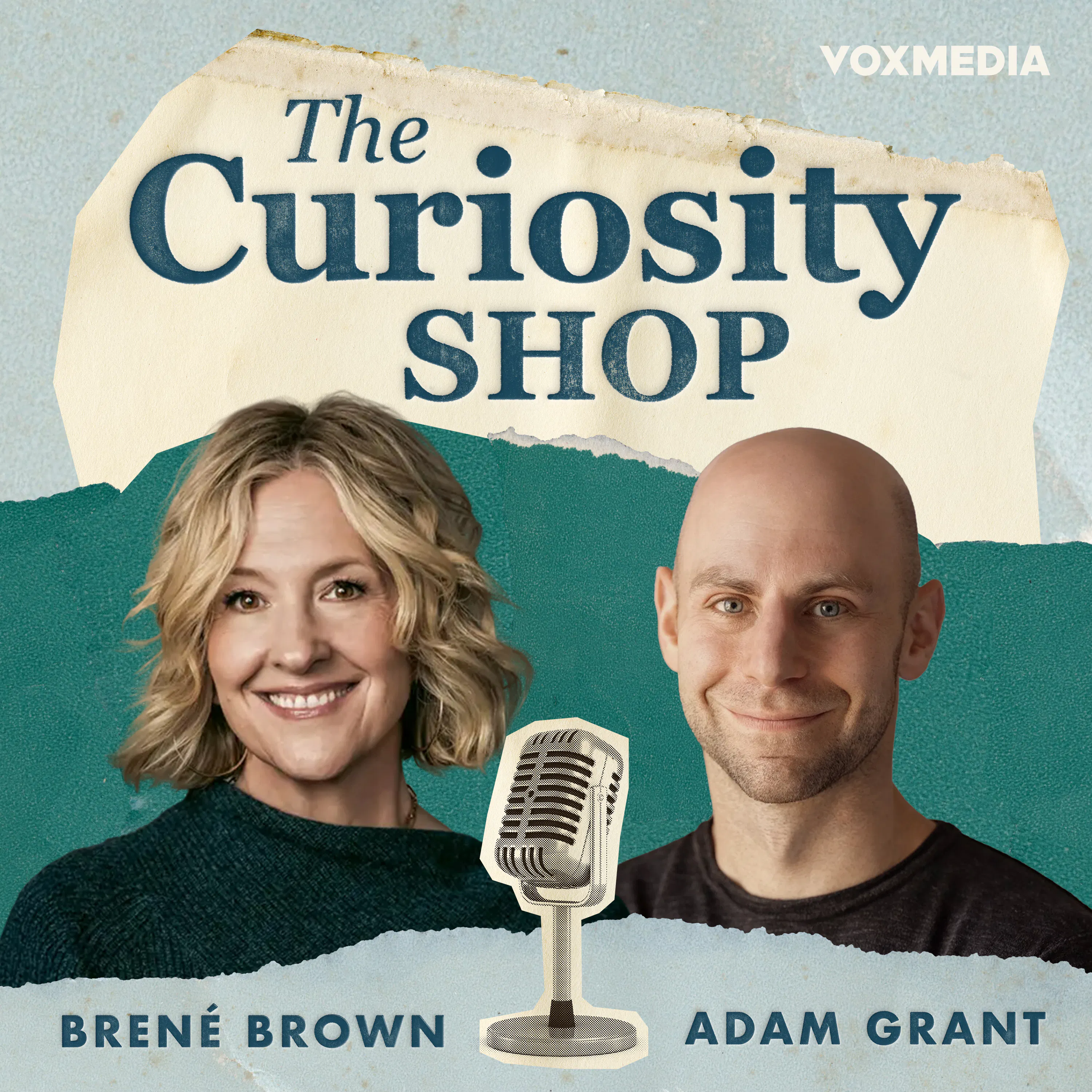
The Curiosity Shop with Brené Brown and Adam Grant
Vox Media Podcast Network
Cautionary Tales with Tim Harford
Pushkin Industries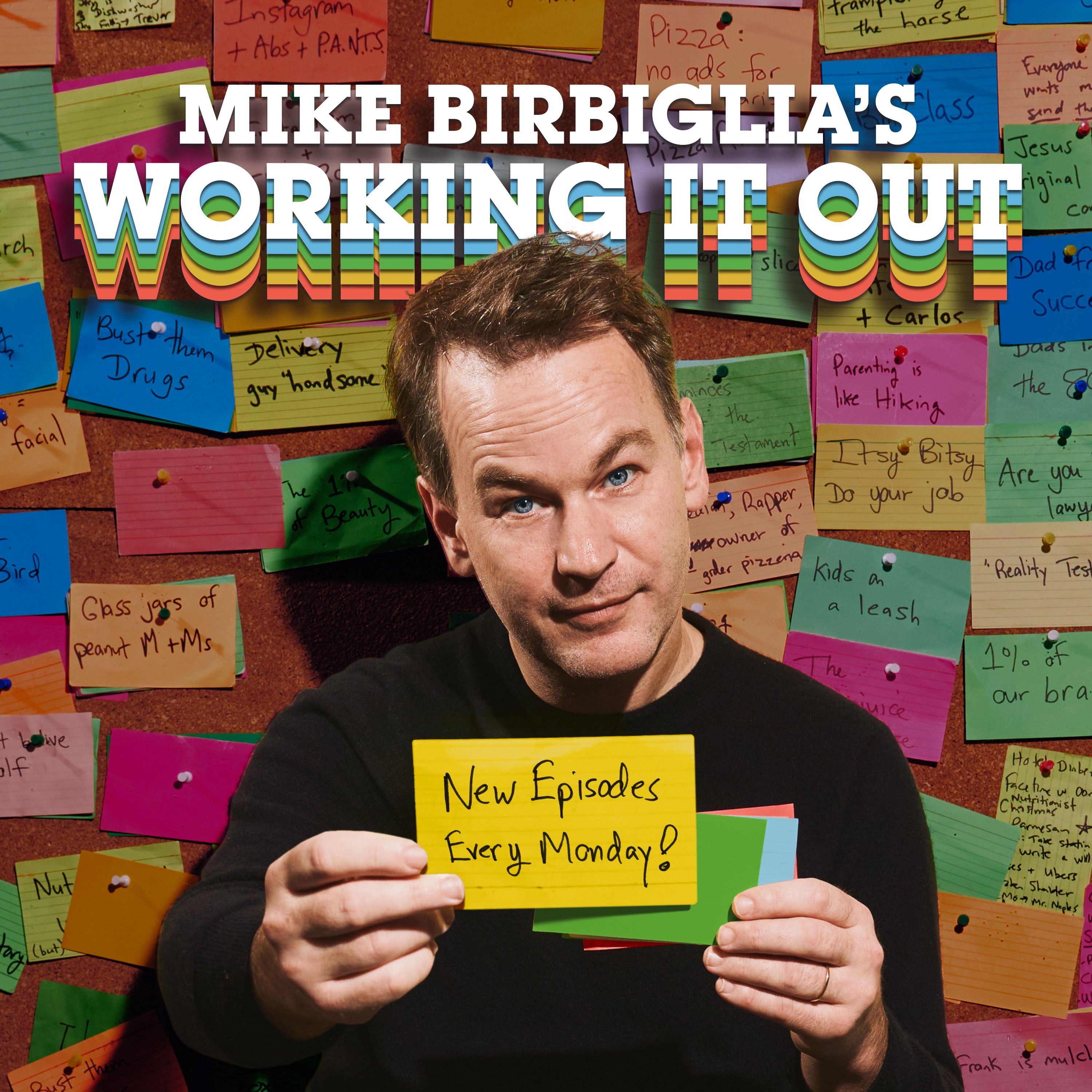
Mike Birbiglia's Working It Out
Mike Birbiglia
You Made It Weird with Pete Holmes
Pete Holmes