Shrinking America
Three millennial psychiatrists, military veterans, and friends break down what feels alive in America, right now, through a biopsychosocial lens.
Check out more at
https://www.shrinkingamerica.org
or
Shrinking America
Episode 2: The Toolkit
Use Left/Right to seek, Home/End to jump to start or end. Hold shift to jump forward or backward.
Welcome to episode 2 of Shrinking America.
This episode is a continuation of our first episode — where we really asked ourselves what we’re doing here. Now that we’ve asked some important defining questions we’re trying to figure out how to walk our talk. Literally.
We talked a lot last time about how we’re using our training to ask important questions to deepen understanding. We cannot underplay the importance of simply questioning and maintaining a mindset of curiosity - a mindset that inherently fosters connections and growth. But we want this podcast to be more than just helping us to understand. We want you to walk away every time with something tangible.
So, in this podcast, we will make plenty of reading recommendations, what we refer to as bibliotherapy. We’ll also call upon specific frameworks. Frameworks like Erikson’s stages of psychological development, Kaufman’s stages of moral reasoning or Marsha Linnehan’s dialectical behavioral therapy. We aim to introduce orienting psychological concepts, big and small, that help shift your thinking and to give you practical tools for change. Or - to help you to accept. And hopefully help cultivate some wisdom as to when to practice which. Shout out to the serenity prayer — one of our favorite toolkit items.
And for real — in this episode you’ll hear us actually walking our talk as we go through what we want this toolkit to look like. So please excuse any lower quality audio issues — as Sarah’s sister pointed out in an earlier edit — at one point a murder of crows was so loud they killed our message. So we did incorporate some minor editing of the street noise. But mostly - what you’re getting in this episode is Shrinking America, in the raw.
And hey - We want to build this with you. The toolkit is never finished. It's a living, breathing library. It's something we'll develop together with this community over time.
So take a walk with us. This is episode two, The Toolkit.
Deeper Learning Points
- Bibliotherapy, “Bibliotherapy, a relatively underutilized lifestyle intervention in psychotherapy, is a unique cost-effective avenue of treatment that empowers patients by integrating therapeutic reading into their treatment plan.”
- 🧰 Einstein and Aimlessness
- 🧰 Ru Paul: “With all the darkness that’s going on in the world, you can look at the darkness, don’t stare, it will make you crazy, it will make you cross eyed, it will make you what it is. The solution is to create magic, dance, sing, love, create environments where you can find joy, because you can create joy.
- 🧰 Acceptance and Commitment Therapy: We have mentioned this form of therapy before; this time, here are a few more resources:
- Bright Light Therapy: For the many of us who :( in the wintertime
- 🧰 Atomic Habits by James Clear
- Tsundoku
- Jacob Riis: “When nothing seems to help, I go and look at a stonecutter hammering away at his rock, perhaps a hundred times without as much as a crack showing in it. Yet at the hundred and first blow it will split in two, and I know it was not that last blow that did it, but all that had gone before.
- Confucius: "The man who moves a mountain begins by carrying away small stones."
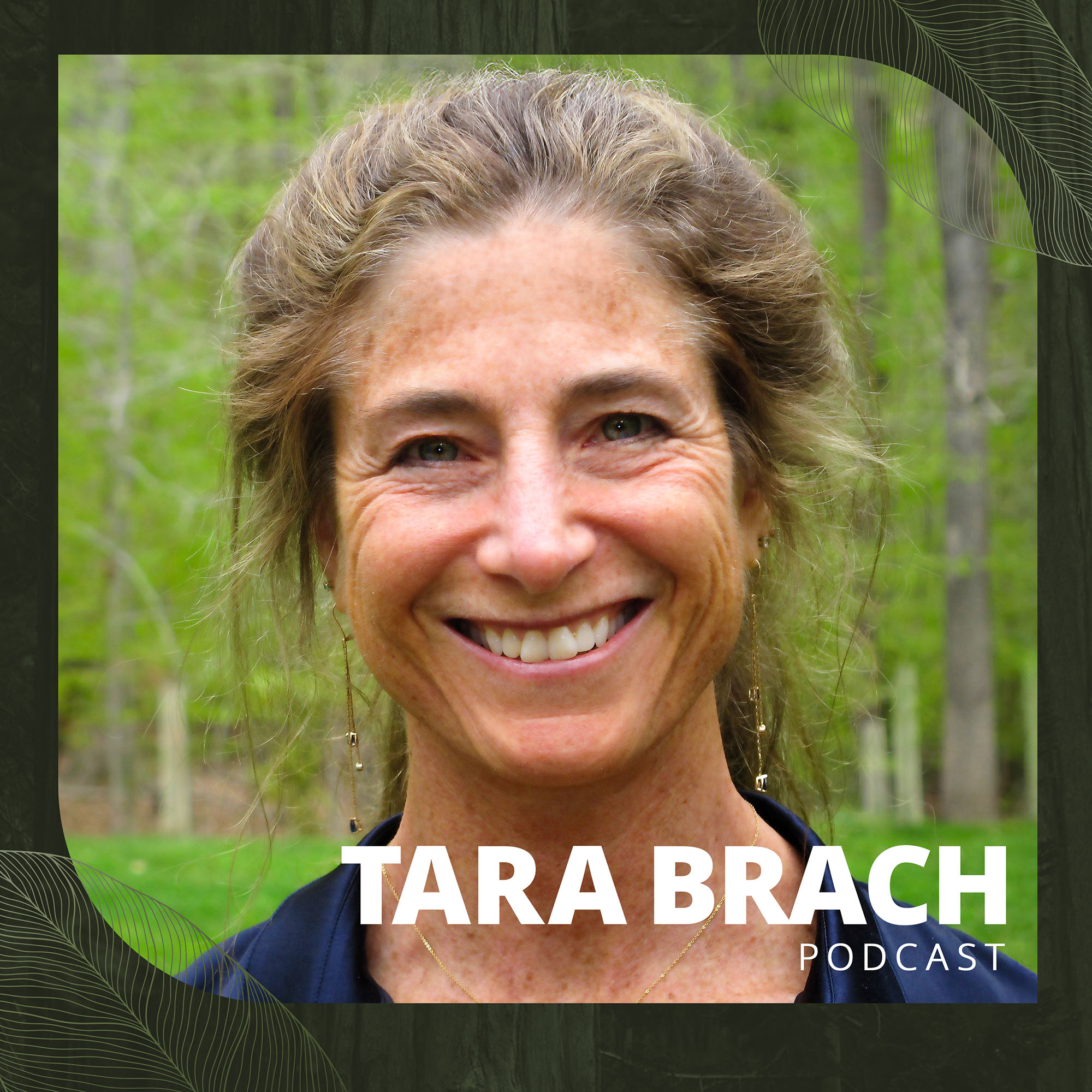
- Radical Acceptance by Tara Brach
- The Vital Spark by Lisa Marchiano
- This Jungian Life Podcast
- Echo Chamber Effect: “The ‘Echo Chamber Effect’ refers to a phenomenon in which an individual's beliefs and views are reinforced by exposure to information that aligns with their preexisting opinions”
- The Greatest Sentence Ever Written, Walter Isaacson
- Civil Conversation: The American Bar Association indicates, “One of the hallmarks of a democracy is its citizens' willingness to express, defend, and perhaps reexamine their own opinions, while being respectful of the views of others.”
Introduction to the episode and main themes
SPEAKER_01I'm Sarah. I'm Kyle.
SPEAKER_00And I'm Jeremy.
SPEAKER_01We're three psychiatrists, military vets, and friends. And this is Shrinking America, where we put America on the couch.
The concept of bibliotherapy and its importance
SPEAKER_02Welcome to episode two of Shrinking America. This episode is a continuation of our first episode, where we really asked ourselves what we're doing here. Now that we've asked some important defining questions, we're trying to figure out how to walk our talk. Literally. We talked a lot last time about how we're using our training to ask important questions to deepen understanding. We cannot underplay the importance of simply questioning and maintaining a mindset of curiosity, a mindset that inherently fosters connections and growth. But we want this podcast to be more than just helping us to understand. We want you
Using movement and nature as part of the mental health toolkit
SPEAKER_02to walk away every time with something tangible. So in this podcast, we will make plenty of reading recommendations, what we refer to as bibliotherapy. We'll also call upon specific frameworks. Frameworks like Ericsson's stages of psychological development, Kaufman's Stages of Moral Reasoning, or Marsha Linahan's dialectical behavioral therapy. We aim to introduce orienting psychological concepts, big and small, that help shift your thinking and to give you practical tools for change, or to help you accept, and hopefully help you cultivate some wisdom as to when to practice which. Shout out to the Serenity Prayer, one of our favorite toolkit items. And for real, in this episode, you'll hear us actually walking our talk as
Frameworks like Erickson's stages and DBT in practice
SPEAKER_02we go through what we want this toolkit to look like. So please excuse any lower quality audio issues. As Sarah's sister pointed out in an earlier edit, at one point a murder of crows was so loud they killed our message. So we did incorporate some minor editing of the street noise. But mostly, what you're getting in this episode is shrinking America in the Raw. And hey, we want to build this toolkit with you. This toolkit is never finished. It's a living, breathing library. It's something we'll develop together with this community over time. So take a walk with us. This is episode two, the toolkit. Okay, the question I was gonna ask that I've kind of already asked, um, though, is what are your guys' most common bibliotherapy recommendations you say? I think we said something about ourselves too. Not just what people need.
The value of values inventories and acceptance in therapy
SPEAKER_01I have not bibliotherapy less an article about Einstein that I've cited to a lot of people because it talks about him failing and kind of the importance of creating mental space away from the problems you're trying to solve. Like create brilliance, create creativity, and we're like so fixated as whatever type of high-functioning people in our culture. Do do do do do. And if you have a problem, work harder at it. It's like, what if the answer is to like oh when I have like on it comes up once every couple weeks, and I'm like, for you to read is very brief, so less bibliotherapy, but sort of uh figure people to trust Einstein, like some things right.
SPEAKER_02That's so interesting too, because it's almost like people come to you because they're trying to fix problems, right? And you're almost being like, well, yeah, maybe the fixing isn't the answer.
SPEAKER_01Giving yourself less than maybe you've thought enough. Like maybe there's time to like go overthinking
The role of books like Body Keeps the Score and Atomic Habits
SPEAKER_01and let the work happen in the unconscious. That's often like when do you the concept of like surrender versus like effortfulness, which kind of gets into the Buddhism a little bit, like when do you push hard? When do you take your foot off the brake and let the hard work that you've done kind of like translate into something that you don't even have to do an effort into anymore?
SPEAKER_03Yeah.
SPEAKER_01Um there's certainly like a lot of different ways to describe that concept, but I feel like there are a lot of people who are desperate to like make something happen, yeah, whether it's in their work or in their personal life or whatever, and it's like sometimes it's just a pause
Real-time mindfulness and self-awareness exercises
SPEAKER_01and let's pause it.
SPEAKER_02Is that always being recording? Go back to our bibliotherapy conversation. Oh yeah, okay. Jeremy, what what are you recommending for your patients to read, listen to, watch more regularly these days?
SPEAKER_00Um I did mention that the quote I keep going back to is RuPaul. That you can love throws. It's a little ominous.
SPEAKER_02The RuPaul quote, yes. You can but don't stare. Okay.
SPEAKER_00Something like that.
SPEAKER_02Tell us more about that.
SPEAKER_00Um, I think it's helpful right now as people are
The importance of small shifts and incremental change
SPEAKER_00kind of overwhelmed by what's happening and feeling powerless and questioning how much to stay informed. That it is okay to set those boundaries for yourself and determine when you feel like you're taking a look and staying informed versus when you're becoming overwhelmed by what's happening. Yeah. Staring.
SPEAKER_01It does seem to be the balance also everyone is trying to strike. Like, what is it my responsibility to know? What is helpful to know? Trying to am I overdoing it?
SPEAKER_02What am I avoiding? Right. Trying to be intentional. And and I think when I think about that quote, yeah, it's like you have to tap into some mindfulness, like notice what I'm doing. Like, am I lost in this? Or am I doing this because I want to, I'm choosing this, you know.
SPEAKER_01And the hardest part about this is like a key therapy principle, like the answer is gonna be different on different days or weeks or with different situations. Like what worked yesterday may have to shift for today. And we don't like that. We
The science of behavior change and practical interventions
SPEAKER_01like uh most of us like to be like, here's the solution. Yeah, I'll just follow that and it'll be okay. And it's like you gotta exactly mindfulness, discernment, you gotta kind of keep checking. Does this still work?
SPEAKER_00In an acceptance commitment therapy realm it makes me think of the mindfulness of does this align with my values? So is and those values, you know, oftentimes are pretty consistent, the large ones, but sometimes they do shift based on what's occurring.
SPEAKER_01Yeah, I come I sometimes suggest people, and I I don't actually live this myself, but I wish I did. Maybe I'll start uh doing like a values inventory once a year and just like comparing it to what they did prior or six months, whatever. Um, just to see has anything shifted? Am I still on track on the same things or have big changes in my life? Maybe rethink things. That's a that's actually a theme for this time because big upheaval often does change the way we view our values. So that's a great yeah.
SPEAKER_02I mean, I I do think even this conversation about bibliotherapy um can include you know, workbooks and and even just like worksheets, like a values inventory is such a useful exercise, I think, for so many. Especially for right now, and we're talking about you know, what is shrinking
The power of conversation and learning through dialogue
SPEAKER_02America like what is what are America's most salient values right now?
SPEAKER_00Can we also talk about why we're on a walk right now? What's our value right now?
SPEAKER_02Oh, great. Oh, well, we were getting a little stir crazy. Speaking of using our toolkit, yeah, but movement, getting in touch with nature, feet on the ground, right? Whatever the touchgrass. Touch grass disease is the disease of the we're not really sure what it means. Sarah's our pop culture expert. This is far from the truth. Touch grass, thank you. That's what I was going for. Yeah, vitamin D information. Yep.
SPEAKER_00Serotonin synthesis.
SPEAKER_02Yes, yes, yes. Get that um bright light therapy earlier in the day to help regulate your circadian rhythm, sleep. You're gonna have a whole episode on sleep.
SPEAKER_01And we're gonna toolkit at some at some point soon. We're gonna be like more formally described, all these things that we're tossing out. We will have a bit more detailed description of like how are we doing this? What's the science background? What's the implementation? Like, we will delve in to be more pragmatic and helping describe these tools.
SPEAKER_02Plug for our website, I think, yeah where we'll have all those stored as well. As well as our um dances on TikTok, hopefully.
SPEAKER_01But we did do a real-time like
The metaphor of the stone cutter and incremental progress
SPEAKER_01mindfulness moment as we like watched ourselves lose focus, get a little uh a little amped up, a little disorganized, and we're like, we gotta do something now. It was sort of an in the moment, we've worked long enough, our thinking is is not where we want it to be. Let's let's listen to our bodies and do something.
SPEAKER_02Yes. And I I guess we'll segue into and you can we can come back to more of your bibliotherapy, Jeremy, other than uh your your RuPaul quotes, which I love, that's a staple. Um but uh I so I have uh a checkout sheet that I give all my patients, and I have a couple QR codes of my most common bibliotherapy recommendations. Love that. And on there is of course Body Keeps the Score, which is probably our residency's dogma. Um and then uh Atomic Habits by James Clear. And the reason that that came up for me just now, like for someone who struggles in the executive
The significance of acceptance and commitment therapy
SPEAKER_02organization realm, as many of us do these days, because of this device I'm holding, um takes our it's it's a huge distraction, dopamine stealer.
SPEAKER_01We were all walking in sync, it was really cute.
SPEAKER_02Oh, nice. Oh, and I just got us out of sync. Um my god, that's so point and philosophical as you as you observe it, it changes.
SPEAKER_01Um my god, quantum physics.
SPEAKER_02Speaking of attention deficit line here. Thank you, thank you. Um real time. Uh yeah, I I need help building routines, habits. Um, and I think he James Clear, the author, I think, breaks that down in a very digestible, actionable form.
Exploring gender, societal conditioning, and shadow work
SPEAKER_02Um, and also I would plug his his newsletter as well. Um, that is very concise. Um, good, you know, wisdom distilled down. Um, then again, actionable things. Actionable things and also very thoughtful things, too. Like kind of the balance we're hoping to strike, I think, in this podcast as well.
SPEAKER_01So, yeah, those are my two, I guess. I know his book is on my shelf, along with the many other books I have bought with good intentions and haven't gotten to.
SPEAKER_02Yes. As a good book lover, there are many books that just yet to read.
SPEAKER_01I feel like it's on the shelf. I won't forget about it. Yes. Concepts will stick in my head, I will come back. So I just kind of buy books compulsively. Not a bad compulsion. But I think you're right. Behavior change is under. It's like the implied behind so much of what we do in therapy and in life as people is like, okay, like I've got the insight. I see the problem. I have kind of a way to solution. How do I actually implement? How do I make make my brain and my life do something different? There's a whole science to that. That's yeah. It's hard, but it helps to know some of the tools about how to do it. Um, I don't know if we always do that well enough, and I guess it depends on the kind of therapy. Actually walk people through it. Maybe that's coaching, maybe that's why coaching is developed as like a form that is used now is really helping people with that stepwise process of change.
SPEAKER_02And and I think exactly like having those day-to-day interventions. That's that's actually a part of what the science of atomic habits is, is that it's
Understanding shared human experiences beyond superficial differences
SPEAKER_02do, I mean, it's very CBT oriented, right? Like do small, yeah, actionable steps, like achievable steps, um, you know, and break it down and then and then in ways that yeah, adapts to the way our brain works. And you know, we joked about not being able to digest or book full books, read all the books we want to read, but part of the reason we chose, I think, the podcast format is because our brains do learn well from conversation. Yes. And so even if you don't want to read a book and do bibliotherapy, like most of these authors we're talking about are interviewed on podcasts, so you can find that content and still get, you know, it at least something. And that's what I say in my you know, therapy sessions a lot of times, too, is edit out my laugh.
SPEAKER_01Where are you going, Jeremy? He's trying to made for other people on the sidewalk. Jeremy's very considerative sidewalk dynamic. Oh, yeah, no, and I'm just lost in my own world here. You're in the middle, so like you have the lowest onus.
SPEAKER_00Um conversations. Conversations. We're having conversations, we're learning, we're coming.
SPEAKER_02Well, one of the phenomena, right? Like after a therapy session, you you can ask someone, like, what did you talk about in therapy today? And they'll have no idea. And they'll be like, Well, what was the point of that then? I can't say what I learned, but then it will come back to you as you need it. Like your brain will be able to access it if it needs it. Like it is there. It doesn't mean just because you can't recall it immediately that it didn't do something or shift something, or that it's not there if you need it to be recalled. That's just not the way your brain works.
SPEAKER_01I think uh it was Brene Brown in her new book that quoted uh, I don't know if it's a parable or a poem about a stone cutter, and like the the idea of creating something out of stone or a statue. I'm like really messing this up, but uh the idea of like what how many little chips, little chisels it takes to get to the end. Everyone is important, yeah, yeah. But the finished product, you kind of you you see none of them, but you couldn't have gotten there without every single tiny little incremental shift, every little chisel. A lot of us don't love that. We don't love that they're gonna be little shifts, some of them below consciousness, some of them very subtle. But and then at some moment we're gonna realize, my gosh, we've got like a masterpiece here. We've made a change. It's like life is life is different than it was.
SPEAKER_02My um every year, instead of a Christmas card, I send out uh a newsletter um about my family that's not very well edited and has far too many footnotes as jokes, but um it opened with a quote by Confucius that pretty much says the same thing that like a mountain is moved one stone at a time.
SPEAKER_00Um that was the med school uh message you got going in was you can eat an elephant but one bite at a time.
SPEAKER_02Yeah, yep. How do you eat an elephant?
SPEAKER_00My um
The art of compromise and civil discourse
SPEAKER_00my bibliotherapy goes back to acceptance commitment therapy. So I I do a lot of the happiness trap worksheets, and and they have a few good ones, and they're kind of the bullseye for defining your values and four categories that can be really helpful.
SPEAKER_01Yeah, those are great, it's really good. Hmm.
SPEAKER_00And then yes, Body Keeps the Score has been a good one. I also Tara Brock is a really great meditation teacher. Sarah and I actually got to go meditate with her uh during residency. She was very helpful to me. I think to Sarah as well. And um, she's got some great books. Radical Acceptance is one that comes to mind. Um, also, I guess, kind of in that acceptance therapy framework. So I think those are kind of some of my main right now.
SPEAKER_02Yeah. She's also a great good um, a really good part of DBT. Um, I think as well as that radical acceptance skill.
SPEAKER_01I'm gonna toss in uh, let me just look at the author because I'm not good with names, uh, The Vital Spark by Lisa Marciano. I think we've all listened to the podcast This Yungian Life, which is wonderful. Uh and in part an inspiration, uh among many inspirations for what we're doing. Um but she talked, I I'm kind of interested in gender and what our understanding of gender and roles has been like such a big part of our culture, for better or for worse, in recent years. Um and still seems to be under the under the surface of
The importance of diversity of perspectives and voices
SPEAKER_01how you wait on that truck. Not you take this many trucks.
SPEAKER_02There goes the portability truck literal parade tomorrow. There's so many trucks.
SPEAKER_01We're gonna see how good the side ponies is. Um so she talks about women like working with their shadow, working with the ways that they have been uh most indoctrinated, might be the word. I'm not sure that's what she would use, but um, and these different ways they have to rebel against how they've been told to be to get back to their core self, their core essence. Um, and I think it's good to read books for both sides so you understand the experiences, the the general experiences, because this is obviously not true for every person and their gender experience, but um, it's good to know like what our society conditions many people to be without even realizing it. Um so I I really quite enjoyed her book,
The process of questioning and personal transformation
SPEAKER_01and there's some similar ones for sort of like more traditional male experiences.
SPEAKER_02So nice.
SPEAKER_00What do you think these books say about us?
SPEAKER_02Well, you both of your things had acceptance and commitment uh focus.
SPEAKER_01Um just pretty heavily mindfulness-based with tracks, yes.
SPEAKER_02Exactly. Andrew Paul. So pop culture, pop culture, like just fun, like what a fun, joyful person.
SPEAKER_00And so wise.
SPEAKER_02Yes, and and who like uh bl blurs a lot of lines and can't really eat they are who they are, you know. Um and that's cool. Uh very authentic, I think.
SPEAKER_01Um if we turn back at some point so we can have a little bit of time. Yeah, no, I'm gonna go right here.
SPEAKER_00Um I'm wondering, it sounds like it's a bit of projection, maybe like each of our book recommendations have something that helps us in our own life. I mean, I guess that makes sense. But when we're looking
Engaging in conflict skillfully and the concept of rupture and repair
SPEAKER_00at each of our own pieces that we work through, the it's like these are the things that have been helpful for me, your atomic habits book.
SPEAKER_01Yep. This is like a great fundamental, I think, question in in our field that we have of ourselves, our patients have of us. It's like, do how much do we work from our own experience, our own work? And can we relate to patients with very different experiences? This was like super true in the military of combat veterans who are often like wary, like, do you have a combat patch? Can you understand my podcast? My deployment trauma. Um, yeah. And we would often say and believe that no, like empathy can cross over, and yet there probably is some truth to to f fully put yourself in someone's shoes. It does help to have a snippet of their experience in your own life. So it's a hard one. Like um Some middle ground is probably the truth. But yeah, I think I mean I know I know a lot of my practices. I'm sorry.
SPEAKER_02No, yeah, I think that's that's a little bit of what we were saying. Maybe what's led to some of the the fracturing and polarization of our country, though, too, is like we're able to select a little bit too much, uh, to cater a little bit too much to what we we think we need, you know, because this is a part of my identity.
SPEAKER_01Totally true. And and find ourselves in these echo chambers, the word, but surround ourselves with people who are like us, which feels good.
SPEAKER_02Yeah.
SPEAKER_01And but doesn't make it even harder then to like find common ground or empathy with people's experiences don't seem to cross over, or does it even shut us down to the idea that we probably do have shared experiences, feelings, traits with people who we may not see that like one of my patients? I joke that we would never be friends if we met each other in the world, and yet we have a very deep connection. And it's like all these things that we share, but the the superficial differences are like dramatic. And that ain't that true, right? But but getting to just choose who and how we spend our time in very l limited, closed ways is uh siloing. Yeah, yeah.
SPEAKER_02Yeah, that
The role of narcissism, self-worth, and societal validation
SPEAKER_02point was uh brought out in the um the greatest sentence ever written book that um that I read recently as well, um just kind of how I quoted one of the founding fathers, I can't remember if it was Benjamin Franklin, but they were basically like um compromisers uh doesn't make for like isn't isn't you know sexy basically. I don't think that was the word they used, but like it does make for good democracy. Yeah. That art of of compromise and finding common ground despite all of our differences.
SPEAKER_00Well, we've alluded to this a few times that that that really is our goal in psychiatry and coming to understand, you know, someone in their experience and be open. I also think we should extend that and be mindful as we're working on this podcast, you know, what what silos do we find ourselves in here together? Yeah. You know, do we can we be a bit of an echo chamber for each other at times? Yes.
SPEAKER_01And how do we think about people to interview to like to broaden our to challenge us or broaden our perspective or just to add um not to overuse the word diversity, but diversity of all kinds to what we have personally to talk about, what our experience has been, because we do have a lot of things that overlap and we share.
SPEAKER_02Yeah. Well, I think one of the really interesting things to look at in in these times too, I mean we we brought up the um the the witch trials of J.K. Rowling
The value of vulnerability, authenticity, and shared experience
SPEAKER_02yesterday, and the author of that, or or the whoever interviewed her, um was converted from her very uh what was that? What's that religion?
SPEAKER_00Um she was a part of do you know it was the Sect of Christian Christianity? Was it the Western Westbrook?
SPEAKER_02Yeah, yeah. And and she talks about her sort of actually let's put it this way, um conversion process that she went through with her now husband, I think, that sort of was just patiently questioning her. I actually think they may he may have engaged her first on social media, um but in a you know, not a trolling way. Um and and that process, if we can find people that maybe maybe were supportive of our current president and aren't now, you know. Um how did that process happen?
SPEAKER_01This is a great, yeah. This is a great time.
SPEAKER_00Or vice versa.
SPEAKER_02Or vice versa, yeah. Right, willing to have any of those conversations, the willingness to have that. That is what the country probably needs more than anything is like having actual civil conversations, getting back to civility.
SPEAKER_00And I feel like we've said that a lot. Like I that's been said quite a bit.
SPEAKER_02Yeah.
SPEAKER_00What comes up for me as you're saying that is how? Like how how do we actually engage in it? How do we support it? How do we create the space for it?
SPEAKER_01I mean, I think that's what we're part of what we're doing. We haven't shown a lot of disagreement yet, and I doubt we'll have I shouldn't say I doubt, like they're maybe.
SPEAKER_02Bring up Taylor Swift again.
SPEAKER_01Oh boy.
SPEAKER_02There we go.
SPEAKER_01No, like careful. And maybe with something as sort of innocuous and like, well, I won't, I don't know, even a what word to use without being um provocative, too provocative, but something innocuous like Taylor Swift and our differences of opinion, but like we want to maybe demonstrate like when we back and forth, when we debate things we don't agree on, um, and how
The unique role of psychiatry in fostering connection and understanding
SPEAKER_01to do that skillfully, and we are not experts at it. We all fail in conflict. I think I can speak for all of us in various ways at various times with various people. Um, so it isn't a perfect art, a place you ever like achieve completion.
SPEAKER_02But also knowing that it's okay, you know, it it may be a a time to to set a boundary if it's if it's never gonna be common ground. Um if the values are too disparate, you know, and how to walk, is it, you know, how do you walk away? What does walking away mean? Yeah. Um that's an open question, I think, still.
SPEAKER_00I'm also going back to, you know, yes, we may not be experts on conflict, but there is something different, you know, about someone who chooses a field of psychiatry, in that I think a lot of times we have a lot of interest in really getting up and close with these things, um, trying to understand the underlying drivers, trying to understand all the pieces. So
The process of self-reflection, rupture, and repair in therapy
SPEAKER_00that there is a part of our training, I think, that becomes very helpful in those realms.
SPEAKER_01Yeah, yeah. And even with the, we're gonna talk about aggression sometime soon because even the ugliness of what seemed like counterproductive conflicts, fights, debates that go go ugly, right? Like things that we're not proud of. Um, short of violence, even those things can be moved through and worked through, and sometimes that stuff is necessary. Um, not knowing how to handle our aggression and release it in ways that, even if not always perfect, are at least a release or an acknowledgement awareness, that's that's quite dangerous. And we do see that. Uh, we see the two extremes of like releasing it unskillfully and holding on to it too much and not using it. Like very, it's very alive right now in our society. And the middle ground is somewhere. Um try how to how do you come back from imperfect conflict, imperfect disagreement, yeah, um rupture and repair.
SPEAKER_02Rupture and repair. Yeah, baby. Yeah. And I think that would be I mean, that'll that'll be evident in the toolkit that we're building too, but like concepts that come up, not just bibliotherapy, but concepts that come up for us over and over again in in our sessions. One of which for sure is that.
SPEAKER_00I don't this is kind of a different topic, but I'm gonna go with it.
SPEAKER_02Yeah.
SPEAKER_00Um, for some reason, this conversation around like trying to see multiple viewpoints and those types of things, is bringing up this question for me around is it narcissistic of us to think that people would want to listen to us or you know, uh that they would want to hear us expound on these topics.
SPEAKER_02Yeah, to be fair, it is narcissistic and it is vulnerable. Yeah, I think both of those things. Sorry, didn't mean to jump. Oh, sorry.
SPEAKER_00Well, and we keep legitimizing ourselves as psychiatrists, like you know, a psychiatrist would think this way, and so um, I I wonder if you know, some people listening to that might be like, okay, yeah, we get it. You're you're psychiatrist.
SPEAKER_01Yeah, that's a I mean, I think we confronted our fear of being narcissists, which is a thing I think a lot of psychiatrists get into once you know the pathology. You're like, I don't want to be those. Um by saying we're gonna be our only three listeners and truly saying we're doing this a lot for ourselves, just like it's a way to feel efficacious, it's a way to keep ourselves thinking about these topics and processing them, as Kyle said, like we process verbally through communication. Um yes, exactly.
SPEAKER_02A way of organizing our
Walking the talk: mindfulness and being present in everyday life
SPEAKER_02own thoughts, if nothing else.
SPEAKER_01And I don't know if in some ways we may struggle with being too like it's taken us a while to get this going, with like being too small and being too much, too questioning of what we have to offer. And we really thought, like, is anyone doing something like this and is it worth even trying? Um, not with an intent to be the biggest podcast, but just to say, a lot of people are doing this right now. And I think there's an idea of disparate voices, voices of different um experiences being put out in the world, maybe is part of the process of moving through this conflict. It's just people getting to say their piece and find some truth that they aligned in. So I don't know. But I hear you, Jeremy.
SPEAKER_02Yeah, is that wait, state state your question again? I want to make sure.
SPEAKER_00Um, it's probably gonna shift. But well, no, just in in response to your answers, but it's just this question around like it's still kind of the why are we doing this question? Is it okay for us to be doing this? Is it narcissistic, ego promoting why yes?
Conclusion and final thoughts on growth and connection
SPEAKER_00Um yeah. I think it's those maybe inadequacy questions.
SPEAKER_01Maybe, maybe the maybe something that we've talked a lot about offline is like sometimes the loudest voices are the ones at the extremes. Um we don't have a monopoly on talking from a place like this, but psychiatrists tend to try to talk from finding balance, finding a middle ground, exploring without judgment, things we have talked about. Yeah, and so maybe we just think, my gosh, like if we are part of the movement that starts to speak from the middle.
SPEAKER_02Yeah, some shared decision making, yeah, like arm reduction.
SPEAKER_01Again, we don't just we don't think we're the voices, but we're like we're we are voices, and we come from a from our framework that has some legitimacy.
SPEAKER_00Um can I also say that like and we've touched on this before, but once again, as psychiatrists, um I guess trying to legitimize again. Um we spend a we're we're not one of the specialties in medicine that has a lot of like open procedures that you can see what we do, it's very clear, and we talk a lot about the soft skills, yeah. And um, we spend a lot of time in this space. Like, is what I'm doing worthwhile when you're working with a patient for a year in therapy, you know, and and seeing the ups and downs. It's been so maybe we're exactly the right specialty to be asking this question, and what are what is the skill set that we have to offer here that may not be as apparent to you know an outside viewer?
SPEAKER_02Yeah, I mean, I think we've exactly talked about part of the purpose of this and talked more offline about it is is watching the process of all of this within ourselves. Like even you questioning your own narcissism, is this about inadequacy for me? Um, and then even thinking about, you know, through the course of this, yeah, we're we're probably gonna have ruptures and repairs that we're gonna we can work through in real time. And like part of what the skill set we build and why we do what's called T group in training, you know, where we all as residents sit together and just talk through what we're going through is that watching the process of those things and learning from the process of those things.
SPEAKER_00Um well, and I what if what if everybody just gets stuck in the space of you know inadequacy? What do I actually have to offer and never actually takes a step in this direction?
SPEAKER_02And that's where narcissism can be healthy, right? Like I think that's an important point that and this country has its fair share of them, and and part of the reason like capitalism can be a worthy enterprise is because these somewhat delusional people can take their dreams and make them happen, and then we have you know, probably things that aren't good for us in the end, but just take it to an extreme.
SPEAKER_01It's all about balance, right?
SPEAKER_02Yeah, exactly. Exactly.
SPEAKER_01Um you think Jeremy of psychiatry is um you set a field in medicine where we don't have a lot of overt uh you know fruits of our labor, right? We're not doing surgery. There isn't like a clear point of healing. We're also like historically one of the least prestigious. We talked about if people don't know if we're doctors or what we do. Um, so there there may be some inadequacy there of like, are people gonna care about our voices? Are we I'm guessing a lot of surgeons don't question their legitimacy and like that people care about them and their role because they have a very I mean, man, surgeon has fixed you, like that's a big, big deal, and you know someone else couldn't do that. And we kind of wonder, like, there's pop psychology everywhere. Do we listen to an offer? Like, are voices worthy? We let other people talk most of the time. Can we talk? Things we've all kind of talked about.
SPEAKER_00Are we worthwhile?
SPEAKER_01Oh no.
SPEAKER_00How much of America's asking that right now?
SPEAKER_01Yeah. Well, and am I yeah, am I worthwhile, am I worthy? Feels like uh that's a core belief. When you dig down C VP that comes up so much with people, am I worthy of whatever, or like in a general sense? Like it's not.
SPEAKER_00Yeah. Can we talk about what it was like to try to do a recording on a walk for everyone?
SPEAKER_02Uh sure. Pro speaking of process. Um yeah. Well, looking at people looking at you, are they looking at me? They think uh I'm like oh, influencer.
SPEAKER_00I did worry about that for a minute.
SPEAKER_02Mm-hmm. Mm-hmm.
SPEAKER_00I found myself getting quite annoyed by see this is why mindfulness and acceptance always become so important for me. Because I'm trying to control the noises.
SPEAKER_01Oh, that's weird. I didn't notice that. I was like, oh, is that it's kind of fun if that's in the background.
SPEAKER_00Occasionally that's probably too loud, we're not gonna hear ourselves talk, but uh yeah, trying to make sure that there's room on the sidewalk as everyone's trying to walk and talk.
SPEAKER_01Yes, this is where we take interests, overthink everything. We find information everywhere. Uh-huh. Who gives away on the sidewalk? It's information.
SPEAKER_02But yeah, but again, we don't have monopoly over that, and that is also the human experience. So, like, I I do always push is this my psychiatrist's lens, or is this just like me putting this the label of psychiatrist on something that that everyone's doing? Um maybe we'll end on that note. Yeah.
SPEAKER_03Alright.
SPEAKER_02Nice walk, guys. You've been listening to Shrinking America, a good enough podcast for our times. This podcast is separate from our respective clinical practices and employers. The views expressed are our own and those of our guests and do not represent the views of our employers. We do not endorse the views or statements of our guests. This podcast is for educational, informational, and sometimes entertainment purposes only, and is not a substitute for professional medical care. Nothing in this podcast constitutes medical or mental health advice, diagnosis, or treatment, nor does it establish a doctor-patient relationship. If you are seeking personal medical or mental health care, please consult a qualified health professional. If you are in crisis, including thoughts of suicide or harming yourself or others, please contact local emergency services or a crisis hotline like 988.
Podcasts we love
Check out these other fine podcasts recommended by us, not an algorithm.

This Jungian Life Podcast
Joseph Lee, Deborah Stewart, Lisa Marchiano
Psychiatry & Psychotherapy Podcast
David Puder, M.D.
Armchair Expert with Dax Shepard
Armchair Umbrella