
Truth Behind The Mike with Mike Stone
Truth Behind the Mike with Mike Stone exists to bring calm, biblical clarity to a loud and confusing world.
If you’ve ever felt overwhelmed by faith debates, confused by Scripture, or unsure what to believe anymore, you’re not alone—and you’re not crazy. This channel helps you slow down, think clearly, and rediscover what the Bible actually says.
Here you’ll find thoughtful, curiosity-driven teaching that uncovers the truth behind common misconceptions, cultural pressure, and misused Scripture—without outrage, politics, or hype.
New podcasts explore:
• Why Christians feel divided and confused
• What the Bible actually teaches (and what it doesn’t)
• How culture reshapes belief without us noticing
• How to follow Jesus with confidence, humility, and clarity
This podcast isn’t about winning arguments.
It’s about understanding truth—and living it.
Subscribe if you’re ready for clarity instead of noise.
👉 Subscribe today and discover hope, one story at a time.
Send your questions or topics to Mike@BehindTheMike.net
The podcast is also available on YouTube at
https://youtube.com/@truthbehindthemike
Truth Behind The Mike with Mike Stone
When Did We Stop Fearing God? | The Forgotten Truth in Modern Christianity
Use Left/Right to seek, Home/End to jump to start or end. Hold shift to jump forward or backward.
Why does the Bible say “The fear of the Lord is the beginning of wisdom”—yet the fear of God is rarely talked about in modern Christianity?
In this episode of the Behind the Mike Podcast, Mike Stone explores the biblical meaning of the fear of the Lord, why this foundational truth has faded from many churches, and what happens to faith and culture when reverence for God disappears.
Through scripture, historical examples, and practical insight, this message examines the tension between God’s holiness and God’s love and why rediscovering the fear of the Lord may be essential for spiritual renewal.
Topics explored in this video:
• What the fear of the Lord actually means
• Why modern culture resists the idea of fearing God
• How losing the fear of God affects the church
• Biblical examples of encountering the holiness of God
• Why reverence for God leads to wisdom and transformation
If you’re seeking a deeper understanding of scripture and a stronger foundation for your faith, this conversation will challenge and encourage you.
SUBSCRIBE for more biblical teaching and faith-based conversations.
#fearofthelord
#FearOfGod
#BiblicalTruth
#ChristianFaith
#ChristianPodcast
#BibleTeaching
#ChristianWorldview
#faithingod
Time-Stamped Chapters
0:00 - Why Don’t We Fear God Anymore?
0:39 - The Fear of the Lord Is the Beginning of Wisdom
1:12 - A Powerful Story About Reverence for God
2:31 - What Happens When People Truly Fear God
3:52 - What the Bible Says About the Fear of the Lord
5:11 - Peter’s Reaction to Jesus’ Power
6:27 - Why Modern Christianity Avoids the Fear of God
7:40 - What Happens When a Society Stops Fearing God
8:58 - A Moment of Personal Reflection
10:27 - Why the Fear of the Lord Still Matters
11:50 - How Christians Can Recover Reverence for God
13:24 - One Final Question About Your Life
Hey, my friends, can I ask you a question? When was the last time you heard a sermon about the fear of God? Not God's love, not God's grace, not God's blessings, but the fear of the Lord. Because the Bible says something remarkable. It says the fear of the Lord is the beginning of wisdom. So here's the question that we need to wrestle with today. If the fear of God is the beginning of wisdom, why has it almost completely disappeared from modern Christianity? And what happens to a society when people stop fearing God? Well, I found a story that I think is fascinating I want to share with you. It's a story from early American history. In fact, the year was 1727. A powerful earthquake struck New England. Now, remember, this was long before modern science could explain earthquakes the way we do today. So when the earth began shaking violently in the middle of the night, people in the colonies were terrified. Houses rattled. Chimneys collapsed. Church bells rang on their own. As the earth moved beneath them and throughout the colonies, people began asking the same question. Is this the judgment of God? Well, something remarkable happened in the days that followed. Churches began filling up people who had ignored God. Suddenly wanted to hear sermons again. Many historians say that this moment helped spark the spiritual awakening that swept across the colonies a few years later. Why? Well, because suddenly people remembered something they had forgotten. They forgot that God is holy and life is fragile. But the question that I've been thinking about as I was researching this, if something like that happened today, would people run to the church or would they run to their social media? And maybe that question actually reveals something deeper. Maybe the reason our culture doesn't take God seriously anymore is because we've lost something that the Bible talks about constantly. The fear of the Lord. Well, somewhere along the way, the tone of Christianity has changed. God has become less holy, and he has become more helpful, less majestic, and more motivational. Instead of a holy God before whom the prophets fell on their faces, we often talk about God today as a life coach. God is merciful and God is gracious. I thank him for that every day. But the Bible describes him as something else terrifyingly holy. So have you noticed that the fear of God is rarely talked about anymore? Now, when people hear the phrase fear of God, many misunderstand it. They think it means panic, terror, running away. But that's not exactly what the Bible means. Let me give you an illustration. Imagine you're standing at the edge of Niagara Falls, and you hear the thunder of the water long before you see it. Right. When you walk up to the railing, you feel the mist on your face as millions and gallons of water are crashing over the edge every second. And in that moment, you feel two things at the same time. You feel drawn to the beauty of it, but you also feel a deep respect for all that power. You're not terrified, but you're definitely not casual either. You don't lean over the railing thinking, I know, big deal, because you understand the power of what you're standing next to, what you're experiencing. In many ways, that's closer to what the Bible means by the fear of the Lord. It's not panic. It's all it's reverence. It's the deep realization that the God we worship is infinitely holy. He's infinitely powerful, and he's infinitely way beyond us. And yet, the same God who created galaxies invites us to call him father. That tension between awe and intimacy is at the heart of our biblical faith. When people in the Bible encounter the presence of God, they don't respond casually. Think about what happened to the prophet Isaiah when he saw the Lord in his holiness. He cried out, woe is me! I am ruined! The Apostle Peter once fell at Jesus feet and said, depart from me, Lord, for I'm a sinful man. And in the book of revelation, which I just finished up, when the Apostle Paul saw the risen Christ, he said, he fell at his feet as though he were dead. Let me ask you something. If if prophets and apostles and angels respond to God in that way, why do we sometimes approach him so casually? I want to share something personal. When I was a kid, I remember that any time I did something wrong, I had this feeling that God was going to punish me somehow if I lied. If I looked at something I shouldn't have, if I disobeyed my parents. If I said something I shouldn't have, I knew it was wrong. And there was this little voice in back of my head that said, God sees that. Now, looking back as an adult, I realized that wasn't a fully mature understanding of theology. In some ways, it actually leans toward what we might call works based theology. But as I also look back on that and have for years, there's something interesting about that. And that was there was something healthy in that instinct. It was the awareness that God is real and that my actions matter before him. And I wonder if one of the problems in our culture today is that many people don't. They don't even have that instinct anymore. Not a mature reverence, not even a childlike awareness. Just nothing. No sense that our lives are lived before a holy God. And when that awareness disappears, so does the fear of the Lord. C.S. Lewis once wrote something that was really fascinating about this idea. He said that when people encounter something truly great, something truly powerful, the reaction is often a mixture of fear and attraction. At the same time, we're drawn to it, but we also feel a sense of awe. Lewis said this is exactly how people in the Bible responded to God. There was there was an overwhelming response to his holiness, and yet there was also something that drew them to him. And that's why biblical faith holds two things together that might seem like opposites. Fear of the Lord and the love of God, not one or the other. It's both because when we truly see God for who he is, his holiness doesn't push us away. It makes his grace even more amazing. You know, at some point in our world, certainly in our nation today, something has shifted. Faith slowly became more about comfort than reverence. Our churches became more about attraction. Then transformation in Christianity started sounding less like a call to holiness and more like a motivational speech. Now again, God's love and his grace are central to the gospel, no question. But when we remove the holiness of God from that conversation, we absolutely distort the picture. So let me ask you again, how many sermons have you heard in, say, the last five years about the fear of the Lord? Pause and think about that, because the Bible mentions it over and over again. When the fear of God disappears, several things start happening. First, sin stops looking serious. We begin saying things like, well, nobody's perfect or God understands, but Scripture tells us, be holy, for I am holy. Second, worship becomes casual. The early church didn't approach God lightly. In fact, in the book of acts, something happened that really shook the entire church. You remember what that was when Ananias and Sapphira lied before God. They fell dead and the Bible said something interesting. Afterwards it said, great fear seized the whole church. I would imagine so. Third, when the fear of God disappears, truth becomes negotiable. Because if we're not fearing, God will eventually start fearing culture instead. And when that happens, our convictions start bending, truth becomes flexible, and faith becomes, well, something that we just adjust to fit the times in our culture. But here's the important part. The fear of the Lord is not meant to push us away from God. It's meant to bring us to the right posture before him. The fear of the Lord produces wisdom, humility, repentance, and deeper worship. Because when we seek God for who he truly is, we begin to see ourselves more clearly as well. And that's where the gospel becomes so powerful. The same Holy God before whom angels cover their faces is the God who sent us His Son, to reconcile us to him. The cross only makes sense when we understand the holiness of God. Let me close with the story. Going back a few years ago, again in the 18th century, there was a preacher. His name was John Wesley. He was one of the leaders of the great revival movement that's known as the First Great Awakening. And Wesley often preached outdoors to thousands of people. On one occasion, he was invited to preach in a church where there was a very important guest present. The guest was King George III. Now I put myself in Wesley's shoes, and I think a man. Imagine that moment. The King of England is sitting in the congregation. Most preachers might have softened their message a bit. Wesley didn't. He preached boldly about sin, repentance, and the holiness of God. Later, someone asked the King what he thought about the sermon, and the king reportedly said something pretty remarkable. He said that man feared God too much to fear me. And that, my friends, is the fear of the Lord. When a person truly fears God, they stop being controlled by the fear of people who stop bending truth to please our culture and they stop compromising their own convictions because they know there's one opinion that matters above all else. Maybe the real question today isn't why doesn't the world fear God? Maybe the real question is this. Do we? Do we approach him with reverence? Do we take God and His Word seriously? Do we live like God is actually holy? Because the Bible tells us something we should never forget. The fear of the Lord is the beginning of wisdom, and maybe the church doesn't need less talk about that. Maybe we need to rediscover it. Well, if this message challenged you, would you share it with someone who loves Scripture? And if you're interested in deeper conversations about faith, truth, Christian life, would you consider subscribing to this channel? I'm Mike Stone, this is Truth Behind the Mike. Thank you for watching.


Podcasts we love
Check out these other fine podcasts recommended by us, not an algorithm.

The Covenant Eyes Podcast
Covenant Eyes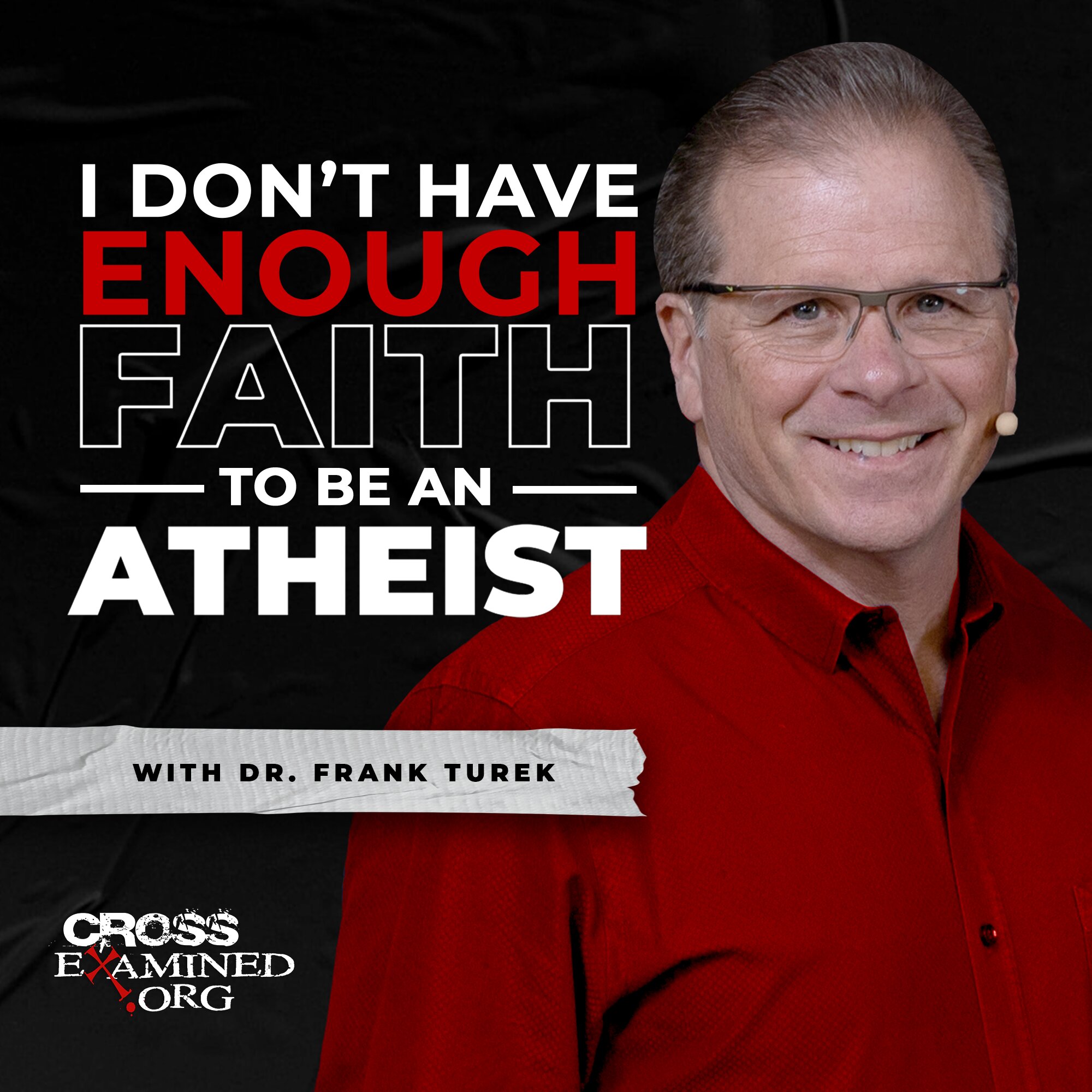
I Don't Have Enough FAITH to Be an ATHEIST
Dr. Frank Turek