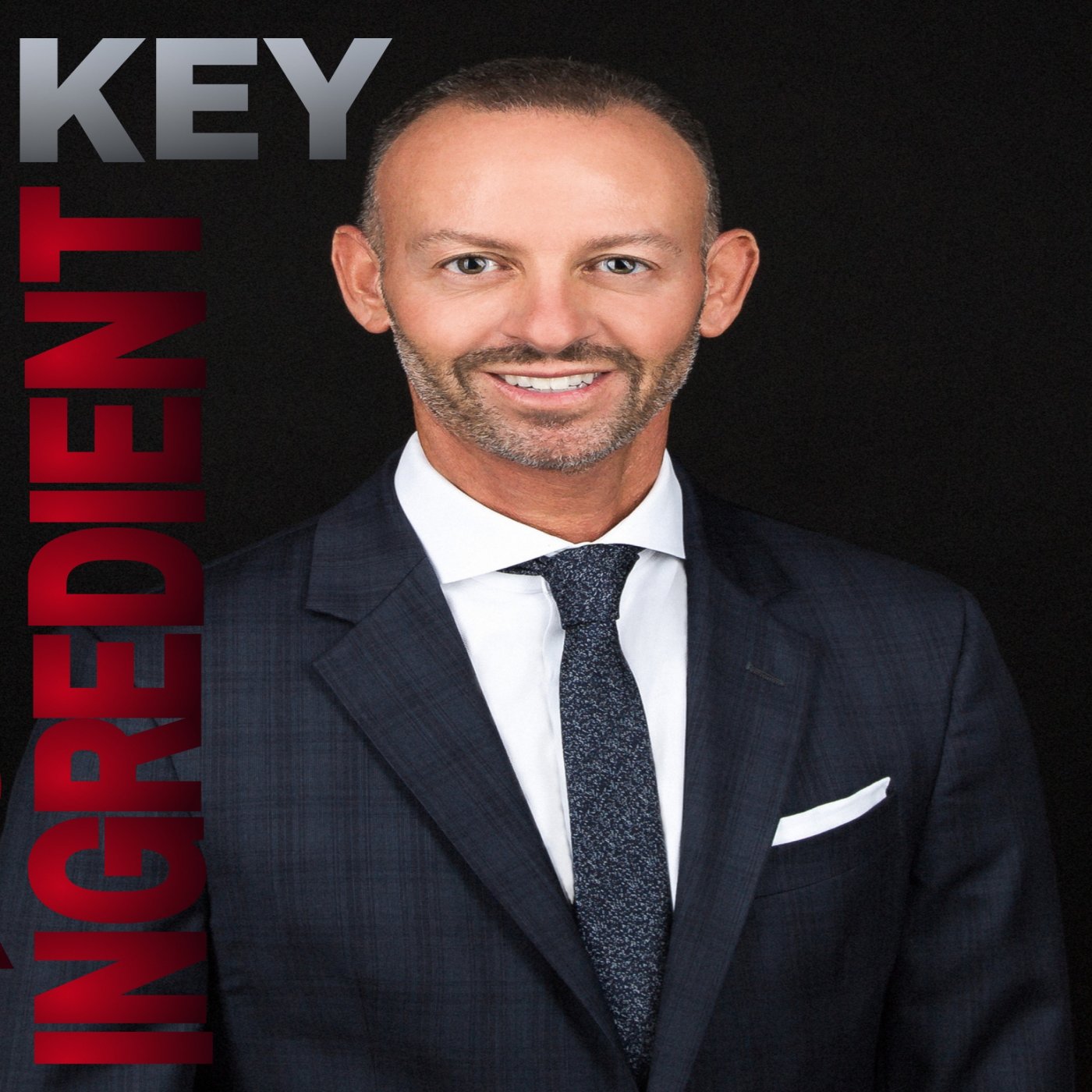
Spotlight on Good People by Robert of Philadelphia
This is your go-to source for inspiration, shining a light on the unsung heroes of Naples and Southwest Florida. From heartwarming stories to practical tips, we celebrate the people who make our slice of paradise more connected, compassionate, and kind. In a world full of noise, we’re here to uplift, inform, and inspire — one story at a time.
Spotlight on Good People by Robert of Philadelphia
Flipping the Script on Aging: Dr. Jaclynn Faffer and the Power of Purpose, Dignity & Drum Circles
Use Left/Right to seek, Home/End to jump to start or end. Hold shift to jump forward or backward.
In this joyful, eye-opening conversation, we sit down with Dr. Jaclynn Faffer, President & CEO of Baker Senior Center Naples, one of only 111 accredited senior centers in the U.S. and the only one of its kind offering comprehensive care — from mental health to memory care to ukulele lessons — all under one roof.
Dr. Faffer shares how her journey from New Jersey youth leader to nationally recognized senior advocate began with a key to the city for the Beatles (!) and led to building a 30,000 sq ft haven of purpose and community in Southwest Florida.
From the science of music and memory to the myth of aging as decline, this episode is packed with wisdom, heart, and a few laugh-out-loud surprises (including why a 100-year-old vet had to be bleeped on the news).
#SpotlightOnGoodPeople
#DoGoodFeelGood
#PurposeDriven
#PositiveImpact
#AgingWithDignity
#SeniorCareMatters
#NaplesFL
#CommunityChampions
#GoodVibesOnly
#InspiringStories
#MemoryCareAwareness
#EndLoneliness
#DrFaffer
#BakerSeniorCenter
#FlipTheScriptOnAging
#LifelongConnection
#MusicAndMemory
#SeniorWellness
#NonprofitLeadership
#CompassionInAction
This one is for the caregivers, the dreamers, and anyone wondering what it means to age with grace, grit, and joy.
💡 Theme of the Month: Flip the Script on Aging
🎵 Cameos: Drum circles, The Beatles, and Bones Coffee
🧠 Real Talk: Dementia, loneliness, and how to change the narrative
Robert: We persuaded the mayor of Perth Amboy to give us a key to the city to present to the Beatles. We figured the only way we wouldn't scream is if we kept our eyes closed. Music for someone with dementia is phenomenal. It reawakens that part of their brain play may be the three notes of a song and they know the words and they're singing.
The pastor from the church across the street from us called me and he said, I'd love to volunteer. What would you like to do? He said, I teach karate. And I said, oh, you don't understand. This is a senior center. He said, I teach karate to seniors. We have two drum circles in the senior center twice a week among the 111 accredited senior centers in the United States.
We are the only senior center that provides the comprehensive services that we do. We celebrated the hundredth birthday a couple weeks ago of a World War II vet. He had to be bleeped on the news because he was asked what he attributes his longevity to, and he said, first time we did it with an audience.
So we have a, an audience who's a guy who I love and respect and have admired his work for so many years in Naples. 'cause he's, he's kind of taught me a lot about the community, um, through his writings. Mm-hmm. In, in Collier County. Uh, so that's kind of neat that I have somebody who I idolize in, in out here too.
I just need to say that because it's kind of cool. Uh, well, I've been, clay and I have been together for, what would you say, clay? Seven or eight years. Mm. He is the first person, the first, uh, public relations person whose grammar I didn't have to correct.
Right. Clay, that's awesome.
Where, so where does that come from? The, uh, your prose or your grammar? I, I've always liked to write and I used to write some poetry and fiction, but when I did my doctoral dissertation and began researching the topic, et cetera, et cetera, somehow I list the capacity to, to write anything but fact and reality.
So. Hmm. But I do like to write. Yeah. So you still dabble in that every now and then? A little bit. Yeah, a little bit. Okay. Of course with ai, I could just feed it right in and they'll do it for me. But does this sound like good? Doesn't sound like me. Yeah. Yeah. It doesn't sound like me. Have you, have you played with that a little bit or you tried it?
Yeah, I like it. Um, I fed my speech that I give at our annual fundraiser into it, and I do tend to speak rather formally. So by the time you use AI for quite a while, it gets to know you. So it spit it back with the comment. Can we lighten up a little bit? Is that right? Mm-hmm. Really? And, and Clay, you might recall it did have a little bit of a different style to it, so it it helped me soften it a little bit.
Yeah. But it still sounded like me. Yeah. I'm finding, I, I'm fascinated with it. I'm finding that a lot of times I'll get a e, sometimes a text or an email, and I have my automatic response that I fire back. And sometimes without realizing it has a little bit of an edge to it, or it's like mm-hmm. Somewhat of a, an emotion or an annoyance in the undertone that I never realized as much until I started feeding in it into Yes.
That into, uh, Chat GPT and Chat GPT just stays more factual. Mm-hmm. And kind about it. And the responses I'm getting are different from people when I leave my own sort of mm-hmm. Whatever way in there. Mm-hmm. Well, the thing about emails too, as, as we all know, you don't get the nuance in it. Yeah. And it tends to be a blank screen upon which the recipient can project what they feel and think.
So you could be saying something that is well meant and not very challenging or angry. And the recipient can read it with the tone that they're feeling, so Yeah. Yeah. The, the tone is, yeah. It's, they're, it's up to the universe of what tone they take it in. Mm-hmm. And, uh, it, it might not have anything to do with that, but it might be heard that way just 'cause that's, yeah.
Yeah. That's been the way I've always been with them. And so if I, AI has helped me, uh, tender my tone, uh, even that I, I didn't even, wasn't even aware of that I had. Mm-hmm. And then it just puts it in a way Yeah. That's, that's cool. You ears. Somebody else using it for that. I love that. 'cause, um, I, I, I thought, am I cheating?
Um, but I, it's actually helping me with my relationship with people too. Mm-hmm. Mm-hmm. Because it kind of gives me a side, like, wow. I started that, uh, my, my sister and I, you know, I had this like, ongoing complaint about what she's doing or not doing. And then that is, it kind of softens the blow between us.
Mm-hmm. And has helped our relationship. I noticed just something I never thought of until we started talking about that until now. Interesting. Kind of Cool. Yeah. Stop, cut, edit. Hold on for just a minute. I wanna take a moment to acknowledge something, something very powerful May. Is older Americans month.
I never knew there was such a thing, but it's happening right now. And this year's theme is one that speaks directly to the heart of today's episode, and that is to transform how we talk about perceive and approach aging, and to move past tired stereotypes and start seeing the richness, strength, and wisdom in every older adult that we know.
So the theme this month is Flip the Script on Aging. Yeah, may is that month. So let this be a reminder. Check in on your elders. Call your parents, call your grandparents. Share a laugh, ask a story. Show some love. You know, we only have today and right now, so don't waste a chance to connect. Appreciate and honor the people have walked before us.
Now back to the episode. Alright. Hey everyone, and welcome back to the spotlight on Good People. Where we shine a light on the humans who are making our world more compassionate, more kind, and more connected. Today's guest is a force, a builder of systems, a protector of dignity, a voice for. Those two often overlooked.
Dr. Jacqueline Peffer is the president and CEO of Baker Senior Center, Naples, one of just 111 accredited senior centers in the US and a life-changing resource for older adults here in southwest Florida. Dr. Peffer has spent over 35 years leading organizations, lifting up families and reshaping the way we think about aging under her leadership.
The new 30,000 square foot center isn't just a place, it's a movement. It's wellness, community, mental health, memory care, hot lunches, friendship, music, art, and joy, all under one roof. She's flipping the script on aging and she's just getting started. So welcome. Thank you. It's a pleasure to be here. Yeah.
Thanks for taking time outta your day and thanks for joining us here this morning. I wanna rewind first, uh, and get to like what was it that sparked your passion for helping others, especially. Older adults? Well, it's an interesting story. When I was 16, growing up in New Jersey, Perth Amboy, New Jersey, I was very involved in a, um, youth group, um, the Bert Youth Organization, and I became a regional president.
And the summer between my junior and senior year in high school, I went to a month long leadership training program. When I left, I was going to be a teacher, just like most of the young women of my day when I came home, I. I told my parents I wanted to be a social worker because at that leadership training program, someone gave a workshop on the profession of social work, and it spoke to me.
I loved the idea of having the possibility of making change in people's lives. So my dad, who valued education, uh, said he'd make a deal with me. He said if I would major in education and get my degree in education, he would pay for any graduate school. After that, he was so sure that I'd graduate and get married right after graduation and become a teacher and use my money to buy the furniture, which was what they did in those days.
Mm-hmm. But he was wrong. And eventually after he paid for the doctoral program, he said Anymore. I said, well, not for a while. So I knew what I wanted to do from age 16 on. Hmm. Yeah. He didn't know you were gonna go all the way with the graduate work then. No. But he was so proud. I'm, I'm sure. I'm sure. How Awesome.
Well, how, um, so, so I guess the burning question for me is what is this place? Okay. And that's a hard question to answer because among the 111 accredited senior centers in the United States, we are the only senior center in the United States that provides the comprehensive services that we do. So in addition to a traditional senior center, which provides opportunities for older adults to connect using art and music and discussion groups and education, and of course cards and mahjong and gardening.
On our second floor, we have a, um, cognitive health program where we provide respite for our respite programs to people with mid to moderate stage dementia and lots of support for their caregivers. We also have a mental health counseling program, and we have a case management program. So there are really three pillars of service.
There's the senior center itself, then there's clinical services, and then we have our cognitive health services. No one else in the United States does this all under one roof. So how are peop, how do people find out about it? How do, are they referred there? Can they just show up? What's the Yes. Criteria?
Yes. Yes. So one has to be 60 years of age or older, and that's the criteria we accept everyone. We do have some fee for service programs. It's a hundred dollars to join the senior center a year. And if someone can't afford it, we scholarship them on the second floor. It's $55 a four hour session for the person with dementia.
But again, if they can't afford it, we scholarship them. And we also, through our mental health counseling, we're on Medicare panels and many of the private insurance panels. So there is insurance coverage. So how does, um,
I, I, I, I don't know the world of this and I'm, I'm, I'm, I wanna understand, and I also want people who are watching to, who maybe have family here, parents, and they live in another part of the country. Right. Um, you know, the thought that their parent might be having some form of dementia. What, what's the process for somebody to, to say, Hey, I think this might be happening.
You might be able to get some help here. Well, first, let me start by saying we were established in 2014 as the first senior center in Collier County, and we recognized that there were seniors, older adults who were experiencing isolation and loneliness. Mm. You know, life changes. Mm. You lose a partner, you lose your friends.
Mm. Your adult children move you to Naples thinking that it'll be paradise for you. Yes. But you're in your eighties. Yes. And you're not sure what to do, and they're not sure what to do with you. Hmm. So every program we have really provides an antidote to being alone. Hmm. So it's about socialization, it's about connection.
And then of course, it's about addressing the issues that older adults face as they age. Hmm. So people can walk in and have a tour and join on the second floor in order to become part of the cognitive health services. One usually gets referred by a doctor or a friend or family. We get calls saying, particularly after children have visited over Thanksgiving or the holidays, you know, I noticed that mom or dad, they're just not operating their lives as they have been in the past.
And someone suggested that we give you a call. So then we do an assessment. And for dementia we like to have a A doc. We must have a doctor's referral. Mm-hmm. For mental health counseling, people just. Walk in and or call and say they're struggling. We actually started that program when we moved into the new building because we were getting many calls from older adults who could not afford to go to private practitioners.
And these are people who were struggling not with serious mental illness, but with issues around grief and loss, issues around caregiving issues around maybe in a 50 year marriage you're starting to bicker a little bit. And they said, we have nowhere to go because most private practitioners were not taking insurance and they couldn't afford the private fee.
So that's how we started our program. Really, because there was a need in the community. Hmm. I had no idea. You know, there's, there's so many places that are these beautiful. Homes assisted living facilities in, in Naples where, like you said, uh, the families send their parents maybe to here to this chunk of paradise, which you think everything would be just wonderful here.
But you never think of the I never thought of the aspect of the loneliness or the, uh, just being on their own. Well, you gave me a great segue to bring out something important about what we represent. Our goal is to, among our goals, is really to help the older adult remain safely at home and dignity and living in the community independently.
So if someone's in an assisted living community, they have a lot of services built around them. Yes. So we're not really for them. If someone's in a memory care facility, they're already getting the services. Mm-hmm. We're for that older adult who lives at home. Uh, maybe a gated community, maybe, maybe not, but they need some assistance in redirecting their lives so that they can be enjoyable.
Mm. It can improve the quality of their lives. Mm. Yeah. I get the difference now. I see the, it's a nuance and a lot of people, it's hard to wrap your head around. Yeah. Was this something that you, when you first came to Naples, you saw that there's a need for something like that here? Well, I was shocked that there was a need.
Mm. What? I was here about a year, year and a half, and I got a call from a colleague who said, Hey, my mom's moving to Naples from Boston and she loves the senior center up here, and we can't seem to find the senior center in Naples. Hmm. So, rather arrogantly, I thought, oh, it's a matter, we can't use the internet.
So I said, don't worry, I'll find it. There was no senior center there. Absolutely was no place that was even anything like a senior center. Hmm. And we thought, well, maybe we don't need one. So we commissioned a study from FGCU, department of Social Work, and I always remember Mary Hart, the director of the program, her summary statement, she said, older adults are alone and lonely.
And that's how we started the senior center. Hmm hmm. Ground up. Completely ground up. That first day we didn't know if eight people would show up or 150. So 80 showed up. Yeah. Wow. Yeah, we, that was, it was Wow. For us, we just kept ordering more tables and chairs as time went on, because by the end of the first year, we had over 500 members.
And this was before the current location they're in? Oh, yes. Yes. This was on Castello Drive in an office building that we occupied. Um, we were the only tenants initially and we occupied 4,000 square feet and then we expanded and expanded in that building and it became painfully clear that, um, we had to get a bigger building.
Hmm. And services expanded based on needs. How did you know what to based on needs? Hmm. Uh, I'll give you an example. We started out as the senior center with the traditional senior center services. And then, uh, I was approached by someone who said to me, you say you're providing services to seniors, but I don't see anything with dementia.
And aha. He was Right. Of course. What is a common problem experienced by older adults and their families? So we started a dementia respite program, one group. And then, uh, it grew and it grew. Now we have nine groups. Hmm. Where was it in your life that either a mentor, a coach, or a teacher, something shifted in you that you knew what your calling was in life?
I would say somewhere in my first professional job, Postmas and social work degree. And you and I started talking about email and you know, how we live our lives today. And it never would've happened today because in those days, if your boss wanted to see you, you had to go into his office. Mm-hmm. So my executive director, um.
Saw something in me at a young age that he wanted to mentor. He never said that to me until much later, but he would call me into his office and while I was in there, he would take a phone call and I'd say, do you want me to leave? He'd say, no, no. Sit. Sit. I learned more from listening to him and how he handled situations just by sitting there and listening to him.
Talk to others. People don't get that today. What was it about the way he was with people? He always looked at the bigger picture and he was very kind. Um, he was a social worker too. Hmm. And one. One thing I remember clearly, we provided financial assistance to families who were struggling among the many services.
And there was a little girl whose father had lost her job, his his job, and everyone in her class was going to ballet school after school. So the request was, would we pay for ballet school? And my supervisor was out. So I had to go meet with the director to get permission. And I was very nervous. Of course, I think I was 23 years old.
And when I walked in, I presented it to him and he said, of course we're going to pay for it because otherwise she'll feel ostracized. And then he said, is there anything else? I didn't even know what he meant. And I said, no. He said, well, don't you think she's gonna need some ballet clothes and ballet shoes?
Mm. So instead of just paying for the school, he did what social workers are trained to do. Looked at the whole person and the situation. Mm. And I walked out of there with, um, permission to give them more money than I came in and asked for. Mm-hmm. Mm. And that taught me a lot. You talked about your father mm-hmm.
And his influence on you. How would your father have described you as never giving up? Mm. Um, having a mind of my own, I'm an only child. Oh. I was gonna ask where I'm only child. And, uh, I was very close to my parents. Hmm. My dad was a chemist. He was one of nine children. Uh, very nine, nine very orthodox Jewish family.
And he was the valedictorian of his high school class. Hmm. And the principal came to my grandfather and my grandfather listened to rabbis and teachers. So he came to my grandfather and he said, your son has to go to college. And my grandfather said, okay. So my father went to Rutgers University and uh, got his degree in chemistry and that changed his life from the lives of his siblings.
Mm. And, um, he valued education tremendously. Mm. And that's the shoes you had to fill or where, where you grew up that way? Yes. Yeah. Yes. And this was in Jersey per New Jersey. How did you go from, how'd you end up here? Um, well, even when we lived in New York, we used to vacation in Naples. And when the kids were very little, we would go to Sanibel and Captiva with them, and we'd always come into Naples.
And I got a phone call from a colleague of mine who was doing a little bit of a search for the Naples organization and he said, um, I have a position I think you might be interested in. And I said, okay, where is it? He said, well, it's Florida. And at the time I was really thinking about going back north.
The kids were in college and my husband and I were just considering the next move, maybe going back to New York. So I said, Florida, you know, I don't really like Florida. He said, but there's one place you do like Naples. I said, Naples, what does Naples need a social service agency for? Because what I knew of Naples is what every tourist knows of Naples.
Mm-hmm. I knew Fifth Avenue and I knew the beach. Mm-hmm. But um, my eyes opened and here I am. It's been 14 years. And I love it. I really feel Naples is home. Mm. What do you miss about home up there? Uh, I miss the seasons. My only sport was downhill skiing. We used to go ski all the time. Really? Yes. And, um, I, I won't say I'm, I miss the culture because there's so much culture here.
Yes. But there's a vibrancy to New York, and I don't think that ever leaves your system. Any foods you mess up there. Well, but don't get me started on that. That's one of my favorite subjects. I'm still looking for the best pizza. Oh, right, right. And Chinese, so mm-hmm. Yeah. Mm-hmm. There's no Chinatown. No, no, no, no.
Little Italy Uhuh. No. No. And something about the water that just makes the dough and the pizza nut right. Oh, the bagels too. The bagels. Yes. Yes. So yeah, we don't have that here. Well, what are your favorites here? Any restaurant favorites here? We have a neighborhood restaurant that we go to once or twice a week.
Ros, it's a Japanese restaurant, Maguro Steakhouse. We go there, but I love all the other, you know, quote unquote traditional restaurants. We love Ridgeways and we like Paso and the Bay House. The classics. Yeah. Yeah. Take away the title and the background, the education. Who are you underneath that? That's a tough question.
I don't know how to answer that. Mm-hmm. Always been a giver. Always been. That's true. That's true. Yes. Serving, yes. Yeah. I guess I learned that I talked about my dad being a chemist, and my mom was a stay at home mom once I was born, but she was a buyer for high-end clothes by prior to getting married. Hmm.
And then when she went back to work, she worked for hud, um, for the City Housing Authority. But during the time that I was growing up, when she was a stay at home mom, she was president of every organization in town. Really? Wow. So I, I think I'm a combination of the two of them. Yeah. Who am I? I'm serious, but I like to have a good time.
I have, I I love my dog. We have, I'm on my fifth Bedlington terrier. Oh. Um, we have twins who are now 34 years old. Hmm. One lives in Bonita, and she and her husband come for dinner every Sunday night. Oh, that's awesome. Mm-hmm. And her twin sister lives in Orlando and works for Disney, so. Wow. Yeah. So, I'm not answering your question because I don't know how I think you have though.
Yeah. That's beautiful. What does a, a Saturday look like for you when you're away from the office? Oh, I like to go to the beach. Um, I like to What, what beach do you go to usually? Louder milk. Yeah. I like that beach. I like, I try to relax, but it's hard. Mm-hmm. I do. Work at home every day on my computer, I'm doing something.
And if I don't do it, I feel kind of a loss. Mm. Um, I go shopping, so I Where do you like to shop? Sex.
I'll see you there. My wife takes me there all the time, so. Oh, yeah. I mean, it can't be beat. Right. I used to like Nordstrom. I was sorry to see that go. Yeah. I know that big empty space though. I know. Well, now they're doing some exciting things with it. Yeah, it, it is. But still just, that's a missing, not having it.
We, we love, um, artist Naples. We're subscribers to the pops. Yes. And, um, we have a subscription also to the Naples players, so we, we like to do things in the community. Yeah. Tell me about your love of the Beatles.
Okay, so when I was 13, the Beatles. Hit the, hit the record stores. And my mom, we had just gotten one of those big console stereos, you know, the piece of furniture? Yes. And on the way home from work took up a chunk of the living room. Of course, you, you know what one it is? Was it had the Fisher, uh, player in it.
Yes. Zach. I have a picture of one of those that we had, you have to show you gotta put that in there. Um, so on her way home from work, once a week, my mom would go to the local record store and they would have three records for 69 cents. And she would bring home three records, 40 fives. Mm-hmm. And she came home one day and she said, there's this record in here that I was told is this new group and kids love them.
And it was, I wanna hold your hand. Mm. And I played it. And I kept playing it. And the only visual I have is that I was like, nipper, the RCA dog, because I kept listening and I called my friend Patty over and I said, you gotta hear this. So we listened and listened and, and we just became big Bele fans. Hmm.
And then they were playing in Atlantic City at, um, convention Hall. The Beatles played in Atlantic City. Mm-hmm. I did not know that. 1964. Wow. August 30, August 30th, 1964. I know this because I'll get to how I know that's the date. And we got tickets and Patty's mother and my mother took us, and we persuaded the mayor of Perth Amboy to give us a key to the city to present to the Beatles.
Wow. And I remember I had my hair straightened for the occasion because I was positive we were gonna meet them. And so our mothers persuaded Dick Clark to get us to the press conference and present them with the key to, it really happened, it really happened with Dick Clark. But, but the deal was we could come to the press conference, but we couldn't scream if we screamed, we'd have to leave.
We figured the only way we wouldn't scream is if we kept our eyes closed. So, so I have pictures, um, which I finally just had framed because I realize I'm not gonna get Paul McCartney's signature. Um, and they're a little out of focus because we thought the only way. We could, wouldn't scream as if our eyes were closed.
Then it was time for us to be brought up to the Beatles to give them the key. So they brought us up and our eyes are closed and we're this close, as close as I am to you, Rob. Mm. We opened our eyes and we started screaming, how could you not? That's the vision I always have of especially that song you see the crowds just screaming.
Right. So we gave him the key and then we were rushed out. So ironically, Paul's current wife was born in Perth Amboy. Is that right? Really? So in 1964, he did get the key to Perth AMB in New Jersey. That is amazing. What a neat story. Yeah. And my ticket was $4 and 90 cents. Wow. I won't tell you what I pay now to see him, because I, my daughter and I go to all the shows.
Oh, is that right? Mm-hmm. So you've seen him in the last time. When was the last time you saw him in Orlando? A few years ago. Oh really? Yeah. And what was that like? It was great. I mean, you know, I look around though and I say, how do all these old people know the words to all these songs? Yeah. And of course realizing I'm one of them.
Does he, does he do all songs from all? Oh, oh, it's really inexperienced to see the concert. He sings for three hours. He doesn't stop and Yeah. Yeah. And people still scream. I would imagine so, yeah. It's, it's a trip if you like, if you like that genre of music, it's how could you not that music lives on.
Yeah, of course. In everyone's mind. I mean, every song you must play, you gotta know the lyrics to every song. 'cause it's, there's no songs they made that everybody didn't know. They didn't have many B sides that you're like, what is this song? All their music was so legend. Legendary. Well now, now you are also touching, I love music and I love the music of the sixties and seventies and.
We get, we bring this group in from New York for our annual fundraiser, the Shadows of the sixties. Their lead singer Dave Reveals, was an original drifter. Wow. And I, I just love that kind of music. Yeah. And at our event, it's one of the few events in town where people are up and dancing until nine 30 at night.
Oh, that's, that's awesome. That's a late night. Yeah. Music is an equalizer. Music is so special. It definitely, uh, fills my heart. You hear that one song or you hear that just trigger something always in that emotion. Mm-hmm. In our dementia program, we have, um, two music therapists on staff, and they, music for someone with dementia is phenomenal.
Mm. Because it reawakens that part of their brain that really doesn't disappear. So. Our music therapist will just play maybe the three notes of a song, or she'll go, da, da da, and they know the words and they're singing. Mm. When we bring people into tour, I always bring them, you know, like people, potential funders or people in the community who wanna know what we do.
I always bring them to the Dementia Respite program for music therapy because it's unbelievable. Mm-hmm. Is there a member or a caregiver that, um, there was a moment or something that stands out for you? Like, this is why I do what I do? There are many, and sometimes when I'm in the middle of doing that part of the job, which you know, is.
A little is, it's just like any business. You're doing the business end of it. Right. Sometimes I'll just walk into one of the dementia programs, or I'll go downstairs maybe when the UK ukulele group is playing, and then I say, well, this is exactly why I am here, and I'll go back to my desk and finish mm-hmm.
What I was doing. Mm-hmm. What's so great about, I think what I do is our center covers every aspect of social work you can imagine. So on the one hand, we have the former late CEO of Porsche in our respite program, and then we're helping a homeless senior woman find housing. Mm-hmm. So I'm often asked the question, how did you come up with this model and.
I thought about it and I really didn't have an answer. But then the more I thought about it, it's really everything I've ever done in social work brought together. Hmm. Under one roof. Hmm. So social work talks about working with the person in his or her situation. And like I said, when I talked about my mentor and the ballet outfit, um, really looking beyond the presenting problem mm-hmm.
To the greater needs. Mm-hmm. And that's what we do. We have a member, a number of members who joined 11 years ago, and they were fine. They were cognitively fine. And I'm thinking of one person in particular. He would come every day. There was a certain parking spot he liked and he would get there before I got there to get that parking spot.
And he'd be sitting in the waiting area and I'd walk in and I'd always chat with him. Well, he now has dementia. Mm. So. He made the move that progressed from being in our programs downstairs, and now he's in our respite program upstairs. Mm. And for him and for his family, the transition was that much easier because they know us, he knows us, we know him.
And I think that's really the beauty of what we do. Mm-hmm. So there, there really wasn't a model for something like this. No. There were a bunch of models. I just put them all together. Yeah. And we also are very careful about who we hire. We will only hire credentialed professionals to work with our folks.
So licensed clinical social workers, um, certified geriatric case managers, credentialed music therapists, um. Everyone has had experience and education in what they're doing, even our volunteers, and we have 320 volunteers. Yeah. That's, that's amazing, right? Uh, yeah. Hard to comprehend. It's, there's that many that just give, uh mm-hmm.
In your community like that. Yeah. They're very carefully vetted. Um, background checks, fingerprints, interviews, and some of our program ideas come from our volunteers. Hmm. But we're very careful about who we bring in the house to deliver our service. Well, you went, you had this thought, idea, vision, that, and, and, and now is, it's turned out to be this 30,000 square foot.
That's my baby. Your baby. Yeah. Yeah. What I, because you weren't. Yeah, you weren't trained in how to, I, I mean, your training wasn't in how to build, how to fundraise, how to get all this stuff together. Not at all. I only knew how to give away money.
How do you do this? How'd that happen? The fundraising piece. Um, when I had my first CEO position, that fundraising piece made me a little nervous at first. But my training is clinical background. I'm trained to do psychotherapy. I've had psychoanalytic training and in social work, you learn to listen. It's all about listening and development.
Development isn't much different. You listen to what a person is interested in and you talk about what the needs of the organization are, and you have to just listen carefully to where the potential donor, where his or her interests are, and that's how you do it. I've never really asked anyone for any particular figure, but I'm a good storyteller and I have a passion for what I do.
You can't, yeah. Um, I don't believe you could do what I do if you have a, if you don't have a passion for it. Yeah. If I couldn't transfer this to something totally different. Yeah. In fact, one of the jobs I had was for up north was for a for-profit proprietary hospital, um, a psychiatric hospital on Long Island, and it was very hard for me to recognize the difference between for-profit and non-profit.
And I was much more comfortable in the non-profit world. Mm-hmm. So is there, is there a, um, a myth or a misconception or a way that people think of aging or the elder population that you would like to shift or have people think a different way about that process? A hundred percent. A hundred percent. And that's, that's really what we're struggling with right now.
Hmm. When people come to the senior center, they walk in and most of the time they'll say, wow, this isn't what I expected. Hmm. So I started asking, what, what did you expect? I expected something smaller. I expected something darker. I expected people to be sitting around, not engaged. We've, we've got more glass.
We're bright, we're airy. People think of aging as the end of the road. Our tagline is looking forward, you know. I have a number of people I'm close to, including my husband who turned 90 or 91, and I jokingly say Ninety's the new 70.
And there's so much that one can do, um, as they age, just given the opportunity. Hmm. We celebrated the hundredth birthday a couple weeks ago of a World War II vet. Really? Yes. In our town. He comes to our lunch luncheon. It had great coverage. That's right. Thanks. Thanks to my friend, clay. Oh wow. Um, sharp as could be.
And he comes to the center two, three times a week. He uses a walker. But sometimes he lifts the walker and carries it. He, we have a number of people in their late nineties. We celebrate hundredth birthdays a couple times a year. Mm. And all too often, people are overlooked. Mm. And it's true with everyone we work with.
It's true with the people in our case management program, our dementia program. People who I bring in, sometimes when I say, I'd like to, I'd like you to come in and visit the respite program. They don't want to. They're thinking, well, what am I gonna say? Mm-hmm. Hmm. They're laughing. The people are engaged and we have a four hour structured program.
From the minute they walk in till the minute they leave two, uh, 10 30 to two 30, they're, they're engaged in themes. Every group has a theme. So let's say, uh, let's say the theme is beaches. So it begins by going around the room. There's 12 to 14 participants, and they're asked to talk about what they remember about a beach, and they'll all say something.
And then the activity might be throwing a beach ball or doing a sand activity. And the word beach is written on a whiteboard. And they'll say, give me words that begin with a B. Give me words that begin with an E. And invariably someone will say a word that they shouldn't be saying. And of course some guy will say, what do I think about beaches, girls and bikinis?
You know? But the theme is carried out for the four hours. And the last activity, activity is always music therapy. Hmm. And of course the songs are the Beach Boys and the songs are about going to the beach. And it doesn't do anything for their memory. It does nothing for the dementia. I wish it did. Hmm.
But what it does is it gives them four hours of engagement. Mm-hmm. Because when you have dementia, you sort of know you're not giving the right answer and you tend to stop talking. And of course your spouse will finish sentences for you. 'cause we do that anyway. Right, right. And it just becomes more prominent.
Mm-hmm. But these four hours, these folks are talking and they're shouting out answers and they're laughing and they're having a wonderful time. Mm-hmm. We had a volunteer say to me, and she says it to many, she says, I would pay you. To volunteer in this program. Wow. She said, I see people coming in with their heads down kind of shuffling.
Mm. And they leave laughing and smiling and talking. Mm. So I'd like people to spend a day with me. Mm. And just shadow, or shadow one of my social workers to see what it's like. We have a drum, we have two drum circles in the senior center twice a week. We have 40 people. What a drum circle, drum circles.
Right. And that idea came to us from a volunteer. He said, I'd like to do a drum circle. I do them. So he was just honored as our volunteer of the year. And there was a segment on the news about him. Mm. So we have drum circles. We have beautiful art done by people who've never picked up a brush. Mm. We have 40 people playing the ukulele.
I didn't even know that was a thing. I thought it was tiny Tim and Arthur Godfrey. Right. So, and we have a fabulous garden club where we have, um, certified gardeners who manage it with our, as volunteers, manage it with the people and they grow vegetables and they grow flowers and it's just wonderful. Mm.
It's gotta be incredibly rewarding. It's for your volunteers and the people that are there. It's, they, we have a gentleman who volunteers and our respite group, he volunteers at our lunch and he says he doesn't feel like he's giving back. He feels like we're giving to him. Mm-hmm. Yeah. I, I just, the opportunity to.
Talk to some of these people who have been around a hundred years. Like what an opportunity that would be alone in and of itself. Right. So to hear the wisdom that that man has and just the decades that he's lived through and the things that he's lived through, that he had to be bleeped on the, on the news because he was asked what he attributes his longevity to, and he said, drinking, smoking, and sex.
So they right play. They bleep the sex. Did they really? Oh God bless him. He could earned the right to say whatever he wants exactly as it is, and he got there to do it. That's beautiful. One of our challenges is getting people to know about us, getting people to come and visit us. Mm-hmm. Um, getting people to financially support us.
Yeah. Because, you know, in a town that has this phenomenal wine festival and there's so much need in children Yes. There's really nothing for older adults. Yes. And we're not cute. We're not sexy, you know? Yeah. So it's hard to get people to come and see what we're all about. Yeah. I can get that. Yeah. What if somebody, what could a volunteer do?
Or what, what credentials does somebody need to have to help out and what could they do? Sometimes volunteers come with us, um, come to us and say, you know, they'd like to do art. They'd like to do an exercise class. And our biggest need right now is for people to teach exercise. Teach art. So they have to have a skill in the area.
Yeah. They, they must have a skill. Mm-hmm. But then we have the volunteer who comes to us and says, I was a writer on for TV and I retired and I don't have anything to do. Can I volunteer? And we said yes. And he says, I don't know what to do. And we said, well, what do you like to do? He said, I like to write.
So he teaches two writing classes, so the volunteers bring the ideas to us as well. Oh, okay. Okay. But our need right now is for, um, exercise and art. Okay. For anyone out there. Yeah. Like to volunteer. Yeah, I know, I know some people on the, well actually we just had an artist here last week and, uh, exercise.
Of course Lara, it comes to my mind. She would live for that. It's so rewarding. Yeah, I can, I can only imagine. Yeah. When we opened, um, the pastor from the church across the street from us called me and he said, I'd love to volunteer. And I said, great. What would you like to do? He said, I teach karate. And I said, oh, you don't understand.
This is a senior center. He said, I teach karate to seniors. So we have a karate class. Wow. Wow. How do you, how do you operate? How do you get funding? How do you get money? What's, what's the source at this point? Um, we have a $4.1 million budget. 69% is philanthropy, which is a lot of fundraising. Yeah. And we have, um, grants and we have some earned income.
We get some money from the state. Um, $150,000 for our respite program. That's how we provide scholarships, 110 for our mental health program. And last year we got our first grant from the county for case management. Oh wow. And this year they're funding two case managers. Oh, wow. Awesome. But, you know, um, you don't wanna be too heavily dependent on government funds.
Sure, yeah. In fact, you don't wanna be too heavily dependent on anyone. Bucket of funding. Yeah, we're starting an endowment campaign soon, which is important. What is that? Uh, that's money that is donated to be held, and hopefully it grows large enough so that the interest is what you draw upon every year to help the budget.
Okay. It's, it's funding in, um, perpetuity. You know, in other states there are government grants that you get for, like, there's contracts, let's say that you get for three years here. We have to raise our budget, a zero based budget every year. So that's one of the differences. Well, what does your, what does a typical day look like for you?
I have an, um, a team of leaders. Chiefs, we call them. And Monday morning we meet and, um, go over the business of the week. What's happened, what are the plans, what do we project? I meet with a lot of donors. I do a lot of speaking engagement, but I keep my hand in program too, because that was my baby. So, um, it varies every day.
That's what's great about my job. Um, one day I'm working with someone who's in the community who's just found out her husband has dementia and I'm helping her get connected to our program. And maybe that afternoon I'm speaking to a hundred women in a women's club. Hmm. Um, I used to laugh when we were putting together the building.
That, you know, I had a hard hat and everything and I, I said in my wildest dreams, I never thought I'd be doing something like this. Mm. So a lot of it is marketing. A lot of it is, um, it's all working with people. It's all about working with people in one way or another. So there really is no typical day.
Um, but every day is different and exciting. I'm never bored.
How does, I met, I met this woman in the salon yesterday, um, who had just, um, lost her husband and she was thanking me for our love and compassion and being there as her Florida family mm-hmm. In the salon. And, uh, she's going to his memorial service this weekend up north. And she said, when I come back, I, I have no one, I have no one here.
I'm all, she's 78. And then, uh, how does somebody, how, how do, how does this get introduced to somebody? Like what, what is this process? Well, one of the best things to do would be to say, we met and you heard all about it. Mm-hmm. And you think that it might be a good idea for her, but it's gonna be very hard for her Yeah.
To make that first step. Yeah. So in sub some situations like this, and this is where maybe I'm a little bit different than one would expect from a CEO, I would say to you, give her my card and if she'd be willing, I'd give her a call and I'd bring her in and introduce her and talk with her. Yeah. It's a beautiful soul.
I, I just like my heart, you know, she's 60 years with her soulmate and just lost them and well, you know, just my card's in there. Yeah. So, yeah. We get a lot of people like that. Hmm. We are. They never had the need for us, so they never would think about it. So whether it's maybe too soon for her, whether it's talking to someone about her grief, we have a lot of, um, individual work done with people who are grieving.
And we have, um, some grief support groups. Mm-hmm. Oh, awesome. So this always happens with people who are such givers as we end up away from you, and I'm going back to you now, so I one more time because that's all you do is work on others and solving and, um, creating opportunities and possibilities for people, which is a beautiful thing.
But about you, um, we know about your music, how about books or podcasts, anything? 'cause you're, you're a writer. You have this writer inside you that I love to read. Yeah. Um, I like to read the New York Times bestsellers. Um. And Clay knows. I like to write my own speeches. Clay knows I do give them to him, you know, to review, but, um, I like to write.
Yeah. Yeah. What is, what is fun writing for you? I don't do that much of that anymore, but there was a time, there was a time and what was that? Poetry? Mm, little stories. Mm. But that was so long ago. That was before my, I got my doctorate, which I got in 83, so that was a long time ago. Yeah. Who's writing style do you admire?
I can't really answer that. Yeah. I'm all over. Yeah. Yeah. Clay, you're a writer too. Mm-hmm. Yeah. So that's why there was that connection too, right. Yeah, it was just 'cause he was always grammatically correct. Do not use conjunctions and contractions and nor do I,
I've, I've written for professional journals and um, the first article I wrote, God, I mean it was pred Doctorate, you know, so I wrote an article about, um, a program I was doing for people who were home bound with chronic illness and it came back to me with the contractions corrected. I never used another contraction again.
Alright, contract, give, give, what's a contraction that we shouldn't be using? And, and you just said it shouldn't, but, ah, okay. You can, I don't. Uh, I think we use, we have to use them when we speak. Yeah. Right. Otherwise, we sound so stilted. Yes. But I still will not use them when I write. Yeah. But through chat GPT I'm learning about the new way to use punctuations.
I didn't know, I did not know that after a period, you no longer do two spaces. Now it's just one space. Did you know that? Mm-hmm. When did that happen? I know who changed. You've also started using abbreviations a lot more. Me? Yeah. BSCM right after. Well, BSEM, baker Senior Center. Naples, BSCN. Ah, ah. Well, that's because very often when we're writing grants or we have a limit as to words.
Yes. So Baker Senior Center, Naples is for words. Ah, okay. Yeah. But the old school way wouldn't be to do that if you had the space for, for you to put it out. Yeah. Yeah. The name Baker. What's that? What's the origin of that? Well, Patty and Jay Baker, yeah. Okay. And they're such wonderful people. I'm proud to call them friends.
And Jay will tell the story himself. He and one of his friends, Steven Schwartz, who's the one who got me started with the cognitive programs many years ago. They wanted to build a senior center and they failed. Wow. Really? And Jay will say, I don't like to fail and I really haven't failed. Hmm. So when I came to town and we started this little tiny senior center, um, he was made aware of it, and we got to know each other.
He got to see what we were doing. And he and Patty have always been very concerned about seniors and veterans and mm-hmm. The rest is history. Hmm. So he really, he and Patty were our major funders. Yeah. And he doesn't just write a check. He's on my executive committee. Hmm. And he's very involved in what we do.
Wow. Yeah. Well, your passion is infectious, so I guess that gets on people and they stick around with you. And we both love dogs too, so who doesn't? Oh, well, some people don't. Yeah, you're right. You're right. And I wonder about those people too. Of course.
Uh, what's your coffee order? You drink coffee? I have one cup in the morning. Yeah. Bones, coffee, bones, bones. They're in Cape Coral. Oh. It's a, um, great brand. I like flavored coffee. Okay. Because I really don't like coffee. Okay. Save your one cup and it's bones cup. It's um, yeah. Any flavor. Different different flavors.
All different flavors I like. Okay. And, um, I drink that one cup and then I do have an espresso, ne espresso in my office. And sometimes in the afternoon if I need a little perk, I'll have a cup of that. Yeah. Yeah. I, I, I'm a, I love coffees. I I see that. Yeah. I got my, my, Hey, I like an espresso. Mm. Yeah. That's my, uh, so I like to discover different.
I gotta tricone tricone. Tricone. Okay. I try that made local. Okay. I like that. That's nice. If you weren't leading the Baker Center, what do you think you'd be doing today? I think I'd be living in New York if I wasn't working, because I can't. If I'm working, this is what I'm doing. Yeah. But if I wasn't working, I'd be living in New York.
I would have won the lottery, which I don't play. So that would be interesting. And I'd be going to theater and good restaurants and probably bored.
What was the show at, uh, artists this past season that you Uh, well, the last one of the pop series was The Beatles. Okay. And I usually don't like to hear other people singing Beatles songs. Yeah. Because, you know, I've heard the real thing. Yeah. But this was phenomenal. It was phenomenal. It was all of their music.
It was two singers and they just went through all of their music. And, um, Jack Everly of course, is wonderful. He didn't even talk that much. It was just song after song after song. Mm. So we love the pops. Mm. We do love the pops. What's something about you that most people don't know but should, should? Well, there's a lot they don't know, but, um, I think people listening to the podcast who don't know me Hmm.
Will, and even those who do will be surprised at how animated I got when I talked about the Beatles and music and things like that. I, I don't think people see that side of me too much. And as I was talking, I thought to myself, oh, I hope I don't sound silly. Maybe I should tell them to cut this out. And I don't know, think about it, but I don't think people see the lighter side of me.
Hmm. That's the vision I have of you. 'cause I, I, I see that, that clip all the time of the Beatles when they came to the States, and I can picture that in Atlantic City. Oh yeah. Dick Clark there too. On top of that too, like talk about some legends and just explosion. Can you imagine how aggressive our parents, our mothers were to get us in there.
Yeah. Right.
And that his current wife is from, per, well, she grew up in Metuchen, which is right next to Perth Amboy, but I believe was born in Perth Amboy, so. Wow. That's amazing. Yeah. That's the best part of the whole thing. I, I gotta say it was, it was the pur it was the child and you coming out like the old 45 of mm-hmm.
Of, of their, the, the British inva, the Beatles explosion in our country. Right? Yeah. Yeah. You know, I, um, I, I, I, I, I now understand, I, I mean I get, um, how this has evolved and how blessed our community is to have somebody with the vision that you have. And, uh, thank you. To bring it to, um, to find a need that was clearly there and is clearly there.
And now the mission to get the word out for people to let them know. But I get that you have an infectious way about you, about what you're up to and what your passion is. I appreciate you for that in our community, you know, blessed to have that in our community. Thank you. You're what I would call a lighthouse in the world, steady, strong, and full of warmth.
You've shown us that aging is not about decline, but about deepening in wisdom and relationships and joy. So thanks for giving our community, uh, not just a center, but a centerpiece of hope, dignity, and connection. Thank you. Wow. Thank you. Yeah. Yeah. No, thank you. Beautifully, beautifully said. Oh, I'd love you to come visit.
I'd love to give you a tour. We will. My wife and I both will. I'd love that. Yeah. Yeah, we will. My, my wife is looking for some bonus. Parents just lost her father recently. Mm-hmm. And she's looking, and I'm sure there's some wonderful souls there that she says she's a doctor at Arthrex. And, uh, I know, uh, she has a lot to offer and, uh, I think it would be rewarding to contribute in any way we can or just to be there.
I'd love to come tour and I'd love it. Thank you. Yeah. How fun. Thank you. Thank you. Thanks so much. Thank you. Yeah, clay. Thank you. Should he cut out the Beatles stuff? That's his call. Music is, is just the it's, it just brings it all together and it has people relate. I just love it. I love it. And the fact that you, that's so legendary to see them in Atlantic City.
I mean that's the visual that everybody has of where the music world really changed. I mean, that was the beginning of the change of it all. They were just it. And they still are. They'll go on forever and ever and ever now. Thank you. How fun. No, thank you. Thanks for your passion. I enjoyed this. Yeah, me too.
Me too. Thank you so much.
Podcasts we love
Check out these other fine podcasts recommended by us, not an algorithm.
Everybody Loves Naples
Natalie Perez-Benitoa and Jay Parenteau
239 UNCENSORED
Studio 239