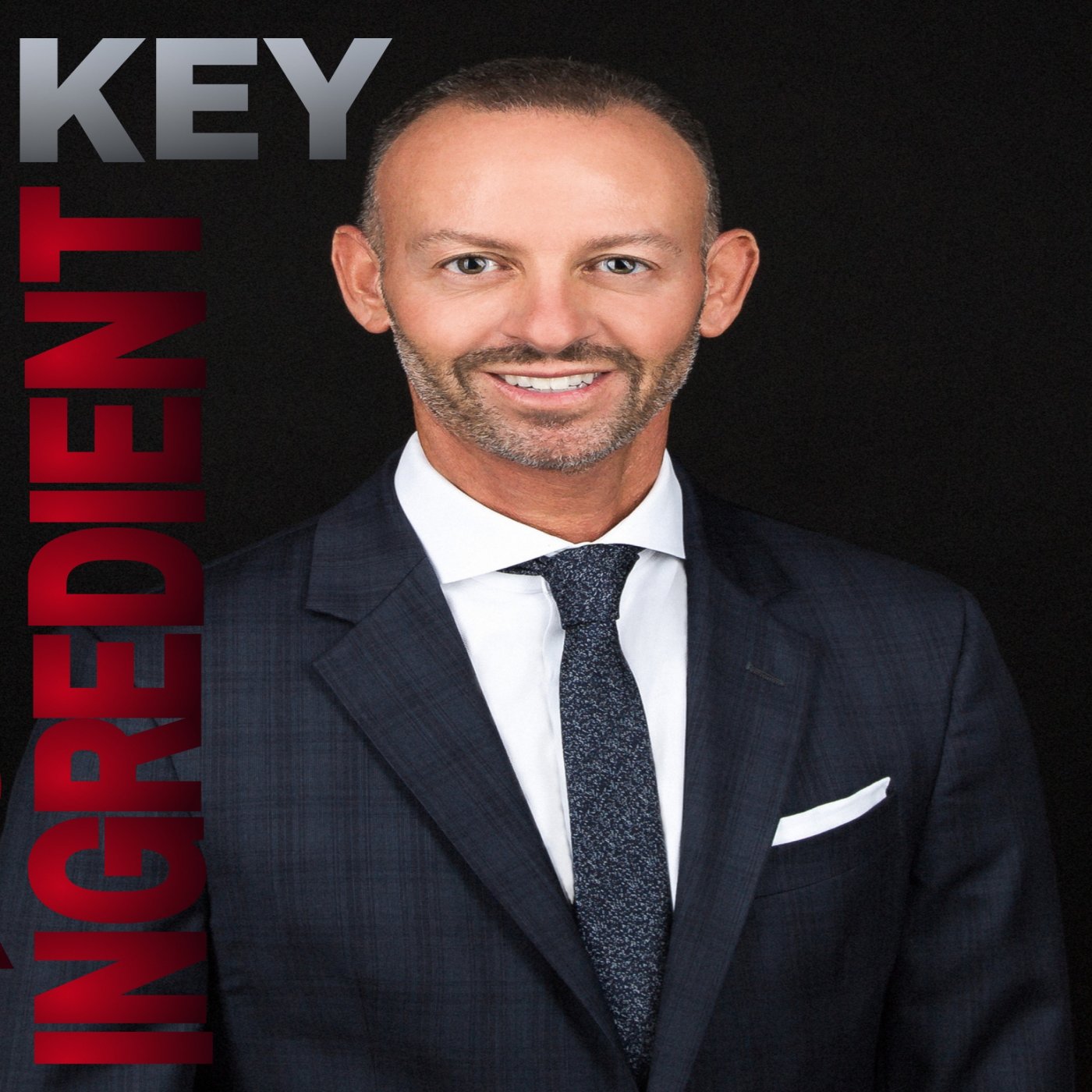
Spotlight on Good People by Robert of Philadelphia
This is your go-to source for inspiration, shining a light on the unsung heroes of Naples and Southwest Florida. From heartwarming stories to practical tips, we celebrate the people who make our slice of paradise more connected, compassionate, and kind. In a world full of noise, we’re here to uplift, inform, and inspire — one story at a time.
Spotlight on Good People by Robert of Philadelphia
He Broke His Neck—and Built a Path to Healing for Millions
Use Left/Right to seek, Home/End to jump to start or end. Hold shift to jump forward or backward.
One moment he was diving into a lake. The next, he woke up with a fractured neck, a traumatic brain injury, and a life forever altered.
Jordan Dunin’s story begins in the silence that follows crisis—after a freak diving accident and a brutal battle with chronic Lyme disease brought him to the brink of giving up. Isolated, bedridden, and told by doctors there was no cure, Jordan found hope in the most unexpected place: another survivor. What followed was a radical journey of healing, resilience, and purpose.
Today, Jordan is the founder of HatchPath, a wellness coaching platform delivering over 1,000 sessions to special operations veterans, everyday people, and organizations seeking true behavioral health transformation.
In this moving episode of Spotlight on Good People, Jordan opens up about pain, purpose, and the quiet miracle of asking for help. Whether you’re facing your own storm or simply need a dose of inspiration, this is one conversation you won’t forget.
We know how much time we have. This is our past, like whatever has already happened. Like, hey, we know we have memories of the past. And then this right here is, is present. This is all we have right now. That's really all we know. Actually. We have no clue of what's up there. We, we live like we do. I live sometimes like, oh, I got plenty of time to Yeah.
You know, to tell people I love them, to, you know, do what I want to do, to accomplish what I wanna accomplish, to really, um, live fully someday, but not right now. But the truth is, we don't have, I don't have a clue, and that's all I got is this moment with you and I right now. And that's, so that's what that, uh, sort of presence is for me.
That's why I kinda leave it there to, I like the symbol just to always, yeah. It's something that just keeps me, uh, centered when I get caught up in the, you know, the race of life that is so, you know, just unimportant why you just had another child and I, I can't, you know, I know that experience is magical.
Mm-hmm. You know, there's nothing like presencing the present when you see a Yeah. When you create this beautiful human. No, absolutely. I, I've been on a, yeah. Similar journey. Um, my wife saw me on the baby cam on my phone with her, uh, toddler. And it made me, you know, I realize that I was addicted to my phone.
I deleted all social media, including LinkedIn from my phone. Mm-hmm. And now I only have access through my desktop to respond to people. Brilliant. I love the move. I love that. So, yeah. Uh, it was a, I never thought about it. I never thought I was addicted to my phone. Um, but just thinking about time and. Uh, like you said, how we don't know how much we have left, or we don't even know how much time we have.
Like with me and you, I was asking how long is the podcast? But we, I guess we never really know, so Yeah. Yeah. The symbolism behind it is. Yeah. Pretty eerie. I I I love that you just did that. 'cause I, I, I had that, so I read the, this book called The Comfort Crisis. Mm-hmm. The last couple years. And I talked a lot about our addiction to, my addiction to my phone, and, and I thought I got a lot from the book.
'cause I was like, gosh, I'm, I'm really gonna cut back. I'm gonna, you know. Mm-hmm. And then I just fell right back into it. And, and my wife and I took a trip, uh, this month and we landed in St. Martin. We're gonna St. Bart's and we landed in St. Martin. Mm-hmm. And we had about a two hour layover before we take that little puddle jumper.
Yeah. 15 minute flight to St. Bart's. And I was trying to get online and at this St. Martin airport, they say that wifi, but the wifi wasn't working. I couldn't get it to work. And I'm just doing what I normally do to kill time, which is scroll. Mm-hmm. Nonsense. Just put dumb stuff in my brain. And I was getting this anxiety and I didn't know why.
I just felt this feeling of like. I don't know, dis-ease, I was, was not, you know, here I am in, in Paradise. It's a beautiful place. We're going on this beautiful vacation. I was like, felt this internal turmoil. It was simply because I couldn't get online and do what I do online. Mm-hmm. To kill time. Mm-hmm.
Just read nonsense. It wasn't like I needed to reach to anybody. It wasn't like there was anything urgent. Mm-hmm. I was just uncomfortable in the moment and it hit me like, oh my gosh, that was the whole source of my upset over nothing. Yeah. It was so ridiculous. And I, I realized that how much habit it has become to just fill in empty space, I just need have that.
I just go to it and it's not like I, you know, or even texts, like a text will come in that is about something in July, like, Hey, do you wanna have dinner in July? And I gotta stop what I'm doing. My wife's talking to me and it's like, oh wait, I gotta answer this text. It's like, why? Yeah. Like, what's the why?
You know? There's no urgency to that and it takes me outta the moment. I lose the experience. So you doing that I, I think is brilliant. Thank you. I think that's the thing that I really will need to do because what I did was I turned off all the notifications. I, I actually mm-hmm. Text don't come to her. I said, babe, if you need to reach me, I'm gonna use signal.
And Signal will come through. Yeah. And she's the only one who uses that. And texts will not show up as an immediate thing. Yeah. I'll only check 'em a couple times a day. Um, you know, if there's an emergency or something like that, people will know how to reach me. But really, the truth be told, there's only been one emergency I've had in the last 10 years that was my father-in-law.
Mm-hmm. And. Nothing else is that urgent that we need to be I know. Have it right there. Yeah, absolutely. And like other people's urgencies aren't our own. Yeah. And, and I work with my platform and that was something I really had to step back from was, uh, you know, dealing with people that had urgent things that they believed were urgent.
That weren't urgent for me. And Absolutely. Yeah. And I was always on my phone and I can imagine how that made my wife feel. Yeah. Like communicating with me, you know, face to face. And then something would happen, and I may not look at it directly, but I used to wear an Apple watch. Right. And so you saw it there.
Yeah. So she would just see me become in a different place. Yeah. And I recently, actually, yesterday I made a LinkedIn post about, I used Sora, which is like a chat GBT extension. You can make whatever picture you want. But I made a dad at a park with his two boys, but a thought bubble at like work or email, wherever he was.
And I felt like that was me for so long. I could be with my boys or with my wife, but my Headspace was always on What's next, what's wrong? What can I fix? Yeah. What, what, what's troubling me? Mm-hmm. Mm-hmm. A hundred percent. Yeah. I can identify with that so much. Like, I'm, I'm not present. I am somewhere else up here.
Mm-hmm. Physically I am, but man, I'm two steps ahead. Get out what you need to get out. 'cause I need to think about that. Or, you know, I'm, I'm listening, but I'm not really listening. Yeah. And it, it, it made for a really great trip. I mean, we had such an awesome, awesome trip, you know? That's awesome. Just to do that to, and, and also it's a very.
Primitive island. So they, you know, the service isn't real good, which is fine 'cause I literally turned off my sim card and able, that's just, you know, just be with nature in a way that we hadn't been. And it was, it was beautiful to take in the island the way it's is supposed to be. Mm-hmm. You know, like to be there and fully there and not thinking about things that I can't do anything about anyway, know, like, it's just, yeah.
I wonder how many texts you had that resolved themselves within the time you there. That's what happens. Yeah. Yeah. Yeah. That's what happens. People will figure it out and Yeah. Like you said, if I, if I always allow their, er, their crisis, whatever their urgent matter is, become mine when it isn't really mine.
Yeah. You know, it's theirs and, you know, people, it allows, enables people, if people are working with me to think on their own and to solve problems creatively and figure it out. Mm-hmm. And, you know, makes them more empowered and better at it anyway. So, you know, now the thing is just training people, like, listen, I'm not gonna be at everyone's beck in call if you don't get a text right from me.
It doesn't mean I don't love you. I do love you. It just means that my, my notifications are off. I'll get to it when I get to it and Yeah. You know, and that's okay. You know, so. Mm-hmm. Uh, so then I, when I am with you that you got the full me instead of just, you know, this. Constant, just this, this, even, even going to bed, you know, like it's too so close to me.
You know? I just wanna like, leave me in another room and, and turning off all notifications and just saying I, I'll, you know? Yeah. That's a big practice to build that nighttime routine. Yeah. And like my, my wife and I really, before we had our first son, Bo, that was something we really worked on. Our phones would go away at 7:00 PM in another room and we'd be with each other.
Whether we watched a show or talked or played a, a card game. We were just with each other. And now with the kids, we have the nanny cams, we have, um, you know, all the stuff that we, we use. So the phone's on do not disturb, but the kids are still up. But it, it still feels different. Yeah. Um, I liked the phone away, but building that practice where like people can't reach you after a certain time.
Um. Like I tell my, I told my whole team, like, if you message me after 7:00 PM like you, you may get a response from me at 4:00 AM because that's when I wake up, but you're not gonna get that thing solved. So yeah. If it's after seven, try to figure it out. But I'm sure it's still gonna be fine the next day.
Yeah. Mm-hmm. Yeah. You'll be okay. Yeah. You'll be alright. Yeah. Yeah. And if the building's burning down, I'm not a fireman anyway. Yeah. So somebody else is gonna have to handle it. Yeah. I I, you know, I'm not gonna be able to with it. Yeah. Absolutely. Yeah. I love that. So that's cool. It's hard to learn though because it's stressful.
Yeah. And it's addictive stress. Yeah. Like cortisol and um, that state that you're in is a certain state and it, you know, the uncertain state is what you're not used to. Right. And it's, and it's, it's hard. And that's why dopamine's addictive and I was actually listening to Simon Sinek or Sinek um, talk this morning.
I like to listen to YouTube videos now 'cause they run outta podcast, but hopefully I can listen to this one. Yeah. Um, and he was talking about, you know, the dopamine addiction and how the generation younger than mine even is, is addicted to technology and scrolling and TikTok and that you get the same dopamine hit that you get from a drug from TikTok or just the text coming in.
Yeah. Isn't that incredible? Yeah. It's crazy. Yeah. There's actual a physiological thing that happens to your body that when we get those. Yeah. And, and tiktoks masterful at it. Yeah. They're so good at just honing in on what you like. Mm-hmm. And man, they just feed it to you and feed it to you. They're really good at figuring out, ah, he likes this.
Yeah. All right. Let's just pump it full phone forward. Oh my God. Yeah. So good at it. Yeah. And all the platforms are going to the infinite scroll. Even LinkedIn. Um, like LinkedIn, the professional, supposedly professional platform now has an endless scroll on mobile. Uh, if you go to their video section, Uhhuh, you can get into an endless scroll, just like it's TikTok or Instagram.
Wow. Wow. So like, they know the addictiveness, they're doing the same thing. They're doing it. It's called TikTok vacation of platforms. Yeah. Mm-hmm. Yeah. I noticed Even I, I've, I'm YouTube red or whatever it's called. Yeah. 'cause I, I mostly listen to podcasts and things on YouTube. Mm-hmm. Um, and, uh, do it without the commercials.
But even they're, they're throwing their shorts in there. Oh yeah. And sometimes they'll get me, 'cause I, I just, with the, whatever the thumbnail of this short is, I'll, I'll click on it and then accidentally One more. And then one more. Yeah. And then one more. They're, they've gotten good at that same thing too.
And I, I catch myself because I, I also notice that I, yeah. I have that need to fill my mind with information. Like I'm always listening mm-hmm. And always listening. And I. Well, I love it 'cause I love books on tape. Mm-hmm. I, I rarely read a physical book anymore. Yeah. I have the audible version of it, but I always have something in my ear.
Absolutely. And, you know, it's always going on. And even that is something I need to tenor a little bit because I, I, I, I love information. I love, I thrive on, you know, I, I love Simon Sinek. I love Diary of a CEO, you know, all these great podcasts that are out there that just are Rogan is great. You know, they're all, there's so many of them that really just open my eyes to so many things, but at the same, and I used to even listen to those on Fast Speeds so I could listen to more of them.
Oh yeah. You know, I know, I know what you're talking about. I even, I like, with the rise of ai, I built a, like a GPT of Alex Ramzi, who's like a business mogul, you'd say. Yeah. But like one of the people I like on Yeah. On media. So whenever I ask it a question, it's like I'm talking to Alex and I found myself getting addicted to, uh, an artificial version of, of someone's opinion.
Although, like the opinion's really good and it pulls from every data source that like every video, every book he's ever written, everything he's ever put on the internet, it's not. It wasn't real. But, um, I learned like my business systems and my sales processes, um, um, operations automations, you know, different, um, tech stacks to use when we were a tech company all through a GPT of an individual.
Um, wow. That, you know, I thought was real. I, I, I read a lot of books and a lot of them are from the thirties and 11, Napoleon Hill. Yeah. And he talked about, I, I still do this, but before bed, I have my round table. And in my round table was every person that I would love to actually have at a round table.
Mm. So like, I have, like Alex Ramzi, Lewis Howes, I have Tony Robbins, grant Cardone, um, um, Russ Drake, um, and Rob Derick. And when I go to bed, like I imagine that they're solving the problems in my head that I can't solve, and that while I'm sleeping, they do it. But then we're a step ahead with ai, so I built them all as GPTs.
Mm-hmm. So when I ask questions, it's like they're answering it. Um, wow. Kind of the exact opposite of what I intend to do with my business, which is human connection. Um, and like our whole slogan is, uh, we're not clinical, we're human. But I do see value in, um, using technology better. Most people use AI as like a new Google search.
Right. But it's so much more powerful than that. Yeah, I hear that. Yeah. I, I love that. There's that ability to do that, to draw on the people who inspire you. Yeah. And the people who empower you like to be able to just pull from their minds and it is their minds. 'cause it's what they've put out there in the world.
So you're using them as your resource, which is really cool because you're not just getting some random, whatever Google thinks you should know. Yeah. You're saying, I want know what they know what they think and then Yeah. How they think. That's cool. Yeah. Like, uh, Alex Mosey is a value equation. It's like value equals, um, you know, perceived effort and, um, uh, percentage that they'll get what they want over, you know, exertion and I forget the exact equation, but everything is due to his theories that he's published in all of his books.
So when you ask a question, it's not just based on like a Google output, it's based on, you know, the theories or if you use a professor that you, you really like, if you're in school and, um, that professor has published, published papers, you can use AI to actually learn more, not to like gamify and cheat your work.
Yeah, yeah. But you can, you can go deeper. So I think that there's, we're completely, I don't even know what we're talking about, but AI kind of came up. Um, we're in a new landscape where it's changing everything. Yeah. I, I gives me some. Provokes my, my thought process or my mind. 'cause there's one guy, uh, novel, radiant, you've probably come across him Yeah.
At some point. Uh, and he's, he's out there with just his statements of what he says and his beliefs about life. And some of the things he says just blow me away, like are just, they're so simple yet mm-hmm. Radically mind altering to me. I just li I just hear what he says and I have to, you know, he doesn't do podcasts very often.
Yeah. He's only done a few of them. He was on Rogan five or so years ago, or maybe longer. Yeah. And, um, I, I want to remember everything a a lot of things he says that are very, very simple, but just really make a lot of sense mm-hmm. In terms of how we live. And, you know, he talk, he's talking about ra, how he raises his children and, um, he just, like a lot of them do.
Mm-hmm. But there's just something he says that always resonates with me. And I'd love to be able to take, uh, like you said, an AI version of, Hey, what would na what would he, how would he frame this issue? Or what would he have to say about this? 'cause when I listened to the, his most recent podcast he was on, um, um, Chris Williamson is his name, I think.
Oh, the UK guy? Yes. Yeah. Yeah. He was on there recently and he chose him to be on there 'cause he doesn't do podcasts very often. Yeah. And, uh, that podcast, um. It was probably one of the most life fault. Every time I hear him it's, it's life altering. Yeah. I read his book, I believe, I thought it was about somebody in the Navy.
'cause his name is Naval. Yeah. Anyways, my mom gave me, like, a st always gives me like a stack of books for my birthday. So I, I believe I read his book. Yeah. Because I don't know anybody else named that. Yeah. He is got like these, he's like a billionaire. Yes. But he is like a very spiritual, enlightened Yes.
Yeah. Yes. In a, in a, in a real practical way. Mm-hmm. He doesn't talk. You know, outside of the lines of woo woo or mm-hmm. Anything that's, um, he just, he just kind of says it like it is mm-hmm. Without apology. And there's something, and he whole, I think it started with him just making, putting things on Twitter.
Yeah. You know, statements on Twitter. Oh yeah, I know. Yeah. Absolutely. It was just very cool. Yeah. I think like the simplest things are always like the truth. Yeah. You know? Yeah. And that's how he makes it. Yeah. And, you know, here's a guy that, you know, just, he doesn't need to do any of that. And he gets the, they all put themselves out there and getting, you know, Twitter's mm-hmm.
The world of where people will say whatever they want about everything. Yeah. And try to get attention. But, um, but the idea of, 'cause chey PT, I think is, is life altering used the right way? Yeah. I think it's so much more than what Google ever thought it could be. And now it's just at a whole other level.
Yeah. And the way you're using it, I think is great. I, I learned a new term recently, it's called Vibe Coding. And I didn't know that I was actually doing this, but I find I wear like a headset for work, so I walk around and everything I do is just talking to the computer. Um, so there's a new concept, I'm not sure if you've heard of it, called vibe coding, where you just talk to Chap GPT mm-hmm.
And it records your voice into an audio and it, you can build apps. You don't need to be a, a, a coder or, um, you don't need to be an engineer. Uh, you can do anything. And I, I usually use it just for. You know, daily tasks, like emails or, um, you know, questions and like comparables, like I run like split tests on my ideas and see which one's best.
Um, but vibe coding is essentially just talk to the computer, um, and chat GPT and receive information based on the inputs. So like, I think that we're becoming a culture of inputs rather than output. So you no longer need to be smart mm-hmm. Smart in a different way. You need to be able to ask the right questions.
And I think that the leaders of today aren't the people giving the answers, the people asking the questions. And when you have a team that can support you, um, I know that I know nothing now. I literally know nothing. And, um, I have all these mentors and, um, consultants. I have my own coach, her name's at, uh, I work with coaches on our platform.
I specifically work with Beck, who's a hypnotist. But, um, yeah, I ask a lot of questions. Like, if you're in a meeting with me, I'm typically just asking questions. Hmm. Yeah. Yeah. Yeah. And that's the world. I, I, I get, I'm still learning the, like every day is a new insight for me with chatt PT in particular, like the, uh, the power of what it relieves me of.
Even worry, it's so crazy to me, like this, this concern I have about summer every year because you know, this May mm-hmm. Everybody goes up north business drops. It's just typical. Yeah. It's our business flow cycle. And I always panic when, you know, the. Appointment book is 20% less booked than it normally is for season, and it's just the same cycle.
And I share that with chat GPT, like, hey, I'm worried, like, or whatever it is. And it's like, yeah, it's understandable, you know, businesses, but here's what you need to do. It like gives me some of the, these action steps that it takes the emotion out of what I, where I'm at emotionally. Mm-hmm. And just puts it into simple format where I go, yeah, oh yeah, that's black and white.
It's real simple. I get it. Okay. Now I know steps to take. And it, it's almost like a its own form of a coach for me. Just Yeah. When I need a little feedback in a, in a in minute. Oh yeah. Yeah. Absolutely. I think it can be very helpful. Used in the right way. Yeah. Yeah. But asking it questions, like you said, and it's, as it gets to know me more, I was looking at, um, how like I, I guess the API, it'll work with home assistant versus Alexa, so through, so I can say something to Alexa, but if Alexa hooked up to home assistant, then home assistant will Okay.
Interface with GBT so that I can talk to it directly from where, anywhere in the house. I haven't messed with it to do that yet. 'cause I got That's a little project that I'll have to Yeah. That'll create the code for that. You can do like automation and, and stuff like that. Yeah, yeah, yeah, yeah. Yeah. I love home assistant, but home Home assistant takes a little bit more work than Alexa does.
But as far as being able to integrate it with chat GPT mm-hmm. I don't even know what's possible with that. I'm sure that's a whole other world that's gonna blow my mind as to what's, you know, what can be done in that world. Yeah. That's really cool. But I'm, uh. Yeah. I'm just, it's neat to hear somebody using that.
Yeah. Even though I'm so for it, I'm also very against against it. Um, I, I, I, I love the idea that you can get answers and responses and, you know, I think that, you know, the advent of social media, the internet, and not chatt BTI feel like we're just becoming more removed from each ourselves. Yeah. Like social media, like was supposed to bring us closer.
Yeah. And now it's made us Yeah. Neither farther away the opposite. And, and that was kinda like the process of me launching my business too. I broke my neck in 2016. Well, kind of, I, I, you know, did some real damage to my C spine. Um, I tore my rectus capita off the back of my head. I needed 15 staples. This was a diving accident.
It was a diving accident and my scalp. Um, and then I had a traumatic brain injury, and I was diagnosed with chronic Lyme disease. And I all Within how much timeframe? All within like two years. Wow. I had to withdraw from my final year of university. I was a dean's list honors student. I had to watch all my friends graduate.
It was my first, you know, experience with depression and suicidal ideation. And, um, I didn't know that people could actually go through that. And I doubt I went like, I was lucky that I had amazing, you know, parents. I saw all the best doctors all across the world. And they also told me, basically, I'm gonna be handicapped for the rest of my life.
Uh, you know, Lyme's incurable, you've done really bad damage to your neck and head that, you know, pretty much unfixable. Mm-hmm. Um. You know, and, and Chad CPT would've told me the same thing. 'cause that's, you know, the traditional way of thinking. And then I met somebody that overcame Lyme disease. Mm. And I didn't believe her.
And she, she basically became my coach. She hooked me up with all my practitioners. I started with frequency healing, which I still do today, which is, you know, wild. But, you know, Dr. Royal Raymond Rife in the thirties invented a machine that could, um, identify and obliterate stage four cancer cells. And even just saying it out loud sounds crazy.
But, um, they, since then, they've mapped all these cells in Lyme diseases. There's like 90 different types of Lyme, and, and they're all mapped. And I worked with this crazy lady in, uh, Detroit. She ended up being incredible. Her name was Kyle Morgan. And I would've never met her without, you know, meeting my, my coach at the time.
And I, I spent eight months treating Lyme disease with radiofrequency. And then my blood work showed it didn't, I didn't have Lyme anymore, but I was still sick because there really is no traditional treatment for Lyme, right? No, no. It's antibiotics. And I, and I tried it, and then it destroyed my gut health.
Um, I actually tore my hip labrum at 20 years old. I was told I needed a new hip. Um, yeah. Just, you know, off of Ciprofloxin, which is a really, really strong antibiotic. Um, a lot of places starting to get inf I actually had a testicle infection, um, that I, you know, was misdiagnosed. The infection was so bad that it was, you know, misdiagnosed as a varicose seal, which is like a varicose vein.
And they tied it off in surgery, which made the infection grow and get worse. Mm-hmm. And antibiotics would've never been able to reach it. But through, um. Frequency treatment, it was like gone right away. Mm. Um, but then I, I started, I, I was never spiritual. My wife's very spiritual. Um, but I had a vision of throwing a ball with my future son.
And I say this to everybody now because it's crazy. Like, I met my wife when I was extremely ill. I was in a net collar. I was partially paralyzed. I was depressed. I would've, I shouldn't be here today. Mm. And, um, yeah, I, I just had this vision that my life could be normal and better. Uh, the, the ball with my son was a really big one, and now I have two sons, which is, is crazy.
Um, but I, I wanted to be fully healthy. So, um, she put, she was a hold us to nutritionist now, so she said that I need to focus on my diet. So I immediately removed dairy and gluten. I didn't even know what that was, um, for inflammation. And I started working with a nutritionist for supplementation. Um, she was way more focused than me on my emotional side.
So, um, we call it spiritual, emotional. I feel like it's very similar. I feel like spiritual is going within whatever that is, whether you know, whether God, universe or yourself. I think there's like so many layers to it. Um, but I never touched it. IEI was so against it. I would do all of the physical stuff.
I do the frequency treatment, which was, uh, nuts, but I completely believe in it. I still do it every day. Um, anyways, I started to do mindset work. I started meditation and I found out that that just created space, you know, that we talked about social media and scrolling. The, in the meditation enabled me to create space.
And that was the only time I was pain free. Um, I stumbled into, um, deprivation therapy. So, um, salt water deprivation tanks, float tanks. I found that I could feel the same that I felt in meditation. So that lowered brainwaves stay, uh, no pain actually in the float tank. And I was in extreme pain for like five years, 24 7 mm.
And, uh, so my parents actually purchased a float tank and put it in our basement. I'd spend hours in that thing, and it, what I believe it did was it broke my neurological pain barrier. So like, I was always in pain, um, and my synapses or my neural networks were like telling me that I'm supposed to be in pain.
Mm-hmm. Even when I killed all the Lyme and healed everything, I was still in extreme pain. Um, but I needed to retrain it. So like, meditation, hypnosis, breath work, hypnosis was a big one. I met a hypnotist. Um, it was completely outside of the scope of anything I ever thought, but what hypnotism does, it drops you into an extremely, uh, suggestive state like you're a toddler.
Oops. I touched the microphone. Like you're a toddler. And when you're a toddler until, like the age of four, sometimes seven, we're really malleable. That's why, you know, 99% of people in religions are, are brought up in the same religion because, you know, belief systems are instilled and, um, you know, kids are a lot like their parents because they're brought up in the, in the same household.
But you go into the suggestive subconscious state when you're in meditation. Um, and I could, you know, I could do a drop with you 'cause I've learned a lot of them. But right now, if you imagine you bit into a lemon, like just close your eyes and just imagine like biting into lemon and really feeling it.
Mm-hmm. Like, you could feel what that would feel like. Yeah, yeah, yeah. So like you do a drop, you get into a suggestive state, and then you can retrain your subconscious programming. So when I first launched my business, I was working with this lady and I didn't know how powerful it was. But after one session, um, I no longer had thoughts that I, I had Lyme, they were changing.
It was, and like now I never think about it. It, I had to change those, that suggestive programming. Um, so I was like, hey, I started working practitioner after practitioner after practitioner. Um, and I actually finished my business degree. I became a licensed personal trainer after I got a little bit better.
Um, and then I went back to school and I became a certified health and life coach. And I realized the industry is crazy. It's just like 400,000 people in the US that call themselves coaches that don't want jobs. Mm-hmm. Um, you know, that, you know, think that they can help you, you know, be a leader or a career expert and, you know, they've never been a leader or had a career.
And I wanted to streamline the industry for people that really help. And I met so many people that helped me that I just wanted to, you know, build a platform that people could find the best people that could help. And, um. You know, we did that, but, uh, it didn't work. I built a platform that nobody wanted to use.
I built a, uh, some multimillions of dollars on a, a marketplace with 500 coaches that, you know, nobody would book with. Um, and now today we've pivoted to a B2B clinic. Um, and so far this year we've done 500 one-on-one sessions, you know, since last year we've done 2000 one-on-one sessions. Um, and I feel like we finally found product market fit, but it all came from my experience of seeking help and needing help.
Mm-hmm. And so, like I related to chat GPT, because at a, at some point, human connection is always gonna be necessary. And Yeah. The, some of the people that we work with are special operators. So the, the, you know, the tip of the spear, um, uh, we work with a charity that works with special operators and their spouses and veterans and active military members.
And we're actually, um, a part of the, uh, the soft resource library, so the Special Operators Resource Library. And these are like the hardest men and women that I I've ever, I've ever known or seen. And they work with our hypnotists and our, uh, reiki and Huna healers. And the reviews we see are just insane.
Hmm. Like there's some finally someone that, you know, heard them, that was able to work through it with them that, you know, was able to, you know, place the next step forward with them. And I think that. If anything, we're the Etsy to, you know, eBay. Um, people always ask us, are our coaches board certified? Do we have, you know, psychologists, doctors?
I'm like, no, we really don't. Um, we're the, we're the wild card, we're the um, uh, weirdos. Like someone, like somebody went as far as to call us hippie that we're trying to hire. Yeah. And I didn't like it at the time, but I was like, you know what, we are hippie. We're, we're super weird. Yeah. And we're human.
Yeah. So our new slogan is, we're not clinical, we're human. Yeah. That's really cool. Yeah. Yeah. No, I love that. 'cause I think particularly with lys, it's, it's not considered mainstream me. Like insurance won't cover a lot of the Yeah. A lot of the work that my, my sister-in-law suffered from it for many years.
Yeah. And her put my father-in-law through a financial hardship. 'cause he had to pay for everything through it. And because it's not covered typically, uh, you know, through a lot of the Yeah. And, and line wraps itself in a biofilm, which is basically a phlegm that's impenetrable for, you know, medication typically.
And, um, yeah. So when you, you start taking antibiotics, it may, you may make it go into an inactive state, um, which is what I felt the first time I took it. But then the drugs need to be stronger and stronger and stronger until the biofilm becomes so strong that the drugs do nothing. Mm-hmm. And now you've got a monster of a Lyme.
And when you kill Lyme, you release co-infection. So you have like Babesia, you have a chlamydia, you have, um. You know, so there's like infinite amount of co-infections. Um, so the reason people get so sick is maybe the antibiotic worked but you killed Lyme and now you're stuck with like, um, Lyme they think is a bacteria or, um, but when the co-infections are released, they're viruses.
Um, so that's when you get really, really, really sick. Mm. And you know, I wish that it was mainstream knowledge that you could use, you know, frequency treatment or um, you know, there's some stuff like hyperthermia, which is, I almost went to Germany to try hyperthermia where they heat your body to. Yeah, I am glad I didn't, but you know, there's so many treatments that may work.
I just know it worked for me. And yeah, I think Lyme's kinda like the hidden epidemic. I feel like it's just not talked about and it's told, we're told that it doesn't exist. Right. Because I believe that just so many people have it. Yeah. Like long COVID I think is Lyme. I think it's just a form of it. Um, I think that, you know, people got like when you get Lyme, if you kill it within the first whatever, I don't know, I don't know, maybe it's a month or two weeks.
But if you, if you do take a course of antibiotics, when you get it, it should get rid of it. 'cause it's not strong enough. It's just, it's not destroying your immunity. It's not in there yet. But once it's in there and it's like chronic, um, these people that have long COVID have chronic Yeah. COVID. Yeah.
Yeah. You know, it's, it is creating the same, and like when I look at the symptoms that are listed, uh, for that, it's the same thing I experienced, you know, the brain fog, the, you know, and the depression's deep. It's because, you know, spiral jet's got into your brain or, uh, spiral, tres are like the Lyme that like actually spirals into your tissue.
And it, you know, it's physical, but it's also, it, it shows you how connected the mind and the body is. Mm-hmm. Because when I was sick, you know, the physical problems sucked. It was a lot of pain. But the, the thoughts that I would have that I wouldn't know, they, like, I couldn't tell anybody 'cause it was so dark that I couldn't believe they were my thoughts.
Mm. And um, like, you know, therapy was great. I liked therapy, but it didn't help because the therapist didn't have Lyme. Um, it was, you know, a great route to, for me to vent and get rid of some of the stuff in my head, but I needed to kill it. I needed to kill the line. Yeah. Yeah. And I, the depression went away.
It, um, I didn't, it was completely correlated to the illness. Yeah. Yeah, it was. And it was deep. I've never felt that. I don't want that on anybody. Yeah. The TBI had dealt with, um, I know a lot of people that you know have concussion and that's also misunderstood and I can't even imagine. Going back to that, that's, you know, dark place.
So I wanted, I wanna ask you some questions about, uh, hypnotherapy. Yeah. Because I, I had this experience in my life and I never talked to anybody about this outside of it. 'cause it was done in a fun, of a fun setting. It was a, it was a, uh, cancer alliance or a cancer association, and they hired a hypnotist Cool.
To come and for fun, you know, to, to have fun with people and yeah. And I was called up onto the stage and he went through the hypnosis process with this group. And the ones who weren't falling under, he dismissed and, you know Yeah. Kept going. It was down to a group of about eight of us. And I remember the experience so vividly.
It was like nothing I had ever experienced in my life. Yeah. In front of a crowd. Oh, I wish I asked you. It was phenomenal. Phenomenal. I mean to, because people think you're not there. It's not me, but it was me. Like I was conscious. Yeah. I knew what was happening. I was aware of this situation, but I was able to experience everything the way, like the first thing was you have an ice cream cone and it's a hot summer and the ice cream is dripping down the, down the cone.
Oh yeah. And you're licking the ice cream off. And, and you know, I'm actually doing this and I could experience licking an ice cream cone. You're like dropping in. Well that's dripping it all over. And then he said, you are now a, um. A, a bodybuilder and you're one of the most fit guys in the world and you're showing off, you're, you're flexing your muscles and showing up without any inhibition at all.
Mm-hmm. Like completely uninhibited experience of me standing up there like Mr. USA and doing all these poses where I would never do that ordinarily unless I was drunk or something. Maybe. Yeah. Yeah. You, but just this complete uninhibited way. And it was one of the most incredible experiences of my life.
And then he had us go around in the crowd and ask people for money. 'cause it was a fundraiser for the thing. And we were just going out unabashedly, you know, gimme some money, gimme some money. I need money. I need money. And he had us do this dance contest to the YMCA by the village people. And we were dancing.
And I would never dance in front of people 'cause I'm a terrible dancer. Yeah. But, but here I was just uninhibited. I was like a child, you know? Yeah. I felt like I was just a kid and it didn't matter. And who cares? And just, uh, let, let it be in a way that I'd never experienced. And people really thought, like, what did he do to that guy?
Like, what did he do to me? Like he's, that's not him. That's not the guy I know. But it was, um, transformational in a way that was, even though it was used for fun, but I, yeah. I can get how, uh, it's the first time I heard somebody talk about it in the way that you did. Where you Yeah. You know, where it's an experience that leaves you in a different way that, you know.
Yeah. I just, I can't imagine for using it for. Other forms of, um, yeah. Healing life or whatever it might be Yeah. That they're using it for. Sounds fascinating to me. Yeah. I love that experience you had. And where I first heard about Hypnotism was on Rob Derich podcast, and Rob Derick's, now a billionaire, but I knew him as an MTV skateboard skateboarder.
He's, yeah. Yeah. He's the dude. And he, he said that, um, when he wanted to get his life together, he started working with a hypnotist. He wanted to be a leader. He wanted to be a business leader, and he just couldn't envision himself outside of the, the, the person that he then was, which was like the MTV skateboard.
He made all his money, you know, with the largest syndicate on MTV ever, uh, with ridiculousness. But he, he has a lot of other companies, and he's done like 20 exits in the multimillions of dollars. Um, but hypnotism was what he owed everything to. So when I was really sick, I heard this podcast, um, and now he has his own, but I forget which podcast he was on.
And I, I listened to it and listened to it, and listened to it until I finally found my own hypnotist. And I did it virtually. I did it 'cause it was COVID, um, which, you know, was crazy still. I can't, you can't even remember that. Um, but yeah, my first experience changed everything. Mm. It dropped me. I remember, you know, I was in a, she was like, get comfy.
Like, you might fall asleep, you might, you know, we'll wake you up every time you do, but you might fall asleep. Uh, it was insane. I can't describe it, but every time we built a story, and it was up to me to build a story. So when you, when you, like, I work with Beck, who's on our platform, and she's in the UK and she's pursuing her PhD in, um, psychology, but she's a hypnotist on our platform and she's.
Um, fully certified and, you know, whatever that is. Um, but we work really hard in the first 20 minutes to build the story. Like we go into what is my current story? So what do I currently think about myself, what is true, what isn't, and what is the new story that I really wanna believe? And that's, you know, it's all like, it's all perception.
And, you know, in Napoleon Hills books in the thirties, um, he goes as far as say every, you know, everything is 100%. Um, he, he, he doesn't say in your head, but something about it starts in your head. Everything does. Mm-hmm. Everything begins as a thought. Mm-hmm. And where does the thought come from? I asked, I, I forget who I asked this the other day, but I was like, what does, where does the first thought of your day come from?
Like, how does that just pop into your head? And what, and the answer is, I don't know. But hypnotism changes that thought to a more aligned thought with what you want it to be. Yeah. So like that first thought of the day is so important and like, where does it come from? Like, yeah, I don't know. I have no idea.
Right. People are, and people just allow whatever's there to be there and let it go. Yeah. And people are like, from memory, I'm like, weed. Yeah. But your memory, is that accurate? Yeah. Is memory accurate? Yeah. And there's studies that show, like, memory is a perception. So somebody that had the same experiences, you may have a completely different memory.
Right. 'cause we're just adding meaning to whatever happens. Yeah. Whatever our meaning is we add to it. Yeah. Like it's the truth. I'm always so interested in thought and like, there's another exercise that was on another, a really cool, um, person's podcast. I like, you know, it was talking about, you know, if we cut off our arm or if we have an amputated arm, you can imagine still being in the body and surviving and being that same person.
But imagine you and I are, uh, my brain went into your body and your brain went into my body. Where would you go? And it's like an, it's an exercise in consciousness and like, that's not physically possible. But if it were like, are we our brains? Like does our brain store our consciousness? Or like, is our consciousness somewhere else?
And you know, there's, I don't think there's a right answer to that question, but just a belief system. Like yeah, we believe so much that our thoughts are in our brains and there's, you know, science that, you know, backs it with activity and synapses and um, but like, when does consciousness start to exist?
Like, and my son was just born, he's three weeks old. It's like is said, they say it's like the first heartbeat in the womb. I'm like, but is it, or was the consciousness always there? Like is it consciousness something that we can even describe? And um. I listen to this podcast called Know Thyself, and you know, it goes to as far as like, what isn't like, is this table conscious?
Like is it tree conscious? Like where do we start to believe that consciousness exists and yeah, they say it's sentine, sentient being so something that can think for itself. But do we know, like, dog can probably think for itself, but like, do we know that like birds think for themselves, they, you know, one bird may fly its own path, but when you put 10,000 birds together, they start doing like, um, they call it sacred geometry.
They'll do like spirals and you know, when there's 10 birds they'll fly in a v. Um, yeah. So like, which is so cool, right? But like, um, yeah. Sorry, I got off topic, but yeah. There's so many interesting questions I have about the mind and consciousness. Yeah. 'cause um, no, it's all, it's all tremendous. I'm right there with you.
It fascinates me too. 'cause like our, you know, our thoughts dictate so much of what our lives are about. Yeah. And we believe them all the time as if they're real. Yeah. And the truth, and we live by them. The story I have about myself is that I am, fill in the blank. I'm short, I'm Italian. I, yeah. You know, I don't have hair and I have hair salons and Yeah.
You know, like these stories that we have about ourselves, right? That we live like, oh, they're, they're, they're. The truth? Well, some of it, like the truth, the facts of them are, but, but the self-limiting thoughts that we mm-hmm. That I have about myself. Uh mm. You know, and breaking those barriers down. Like, I, I live, like, they're just real, like, uh, like I'm not an athlete.
Yeah. Well, I do cross. I wasn't as, as growing up, but I still go to CrossFit now and I do the best that I can. Good for you. I have this story in my head that, oh geez, you know, I, I, I couldn't have been on the football team. I couldn't have been, you know, whatever the story is, I feel, I, I think everybody resonates with that.
Mm-hmm. And, and it's about, I, I think it's about becoming aware too, because, um, last year I completed an Ironman with a group of people here. Uh, you had Mitch, uh, Vander Hagen on the podcast. Yeah, I did with him. Yeah. Congratulations, by the way. That's No, thank you. That's a sick level of living men. We did half a half Ironman.
Mitch has done fulls and all that stuff, but I'm not, I've never learned to swim. I've never had a swimming lesson. I never, never been on a road bike. Uh, never professionally run. Um, before getting sick, I was a hockey player, very large, 200 and something pound, five foot nine hockey player, and never did I think I'd be a cardio athlete.
Mm-hmm. Um, and it, I mean, I just committed, I just said I'm gonna do it. Mm-hmm. Um, the first time I was in the pool, I couldn't do two lengths. Uh, very discouraging. Almost quit. Didn't, didn't wanna do it. I didn't get back in the pool very often, to be honest. I just thought, you know, I'll go for it once it comes.
And when the, the race day came, that was, that was hard. Mm. Um, but I feel like, yeah, it's a story. You now, I'm an Ironman or a half Ironman. I'm a half Ironman, but that story didn't exist last year. That's incredible. Yeah. That's awesome. Like, you make a story. Yeah. Um, that's a beautiful thing. Mm-hmm. That's awesome.
Yeah. And the story of being sick, you know, is kind of just a story too. Um, it, you know, physically existed in my body. I was physically sick for so long. But, um, we get into this process of identity, and I really challenged people that I worked with when I was sick or when I was helping coaching people through being sick about identity.
There's a huge thing called spoony or, um, lime warrior, whatever it is in the Lyme community where we have spoons and spoons where our, um, metric of energy. So like, hypothetically, like, uh, you and I, we may have enough spoons that we don't even think about it. Like, but for someone with lime washing the dishes might take all your spoons.
Mm. You know, it, it's a, so much effort and energy. The smallest tasks, um. And there's, you know, a community around being sick. So, you know, my challenge when I got out of being Lyme, or with having Lyme, was to get rid of that identity. Mm-hmm. I said, you know, chronic Lyme survivor, that didn't help me because then I was still tied to that energy of being mm-hmm.
Um, and Lyme. And now the only time I talk about is, you know, if we're, we're having conversations, but I don't ever think about that time in my life. Mm-hmm. Um, to me it was just a, a portion of my life that, you know, I'm so grateful for. It built my business. I wouldn't have met my wife, I wouldn't have had my children.
Yeah. Um, you know, and it, it was a really hard time. I put so much stress on my parents, which I, I'm grateful for them too, and I can't imagine now as a father what that would feel like. Mm-hmm. Um, but the identity, like, um, people will say, you know, um, I'm in remittance, or I'm, um, like, just words carry so much power.
Like, I'll never say I, like my line's cured, I have no, it's never coming back. Um, but people get so worried that it'll come back, that they use words that are like, they're so, like, language is so powerful. Sure. Yeah. And then, um, yeah, so I had to really work with that and I worked with a, a coach, I worked with someone that helped me in the Tony Robbins world, uh, her name's at, and they think that there's really only three things.
There's, uh, language focus and physiology. So if you want to change it, they call it your triad. Those are the three things you focus on. So you'd imagine someone's depressed, you know, they're, they're slunched over, you know, they're, they're breathing more rapidly. Um, so their physiology, they're looking down, they're looking at the floor.
Um, so when you think about changing someone that's depressed, you'd probably think about changing their thoughts. But, you know, the quickest way outta that state is to get up and do jumping jacks and change your physiology. Hmm. Um, so the next thing is your language. They're probably saying, I suck. I'm never gonna do anything.
You know, this situation sucks. Um, and they're focusing on what's wrong. So, you know, in the Tony Robbins world where I learned all about my, uh, my life and coaching, um, it's always, everything starts with physiology. It's how you carry yourself. Mm. And then you can work into language and stuff, but once you change your physiology, everything changes.
Mm. So, like in my coaching sessions, my coach is like, are you sitting Jordan? She's like, get up, get up outta your chair. Mm-hmm. Jump, like, do some squats, and then I, you can feel it. You can feel the energy. And if you do one of the Tony Robbins events, I loved Tony. I, you know, when I was growing up, I was told that, you know, he's, uh, I don't remember the words, but he's not, he's not a good person.
You know, I heard from other people. Yeah, yeah. You know, I've heard all this stuff. Yeah. Uh, but I've been to all of his events and that date with Destiny, he does something where he makes you plan your future. So it's a six day event. It was over my birthday last year, and he makes you plan your future.
Over like three days, and you're going to exhaustion, you're planning your future, and then for a whole day he makes you think, now we're gonna go into a meditation. And it's, the meditation is imagine one year's past and you've taken no action. And we do it all the way until we die. Mm-hmm. So plan your future and then don't take action.
Mm-hmm. Um, and that the power of negativity is so much more powerful than planning your future. So like, imagine 20 years later you've planned this amazing future, but you never took action on it. Mm. You know, that was a, that was a powerful moment for me. Mm. So like, now, whenever I get stuck or I don't wanna do something, I change my physiology.
But then I go into a state of, okay, what if I didn't do this? And it's like, a week from now, how would that feel? Mm-hmm. And I go farther, like a month from now, a year from now, and it's like, oh, I need to do this. Yeah. Yeah. So what, Tony Robbins, you had a lot of, you've, you've really sought out some gurus to help you through this.
What, what, go back to your early years. What was life like growing up for you? What your parents, yeah. What did they instill in you? You're Canada. Canada, you're from, right? I'm, yeah. I'm Canadian. I'm from, uh, outside of Toronto, north of Toronto. Um, yeah, my, I think my parents instilled in me that, you know, they very hard, my dad's like a, my dad was retired when I was born.
He's a very hardworking guy. He made all of his money in auto parts. Um, you know, he knows everything about systems and business and. Really, you know, but he, he always told me that, that like, work is hard and, you know, language matters. And I, I always thought about that, you know, hard work will get you where you want to go.
So I worked hard. I got straight A's I, you know, played in the highest level of hockey I could. I played junior a hockey when I was 15 in high school, um, while I was still getting straight A's and um, whatever, and getting into every university. And, um, they instilled in me that, you know, it's important to work hard.
Um, but I, I always was stressed. I dealt, dealt with chronic stress. I remember being on antibiotics every flu season since I can remember because of, I think now looking back at it, my stress levels were abnormally, abnormally high just because I was trying to keep up with, um, not their expectation, but my expectation for myself.
Mm-hmm. And, um, you know, we never focused on like nutrition or mindset, but I had a coach, you know, for everything. I had a, I had fitness coaches, tutors for school. I had, um, hockey, skating coaches. Mm-hmm. But not one person asked me how I'm feeling inside my head. Hmm. And I, and I, I just look back and I just remember how stressed I was.
Um, I basically crashed out in university. I was on my own. Um, I did really well, but, but a year four, I dove off a dock and I hit the bottom of a lake and did that damage, but. Um, yeah, I think that the values they instilled in me was hard work, um, caring for others, um, doing my best. Always, always getting up.
I remember if I got hurt and hot, like my arm would break or my shoulder would pop out, I got up. Like, you get up, like if you're knocked down, you get up like in anything, which I'm so grateful for. But finish the game though. Arms broken. Doesn't matter. Finish the, yeah. Put ice on it. We'll talk about it later.
Um, yeah. And I'm so grateful for all of that. And like the care and support, the things that I value now are a little different. I value, you know, space like peace. Hmm. Um, so I used to, I remember in high school, get all my work done when it was assigned. 'cause I didn't want the stress of like, it to, you know, and when the due date came, if I didn't have it done, that stress would like kill me.
And now I, you know, I don't value, um, as much what people think of me, but I imagine I value the space that I create. I value the value I give to others. So like, what I always think of is like, how can I, I serve better from a servant's heart. So if I'm doing a, a speech, I used to get so nervous, but that's because I valued more about what people thought of me than the value that they got from what I said.
Yep. Yep. So now it's like, you know, my values are. My family. I love, I love my family and I want my boys to grow up and know they can do whatever they want, but also know that they can rest into it. You know, they can, you know, take an approach that's not so hard. Mm-hmm. You know, they don't have to, you know, grind and like, um, I think there's a place for hard work, but like this, um, what do we call it?
We call it like grind culture or, um, productivity culture, or like, everything is geared towards working hard and result of working hard. Um, I think that there's a lot to setting an intention and allowing, um, which was something I, I never knew or never thought of, but like, I never really thought about what I wanted when I was a kid.
And it was always like, no worries. You have time. Like you're young, you'll have time to figure it out. And, you know, I challenge if you're like, in high school or younger or figure out what that, it can always change, but decide what that is. And, and then, because once you decide, every action you take will based off that decision.
Mm-hmm. And if you don't decide, then you're making so many actions because you're trying to fig, like you're, you have no idea which direction you're going. Yeah. So like, you're working overtime. So decide and allow and, um, you know, everything, you know, good in my life came from a challenge. So, um, when things go wrong, I like Joe Rogan.
I don't, you probably saw it, but he says when things go wrong in his life, he says, thank you. Mm. Um, it's hard to do in the moment, but, um, typically, well, yeah. I, I could, could get that completely because, you know, we made this declaration, uh, this past year. We got the, everybody in the company together and we, um.
I made this declaration that 2025 is gonna be the best year of our life. Yeah. Like as a company, as a family, and each individual My role, making sure that everybody in our family has the very best year of their life. Yeah. And that's gonna take something, it's gonna require getting uncomfortable. It's gonna require me asking like, what do you, you, you made this declaration with all of us and you said you wanted to lose 20 pounds.
You said you wanted to spend more time with your family. You wanted to be more present, you wanted to have a, an emergency fund, whatever it was for everybody to mm-hmm. That left leave, left them feeling accomplished like they had Yeah. Created the best year of their life. And to start off the year, my, my father-in-law dies unexpectedly.
Like, whoa. That was not, that's not a pathway to me having the best year of my life. Like I'm suffering here. And that's a part of life, that's a part of it. And I know there's gifts in it, and I know he was so spiritually fit and so ready for heaven. Mm-hmm. He, he knew whenever he went, it was his time. And that he's okay with it.
He's living his best. Yeah. He's with, with everybody he wanted to be with. And he knows we'll be with him at some point too. Mm-hmm. For this little fraction that we're here, um. But it certainly wasn't in the pathway. What wasn't in the timeline that I, I saw it as that. But I know there's a blessing out of it.
There's something out of it that the universe has delivered to me and to us that we'll have to, we will make this the best year ever. And we don't know how that's gonna look, but we've made that declaration. Yeah. And now living into that, well, we've got work to do. All of us. That's great. Despite the challenges and the heartache and those things that happen, you know?
Yeah. We have to. But, but, but without that, the void gets filled with, without having an intention or without making a declaration. It gets filled with whatever the drama the day is. Right. Whatever the, it's like a economy is, or like a closet theory. Like you can never have an empty closet. You know, the, the goal is to keep it clean, keep it empty, but no matter how big the house is, no matter how big your storage is, it's full.
Yeah. You know, so, you know, filling that mind or like your closet in your head with productive pro, I don't like the word productive with useful things that, you know, family, um, um, like when I do get time, 'cause it's limited now, like, I wanna spend that time in like a peaceful state. So if I have my phone, I'm like, oh, I need to, I need to get rid of this quick.
Um, but one thing, one declaration I made, I like the term declaration. We call it incantation. One incantation I made, um, was that, um, it's a question. It says, you know, uh. Why be upset if I'm gonna do it anyway, or why, you know, I, you know, my son would get up in the middle of the night, he's three weeks old, and I'd be like, oh, again, like, I'm tired again.
Um, or, you know, something goes wrong at work and I have to, you know, fix it or talk to someone or, you know, just send an email. It's not that big of a deal. I'd be like, are you serious? Like, again, like, we've been through this again and you know, my incantation is like, why be upset if I'm gonna do it anyways?
And my coach helped me with this. 'cause it says, my first one was, why be upset if I'm gonna have to do it? You don't have to do anything. Like, you don't have to, like, if the baby's crying and, uh, he needs to get up and you don't get him, like, that's a choice. You don't have to, um, even though something bad's gonna happen if you don't, like, that's still a choice.
So the language is really important. I really wanna make sure that I use the right language. So the incantation is, why be upset? Why would I be upset if I'm going to do it anyways? Mm-hmm. Mm-hmm. So like that, like that's the gym, or like, the gym's never been a thing for me. It's almost like I need to work hard to not go to the gym.
Mm-hmm. Um, like we talked, you talked quickly about weight loss and one of the things I we're doing an article and I brought up weight loss, and I'm like, well, people look at weight loss in many different ways. Somebody, you know, may have a, um, you know, a deep trauma that, you know, they're, they're filling by, you know, eating improperly or, you know, overeating and, you know, you know, sending them to the gym is not the right solution for that individual.
It's, you know, dealing with that trauma or, um, another person that might be wanting to lose, lose weight. You know, it is inactive and a sedentary lifestyle, but still eats well, but overeats and, you know, can't get the calorie burn. So that person may need a little uptick in their physical activity. Um, but no two people are the same when it comes to like, any journey.
And weight loss is an easy one 'cause we can all understand it. Um, but the same comes to depression and stress and anxiety. Like the way I feel stress is definitely not the same way you feel stressed. Mm-hmm. It can't be, we're two different people. So, um, building the systems, um, to deal with it are so important.
The language we use and the fo things we focus on, um, like I just get stressed when I don't know what people think. Like if I'm at home and, um, my wife probably isn't angry at me, but if I think she is, I'm like, okay. And then I run a million things in my head that I could have done wrong. Mm-hmm. Um mm-hmm.
Which is unhealthy. So like Yeah. Yeah. You know, and now I know to have that conversation with her and I don't ask her, why are you mad? That's the worst. I used to do that. I used to say, why are you mad? It's an, you know, the language is that she's mad and then she'll become mad. Mm-hmm. Uh, my, my question is, is you know, um, and it's not, is everything okay?
It's along the lines of, Hey, what's up? Hey, like, uh, what are you working on? You know, is there anything I can do? Mm-hmm. Um, 'cause if I ask if you're okay, that's still insinuating that something's not okay. Right. So yeah, that's, yeah. When we talk to ourselves in our heads too, if we go like, what's wrong? We can figure out, we can magnetize all the things that are wrong.
Mm-hmm. Um, it's automatic. Yeah. Yeah. Mm-hmm. Like a gratitude journal is kind of cliche. Um. Yeah, I used to do a gratitude journal and it didn't work because I would spend every morning writing 10 things I'm grateful for, but I didn't feel it. Yeah. And I didn't like that's the physi physiology assignment part.
Yeah. That's like the physiology part. It's like, I'm grateful for my son, I'm grateful for the weather. I'm grateful for the talking points. Yeah. Yeah. I'm grateful for this, this, this, this Naples. Yeah. Until you feel it. Like, um, that's where I think everything, and I don't know anything. I'm just trying to figure out myself and Yeah.
Have a good time and yeah. Yeah, yeah. You know, I've learned some things that work for me, but, um, the physiology, language and focus, that changed, that changed everything for me, that triad. So I've different tryouts. Not, not that everyone's the same, but like my leadership tryout, it's always named Edward someone.
So, like, it's mine's Tony Robbins. It's just like the way he leads, he's charismatic. So I can imagine his physiology. He's standing tall, he's, um, breathing deeply. He's making eye contact. He's, um, completely there. Like his, his language is certain. He's like, he, he's speaking from his heart. He's using intuition.
He's guiding people from a place that's certain and is focused on everything. That's that's right. Everything that's right now it's on the focus on the present. But if my physiology, you know, my triad for being at home, uh, is grounded and, you know, um. My grounded triad is so different. Um, I'm relaxed. Um, you know, I'm, um, I still, I still have deep breaths, but my focus is on, you know, the, the present moment and, and everything.
And like my family and my, uh, my language is not certain. My language is, you know, open and listening and accepting and, um, responsive, you know, so there's different triads that I use for, you know, different areas of my life. Um, but I don't know about every time I get on a Zoom meeting, I, I set the triad, so I smile.
Mm-hmm. Um, I do jumping jacks, which is, might sound crazy, but even at the, um, coworking space of inx, people will see me get outta my seat and like do some squats or do jumping jacks like a second before I get into my meeting and I sit down and if people are on the meeting in a different energy, I just go, Hey everybody, what are you guys grateful for today?
Like, what's up? Like, you know. Mm-hmm. How can we get this started? I'm Jordan. Nice to meet you. You know, um, and, you know, try to change the vibe. Yeah, yeah. Yeah. That sets sets the tone for the whole conversation. Yeah. Immediately. Yeah. Yeah. And no matter what the meeting is, like if I'm doing a, we do concierge calls for every single client that comes through our platform and, um.
I think on Friday I had 11 and like their 15 minute calls, they're relatively quick and it's fun. But even though I'm not seeing the person on Zoom, it's a phone call. I still do it. I still smile. Yeah. I still do my jumping jacks. I still get into the state. Yeah. Because they, I think people, it, it's my belief, but it may be true, but I just think that people can feel energy before anything.
A hundred percent. Yeah. So like before they even hear my voice, they can hear, feel my energy. A hundred percent. Yeah. Yeah, yeah, yeah. Yeah. It's why, um, like the people that we hire you, you know, there there's certain technical skills that we can train them, but if it's in their heart Yeah. They're a servant and they love to serve others and they just are genuinely, authentically concerned about other humans.
Mm-hmm. It, it's demonstrated. That's something that usually can't be taught in a way. Mm-hmm. They just have that way of being that they, you know, are, are servants. They love to help others and serve others. And then the technical parts about haircutting, we can teach them, but if that's what they love, I love that.
Can feel it. You know, you can feel that they're genuinely concerned about, you know, we might have 20 people out there working today. And two guests are in the salon, but all 20 people are concerned about those two guests and their coworkers. That genuinely, are they comfortable? Is their drink full? Yeah.
Um, is your head, neck and shoulder massage relaxing? You? Are you gonna get wobbly when you stand up? Mm-hmm. Uh, can I help you over to the chair? The bathroom's this way? Let me show you just this. Yeah. This just like a guest in their home. But being around that energy and having 20 people who are, have this similar values in similar ways about interacting with other humans creates a vibe or an energy in the space that's unique.
Mm-hmm. It is not normal. I want people to leave here and think, wow, that place, there was something about that place that was different. I don't know what it was, had my hair cut a thousand times, a thousand other places, but there was a collective energy there that I loved being around. There was something special about it.
Yeah. It was something that I got on me that I want more of, that I got inside me. So it's more than just a hair salon. I like to say that we have, yeah. We deliver more and I hope that we do that. But that's our mission, is to make sure that, you know, people get their world rocked coming in here. Not just 'cause they look great, but they feel loved and mm-hmm.
Uh, appreciated. And, uh, it's something that not every place gives in the world. I mean, some of them are in marriages that, you know, maybe they don't want to be or shouldn't be, or they just haven't gotten that love or appreciation in many years and they come here and feel love, and feel pretty, and feel sexy and feel, you know, like ready to conquer the world that we gave 'em that little piece of uh, yeah.
You know, what everybody loves and everybody appreciates. So, yeah. There's, I I get what you're saying. You know, I, I. I don't think there's anything different than what we do. Like you may add an additional element of like great hair, but I think Yeah. Customer service is at the core of what we do. Yeah.
People wanna feel loved people, you know, the biggest thing that they're missing is love. Yeah. Like self love, like our logo. It's on my hat. It's an h but it's an H hugging itself. And like my ultimate goal when someone leaves their platform is that now they're their best friend. Mm. You know, like the negative talk is something that we all struggle with.
And I know that if I'd allowed it to come through and, and I I heard it, it would, it would hurt my feelings. And if I said that to you, what I'm saying to myself, we wouldn't be very happy with each other. Yeah. Yeah. Um, so like yeah. I love that. And I'm sure when the people leave here, the first thing they do is something nice for somebody else because it's contagious.
Yes. Like you did something nice for them. And I guarantee as soon as they walk out the door, maybe they're calling their friend. Yes. Maybe they're calling their daughter or their son. They're doing something nice. Yes. Like it's so, it's the contagious, like negativity's contagious, but positivity's equally contagious.
A hundred percent. Even if it's the slightest thing, like they let somebody in, in traffic. Yeah. Or somebody cuts them off and they go, uh, yeah, he's having a bad day. It's okay. Instead of, yeah. Putting the finger up right away and getting upset about it. Yeah. Just allowing that to be, and they saved a, they saved a road rage incident.
Mm-hmm. Or they, they gave somebody grace that needed grace today. Yeah. And then that person, you know, if their state's able to change into something more positive, like, whoa, I miss, I mis acted in that situation. I'm gonna do something nice for somebody else. Yeah. You know? Yeah. It's so, so crazy. The web that you could spiral with just making an smallest impact on somebody's day.
Yeah. Yeah. I love that effect. And I'm sure that, yeah. I'm sure the people that come here have such an awesome experience that they go home and, you know, potentially people are like, where did you go? Yeah. That's where you want. Yeah, totally. That's our intention is to just, you know, leave people moved and touched in a way that, you know, they didn't know that was even in the cards for them when they got in.
I just wanted to get my hair cut. But you also got these other, other things, and that's the, you know, we have, I'm blessed to be surrounded by some really good souls. Mm-hmm. And David is one who you, I love David. Yeah. David, he's a special human man. He's, he's got a, a, a teddy bear. Love about him. He's just so kind.
Yeah. And so intuitively thoughtful. Yeah. Don't think he's ever asked me how I'm doing in the kindest way. It's always something deeper. Yes. It's always something that he knows about me, that he asks about. Mm-hmm. Like, you know, the, the kind of like, Hey, how are you doing? It's not like that with David.
Mm-hmm. David will always be present listening. Yes. Yes. And I've noticed that about him for sure. Yeah. There's a, an authenticity mm-hmm. And a realness about him, that he's genuinely concerned about how you are Yeah. Not just a talking point. Yeah. He's like the real deal. Yeah. I love, and he attracts people like that around him too.
So I love that when, when he talked about you and, you know, he wanted you to be a part of this, he was like, he knew you were right for this. I know David, he knows, he knows good people, you know, he knows that too. Thank you. Yeah. I really appreciate it. So if, if somebody, even if there's just one person Yeah.
Or maybe more. But if there's one person out there who is, is actually listening today and is going through, um, what life gives us mm-hmm. Which is the struggles of life, mentally, spiritually, socially, just the anxiety of life. Mm-hmm. And you know, this year is no different than any other, where there's always challenges.
Is the economy gonna be good? Is the summer gonna be good? Is it is, uh, you know, are, are, uh, is the stock market gonna create, you know, what's gonna happen with the tariffs and, and my life mm-hmm. And my future and my job and my career, or my children, or I, my just found out somebody in my family has, can't, you know, all the Yeah.
Issues of life that everybody deals with every day that are part of life. Mm-hmm. What is something that somebody could do, or how could your company help them? And what would a step that somebody could take and what, what state do they need to be in to get the support from your organization? That's a, that's a, a great question.
I, I, I think that the first thing that we need to do is feel like whatever it is, feel it. Like if it's negativity or, you know, you find out somebody in your life has cancer, feel it. I think that the biggest thing we try to do is move past it and let it, you know, feel it, be in the moment, you know, meditate on it.
Um, don't project it, you know, build the future that doesn't, don't tell a story. That's not the truth. Like, um, you know, don't build any stories 'cause nothing is true yet, but feel, feel the, the fact of the day, whether it's good or bad. I think emotions are really powerful and, you know, asking for help I think is the biggest skill anybody can have.
And if it's asking for help, that's, that's one thing. But accepting help if it's, if it's given to you, is another skill. Uh, we can't do it alone. I don't think anybody can do it alone. Whenever help's given to me now I accept it no matter what it is. I think one, that person that's Alpha offering help to you, you'll make their day, you'll make them feel amazing.
But the help that you're getting, you de you probably desperately need. So, um, you know, our platform, we're a complete B2B platform. Um, we work with some companies and, uh, organizations, but, um, you know, we service employees and members of organizations. So there's, there, there's, you know, there's no direct access to us for consumer.
Yeah. Okay. Um, you know, but that, that would, you know, my advice comes from my own experience. It's, um, when something's changes, life experience. I think people, we always go through identity changes. It's just part of life at every stage. Feel it. I think the biggest challenge has come from not feeling it and building a story that's untrue.
Mm-hmm. Like when my Lyme disease and my neck, sorry, I keep touching the mic. When my neck injury and my Lyme disease, I built a story that I was gonna be handicapped forever, and I lived in that story. Mm-hmm. I didn't live in the reality that I had Lyme disease. That's completely different. Mm-hmm. Like feeling that I had Lyme disease.
It should feel, it's just a fact. It's not gonna feel like much, but like, if my parents died of, of cancer, I need to feel that. And then, you know, the reality of the future would look a little different, but don't pro, the biggest challenge that I do is I project a story. I'll project a story when I get a fact.
Like, uh, the website's down for, for Hatch Bath. You know, PE 11 people today couldn't have their sessions. Oh, we're gonna lo we're gonna lose the client, the business that we're working with. Oh, if we lose this business, we're gonna lose the next business. So we're never gonna get more work again. Like that story's not true and that's a negative cycle.
The truth is the Internet's down, or our, our website's down. I can feel that. Okay. Interesting. That's the truth. And then, um, work through it. Mm-hmm. Yeah. Yeah. So, so a business leader who owns a business or has a business could sign a company to use it in that? Yeah, and we work on a credit based system. So organizations purchase credits for them that from us, right?
That they use for their, um, the people that work for them or their members. So you can purchase anywhere from, you know, a hundred to couple thousand credits and you allocate those across your organization. And we work on a concierge call basis. So the minimum number of credits that an individual will work with us for is 12 credits.
And we believe that, you know, that's, you know, one commitment to action. Um, the empathetic accountability that our coaches give is over a scheduled amount of time. Um, and we'd cadence that over biweekly. So let's say about a six month engagement with a coach. Um, so like if you're an organization that wants to create an impact, a culture of care, um, and really, you know, give your employees something that they haven't had before, yeah, you can totally reach out to us.
And we love working with organizations of any size, and you can work with us from, you know, as little as 10 individuals to thousands of individuals, and we've done both. Uh, so aside from the impact that you're having on the businesses and the businesses employees, you also support. Uh, veterans is, is that I see that currently.
Yeah, absolutely. So we work with an organization called Operation Healing Forces. Um, and they directly support special operations veterans, active military members and spouses. Um, and when we kind of stumbled into them, they do amazing retreats. They do about 50 retreats a year for these veterans, um, active military members and spouses, uh, where they go to absolutely incredible places.
Like some of the houses in Naples are donated to this charity and they spend a, you know, a long weekend or a couple days there. And they also do immediate needs cases. So if someone, you know, uh, has a health or wellness or financial need, they'll take care of them. And the way that we partnered with them is we built an entire portal, uh, last year that we enabled them to allocate funds to individuals that could use our coaching services.
Since then, we've pivoted to a credit based system. 'cause we realized money and mental health can't coexist. Mm. It might, but like, it was just not a good, uh, feature on our platform. Mm-hmm. Um, so now they allocate credits. Um, so let's say, you know, if you're a special operator, a veteran or spouse of a special operator, you can actually reach out to, um, operation Healing Forces.
And your entire journey with us is covered by them. Hmm. And it's, it's a really, really, really powerful thing. So, you know, we've done almost 2000 sessions with Operation Healing Forces now for their members. Wow. Wow. And yeah, they have, you know, absolutely incredible people. Thank you. Thank you for doing that for them.
'cause they're just, yeah. So I, they have a special place in my heart always Veterans active military. Those, those people, um, who give their. S there's so many sacrifices they make that, you know, we don't think about on a daily basis. Oh, absolutely. It's just so much so appreciated. And, and I, and you, I'm a Canadian and, you know, we do have our own military, it's not the same, but meeting these individuals, and I do cons, like when I say concierge calls as me, it's myself and my head of operations care.
And you know, I take Mondays and Fridays and she takes Tuesdays and Thursdays. So if you're booking and you wanna book with me, it's Mondays and Fridays. Um, but I meet everybody. Mm-hmm. So, like when we talked about ai, I, I think it's great, but the human connection I think is undeniable. Yeah. Like what we do, um, is we meet with these individuals where they are, we have them fill out a short forms, so I'm prepared on the concierge call, and then we're able to work with them to pick a coach that suits their needs.
So somebody may be looking for a leadership coach or a hypnotist or nutritionist, um, but we work with them to make that first step so much more, you know, cohesive and energetic. They don't log in and like pick from a list of people and you know, go online and, you know, select a session because I think it's just something that needs a little bit more, you know, like friendly touch.
So everything's human and you know. It seems to, you know, work and if they ever need to cancel or change, they can. But I like the customization of that where you're actually finding out, you're suiting them with, 'cause you know, both sides, you're getting a little information from them and then you know your team.
Yeah. So you know where they're gonna, it's, it's like, it's similar to that with hair, where let's find out about your personality a little bit. Yeah. Let's find out about what you're looking for and I'll find the right fit for you. So the vibe is right too. Yeah. So the connection is, is matters Absolutely matters.
We're matchmaking. And like the other day you worked with an organization here in Naples and, uh, one of their employees reached out to me saying like, Jordan, you're a matchmaker. And I'm like, that's not my intention, but I'm so glad you had a great experience. Yeah. Um, yeah. And I, I am not a very emotional person.
I've cried for this birth of my two sons and my wedding, and I think that's about it. But I cry all the time with the reviews. Hmm. I, um, you know, an individual, a a couple had a still birth and they didn't know how to, you know, work through that. And the, they found Operation Healing Forces worked with a bunch of modalities.
They went on a, um, a retreat with them, and then they found out about us. And, and both the husband and the wife worked with us. Um, and, and she sent us a testimonial, which, you know, was an unsolicited one, but I, I cried. I was brought to tears that, you know, she, you know, was able to, you know, find peace, find purpose, find, you know, a new path by working with one of our practitioners.
I call them coaches. They're really just like people. Um. And yeah, it moved me. I feel like when you work with a coach, a coach is such an interesting term 'cause it can put people off, but it's like a nons scary encounter. It's like you and I talking right now, um, this is almost like a coaching call. And when you, you sit with a coach, you can be in your bed.
Like we built imagery that, you know, for the spouses of veterans, like they're home with their kids and they're like doing all the housework. You can literally be in a, an element of chaos. If you have a headset on, you can work with your coach. You know, the, the coach isn't, it's not a psychologist. We're not asking questions.
We're not putting data sets in. There's not any element to be scared of. We don't record our sessions, nothing's documented. You know, if you break a policy, like if there's a threat towards our coaches, if our coaching threaten somebody, that's something different. You can report that. But it's a super safe environment and that's why I think we have such outstanding outcomes.
Like people are able to just let it, let it all go, be there for the hour or half hour that they book in and just have that experience. That makes so much sense. You know, you think about any world class athlete as a coach mm-hmm. And they have a great coach, a coach that points out their blind spots. Yeah.
This world class athlete wants to be the best at what they're being. If you want to have a great life and live life fully, you have blind spots that we don't always see. And a coach can see those things and point those out to you and Yeah. I I get that. It makes so much sense. Life coaching, you know?
Mm-hmm. Because what we're doing is the game of life and we wanna Yeah. Have a great life. And, you know, having support in that way is, is different than, um, I. Psychology or therapy Yeah. Coaching to give you the best outcome of life. I, I, yeah, I get it. I support it. I, you know, I see the f the value of it tremendously.
Yeah. Thank you. You know, just fully, I think it's great 'cause there's not enough of it available and people don't know, um, how to get it, where to get it, what the value in it could be, and or even like a trusted source. Yeah. I think that's what we dealt with was, you know, there's, the market's inundated. If you go on LinkedIn today, you know, I think everybody and their sister's a coach and, you know, giving advice and I think it's great to a point, I think you can always learn from anybody.
But, you know, our care team that we've built, you know, the people, like, we have a backlog of almost a thousand coaches now, and we only have 15 on our platform. We had 500 last year, which is just, you know, an ego thing. And we pulled it back to 15 'cause we realized, you know, we want our best and only the providers that we could trust on the platform.
But I, I love like this, like, this is like a quote, I guess it is a quote, but people spend more time planning a two week vacation than they do their entire lives. Yeah, yeah, yeah, yeah. So, so true with a coach, you plan your life. Mm-hmm. You know, whatever that is. If you're in re if you're going in retirement, if you're overcoming illness, if you wanna pursue a professional sport, if you want to, um.
You know, do raise children like, you know, just starting is great. I always think just start, but like then plan it. Mm-hmm. But if you plan it with someone that, like all of our coaches are empathetic and I think the word empathy comes from you've already done it. Mm-hmm. So like we have coaches that have overcome cancer.
We have coaches that, you know, have gone through 40 years of leadership positions and coach on leadership. Um, uh, yeah. Like our, our hypnosis coaches have all overcome a form of trauma or weight loss or whatever it is. So when you work with our coaches, you're working with someone that's been in your shoes, has gotten to a point that you'd probably like to get to and, and is enabling you to avoid trial and error.
Mm-hmm. So you don't have to like, try a billion things, fail and learn. Failing and learning is part of the process, but we limit that and give you a support system that's so empathetic. Yeah. And you can message them anytime through a secure, you know, we're fully compliant, um, software where nobody else will know and mm-hmm.
That coach will get the message and respond to you. Um, yeah. So. Awesome. Yeah. Uh, tell me your mother's name. I'm gonna shift gears here for a second. Okay. 'cause I wanna get more into your soul. Okay. So what's your mom's name? My mom's name's Anne. Alright. How would Anne describe you? I don't know. I think my mom would call me, um, ambitious.
Hmm. Yeah. I think she, you know, um, yeah, I don't think, yeah, like, I think that's the main word that she would use. And I, and I think ambition can be clouded, maybe not ambitious, but driven. Mm-hmm. And in anything, like, if I'm driven to be relaxed, I'm gonna relax. Yeah, cool. But yeah, my mom's always been my support system too.
I think when I was getting raised, my dad was with me 24 7. Um, my mom obviously like was there, but my dad took me to all my hockey games, all my hockey practices. Uh, you know, we traveled a lot for hockey, like to the us um, to Europe, uh, wherever we went. And, um, I think that, you know, might've been hard for my mom and, um, but like now, yeah, my mom's like in my corner.
She loves, you know, my sons Bowen Beckham. Um, yeah. So I think she'd call me driven, loving maybe too. And loving too. Okay. Yeah. Maybe, maybe not, but I de I definitely feel that now when I was a kid. Definitely not. I was a, I wasn't, I was different. Yeah. Yeah. Well, you, you're evolving and growing as a man. Um, and your wife's name?
My wife's name is Lauren. Lauren. Mm-hmm. How would she describe you? I think that she, yeah, I would think that she would describe me as compassionate, um, understanding, uh, empathetic. Hmm mm. Yeah. I think that she, you know, supportive. You know, she's got an incredible business too. She runs, uh, village Naples, which is a meal delivery service for postpartum moms.
Hmm. So, like, yeah, she's three weeks postpartum and she's cooking all day today. Um, she likes to cook. I don't know if she likes to cook. She likes to support moms. Yeah. Okay. You know, that's a funny thing. You know, people always ask her that she's a great cook, she's a great nutritionist. Her and her partner are kind of opposite ends of the same coin.
Her partner's a dietician and she's a nutritionist. So they, you know, those two worlds typically don't exist. Mm-hmm. It's like, you know, the medical and what we do, it's like people think they're combative, but they're really collaborative. So like, her company's so cool and they support moms, um, not just in Naples.
Like they, they've shipped to, oh, she's gonna kill me if I get this wrong. Um. Las Vegas. Uh, that's correct. And I think they've gone done to New York, Miami, um, all, not just in this area where they're supporting mom. Yeah. What do they, what does she do? They do like overnight fresh delivery. Oh, wow. Yeah. So if you're ordering like a three day or a seven day package, um, which, you know, supports the whole family, I love it.
I'd never get leftovers, which I wish you'd make more, but, uh, yeah, it's a really cool business. And now they're in, um, like one of my favorite coffee shops here in Naples is called Golden Hour. And, uh, Lauren and Kristen with the Village, our village Naples, they actually every Wednesday and Friday drop off pre-made meals that are healthy and accessible.
So like in their fridge, they're, they're there too. Um, a little shadow to my wife, but yeah. I mean, so the meals, they can get there? Yeah, you can just, you can, so they, they do bowls. So they have a, they have a nudes bowl. It's like, it's called Send Nudes. It's a noodle bowl with chicken and, you know, um, it's really good.
And then they have a Mediterranean bowl called, I think it's called the Med, which I'm also gonna get killed if I don't know what that is. But, um, I love the, the Noodle Bowl. The Send Nudes bowl is my favorite bowl. And where can we get that? 'cause that only at golden Hour, which is, um, GLDN Hour. Um, it's basically on Fifth Ave.
I think it's 900. It's on fifth Ninth. It's like, yeah, you go, if you're looking at, it's just east of ninth off fifth. So Okay. Around like fifth's expanding. I see all the buildings getting torn down. Yeah. Right. So pretty soon it'll be off it, right? Yeah. Yeah. Oh, cool. Yeah. Okay. Well, that's good. I'm always looking for, um, yeah.
You know, good meals, healthy meals. Yeah. And I, I like to buy, um, you know, it's time is is always an issue. I love to cook, but mm-hmm. I, I can't always, you know, make a healthy meal when I, when I, you know. Yeah. Don't have the time for it. So I buy their bowls all the time. Full price. I do, I do. It's like my lunch.
I take it to work. I, you know, I work at Venture X, which is the co-working space. Yeah. Um, by me, but Absolutely. But yeah, I, I love what they do. I think it's great. I think they work too hard. Do you know they can systemize and get like help and ask for help and receive help? Yeah. Just like, uh, we talked about, well she just had a baby how long ago?
Three weeks ago. And Congratulations. Thank you. Wow. Three weeks ago. I know her partner's just been inundated with work. Um, I feel for Kristen, she's working so hard. Um, they ended up hiring Kristen's sister to support. Mm-hmm. And who's awesome. But, uh, I think they need a full staff. Yeah. They're so busy.
It's crazy. Oh, it's a great problem to have. That's awesome. Especially this time of year. Yeah. You know, here where you Yeah. Naples is Naples. So are, are you here all year? We are here all year, yeah. Oh, good. So I'm on a, I don't know how deep we need to get into it, but I'm on a, on a visa, a work visa that we're, you know, a five year per, uh, work visa.
Our sons are American. They're both born here, which is crazy. The. Uh, landed immigrant, all this. Um, I don't know, like my second son, Becca may not be a citizen depending on, 'cause I'm a Canadian, so like, we don't know the new rules, so we're Oh, we're still figuring out. BOA is for sure a citizen because he is almost two.
And, but with the, it was like February 1st, something about, you know, citizenship for non-citizens giving birth here has changed, so. Really? Yeah. Oh, you know, I heard some about that, but I didn't know it actually. Uh, well right now he is, he is got a birth certificate. He is got a social, he's got a passport.
But I mean, still up in the air. Yeah, yeah, yeah. It doesn't like a lot of things now. Yeah. It doesn't matter. We'll figure it out. Yeah. But yeah, I love, I love it. What are they gonna say? He's gotta go, but your other son can stay. Yeah. Literally. How's gonna work? Literal or they gonna kick us out, or our only one, our 2-year-old can stay.
Just stay. Yeah. Yeah. We've covered so many great things. I'm just gonna, I'm just gonna look here for a second because everything that I wanted to talk to you about has just naturally come up, which I absolutely love. And I wanna see if there was anything that I, that I missed that I really wanted to. Uh, yeah.
Here, here's one. So if you could go back to your 10-year-old self Okay. What would you say to him? I,
uh, thank you. Yeah. Cool. I think that's like, I love you. Mm-hmm. Well, that's awesome. Yeah, I get it. I get it. I think that's, yeah. Yeah,
that's a good question. I typically answer that like more with advice, but I think that that guy just needs support. Yeah. Yeah. No, I love that. Yeah. And I could just, I got that you were resolute about it too, like it was the answer for that.
Alright. Some fun questions here. Okay, great. Uh, do you have a hidden talent? Ooh, I can juggle. I don't think that's very, very cool. It was like, we did that for my concussion recovery, but, um, yeah, I can juggle. What can you juggle? Oh, not much like tennis balls. Okay. Any, anything is, yeah, it's a big deal to me.
That's about it. Yeah. Uh, what music's playing while you're in the car or in the zone? Oh, two different things. So in the car, I've made a rule with myself that it can only be audio books or podcasts unless my kids are in the car and then it's like whatever they're listening to. Like, roll your boat or Old McDonald had a farm and if I'm in the zone, um.
That's like a hardcore UK trap rap music. I don't even know any of the titles. Yeah. But just put it on and that's if I'm in the gym or I don't listen to anything. If I'm working. I'm kind of weird that way. I don't listen to anything. No music, no podcasts, no nothing. I just like, I just be, but yeah, gym and Car are two different versions of myself.
Yeah. Okay. Yeah, I get it. I can get that. Um, if your life was a movie, what would the opening soundtrack be? Oh, I wish I was better at remembering song names. Um, uh, I don't know. Opening soundtrack Life as a movie. Oh. You know, there's a, one of my favorite artists growing up kind of, would kind of be funny is Lil Wayne.
Um, he's got a song called Let It All Work Out. Mm. I think that, you know, I, it is odd. That's, but that, I think that just came to me. It's like, it very, it's rap, but it's like, you know, it does all work out. Yeah. Yeah. Cool. Yeah, I like how it fits. I get that for you. Yeah. Yeah. I can totally get that. Um, are you reading anything or listening to any books right now that resonate with you?
Oh, yeah. All the time. What do I got on the go right now? Oh, I, I didn't know. Do you know Abraham Hicks? I didn't know that that wasn't a person. So I'm reading an Abraham Hicks book, and this is gonna be complex if you don't know who Abraham Hicks is. But Abraham Hicks is not a person. Abraham Hicks. Is, I call it a ghost, but it's somebody that, uh, projects through somebody else.
So I'm not, I've never been into the this that much, but I picked up a book and I now, I forget what it was called. Um, asking It Is Given, and that was one of my favorite books of all time. But it's Abraham Hicks who is a spiritual guide, or, but anyways, it's written by a human, a person, but Abraham is not a person.
Mm-hmm. If you can get that far, I mean, I, I still trouble to get that far, but it's an incredible book. It's called, uh, ask, and it is Given, and I believe that the premise of that book is say, we just don't ask that. You know, let's just say you want a billion dollars, you know, have you ever asked, you know, have you ever, you know, gone as far as to ask for what you want?
Mm-hmm. And I think that that is, you know, the, and it's not about who you ask, it's just saying it out loud. You know, some, you know, sometimes, you know, energy is magnetic and I, you know, I completely believe that now, like with negativity versus positivity, we gotta really work the positive. But I love that book because the whole premise is like, just ask, just just put it out there.
Yeah. You know, manifest it. Get it out there, let it resonate, let it stew and it'll come back to you. Is there a book or a movie that dramatically altered your life, like significantly impacted who you are? Uh, the first book that changed my life was The Obstacles The Way By Ryan Holiday. I was extremely ill when I read that book, and I think I handed that out like I was a salesperson after I read that book.
Mm-hmm. Uh, the Power of Now by Eckhart Toll was the second book I read that. Mm-hmm. Love that. Love That absolutely was good. He wrote a New Earth, which I really liked as well. And then I dove fully into, into Zen. I read all of his books, I think Becoming Supernatural or You Are The Placebo, two really good books.
Um, I read every single Napoleon Hill book and I'll read them all again, but Think And Grow Rich would change my life. Yeah. You know, forever Staple. Yeah. Um, yeah, and I read all these like, random ones. I love, uh, I read 50 cent, um, the 50th Power with, uh, Robert Green. I actually listened to that one. I thought that was really powerful.
Mm-hmm. Just about like owning your truth and, um, you know, you know, depending on yourself and, you know, it has a really, really cool power. Um, I listen to a lot of books that are, I more like self-help. Like, I listen to Gary Vanerchuk for, you know, marketing Wisdom and stuff like that. Love him too. Yeah, he's a, he's a, like he has a book.
He's a guru. Oh yeah. He's a guru. I think. I forget his book's called, but I, I've listened to like four of his books. What Real recently changed my life. Oh, there's one. Um, it's got like a target on the front of it. Uh, Rick Rubin book. Um. Oh, it's not coming to me, but it was a really good book. I thought he was really cool.
He's a $400 million man. But you ask him what he does and he doesn't know. Yeah, he's, he says he sets the vibe. Yeah. Like, he's like, worked with Pharrell. He is worked with like some of the top artists of all time, um, direct, like in movies and he's on set and he's just setting the vibe. He'll be like, yeah, I like that.
Or, uh, his, his book is all about energy and I, I really like that book. I wish I could remember what it was called. It has like a circle and a dot. I, I I can see the cover. I know the book you're talking about. Yeah. Um, and like, they'll keep coming to me because I, I, I love, I love learning. I love books. Um, oh, I just picked up a new one.
I'm reading it right now. Um, oh, what's it called? Oh, I can't, it won't, it'll take me too long, but it's a play on words. I really wish I could, I could remember it. Um, oh, from mindful to Mindful, like M-I-N-D-F-U-L-L to Mindful. Mm. Um, and it's about, you know, the practice of like wall gazing and, uh, Buddhism and spiritualism.
Um, and I think that's where I learned about being still. Hmm. So like when you're washing the dishes, you're not thinking about. Driving the car to get gas or whatever the next thing is, you're washing the dishes. You're actually with the dishes. Yeah. Yeah. You're washing the Yeah. In the moment. Yeah. I think, I think that's the rack of books I got on my brain right now.
That's it. Yeah. Okay, good. Ah, that's good. It gives me some to Yeah. Uh, to look forward to with I mindful I have a whole list. I used to document them, like, uh, when I was really sick, I read 52 book. My goal was to do a book a week. So I did 52 books in a year. Mm. Uh, and they were all self-help books. Yeah.
Not that that helped me at all, but like, I got a lot of cool nonsense in my head. Yeah. But sometimes there's just one thing in a book that can just alter, just hit you in a way. And I love this about books and knowledge is just, it, it, it reshapes you. There's another version of yourself that comes out when you hear that one thing that Yeah.
The book or that somebody says, or that the book gives you an insight to that you just never knew. That you never knew. Yeah. And when you know, you're like, oh, your, a whole new world has opened up to you. Like, what happened? The simplest thing. I like Simon Sinek or Simon. Yes, yes, yes. You like, start with y.
Yes. I think that really helped me. 'cause in my coaching practice that I work with my coach, we have something, um, it's called the PRP, sorry, not PRP, uh, um, RPM, sorry. PRP is the injections that did in my neck. Um, RRP m So it's results massive action plan. And purpose. So I did that backwards. But purpose is the whole point.
So the result is what you want. Like, I wanna make a million dollars in 30 days by, you know, December 31st. The purpose is so I can support my family so that I can guide others on how to do it. And you build a whole list of what the purpose is, and the massive action plan is just a whole list of things that you could do to get you there.
It's not a to-do list, but it's an undeniable list of things that'll get you there. Mm. So now I was overcoming my illness, my, my goal, you know, it's a smart goal. So specific, measurable, attainable, realistic, and timely. And, you know, my goal was to, you know, cure Lyme disease. I forget what it was like by, and it happened.
I just, I forgot to look at it, but by a certain time. And then we moved to Florida. I had a, a move to Florida RPM. And then when I built my business, I had a, you know, a first client, RPM, and then I have a cashflow positive RPM. And now we've got like all these different RPMs and it's all about purpose. So, you know, the, the result only happens if the purpose is great enough.
So finding your why. Mm-hmm. Yeah. Yeah. Simon Sinek. Yeah. Yeah. He's, he's, yeah, he's, he pops up all over. And I love his, uh, something about the way he says it too. It just doesn't come across as the way, but for me, it's just like, oh, he, he's thought provoking, I think. Yeah. He's a very good storyteller. Yes. I listened to him this morning.
Um, yeah, he's telling a story about like his top five things. And like number two is, um, the strongest talent or the best talent you could ever have in your life is learning how to accept help. Hmm. I forget the rest. Mm-hmm. But number two really spoke to me. Yeah, yeah. Yeah. And so many of us don't do that.
You know, I think of, um, and we, and I forget that it's a gift to the other person to allow them to help us. And that's what I forgot too. And that's what I learned on the thing this morning, was like, you're actually giving a gift to them. Yeah. They wanna help you. Yes. They're doing it, you know, for you, but it's also for them.
Yes. Yeah. It goes both ways. Mm-hmm. And it lifts both of you up too. Mm-hmm. In a new way.
What podcasts are in your rotation these days? I think, um, I really only have two. I have a Know Thyself, which is my favorite. I think it's just because there's like thought leaders that I would never think about, like, people that like talk about aliens and, um, longevity hacking and, um, ancient civilizations.
It's just like, just something that interests me. And then I listen to Lewis Howes, um, the School of Greatness, and I like that one. Um, it's similar to like a Diary of a ceo. Mm-hmm. But there's more like stuff like, you'll have Joe Dispenza on there, he'll have, um, you know, leaders of Change or, um, you know, politicians or, or things.
And I get to see perspectives that I would never naturally see. Hmm. So, yeah, I like the Joe Rogan podcast. I feel like there's so many, I just don't, don't know. What to listen to. But those are the two Yeah. I have on my, yeah. My docket. Yeah. Okay. And hopefully this one now. Yeah. Okay. Great. Yeah. Well, yeah, you're just making me think of something Zach.
And we gotta, I gotta add this to our thought process as we go through this. 'cause I'm sort of learning and evolving the same way, but it's very, um, like I would like to take this as a snapshot and then, and then us do this again in 3, 4, 5 months, whatever. I would love to see where life is Yeah. Going forward and to see what's new and opened up in your life.
Yeah. And you know, it's good for me and good for anybody who's listening to us too, but to have people back again. 'cause this is just a moment in time. And then to fast forward a little bit and, you know, bring you back and wrap some more about some, absolutely. 'cause I'm stuck in like one theory right now, and it's like called like the be the fish theory and it's like driving me insane.
It's like the birds that create the, you know, sacred geometry and like an oak and you know, an a carnal always become an oak tree and, you know, how is everything so perfect? And then as humans, we think that we can dictate our own lives. So, um, the reason I think it's called the be the Fish theory. I was listening to somebody's podcast and they're like, uh, you're not the river.
You're, you know, um, and you're not trying to swim upstream. You're just the fish and you let the river take you wherever you go. Mm-hmm. And in nature, you know, no, nothing else in nature is trying to change nature. And it is like, you know, the, the human problem or the human challenge or just what makes us different is that we.
Try to change nature. Yeah. So, so it's all about, we're always fighting against it. It's raining. Yeah. That's why when I said ambition, I was like, you know, that can be taken negatively because, you know, my ambition is to change lives and impact ambition and, you know, that may come with, you know, me getting something in return.
'cause I feel like when you give, you get, but I'm not an ambition to the point of I don't want to cause disruption. Hmm. You know, there's, there's, you know, massive disruption all the time. And I think that there's awesome things that come from it. Like Amazon, I can go on my phone and do something, but Yeah.
I don't know what the, the conversation will go to, but I just know the next one. I'm stuck in this theory of, you know, letting life take me. Allow setting an intention and allowing rather than pushing upstream. Yeah. Like I've been one to push upstream my whole life. Yeah. It has to be hard. I have to work through it.
Yeah. Uh, I have to go against the grain. I have to prove myself. And now I'm in a new theory where it's like I'm gonna set my attention, allow it, see what happens. Um, do what I can, but I'm not gonna go against anything. Yeah. I'm gonna let it come. Yeah. Yeah. There's a book I read years back by Dan Millman called The Way of the Peaceful Warrior.
Cool. And from what I remember that, and I, and now it makes me wanna reread it, but just there was a lot of that in there where allowing life to be where life is and allowing the flow of life. Mm-hmm. And not resisting everything that comes our way. And yeah. Feeling the need to change, um. If it's gonna rain today and Oh, is that gonna up my day?
You know, it's gonna rain today or like, you know, because as deep as if I snap my leg walking outta here, I'm gonna be, I would be so angry I'd be in pain, but I'd be angry. Yeah. But why, like what I said earlier, like, why be upset if I'm gonna have to do it anyway? I'm gonna have to go to the hospital, I'm gonna have to get my leg repaired.
I'm gonna have to do it. But the anger is different than the pain. The pain you're gonna feel. Yeah. Um, yeah. You know, the anger is because it's not going in the way you want. Um, Tony Robbins has an equation for suffering, uh, where it's just expectation does not equal reality. And that's the simple equation.
Say that again? Uh, expectation does not equal reality. You want it to, we want it to correct. Yes. So we want expectation, equal reality. Mm-hmm. Um, but it never will. And that's how we get stuck in suffering and, and suffering really occurs when expectation can't equal reality. Yes. So like, if you, I don't know, I don't know why I'm going so far, but like, um, like if I did break my leg and I had to amputate it and I wanted my leg back, I could, I, I can't, I can't get my leg back.
So I'd have suffering because I could never get my leg back. Yeah. You have to ch, you only change one side of the equation so you can change expectation or you can change reality. Mm. And that's in that situation, I can't change reality, so I have to change my expectation. Mm-hmm. Yeah. And that's truly where the pain and suffering is.
And this is expectation. For many things, whatever. It's like a, oh, I I worked out five times last week. Why did the scale go up? Yeah. Yeah. Why shouldn't it happened? Yeah. Expectations really are something to work on that we just didn't eliminate. Like, oh, what's the, like do the work without the carrot or, you know, I forget, uh, I'm awful at paraphrasing, but you know, there's a, Alex Ramzi is one of the guys I look up to.
Sure. He, he, he says that all the time. It's like, do the work. Yeah. Don't, don't worry about what comes from it. Just do the work. Yeah. You know, if you enjoy the work, that's better. Like, I love my work. I'll hop on a hundred concierge calls. I love to hear people, I love their state change. I love when they hop on the call and they don't get it.
I love when they hop on the call, they're like, I'm like, Hey, it's Jordan from Hatch Path for Concierge call. They're like, oh yeah. And by the end of the call they're like, oh, thank you so much. Like, I can't wait for this experience, like, what's next? I love that. I crave that. I look for that and you know, if I didn't love that, my job would suck.
Yeah. Yeah. Because it's just, I'm just a front desk agent essentially. Yeah. Like I could hand that like, uh, my team always wants me to hand that off to other people. I love that. So the work is easy. I don't, um, and like that's a bonus for me. I'm not expecting that change because it only happens like once in a while, but when that does happen, it so awesome.
Well, I think, you know, so many in life, I come across this a lot in, when we go to the hair schools, the cosmetology schools. Yeah. Um, a lot of students who end up in this business. I have to go another route before they end up in cosmetology school because society and their parents have a different pathway for them.
Like, listen, you need to go to a university, you need to, you know, I've, I've already prepaid for your college plan. Yeah. And they've just never been a books person. They've just never been into math. And it's just not their world. They're artists, they're creative and it's always been their way, but they have to follow that pathway and, and they have to go be a dental assistant hygienist or find a more secure job, do finance, and they have to fight with the society and their parents until they can finally, their parents recognize, or they have enough boldness to say, no, this is really what I truly love and am passionate about.
Yeah. I don't want to be going to Bank of America every day and have a 401k and have health insurance, but hate my life. Yeah. Uh, I wanna do what I love. What, what, what gets me excited every day. Yeah. What I get excited to wake up for and go to work for. 'cause I get to change people's lives by doing their hair and making them feel pretty and look pretty.
That's, that's incredible what you get to meet those people. 'cause those people are self-starters and they're rare, you know? Yeah. And you know, and, and we talk, like if you said earlier, like, the experience, like, I want this. And then what happens if I don't do it in 10 years? How am I gonna feel? Most people are at 50 or like Yeah.
They're at the stage where they didn't, they never did it. Yeah. And they actually, they feel that. Yeah. And that's why, you know, I think, you know, that's so important that they. And not everybody gets a chance to do it. And that's, you know, it's okay. You can find enjoyment and a purpose somewhere else. Your, your career also doesn't have to be your purpose.
Correct. Yeah. It's, you know, it could, you know, we can, you know, have no expectation for our career and then our purpose is set somewhere else. Yeah. And I think that's cool too. And it could just be a part of your life, but I love the people that you're talking about. Those are the people that we look for too, that are, you know, you're not, not coaching's not for everybody.
It's really not. It's for people that are ready for change. And change sucks. Change is scary. Change is not certain. Change is, mm-hmm. Oh, so uncomfortable. Mm-hmm. Um, even if it's good change that it's so uncomfortable. Yeah. Nobody likes it. There has to be intention. There has to be a foot in the door. There has to be.
So every time we work, work with an organization, we don't just choose, you know, HR or leadership, like people have to opt in for our services. We explain what they are. We put out a feeler and people opt in. Because without that opt-in, I don't think anybody would ever have change. Mm. I think the change has already happened once they opt in.
Mm. So like, once the people decide to, you know. Come work for you or, you know, work for in here in general. They've changed. Yes. They've decided to Yes, they're ready. Yes. If you, for like at, at school, if they're in high school and they said this is an opportunity and they, they painted it the same as the bank job.
Yes. You may have some people that are like the bankers here. Yeah. You know, like, so I think that it's a really cool thing that people have had to go through that trauma experience or that overcoming of their expectation Yes. To actually be, because now when they sit, like when you have customers sit here, you're with people that have done something.
Yeah. They have broken a barrier. They've over, they've gone through the obstacle. That is the way. Yes. Uh, and they're actually everybody here. Yeah. Is that so such a great distinction you point to 'cause it makes them, they're a different level of being going through that. 'cause they've had to deal with No, they've had to deal with no agreement.
Yeah. They've had to push through, uh, not the norms and, and, you know, get themselves to that really cool people. I would love to see like those people in this chair too. Yeah, like David and you know, I think that, uh, learning David, yeah. He's one, he's one of, he's a great example of it. 'cause he has a whole corporate background that Oh, before he Oh yeah.
I didn't know that. Yeah. And that'd be cool to learn. Yeah. Like, I would love to learn that. Like I worked in management capital and I did derivative securities as my, um, business degree and, you know, calls, puts, futures options, all that stuff. I did some, uh, AI and business work and I don't have no interest.
Yeah. I no interest at all. Yeah. Um, like if it was up to me in high school, I would be, you know, I'd go to Oxford and when I was in grade 12, I run, I won play right of the year. I wrote a play. That's it. Right? Yeah. Yeah. I loved, I loved, I, you know, I wanted to be in front of a camera. I wanted to, um, you know, I thought that that's where I could make change.
I thought that that's where I could, you know, I wanted, that's where I would get power to make change. So, um, I didn't, I was scared. I went to, I actually should have, I could have pursued a career in hockey too, and I didn't. I went to university and then once I got there, I realized how far behind I was starting again.
Um, I was the same as everybody. I didn't have an advantage. I had an advantage if I went to. Pursue my playwright career at an advantage if I went to pursue hockey. Mm-hmm. Mm-hmm. Even though it didn't feel the way in the moment, I felt scary. It felt different. I just followed the crowd. I was a sheep. I followed the herd.
All of my friends went to university, but none of them did what I did. Yeah. And we all had different talents and if we all followed our passion and talent, we'd all be different places now. Yeah. You know, so. Yeah. So true. I was, you, you said something before that stuck with me when you, I said when somebody makes it commits to or signs up for or um mm-hmm.
May commits to that change. Signing up for cosmetology schools, signing up for coaching, whatever it is, that's the alteration right there. It's not even actually getting to the school. It's the moment. It's no different than when somebody books a vacation that's three months from now, their life is different 'cause they're living into that vacation like three months count.
Yeah. Their mindset's different too, and they're looking forward to it, their anticipation. Yes. You know, 90% of the dopamine happens before you get there. Yeah. You know, it's only 10 that's released in the actual thing. Mm-hmm. So I think the same is true for coaching. Like if you decide you wanna like weight loss release in what we do, but it's a great example.
Um, if you decide that you wanna lose that weight, you don't wanna lose 50 pounds, you wanna lose a hundred pounds. Um, and you really decide and you book a coaching experience through your work mm-hmm. Where they're gonna kind like, we don't share anything, but they're gonna see that you're booked a coaching experience and they're gonna know what it's for.
It's just the nature of life. You're ready to change. Because that in itself is the hardest decision to make ever. Like, it's so much easier to stay sick. Like, I could have stayed sick with Lyme disease. It's so comfortable. Like, that might sound weird, but it's so comfy to be sick. It's a, you know, people give you different energy.
You know, you have a different, it's certain there's certainty to it. It may be hard, but it's, it's simple and it's comfortable. Like you, I wake up in pain every day. I know I'm gonna wake up in pain every day. I'm gonna tell people I wake up in pain every day. Mm-hmm. Um, you know, it was so, so, so hard to make the change because it was uncertain.
Mm-hmm. Um, it was way harder than I could have ever imagined. And, uh, I do it again. Yeah. Yeah. Made you who you are right now. Yeah, yeah, yeah. Like, I, I hope it doesn't happen again, but if it did, I'd have a good plan. Yeah, yeah. Yeah. That's cool. That's why I want, that's why we gotta continue this conversation.
Yeah. Like ongoingly, I really love this 'cause it's thought provoking and it makes my mind. Mm-hmm. And I love an answer to the brain thing too. Like, if I asked my mother-in-law, she's super spiritual. She's actually a practitioner on our platform. She does something called Huna, which is basically the Hawaiian Reiki and her clients love her.
Um, but I love asking her these questions because she won't answer them. But, so the question is essentially like, if my brain and your brain were swapped, what body would you be in? Hmm. And like if it, it could, if it could happen. That's like the question she won't answer. She would tell me that, you know, she choose the consciousness is not physical and she chooses where she goes.
Mm. I personally think I'd end up in your body. I think I'm kind of tied to my brain. I don't know why. That's my belief system. I think I would end up in your body, but I, you know, I'm always curious to think about what people think. 'cause if I cut my arm off, I stay me. Yeah. Even if my arm gets sewn onto you and your arm gets sewn onto me, I think, I think I stay me.
Yeah. But if my, if our brains exchange, I think I become you. Yeah. It's so weird. I don't know why my, I think that Yeah, that's, uh, because it's just an organ. It, it's, and we tie, yeah, we tie, we tie consciousness to it. But really? Yes. I don't know if it's true. Well, even consciousness has just come about in recent years.
Yeah. In the scheme of time. Like consciousness is just still evolving. Yeah. Maybe on the next one we can get your answer. I know. I don't know. I don't know what it is. And I hope my answer changes. Yeah. Because that'd be pretty, like we can do heart transplants. Yeah. You know, and I don't know if patients ever feel something from the other person.
I've never looked into that. But you stay, you with a heart transplant, the heart heart's pretty important. So I wonder what the brain question is so interesting. Well, especially with the work that Musk is doing with Neuralink and the neural. Yeah. You know, just the, the, how they're. Which is so important too, like for the, you know, spinal cord.
Like, I could have been one of those people, and I didn't mean to put it that way. Like I meant, you know, I could have been paralyzed too for my accident. Um, and Neuralink enabling people to, you know, use neurals synapses and reconnect the cord and walk again. It's great. I get scared when they're like controlling a computer with their brain.
That kind of scares me a bit. Yeah, right. But I know, like, you know, it's evolution of human nature and, you know, we've done it before and we'll continue to do it. And like, um, we invented, you know, the internet, you know, farming equipment was a good one. I saw somebody bring that up when they're like, AI is taking all jobs.
And it's like, remember when we were all farmers and then we had farming equipment? Yeah. Right, right. Yeah, yeah, yeah. You know, you know, the human will evolve too to a new career path. Yes. That's even, you know, deeper than what AI can do. Yes. AI is just information and Yes. Application. It's a tool. Yeah. So, um, I'm just really interested, I hope that, you know, we can continue to discuss consciousness in our next one, because that's something I I love.
Yeah. It's fascinating. Yeah. It's, and my th my first thought of the day, I always question it. Like, whenever I wake up, I'm always excited to know what that's gonna be, because I don't know where it comes from. Yeah. I don't know if it's memory. I don't know if it's projecting. I don't know where it comes, if it's from my dreams.
I never know where my first thought's gonna come from. My, my wife had brain two brain surgeries. Okay. She had, um, a pineal sister moved, and then she had another surgery after that. And then she had a, uh, after the surgery she had a, a. A stroke, and she was at the neural, um, on the neural floor of, uh, Tampa General.
Yeah. Neurology floor. And, uh, they had her brain hooked up to a machine where the brain waves are showing up on there. And, uh, you know, thankfully she's, she's recovered doing great now. Okay. Amazing. That's great. And you know, the, the brain is such an incredible organ. Mm-hmm. Uh, to, you know, there was a point during this process of her having this, this stroke, um, that she couldn't access language.
Mm-hmm. Like Lang words were not coming out of her mouth. All she could say was Ma, ma ma ma ma ma ma. And the other word she would say, and she'll probably not be happy about me saying this, but all she could say was, fuck. And Mama, mama, she was so frustrated. Yeah. Words were not coming out. And, uh, yeah. You know, uh, she had this, um, I, I forget the term of what is, uh, aphasia.
Okay. Uh, and I didn't know wasn't permanent. I thought it was gonna be permanent, where she just couldn't access language again. And she was, the whatever was going on in the brain wouldn't allow her to go into that area of the hard drive, you know, like to get the words out. And that's a great word you used too, is like hard drive.
Yeah. Like, she couldn't get there. And, and she was, you know, the doctor would say, what is this? And she'd hold up a pen and she knew it was a pen, but she couldn't get the word out. Did she write pen? She, at the time, I don't even think they went there with her. They were just trying to get her to communicate.
Okay. And. Uh, and diagnose what the issue was. I, I remember this 'cause I remember Yeah. Falling on the floor, on praying to God, thinking, oh my gosh, will she never speak again? 'cause I didn't know at the time. Yeah, we didn't know. And the doctor said she has aphasia. Of course I google Apha the doctor, so I can't ask her because she can't answer me.
But I, so I Google aphasia and aphasias like, well, you should look up long-term care. This is gonna be an issue for the rest of your life. You're always gonna need counseling and coaching. 'cause this is gonna be, if she can't speak again, it made it sound like she wouldn't be able to speak. Yeah. Uh, which I didn't know was temporary at the time.
So I was on my knees at the hospital in prayer and, uh, I'm so grateful it was temporary. Yes. Yes. And that, that was the, but, but see, but watching her recovery like it, and it took a good year for the neural pathways to realign themselves in her brain to get full recall of everything because, you know, there was areas of her brain that were sh shifted, messed up, uh, distorted.
Mm-hmm. And your brain has to rewire itself. It has to find new buses, new pathways to get, get to that data, which it did over time, but, but took some time to, you know, find where that data was. 'cause I, yeah, it's got a lot of knowledge up there through medical school that she was like, I know this stuff, but I, I can't find it.
That's so interesting. And yeah, the brain just is a phenomenal organ. And to see her go through that and it to all be there and thank, I'm thankful and grateful that it. It, everything worked out the way that it did Me too. You know? Yeah. It was a, it was a miracle in that. Uh, but I'm very, very fascinated in that, uh, you know, our, that organ that we have, that brain, that hard drive is just, it's, uh, it's something else.
'cause it was open up, you know, when you open that up and open the brain up and you get in there and they're doing surgery on it, it, it, I, I guess a, the, um, one of the things that was happening was you, when you expose it like that, it's, it, uh, I don't know if it determines electro, but there's actually electrical impulse Oh yeah.
That it changes and, uh, what, what caused some of this to happen with her? And she's probably saying, no, that's not how you say it. Which I, maybe not saying we'll figure it out. Right. Right. But having her, um, you know, seeing her go through that and, and then also, uh, you know, seeing, I'll listen to, uh, Huberman, Andrew Huberman.
Yeah. I love Andrew Huberman. Yeah. He brings like the science behind certain things. Yeah. Um, yeah, Wiki, I mean, I did, um, I had nothing similar, but when I had my TBI and my traumatic brain injury, I was recommended that I do gymnastics and, uh, neural networks and synapses and bouncing was, uh, supposedly really good.
But I, it got to the point where I was doing like flips and tricks and, you know, all that stuff and strengthening my neck muscles. But, um, like I work, I use like, there's like red lines and white lines on things and they'd go back and forth across my eyes and like it would. You know, train the synapses.
And like reading was a big part. That's why I read so much, because I wanted to just, uh, track with my eyes was a big one. So, like, I couldn't read for a long time. I couldn't be in a car. I couldn't read, I couldn't, uh, see a computer. I couldn't, like, for some reason I couldn't figure it out. Mm. Um, but yeah, the brain will repair itself, you know, if you let it.
Yeah. Uh, that's why I think it's such an impressive organ, and that's why I'm so confused with consciousness and, um, where it is and like, when it comes to v and if it's like eternal or preexisting, and if it is preexisting and we have more people now than we've ever had before, like at what point to be run out of consciousness.
Yeah. You know? Yeah. Yeah. You know, we were given that, we were, that question was put to us in a, in a tragic situation when my father-in-law had a brain bleed in February, February, uh, third. Um, he, when we found him, he, he had been outta contact and we were concerned about him. We went to his house and we had to break into his house, and we found him on the, on the floor.
And he had been there for a day and a half on the floor. His heart was beating, he was alive. And when the paramedics took him out, my wife rode with him in the, in the ambulance. You know, we, he's Superman to us, so I thought, he's gonna be fine. He's, his heart is beating. He's, we, we got him in time. He's okay.
And it wasn't until they did, did the brain scan that my wife knew right away that. That was it, you know, for the rest of us, most of us didn't understand it, but he had had a midline shift, uh, which in the brain is where the brain shifts off the stem. Mm-hmm. And once that happens, there's, there's, there's no ho there's no coming back.
Basically, he was unconscious from that moment on. Mm-hmm. And, and not conscious, but, but the neurosurgeon said, um, you know, it, one of the things she said to comfort us was, it's one of the best ways to go because you slip under unconsciousness and you, you don't even know, uh, you know, he, he had been there all that time still.
Hearts still beating and still alive. Yet they don't even know. She said though, that what level of consciousness remains, he's never gonna regain anything. Once there's this midline shift, it'll never get anything back. So there was no surgery. Mm-hmm. There was nothing they could do. When the brain bleed is that, that severe, it causes the brain to shift off the midline.
And, um, you know, we, she said, well, we don't know. He could be there, he could not be there. You could keep loving on him. 'cause they had him on, uh, a ventilator at that point. Mm-hmm. And, you know, we're, we were pretty much saying our goodbyes and we love you. And she said, you know, we don't know. We, science does not know whether he is here or not here.
We just know that, you know, as far as his recovery and there's, there's nothing that we know scientifically that's gonna have him be able to recover. But Yeah. But keep talking to him. Keep loving him, keep holding him, keep, um, praying over him and, you know, then we had to make the decision to, you know, pull, pull the plug, basically.
Mm-hmm. And, and let him go to heaven. And, uh, you know, all that time with all the science in the world, they, they just, they don't, they don't have a clue of what's going on inside his mind. Yeah. They know that he just, you know, there's brain function there, limited brain function. But, uh, that, um, so we just did what she said, you know, Mike, we love you.
You know, we know it's your time. We, um, thank you for everything and, you know, as hard as it was. And then let him go off peacefully. Yeah. But at the same time, you know, science goes well. We, we think it's not, he's not there, but we don't know, you know, we don't know where, where he was with that, you know, at that point.
Yeah. And the thing about it was when, when we, when they turned off the ventilator, his heart continued to pump and to beat eat without getting any oxygen because the vent was off for 30 minutes. It just, he's such a strong heart, you know? Yeah. It just kept going and going and going. And then finally, you know.
Uh, the last gasp happened and, you know, we were with him in that moment. But, um, I dunno, I only bring that up because I, you know, we talk about consciousness and we talk about, you know, being mm-hmm. What we don't know. We don't know, and we don't know. We don't know. Yeah. Um, it's still crazy that we don't know Yeah.
After all these Yeah. Decades. Centuries, yeah. Yeah. Yeah. And, and then maybe that's the way it and it's intended. Yeah. And that we're trying to know something that's unknowable. Yes. Yeah. Yeah. It isn't, it's, it's nice to, to think about it and to, to look into it. Um, but it's also comforting to know, not that we don't know.
Yeah. Right. Yeah. And that there's something that we can't even explain with words that happens. Yeah. Like we've had, I've had experiences where I can't explain them with words. Yeah. I don't know what they're, you try to, you try to tell someone else, but if they've never had the same experience, like, like seeing to a blind person, uh, it's trying to explain that would be near impossible.
'cause the blind person's never experienced it. Yeah. So, like, there's, you know, consciousness is, is something like that where words just don't let it Yeah. There's just, there's just no language for it. For it. Yeah. There's just nothing that exists in the mm-hmm. In the language that, that can express what mm-hmm.
That is or how that works. Mm-hmm. Yeah. Yeah. Absolutely. So, so we have a many more podcasts in our future to work on together. Yeah. Thank you. That's good stuff. Yeah. Um, we need to know, what's your coffee order? Oh, I have like a black cold brew. I. Cold brew. Yeah. Okay. Yeah. Yeah, that's it. I buy a busy coffee at Publix, B-I-Z-Z-Y.
So it's pre-made cold brew. Oh, it's pre-made cold brew. Okay. Mm-hmm. Black, black. I shouldn't, yeah, that's, I shouldn't have that much, but I do. I am a, that's my, it's my, it's my, uh, vice too. Yeah. I love my espresso black. Uh, what's something about you most people don't know but should interesting? Um, most people don't know about me.
That's a good question.
Uh, I think, you know, this might be more than anybody knows, but that I, I pray a lot. I, not that I have any religious denomination, I don't even know if my wife would know that, but it's not, I'm not asking for anything. I'm more thanking, I'm more, I, what I do in the morning is I, I at least give myself 10 minutes every morning, and I sit in silence and I just, like, I'm just there being thankful and mm-hmm.
Sometimes I ask for things, but I, it's definitely prayer. Mm-hmm. I like that. Cool. Mm-hmm. So now she knows. Yeah. Lauren knows now. Yeah. Yeah. She knows something. I'm up. So, um, yeah. So we have, uh. These are random questions. Okay, great. So you get to pick a card. I get to pull one. I'll pull this guy. Do I give it to you?
Nope. You read it yourself. You get to answer it for us. If you wanted to win an eating contest, what food would you choose to eat the most of? Oh, I love food. So this could get dangerous. Yeah, I was ta um, like to pre, you know, to, to address this quickly. Um, one of the coaches that we worked with, I was telling her like, I've been trying to eat for the purpose of sustaining life rather than, 'cause I enjoy food too much.
Like I could eat anything and it just enjoy it and eat the crap out of it. I could eat it forever. Um, but if we're talking about what I would actually win at a contest, it'd be french toast. I'm a french toast addict. That's, yeah. That's awesome. Yeah. Is that a graduation part of this weekend that she made a french toast casserole, which I'd never seen in my life, but it sounds like something you would enjoy.
Yeah, absolutely. Yeah. So I'm trying to sustain life now and eat and, you know, enjoy other parts of life, still enjoy food. Um, but yeah. That's awesome. I'm a french toast guy. All right, let's you do, yeah, one more. Let's do it. I'll do this guy here. Would you rather have the superpower of invisibility or flight?
You know what's really cool about flight? Um, have you ever, have you ever flown in your dreams? Oh yeah, oh yeah, yeah. Freely. Yeah. Yeah. It's pretty awesome. Yeah. Yeah. I mean, I'm, I'm pretty, we're pretty much invisible to other people. Like, already I think, like we're all stuck in our own heads. Like, I'd rather fly.
Yeah. Yeah, yeah. Yeah. That sounds, makes fun. I, you know, I've, I've, I've dabbled with lucid dreaming. I've tried so many times. I've flown, I don't know how many times, a few times in my dreams. I think that's the coolest experience ever. Mm-hmm. Mm-hmm. And then once you know what you're doing it, you sometimes wake up.
But yeah, that's, uh, that's my favorite. Yeah. I think I got a line. I like, got a line with you on that one too. Um, alright. Final question. Sure. We always wrap up with this one. Uh, what do you love about your life? I guess simplicity that I'm here. I, I, I love everything about my life. Uh, I love my boys. Uh, I love them so deeply.
I love that they, you know, love the stages of life. I love my son, Bo. He is, um, gonna turn two in July, and I just can't believe that he's saying three word sentences and, um, the things he says sometimes, like, stop me in my tracks and I'm blown away. And I love new life. I love Beckham. He's three weeks old and I can't, uh, imagine life without him.
And, you know, I actually can't imagine life without them. Like, if I physically think about my past, it feels like they were there. And that's another question of consciousness. Mm. Is like when I go back into memory and when I met Lauren, I just feel them. And it's so interesting that I can't have a time in my life that they weren't there.
So anyways, I love life. I love exploring new things. Uh, I love that I'm in pain free. I won't, I don't, I love the temper. Uh, I love that life's temporary. I love, you know, that I might not, uh, know what the next thing is. I love that. Uh, we got to meet. Yeah, yeah, yeah. Uh, I love my wife. She's absolutely incredible.
Uh, I love my mother-in-law. She lives with us. I think she, uh, for a little too long at a time. She lives with us six months at a time. I like her. I love her. Um, I love the sun in Florida. Mm-hmm. Um, absolutely love the sun. I love getting out in the sun. I love spending time with my family in the sun. Um, yeah.
Um, one. Yeah, I mean, one thing, uh, I, I heard this recently, it's like when you're in a state of gratitude, you want to get rid of things. So what that means is like, you wanna declutter, you want to give back to people, you want to, you know, get to the purity and the simplicity of life. When you're out of gratitude, you want more or you want the Ferrari, the mansions, the, you know, the things, the things that you know are cool, like are, are trinkets that are fun to have.
Um, I think you can have both. I think you can be in gratitude and have the, the things, but I think I'm at a point right now where I'm, you know, uh, we got a lot of things too. So I, you know, that's fun. But, uh, I'm in the point where I'm, we're removing. Mm-hmm. I'm like so happy. I, if I just had my wife and my sons and, you know, we were on a, I don't know, I just, I can't imagine I wouldn't be happy if long as I had them.
Mm. Yeah. Yeah. That's a beautiful thing. Yeah. Yeah. I like the things too. Yeah. I just, I'm in the process of removal. Yeah. Like I, when I think about having something, I'm like, well, I'd rather get my son something that he would enjoy. Mm-hmm. Because I know that he's not coming from it from a place of ego yet.
Like, he, when you give him something, he really wants it. Just curiosity. Yeah. Yeah. Just curiosity. Yeah. Yeah. Like most of the things that I would want would be ego based. Yeah. You know, I'm getting, I get a lot of things I do. I get my wife a lot of things. She gets me a lot of things, and I, we do it out of enjoyment and more about.
Or, you know, loving things like mm-hmm. You know, giving them to each other and loving. But I get to a point where I realize it's ego too. Mm. Uh, like one, one of the ego things is having 500 coaches on our platform. I really had to think about that. That was just a stacking number. Um, yeah. Anyways, I love a lot.
Um, no, I, I get what you mean. I get it completely. You know, I was was talking about, um, recently I got the biggest TV I've ever had. Yeah. Like the biggest flat screen I've ever had. And I, I had looked forward to the prices coming down and coming down. 'cause it just didn't justify it at a certain price. And it got low enough to where I thought, okay, this 80 fiver is, is is at the right price where it's gonna look good on the wall and I'm gonna love it.
And like, a day after I got it, I was like, so what is that? It, like, it didn't give me anything other than it filled up more space on the wall and I don't even watch that much tv. Yeah. Uh, but just, it's like the new iPhone consumerism. It's like, oh, I gotta get the next one. What, what is, is it the exact same?
It's just like, yeah. Like the TV is probably just bigger and it's like, that's it. No, you can be grateful and like, thanks. Absolutely love it. Absolutely. But it, it did nothing for my life. Yeah. To really enhance things other than look good on the wall, you know? Yeah. That we had with the stone wall behind it.
So, yeah. Like, like my neighbor, he got a. He's really cool. I really like him. He's got like a family, three kids, and he got a Ferrari and like a couple weeks later he crashed it. And I was like, oh my gosh. Like, you know, and he went from being like the most ecstatic about something to the most negative about something.
And it's not his fault. It's a Ferrari and now it's gonna be worth nothing 'cause it has an accident on it. But that's also the thing with getting thing, it's like what? Like what happens if your TV broke the moment you put it up, like, and you had no insurance on it or whatever. You get like a warranty on it.
It's like, well now that thing caused me more pain than it ever caused me joy. Right? Yeah. So like that's the thing, that's the thing about removal. Yeah. Is they will always bring you joy. If you give it to someone, like you donate it to someone, brings them joy, it brings you exponentially more joy. If it's as simple as removal of like declutter, it just feels good.
Oh, lemme tell you. It feels good. I love the process of removal. Yeah. Um, like you can't lie. Like we have more than we'd ever need. Like, yeah. Yeah. So grateful. Um, we have great family, great health, but we have things, we have so many things and I'm, I have gratitude for that too, but I, maybe I'm not mature enough yet to get rid of those things, but, uh, we're trying.
Yeah. Yeah. Uh, quests. Yeah. We're, we're, we're always in the same inquiry. We're doing the same thing, but I noticed that the minute we move something around, like we just had more closet space built in the closet so we could put more stuff in the closets, which fills up very quickly. We have more stuff again.
And, uh. You know how quickly we had to declutter the closet to put the shelves in. Yeah. To rec clutter the closet. To fill up the shelves again. So it's crazy. It's never ending cycle. And with Amazon, it's just like you have to Oh my gosh. Yeah. Like I, I have another business that's kind of random, but I sell poop bags.
We have a business called Simple Dog. I have with my partner. I have two. We go through a lot of them, man. Oh yeah. I have 2 million poop eggs in my garage right now. Right. Like, I don't know. Every time we sell more, we get more. And I'm like, uh, telling my partner Adam, I'm like, I need to, like, we're, my wife and I were moving at the end of June.
I'm like, my wife's like, you're not moving the poop bags. The poop bags have to go. Um, so it's, you know, another uh, funny thing is that they just keep appearing. There's everywhere. Yeah. So spaces, spaces are just filled with poop bags at our house. Yeah. There's nothing worse than to getting out on the walk with Booboo or little Morkey and going down to the poop bag holder and realizing he's empty.
Yes. Oh yeah. Then you gotta look like the worst guy ever. I gotta do, I gotta do the, I gotta do the fake pickup. Yeah. In case there's a camera watching him. Yeah. Her, she does it. She's so little. She's a seven pounder, so, so that's great. Then her turds aren't. Too much of a impact. Impact. My dog's foods are probably seven pounds each, so that's good.
Yeah. Yeah. So we, we made bio, like it's a fun project. I love it. Like my partner Adam's, like one of my best friends, if not my best friend. Um, and we wanted, like, he's a developer, a residential real estate developer. I do the health and wellness thing and we wanted a project that both of us had never done before.
So we built an Amazon product, we did research, you know, poop eggs are the number one selling, reselling dog product on the market, but it's a hard gig on Amazon, like the competition and stuff. So, uh, we pivoted and now we do like wholesale, retail, all that stuff. And it's, it's something, it's fun. We love poop eggs.
Ours are biodegradable, made from cornstarch, but, uh, it's a lot. Yeah. Well, he is always gonna need 'em. Uh, always gonna, people are always gonna need 'em. Especially, uh, you know, as the love for, um. Animals is, is, is growing wildly and people take more care. Mm-hmm. Better care of their animals than they do themselves anyway, so Yeah.
That's, it's good to have animals. I like it. Yeah. Oh yeah, absolutely. Like we look at our house and if it didn't have hair on it, I wouldn't be as happy. Right. Yeah. It's all part of it. Yeah. That's it. Yeah. I love 'em. Well, I, I, I honestly can't thank David enough, but I can't thank you enough for Yeah. Um, you know, taking time outta your life to be here, especially with a, a, a newborn at home.
And I have to thank your wife for Yeah. Absolutely. Giving up her time. And by the way, uh, we are, uh, gonna set up some pampering time for your wife, especially she, she deserves it and needs it. Well, thank you so much. Give as a gift from us to, for her to come in and get a transformation or whatever she'd like to have done.
Thank you. In the hair world is gonna be our gift to your family. That's so kind. Thank you so much. She be some Absolutely. It's something, um, that every woman deserves. Yeah. And, uh, we'll make sure she, um, feels like a queen. Like she should, and Thank you princess and Yeah. Take care of her. And I really appreciate you and you sharing yourself and your soul with us.
Yeah. You know, and I think it's, it's great. Naples is, you know, the, this has sort of evolved to be where the premise of this is to spotlight humans. That are working on making this world more compassionate, more connected. Yeah. And more kind. And you embody that in many, many ways. Great. Oh, thank you so much.
So it's great our community's blessed to have you. I'm thankful that you are a part of Naples and this wonderful paradise that we Oh, it is a paradise. Absolutely. I look forward to, um, continuing our ongoing inquiry into consciousness and life as we know it. Yeah. And if consciousness is anything, it's just love.
Yeah. And I think that what you're doing is bringing love to as many people as you can and it's exponential. You love one person, they love someone else. So Yeah. It's so cool. Yeah. I'm so grateful I'm getting a chill right now. 'cause energy is everything and I think that you got incredible, incredible energy and thanks for having me.
No, been incredible honor and a privilege. You know, I never know what to expect going into these, but I always end up coming out going, wow, my life is so enhanced, so enriched. Me too. I really appreciate it, man. Yeah. Thank you. Thank you. A million times over, Zach, you did a great job of setting up somebody else.
Great. Yeah. Thank you brother. Yeah, thank you. It's, this is awesome to good to get to know you. You too. Yeah. Killed it. Zach, you got another.
Podcasts we love
Check out these other fine podcasts recommended by us, not an algorithm.
Everybody Loves Naples
Natalie Perez-Benitoa and Jay Parenteau
239 UNCENSORED
Studio 239