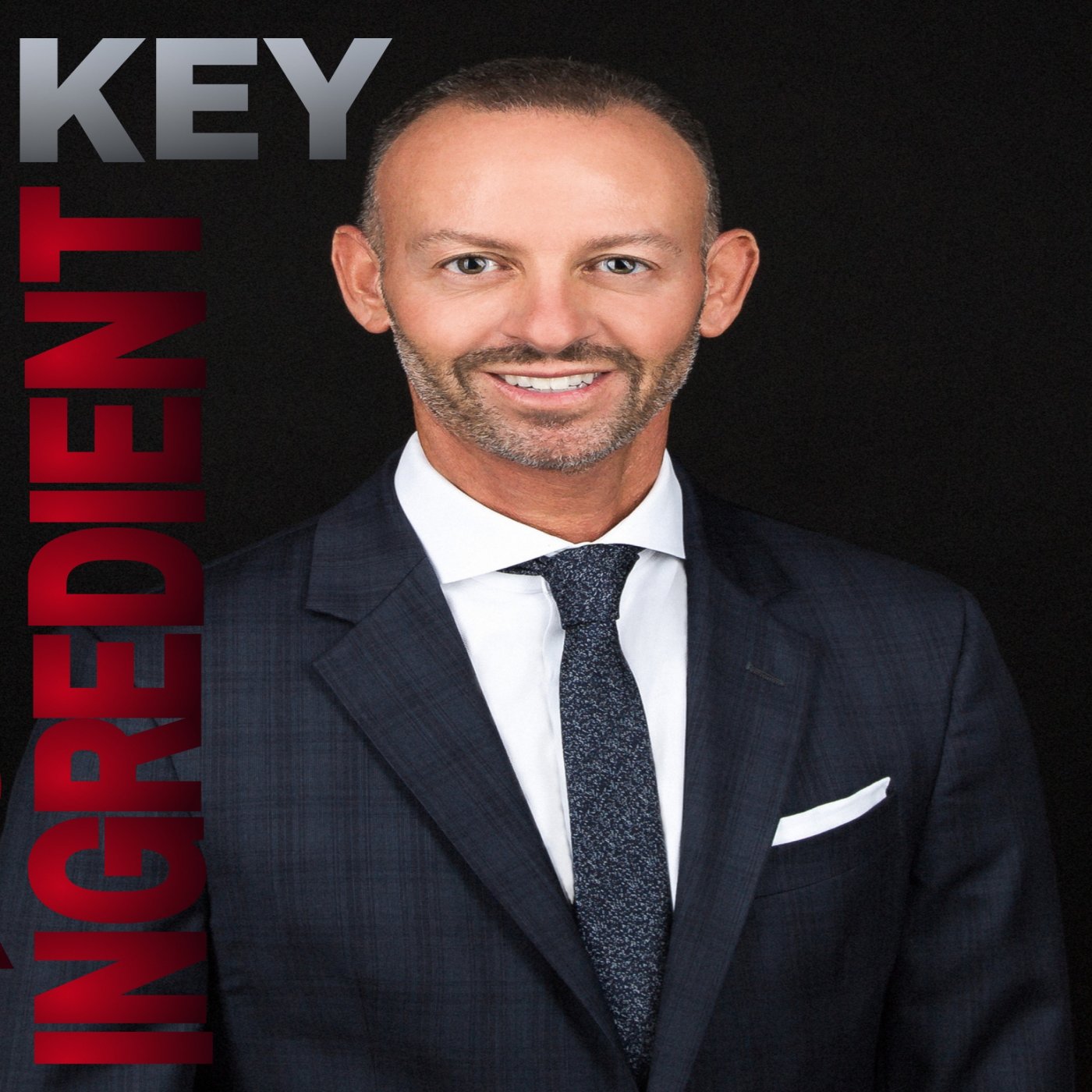
Spotlight on Good People by Robert of Philadelphia
This is your go-to source for inspiration, shining a light on the unsung heroes of Naples and Southwest Florida. From heartwarming stories to practical tips, we celebrate the people who make our slice of paradise more connected, compassionate, and kind. In a world full of noise, we’re here to uplift, inform, and inspire — one story at a time.
Spotlight on Good People by Robert of Philadelphia
From Diagnosis to Lifeline: One Mother’s Mission to Save Lives
Use Left/Right to seek, Home/End to jump to start or end. Hold shift to jump forward or backward.
When Tami Balavage’s teenage son was diagnosed with Type 1 diabetes, her world flipped in an instant. But instead of breaking down, she rose up — and built something extraordinary.
In this powerful and deeply personal episode of Spotlight on Good People, Tami shares the story behind Help A Diabetic Child — the nonprofit she co-founded that has now helped thousands of families afford life-saving insulin, glucose monitors, and support. But more than that, she opens up about the heartbreak, resilience, and grit it took to turn a diagnosis into a legacy.
If you’ve ever doubted whether one person can change the world — this episode is your answer.
Listen now:
YouTube | Spotify | Apple Podcasts
So type one diabetes, your body's not making the insulin. You need to go into your bloodstream. That regulates your sugar levels and that can cause all kind of health complications as a mom. But child with type one and actually the president of help, a diabetic child. I wanna see everybody who has type one have one of these.
It gives you an alert that's just like piercing. Sometimes in the middle of the night we'll be like, you know this loud sound, oh my gosh, she's going dangerously low. We always go back to a story. Mom said, she's like, my son was begging me for an apple, but I couldn't give him the apple 'cause I know that would raise his glucose levels and I didn't have the insulin to give him.
We bought her three vials of insulin. It was like she hit the jackpot. Some insurance companies, they only let you have so many test drips per month, but if you test your glucose levels 250 and then you make an adjustment by taking insulin, they suggest you test again in 15 minutes. Well, if you don't have the test strip, how do you test again?
The continuous glucose monitor was beeping and he's just s laying there like. Here. I can't do it anymore. Have you ever been to, down to this center before? Have you ever been, been to Bayfront? I have been. Have you? I've had, you know, I've been here a couple times. Yeah. And I, I knew your, your, uh, your salon was here, so I knew exactly where to go.
And I've been to your salon a couple times, but the one in Bonita, but it was a long time ago. I'm sorry. Oh, okay. Wow. That's interesting. 'cause, uh, the, that location is where, um, Christie works and she's a, uh, one of our senior leaders, a great stylist. And she started here almost 20, probably over 20 years ago.
She's still a kid. She started here as a kid, it seems like, but she's still a baby to me. Yeah. And, uh, she, I'll never forget this, she was wearing, um, what I thought was a phone. Mm-hmm. And she was shampooing somebody. Mm-hmm. And I said, Christy, you can't have that. Mm-hmm. You can't. This was t 20 years ago, so the phones were bigger.
I saw this device on her. She can't wear the phone out here. Mm-hmm. What are you doing? And she says, it's not a phone. Mm-hmm. It was her. Mm-hmm. Insulin, uh mm-hmm. Device. I, I felt horrible. Mm-hmm. I'll never forget that moment. And, uh, you know, she's, I've seen her through the years with her struggles with Yeah.
What she has to deal with. And when we change insurance company, I was talking to Clay about it and whenever we have had to make changes with our insurance company, I always make sure it's gonna be okay for her because she always has to get the elevated plan for our group. Mm-hmm. Mm-hmm. Um, because of the expense and the, you know, what she has to deal with with it.
So, uh, that was my first introduction to what it was. 'cause I didn't know much, much about it. So, anyway, she, uh, taught me along the way, but there's still so much I didn't know. And so many people I think, still don't understand or know the, the differences between type one and type two. Mm-hmm. And there's such a big difference.
Mm-hmm. You know, like it's not the same. So, so, um, I. You know, uh, you, you're a fellow Pennsylvanian. Mm-hmm. So I'll start there. Okay. Because you're down here and I know your journey started. Uh,
when you got here, it was after you were here, right? Mm-hmm. When, when it happened. So where are you from? So, I was born and raised in Wilkes Bury, Pennsylvania. Yeah. And thought I would spend the rest of my life there. You know, my family's there, you know, raise our children there. But, um, some life, life un like, some life un expectancies came in and Joan and I, my husband who you met earlier, decided that we wanted to come to Florida to see how we liked it.
And we were gonna give it a year, and we never went back. Yeah. We loved it. Another gift that we got Was your family here? Yeah. So it was, I don't know if you, if you notice or not. It doesn't, her hair look great. I mean, her hair looks so awesome. I just love your hair. I can't stop looking. It looks fantastic.
I agree. I like it. Alright, so I'll do like a sort of a informal introduction and then ask you some more questions. Sure. So, hey everybody. Welcome back to the Spotlight on Good People, where we shine a light on the humans who are making the world more compassionate, connected, and kind. Today's guest is a powerful force for good, whose work has directly impacted thousands of children and families across Florida.
She's the co-founder and president of Help A Diabetic Child, an organization born out of personal heartbreak and has turned into hope for so many. So welcome, Tammy. Thank you. How do you say your last name? Bvi. Bvi? Yes. Okay, thank you. Yeah, thanks for being here. Thank you for having me. You were on a long journey and it started with your son in 2010.
Mm-hmm. Mm-hmm. Take us back to that day. So my son was 16 years old. He was a junior in high school and he started to show all the typical symptoms of Type one diabetes, which is. Thirst, excessive thirst, excessive urination, uh, fatigue, weight loss. And he's tall and thin to begin with. So we were like a little concerned about the weight loss.
Um, so he had all of the symptoms, but I had no, I have no medical background, so for me, I wasn't picking up on it. Um, I'm a floral designer. That's what I did for 20 years up in Pennsylvania before I moved to uh, Florida. So we had been going back and forth to the doctor trying to figure out what was going on.
And then, um, we had an appointment with his pediatrician and my husband had medical background, um, knowledge, and he asked the pediatrician, can you do a urine test to see if there was sugar in his urine? 'cause my husband was starting to, to suspect the diabetes and the pediatrician did it and the urine showed elevated glucose, sugar levels in his urine and immediately sent our son for blood work.
So we're, I'm all panicking, you know, looking up diabetes, what is this? Not knowing what it is. And scaring myself half to death because then I started reading about it and realizing it's a not a, it's a, a bad disease. So we ended up going for blood work, not knowing, and then I could still see it the moment we took our son in.
Now here he is, a 16-year-old young man, go in for blood work and because the blood, all the blood they took out of him and everything he just collapsed, took from, because his glucose levels had been extremely dropped. And I remember carrying him out of there, like on my shoulder, like, thank God there was a, um, cafe or something next door I just ran in and grabbed, not even realizing he just got him juice and he was just sitting there hanging on the table like, mom, what's going on with me?
And it was, it was bad. So we ended up going home after my husband and I literally had to carry him into our van at the time and get him in. And then we, we took him home and waited for the doctor's call and he came, your son has type one diabetes. Get him to the hospital right now. So we just, without even, didn't even pack anything, just ran him right to the hospital, you know, Lee Health, Gano, uh, and he was immediate admitted and put on IV and all the other stuff.
And then the doctor came in, uh, pediatric endocrinologist came in and said, your son has type one diabetes. And we knew we were in for a tough time. Hmm. Yeah. Emotionally, what was that like for you? Well, at the moment I was like, I was too, I was too focused on my son to like, think how I felt. Yeah. Like, I just wanted to make sure he was okay.
Yeah. Like, you know, talking to the nurses, what's going on, making sure he was, you know, gonna live through all of this. Because I saw him, you know, pass out. I thought, you know, did he, is he gonna die? Like, what's gonna happen? Like, not really sure. Yeah. So, you know, we're just focusing on him. And then once it all, you know, once I realized what was really going on, I just completely lost it.
I was like, I cannot believe. My son, 16 years old, has to live with this disease for the rest of his life. Like without insulin, he will not live. Hmm. And it frightened the daylights outta me. Of course. I mean, yeah. You know, I didn't know that much about it. And I will say, you know, his, um, his care at the hospital was very good.
They were very, you know, good at educating us and explaining to us and his doctor. Um, they kind of simplified it a little bit to make it not look so scary, you know, oh, he's gonna have to take insulin shots, which will only take like, you know, a minute here, a minute there. Like, but then, you know, as we started to learn more, we realized it's, it's, you know, they did a really good job at trying to help us ease into this new life that we were gonna be living.
Yeah. What is Type one Diabetes? So type one diabetes. I am, just so we know, I'm not a medical professional, but, um, what it does is. The pancreas doesn't produce, it produces insulin, but the beta cells get attacked and then it destroys the insulin. So basically your body's not making the insulin. You need to go into your bloodstream.
That regulates your sugar levels. So if that happens, your sugar levels in your bloodstream become really high, and that can cause all kind of, um, health complications. First of all, if your glucose levels go way too high, um, like a normal person without type one diabetes, your glucose levels average anywhere between 80 and 110.
And I may be off a little bit. Again, I'm not a medical professional, but when he was diagnosed, his glucose levels were up around 600, so there was a lot of sugar in his. Bloodstream. Mm. And that was causing him to have all the symptoms. Mm. So, um, that's type one diabetes. So you need insulin to live that's manufactured through these drug companies.
So Okay. You have to take insulin, um, several times daily. You have to take it either by an insulin injections, which is an insulin pen with a needle, you know, constantly jabbing yourself with insulin injections. Mm-hmm. Mm-hmm. He's right now on a pump. Um, the pump will you, it's attached to your body and it's filled with insulin.
It's a little pod that's filled with insulin. That's what I saw on Christie. Right, exactly. Yeah. Yes. And so his is, and you have to change that every three days. You fill it with insulin and then he could administer his insulin that way through a cannula that's inserted into his body. Mm-hmm. So there are different ways of taking the insulin, but, um, basically your body needs insulin to live, which you need to purchase, you know?
Yeah. It's, your body's not producing it the right way. So you've gotta have that every day. Every day. Throughout, throughout. And without it you die. You die. You die. So is this, so you have this pump, or he mm-hmm. Your son has, this is this pump. Mm-hmm. That, um, and you have insulin. And then what, what about for traveling and things like that?
I mean, that's like the last thing you think of, but you think about everyday living with something like that, that you gotta, you gotta plan to know that you got this with you. Everyday living is hard. 'cause you can't, you can't leave the house without, and I'm talking about, about our own experiences.
Without having everything you need, you carries a cooler wherever it goes, juice packs, glucose, tablets, uh, snacks, because your glucose levels could drop, like if you're driving, you know, and then you need to quickly take. You know, orange juice or whatever, you know, juice, whatever you tend to elevate to get some sugar into your system.
Yes. That's if your glucose levels drop low. Okay. Because once your glucose levels drop low, like for our son, and he actually, he'll start to shake to sweat. It becomes incoherent. Like he's not thinking clearly. Yeah. So you wanna prevent that from happening when you're traveling. Yeah. And you brought up to traveling.
We just did a, a, a family vacation. Um, and we actually were doing some hikes and the scary part, you know, is with, we were with our daughter and my son-in-law and my son, the four of us hiking. And it's like, the scary part is being out in the middle of like a hiking trail and having his glucose levels drop really low so each one of us has to carry for him.
Extra supplies in case he has an episode. Yeah. You know, and we were just like, to the point where we were just grabbing like sugar packets, like anything we could get our hands on, like we had, we were prepared. Yeah. But we wanted to be like over prepared. Yeah. Because that's, that's a very scary situation because with that, when you could actually go into a coma and then die if you, your glucose levels drop really low.
Wow. So the, the pump is putting insulin in. Mm-hmm. Mm-hmm. And then is there, is there something that tests the glucose levels throughout the day? Yes. Yes. So the, the basic way to test your glucose levels is by using a finger stick. You get a glucose meter and test strips, and you just pick your finger, you draw blood, you put the test strip on, and it gives you the reading on the meter.
Mm-hmm. That's, you know, your basics, which a lot of children and young adults are still doing because they can't afford to get on a continuous glucose monitor. So he's, my son right now is wearing a continuous glucose monitor. He has not always worn one, but he's wearing one now. So that actually, and I'm gonna use my hands a little bit.
You put like a, the, the, uh, sensor it's called mm-hmm. The glucose, the CGM con, continuous glucose monitor. Monitor. So if you're listening and not on video, you're on your arm. Arm. I'm on my arm, yes. Yeah, yeah, yeah. On my arm. Yeah. Uh, some people, and then what you do is you could test continuously, like, you know, or you could, I actually could read it on my phone too, what his glucose numbers are.
Oh, could, it's hooked to an app that can see what it's, yes, exactly. So it's always testing. Always testing. Oh, okay. And it updates every, his updates every five minutes. I know there's newer, newer, um, technology out there, but his tests every five minutes. So every five minutes we could see what his glucose levels are.
And the good thing about these CGMs, and I'm, I'm, as a mom would type, have a child with type one and actually the president of help, a diabetic child. I, I wanna see everybody who has type one have one of these. I would love to see them. Everyone, because it dramatically changed his life when he actually put one on.
Mm. Because you could be at work and you don't wanna stop what you're doing. Like say you're Christie, your your hair salon, uh, person, you know, she's doing hair and then all of a sudden she's not feeling good run over and have to test yourself and then run back. Right. Or you could just be like, okay, I'm good.
Pop up glucose, whatever you need to do. Yeah. You could treat, you could without it interrupting your work. And the good thing about these devices, that actually shows you how you're trending. So if you are like at one 20, your glucose numbers, it could show you if you're going high or if you're trending low.
And then you could treat before that actually happens. Like you could start to get, so you don't hit those real high numbers or those real low numbers. Okay. It's not to say you never will, you will. 'cause you have type one diabetes. Yeah. But it actually can help prevent some of that before it happens.
What will affect those numbers moving? What types of. Things is, um, your diet has a lot to do with it. Exercise, you know, everybody's body is completely different. So everybody who has type one diabetes is on a different treatment plan. Yeah. And depending on how much insulin you take, poor per, um, carbohydrates you eat.
Um, again, I'm not a nutritionist, I'm just going based on what my, my, how my son does it and Sure. Hearing from a lot of families and working with families in the community. Yeah. So there's a lot if you're sick, if you have a cold, if you have the flu. Um, for girls it's like, you know, hormonal things. I mean, there's a lot of things that factor into how your glucose levels, um, fluctuate.
Yeah. So if it goes low, then a juice, they would need a juice or something like that, not to increase the insulin. They would not want to take more from that. Exactly. If you accidentally increase the insulin when you're low, that could be disastrous. It's worse going, the more lower, it's worse. So when you're dropping low, what type one diabetes, your job is to get your glucose levels up.
And that is by eating, you know. It used to be, and again, it was like a, you know, eat 15 carbs and then test again, and then 15 carbs. But yeah. You know, watching people and living around people who have type one diabetes, when you're dropping really low, you are so panicked, you know, like you're so afraid of that low Mm.
That sometimes it's hard to follow that regimen. Yeah. So you're quickly like drinking a quick box of juice, juice box. Or my son will, you know, pop like glucose tablets or you know, now they make these glucose gels. I mean, there's so many products out there that could help raise your glucose levels. Yeah.
Quickly. But you have to constantly stay aware of that. Or your, your, you would a monitor say you probably should eat something. Yeah. Or what is it, the app, does it keep him informed that way? Well it's, uh, the app is interesting 'cause my husband and I both, he's 30 years old, but we still have it on our phone.
Sure. Because most people who have the Dexcom, it's a Dexcom or a CGM. Do they do recommend that you have somebody monitor with you in case like for some reason, you know. You pass out or you're really low, it's like, so it gives you an alert, an alarm that's just like piercing, you know? So like sometimes in the middle of the night we'll be like, rr, you know, this loud sound and it's like, oh my gosh, he's going dangerously low and we have to go in and, you know, wake him up and you know, 'cause sometimes, you know, unfortunately he's slept through a couple of them and that's, that's concerning for us too.
Sure. Because you're so, you know, and some people are more aware, you know, they could wake up the first down, so everybody's so different. So this, uh, device that monitors, is that relatively new or is it newer in the field? The CGMs have been around for, um, I believe since he was, before he was diagnosed.
And they've come a long way. They've, they've really, uh, are doing a lot. 'cause they actually have a, a continuous glucose monitor that can speak with the pump. So could, they could work together. Oh wow. Wow. So, you know, some of the, and. I, I want to give you the information as correctly as I can. Obviously I'm, I'm going based off my son, but, um, you know, they could see when your glucose levels are going low, they'll shut off insulin.
You know, like, so they do actually communicate with each other. Hmm. But the issue is the costs. They are so expensive. Hmm. You know, an insulin pump and an a continuous glucose monitor are very expensive. Mm. And even though there is so much information out there from medical sources that, you know, they, it does help improve your, your diabetes, like your, your, the way you live, your quality of life, et cetera.
It's the people who can't afford it. Yeah. You know, their A one Cs are, and, and the A1C level kind of shows you where you're at with your diabetes. Okay. Their A one Cs are not improving as best as they thought they should because they can't have access or there's interruptions in getting these devices because of insurance.
Hmm. You know, insurance claim denials, which we've seen with my son, they, there are, I was reading a report not too long ago about how, how insurance claim denials are like through really high. So you will go, you will be on an for a life saving Exactly, yes. Item. Yes. In fact, my son was on a, um, he's on, on one of the pumps and he couldn't get it.
And we call the insurance company like, oh, you need a pre-authorization from your doctor. Well, we couldn't get in touch with the doctor. So you need, like, these are things you need to live. Yeah. So, you know, you don't, we don't wanna see from our nonprofit or as a parent, even with my son, to see you stop your routine.
So if you, there are two different kind of insulins you take when you have type one diabetes. If you're not using a pump, it's called a fast acting insulin that you take. If your glucose levels are really high, you know, before you eat, you know, to, to. You know, like say you're gonna have like 60 carbs, you will take x amount of units of insulin to, to regulate those carbs.
Okay. And then there's the long acting insulin that you take daily, which is just like, to kind of like a baseline. I'm saying all this correctly, it's like a baseline. So when you're doing those two different kind of insulins, and then you go to a pump, you only need one insulin. So if you have an interruption in using an insulin pump because you can't get the supplies for whatever reason, mm, then you've gotta go back to your, the regular, the the, um, the two, two insulins.
Mm. And then that's where families struggle because it's like, oh, I only have the fast acting, or I only have the vial. I need to get the long acting. And then it becomes a whole issue even for them going to school. Like, how could I send my kid to school without the proper, you know, supplies and insulin they need?
So then that becomes a whole big issue. You know, it's not like. You know, you can wait two days or whatever. You need to have insulin daily. Yeah. And that's, that's where the issue comes in. You need it right now. Yeah. Like, I need my insulin right now. And you have to keep both kinds on hand all the time.
Mm-hmm. So you would always have those. Mm-hmm. And is there a shelf life to those too? Yes. Um, once you take the insulin out of the refrigerator, they should be a refrigerator before it, once you open it, the shelf life could be anywhere. I'm gonna say average 28 days. So even if there's insulin left, they recommend you, you know, throwing it away.
Mm-hmm. So, um, yes, there's a shelf life. So you went
the shift 'cause you didn't just take on the management of the care of your own son. Mm-hmm. And your own family, you took it on as a mission. Mm-hmm. Other, mm-hmm. Many other thousands of other people. What happened? Why, why did you do that? Well, I was at the time, you know, had recently moved to Florida and I was not working.
I was spending a lot of time at the school, you know, volunteering with the schools and helping, you know, getting to know the area and you know, what's going on and, and then my son was diagnosed, so I had the opportunity because I had the time, but then I started to spend time talking to other families and hearing these stories about not even being able to afford your basic needs.
Like some insurance companies, whether it be like, I'm not sure if it's Medicaid or different ones, they only let you have so many test strips per month, or you're only allowed so many test strips per month that they'll cover. So to give you an example, my son would test himself before he got on the, uh, CGM, he would test himself.
15 times a day because you wake up at the, they, they recommend morning, uh, breakfast, lunch, dinner, bedtime, and maybe a couple times in between. But if you test your glucose levels and say there's 250, and then you make an adjustment by taking insulin, they suggest you test again in 15 minutes. I mean, some of this might have changed, you know, depending on each person.
They suggest you test again. Well, if you don't have the test strip, how do you test again? Mm-hmm. And then if your numbers are still not where they should be, they recommend you test again. So if you don't have these test strips to keep doing that, you don't know where your glucose levels are. Mm-hmm. They could be floating in the two hundreds and three hundreds, or they could be in the forties and fifties.
So in order to really utilize the test strips properly and know where your numbers are, you should be testing, like my son was doing 10, 15 times a day because when he didn't feel good, he was like. Mom, I know my numbers are not right, you know? Mm-hmm. Tests, you know, and some kids and young adults and people who have type one just didn't have those extra test strips.
So that's what really kind of prompted us. It's like they should be able to get those test strips. And that's where we started very small. We started by standing in front of like public supermarkets begging for money, you know, and then just being able to buy test strips for those who needed extra test strips.
Mm-hmm. And lancets. 'cause you need the Lancet to pick your fingers. There was some children, and you know, I'll keep talking about the children, but we do help young adults too, who are using the same lancet repeatedly. Mm. And that could become. You know, the painful, I mean, hurts, you know, their fingertips are sore.
They're kids, you know. So that's how we started like begging and being able to buy extra test strips for just families who needed like hundred. So that level of grassroots you were in front of a Publix public, just doing whatever you could to begging to get money for these kids like that. Wow. That's true.
Grassroots. Wow. Yeah, we just, I, and I think that came from my background, my flower shop, because we were grassroots flower shop too. Yeah. You know? Yeah. Excuse me. So that kind of like, I had that in me. Like I wasn't a, like I wa I knew how it was to start from nothing, you know? Yeah, yeah. And you were gonna do whatever it took to help these people.
Yeah. I felt like that was something that was laid on my heart. Yeah. You know? Yeah. But I will say that I've, I've, over the years, I've, I've count, I've come across some amazing people who've embraced our work and our mission and like you who want to learn more about, um, what we do and to help our cause and.
Have helped us grow. Yeah. Like really grow where we are across the state of Florida now. And we're not just buying test strips, we're buying, and then it became the insulin. Hmm. You know, we started to hear so many stories of, you know, how families were withholding food from their children because they knew if my, I could always go back to a story mom said, and she's like, my son was begging me for an apple, but I couldn't give him the apple.
'cause I know that would raise his, raise his glucose levels and I didn't have the insulin to give him. Wow. Wow. And that is like, when you hear those stories, that just makes you want to go out and even work harder. Yeah. You don't even think of that. You think like, well it's just the insulin, but not having it is gonna limit what their diet, what they can eat or mm-hmm.
Can't eat. But the fact that it, this is something that's life it, it's life saving. Mm-hmm. And that you have to deal with the bureaucracy of these insurance companies, which we all know is just. Incredible that it exists. And to see that it exists for something that is lifesaving, um, you know, you've got to squander your resources.
You can't test yourself, so you gotta suffer longer 'cause you'll run out by the end of the month. Because when you show up at the pharmacy, they say, sorry, we need, we can't fill that because the insurance company says you don't have approval of, you still have 15 left. But no, I don't. Oh my gosh. That's, it's hard to imagine that that happening.
It's, yeah. It, it really is. But it, it happens daily. Like, you know, you saw, you know, this morning we got a call from Lee Health for a, a child who's newly diagnosed and sometimes they're uninsured. When they're newly diagnosed for whatever reason. And they can be fast tracked until. Say Medicaid or, I want, I'm gonna stop for just a second because I want to hear, because I want people to know what happened this morning before we started.
So your husband was here, who's a partner with you, right? He's, he's just as involved. It's whole family affair that, that you're all wor working in this cause for this. So her husband was here with her and you got a call Yes. Or a message first. Yes. So now you can tell 'em what happened. I wanted them to know like this, this came in right beforehand.
'cause he had to leave and go help somebody or bring insulin to somebody. Is that what it was? Or kids rule? Yeah. I was sitting in your chair getting my hairstyle by Yelly. Yeah. So thank you for that. Of course. And uh, I saw the phone call come in and I, I have it Lee Health, and I'm like, oh no, they need something.
And I'm, you know, so I handed it to my husband, who's co-founder, who, um, him and I started this together. You know, I was very lucky and blessed to have him as my partner in this. Um, and I said, y'all handle this. 'cause, you know, he knows we worked together so long. Yeah. And he just read the message and he quickly called them back and said, somebody needs insulin right now.
So that's why he wasn't able to stay. He had to go out and deal with that. So, um, so this is somebody, so how did this come about? How do they know to contact you? What, what's the process here? So we, uh, get asked that question a lot, and what we do is we, we wanna work with the families and young adults who are in children who are in most need.
So we have established like really good partnerships across the state of Florida who know of these children and young adults who are in most need. So we got a call from a social worker at Lee Health, who knows they're not gonna send us somebody who has the best insurance plan. They're gonna send us someone who's like, they can't even get an insulin pen, you know, or they can't get, so we work directly with them who contact us directly by phone.
School nurses are amazing. They see these kids all the time and they're like, I have a, a child who just needs an extra. Libre reader or whatever it may be. So we've established some really good relationships in that way, so that then once we see their calls coming in or the requests coming in, we know that we wanna take care of those right away because they wouldn't be calling us if, if they didn't absolutely need help.
Mm. And that's what happened this morning. Yes. So that happened this morning where they have somebody in need and Yeah, he's up. And so what does he do now? He, he will go there. And so what we do is, the process we have is we don't handle any of the supplies or insulin. We do not directly send it out. We are just the middle guy, kind of the middleman.
Okay. Yeah. Uh, we raise funds to help cover the cost for the insulin and the medical supplies. So we'll happen to say the social worker contacts us, we have a child in need. We contact them back and tell them what the process is. We have been very lucky to partner with a really good pharmacist who. We just have them send, we ask them to have the prescription sent directly to the pharmacist.
They will get all of the information needed and that they will immediately send the product directly to the family or if they're still in the hospital. 'cause you cannot be discharged from the hospital unless you have everything you need, which is the insulin, medical supplies, et cetera. So some, so they, they will actually send directly to the hospital if needed as well, so that they can go.
'cause you need to, I remember when my son was in the hospital, we needed to go over everything before we were discharged. I was actually practicing on myself, but they put a, you know, big fake stomach on me and I was practicing the injections, et cetera. Mm. Um, so they wanna make sure you know what you're doing before you walk outta the hospital and you have what you need.
Mm. That you don't end up back in the hospital because you don't have the insulin. Mm-hmm. You know, so, so he actually will go and contact them, get all the information, what's needed. Here's what I want you to do. Contact our partner, pharmacy, preferred pharmacist, and they will in turn contact the doctor, have the prescription sent to the pharmacist.
Mm-hmm. And then they will deliver it directly to the family, and then we get the invoice. How long have you been doing this? When did this start? Uh, we were incorporated, um, we got our 5 0 1 C3 in 2012. So we're a nonprofit. Yes. Starting from the front of Publix. Mm-hmm. So what was it about the kids that, 'cause this is a whole family mission now.
This is, your whole family's involved in this. Right. You're all of you. And, and this is a, this is something that, what was it that, um, that has driven you? So you go back to the flower shop mm-hmm. And that was part of your life and mm-hmm. That was a ground up. Mm-hmm. Uh. Business. Mm-hmm. How did that, where did that come from?
The flower shops? Yeah. Oh, that's, that's goes because that's all a part of the story here. Yeah, it is. It's actually, um, grew up in a small town in Pennsylvania, Wilkes Bury, um, my father had a grocery store that was before the big chain markets came in. Yeah. So he had a grocery store and he wanted to leave it to his kids.
But then the big chain pharmacies came, I'm sorry, big chain supermarkets came in. Yeah. And he's like, okay. So he started to do annual flowers, if you're familiar, like, you know, in the spring. And we did a lot of POIs for Christmas. And that was what he, his business evolved into. So, um, back then, uh, we didn't, we didn't have a lot of money.
I mean, our family was, you know, not well off. We worked very, my father's a very hardworking man, so college was not an option. Working with dad was. So we, my brother and I, my younger brother and I, Charles, decided that we were gonna turn into a flower shop. And so we went to some schools, you know, did some educating, and we started from not knowing a thing about flowers to, in fact, he's still running the flower shop today.
Oh, is that right? Yeah. Yeah. So you were in business with your brother? Yes. And that's, I could write a book on that. Yeah, I'm sure. I'm sure. His family business. This is just my brother, but it was just my parents, my aunts, it was a real family business, but we turned it into a floral shop where we did, you know, weddings, funerals, you know, proms, you know, Christmas was big Valentine's Day, like all of the holidays and that, that actually taught me to be a.
I don't wanna sound like I'm bracking, but a very hard worker. Yeah. I think like, it really taught me hard work. Yeah. Hard work is good. Yeah. I believe in hard work. Yeah. You know? And you gotta be so resourceful because you got a new fire to put out every single day. Oh. Especially at the flower shop. It's like, you'd be driving to a funeral home and you'd freak out this and I'd be like, running into another flower shop begging, could you please just give me the, you know, and people just learn to work with each other, you know, Uhhuh, so you learn to be resourceful.
Yeah. That's a great, a great example of it too. Yeah. You gotta, you gotta make ends meet, so you gotta go be willing to go to the competitor and say, yeah, can you please help us out here? We need this. Right. And, and they were fine. They're like, what do you need? I'm like, okay, next time you're in, you need it.
And then they would stop him for us. It's like, excuse me. It's like, you know, it's the way it is. It's like, you know, you can write a book about it. There's a business out there for everybody. Let's help each other out. Yeah. And you know, but with the hustle, you can make it work and that's, you can make it work.
And there was plenty of hustling going on before weddings, getting flowers to brides on time. It was just. It still gives me my nerves, but it's the same thing with insulin. It's like, you need insulin by five o'clock. You know, I've had moms sitting in pharmacies waiting for hours because they have to wait for the prescription to get to the pharmacist, and then they wanna make sure they, and I'd be like, don't leave that pharmacy until you have that insulin.
Mm-hmm. Because it's, you know, and they'll wait and because they wanna make sure that their child has their insulin and it shouldn't be this way. And it, that's just so frustrating. Of course. Yeah. I mean, even, I'll give you an example. My son was going outta town for a couple days and he likes to take backup the insulin pen.
And he needed the pen needles that screw on top of the insulin pen to inject, because insulin pen is no good for you if you don't have a pen. You know? Mm-hmm. Mm-hmm. So I just happened to be one of the pharmacies, I'm not gonna name it. And um, I'm like, can I buy a box of, uh, pen needles, 25 pen needles, whatever, and they would not sell it to me.
And I was like. Why I go, I'm, I'll pay cash for it. 'cause of like 20 some dollars, whatever it was at the time. Yeah. I'm like, it's peace of mind knowing and they would not sell it to me. And I'm like, why won't you sell me pen needles? My son needs these pen needles for his insulin pen. Does he have a prescription?
No, we, we don't have a prescription here. Um, but I'm paying cash. And they're like, no, we, sorry, we can't, unless we know for sure he has type one diabetes. Wow. Then I was like, where's the manager? Because I just wanna hear, you know, sometimes, you know, and the manager came over and said, that's our policy.
Wow. And in fact, one of the biggest obstacles we run across is your major pharmacies will not take any credit card payment over the phone. So we had to get really creative in how we made payment because the, the insulin would be, say at a pharmacy in um, Gainesville and then we'll take our credit card.
So what we found is working with in, and that's their policy for everybody, not just us, their policy, and I don't understand it, how are supposed pay. If you find out, let me know. So what we did is it's like we started to call independent pharmacists like your little mama pop shops. Yeah, sure. We'll take your credit card.
What do you need? Anything we need? They worked with us. So it's just, there's always these obstacles that don't make sense. Yeah. That just do not make sense. Yeah. And there's fewer and fewer mom and pop pharmacies too, because the bigger ones are buying them up. Exactly. It's like, look at, you know, please, they need insulin.
And they're like, I can't. It's our, it's our policy. I'm just like, you know, whatever my position, I don't have the the right to over. It's just so frustrating. Yeah. They just don't allow common sense at all. It's just common sense and they just don't allow it. Yeah. God forbid if they should be able to think on their own for a real, I know.
Cause or something. I know. I even, something just like that. What is it? Uh, a tip of the needle. Pen needles. Yes. Pen needles. Which is not. I mean, is there a black market for those? Why wouldn't they do that? I mean, I could have just had syringes maybe. Okay. You know? Yeah. Because people, I, I could get maybe think about that, but pen needles or I, I don't know.
Yeah. And it wasn't like you were trying not to pay them for it too. You're still picking money for it. No, exactly. I'm like, I'm i'll, you know? And then I contacted my son's like mom, and, and I, you could feel bad because what happens then is becomes diabetes, burnout. Diabetes, you know, these, dealing with this causes so much stress for the families, the parents.
Yeah. And the kids and the young adults, you know, we were at, um, my son was at USF. Yeah. In Tampa. And we got a call from one of the girls there. She was on the, um, I forget what the group was, it was a, a diabetes group. And she's like, um, you know, we're here, we have this group. We would like to have Michael.
My son's name is Michael. We'd like to have him, uh, join this and that. And then we're like, okay, we'll check into him and we'll talk to him. And then she emailed us back and she's like, if you have any expired insulin used, insulin anything. I'm willing to take anything. I'm really struggling. Hmm. So we went up, I said, well, we're coming up in a couple days.
We'll meet you there. We met her at the pharmacy and they had a pharmacy right there on campus, and we bought her three files of insulin. It was like she hit the jackpot. It was like, it should not be. Wow. But she's begging for used insulin. Wow. Expired insulin even. Geez. Wow. And here's a college student.
We wanna see her graduate. We don't wanna see her drop outta college. We wanna see her grad. Which she did. Yeah. She graduated and now she has a job. But we wanna see them get through, whether it's college, whether it's trade school, whatever, fin you know, so you could be able to get a good job. Or that pays for like you do for you.
How that's very generous of you, what you do for your employee who has type one diabetes. 'cause a lot of businesses won't do that. You know? Yeah. Go that extra mile to get a plan that can help your employee with their diabetes. You know? So it's, and thank you for that, because that makes a difference.
Mm-hmm. Yeah. A big difference in the life of those who live with type one. Yeah. It's um, it's a daily struggle. It's a, it's a daily struggle. Yeah. It's, it's so hard. 'cause you wake up in the middle of the night, you know, you don't get a good night's sleep. You're, and even if your glucose levels are off, like say my son, his glucose numbers are in the three hundreds for whatever reason, and they will go up and down.
Even though you correct your number and it comes out, you still feel those effects for hours afterwards. Yeah. Yeah. You know? Yeah. I can't even imagine. 'cause there's enough in life without that of the daily emotional rollercoaster mm-hmm. Of just living life where mm-hmm. Where the days where you don't feel so good, or the days you mm-hmm.
Feel better than others where you got enough sleep or you didn't. But then you have this other component that you have to always be on top of and manage like no other like kinda way. That's when you saw you have the pump Yeah. Attached here. You got the CG M here. Yeah. You get these devices that are attached.
You gotta eat on a regular basis. I know. And eat the right stuff on a regular basis. Yeah. You gotta, you can't go, you know, gotta unplug it before you take a shower. Like everything is, in fact, my son was, um, he's living home now and there's, you know, the story behind that. But anyhow, which is making me happy 'cause I to keep an eye on him.
Plus I, I love having him around. Um, his number, his his, um, excuse me, continuous glucose monitor was beeping. And he's just laying there, like watching TV or whatever, a game. And he's just like, mom here. And he can't, like, I can't do it anymore. Like he was so I can't get up. 'cause then you gotta get up, you gotta get something to eat.
Mm-hmm. Then you get sick of drinking the juice all the time. I'm like, what do you want me to do? Because he feels so bad that they, you know, have to just like, you know, you go out with your, you know, even when he was in high school, I'm gonna go back a little bit. When he was a junior in high school, when he was diagnosed, it was really hard for him because then the doctor wanted him to do the insulin injections without the pump.
And I understand why they want you to get used to doing it. The, the, the bare the basic way, right? Before we get into any of the technology. And I think some of that has changed. Um, you know, sitting, going back to school and he got diagnosed right before Christmas, so we had the Christmas break. So going back to school, now you're carrying.
Your your kit with all this stuff in it. Yeah. And you're sitting at a table with your friends now they're watching you, you know, test your numbers. What is that, Michael? You know, what is that? What are you doing? Yeah. What's that needle for? Yeah. And it becomes like, and he's a quiet guy. He doesn't like a lot of attention.
Mm. So then he would just, you know, go to the nurse's office. And so he slowly started to, you know, kind of like stay to himself because he didn't like that attention. And he was in the band, and he actually quit the band because it was just, he's like, I just can't deal with this and that at the same time.
Yeah. So it's, it was hard. It was a very, very difficult time. You know, how, how old typically is a, a, a child when they first find out they have? Is there an average age or is there a time where it shows up? Yeah. Um, that changes actually. I read a report, like when my son was diagnosed, I think it was between 14 and 16, like the early teens, like 12 to 14, somewhere around there.
But now it's even a little bit later in life. Mm. Like you could be in your twenties and get type, type one. You're right. Yeah. You know, so it's, for some reason that's changing. I don't know why, you know, but, um, it's usually, and you're, they have a lot of testing out there, you know, to see if you have the markers for it.
Uh, we work a lot in the community with, you know, um, bringing as much awareness about type one as we can. Yeah. And you know what, you know what, what, you know, there's just a lot of new stuff happening around type one. There's a, I don't know if I should say this, A lot of people making a lot of money off type one because, you know, everything is so expensive.
It's just like, I'm not gonna say anymore. As much as it is a life necessity, the prices still stay high. It has not become available to everyone. So there's talk about the cost of insulin being more affordable, which it has come down in price because there's other insulins out there, and I have seen over the years, the price come down.
But they're not telling you about everything else that's going up. Mm. So one of the example I'll give you is to go to school and even for us going on a trip, you need an em, they need to have an emergency glucagon pen. Okay. So the emergency glucagon pen is used. If your glucose levels are dropping so low, you gotta bam inject them.
Mm-hmm. You know, now they have an inhaler. It's bes quey. They're not telling you those prices are $300 for just one. Mm-hmm. So those prices go up. Health insurance cost is going up. Yeah. Your regular diabetes, everything else maybe instantly coming down a little bit, but everything else is going up. Your deductibles are going up.
Mm-hmm. Everything's going up. Mm-hmm. So it's not, it's not, it's not affordable. Mm. And to give you, to tell you another story, we got a call from a school nurse local, and a child cannot go to school. He didn't have a glucagon pen. Okay. To the nurse. Why doesn't he have a gluc? You know, why doesn't have a glucagon pen?
What's going on? Father can't afford it. Okay. So, because they don't take credit cards over the phone. Um, my husband drove out to a pharmacy and met the father there and paid for the glucagon pen there. It was like 300 and some dollars. Gave the glucagon pen to the father. The father took it to the school, and then the kid was able to go back to school.
So you, you're trying to help somebody call the pharmacy, give them money. You can't even Yeah, I know. I even drive there and pay for it. That's, that's a real thing in this day and age. Yes. That is so bizarre to me. My gosh. You're telling me. Oh my gosh. You're telling, it's like, okay, you know, it's, but they Bitcoin like, how are you supposed to pay?
That's crazy. I mean, they go, you could get an app or you could sign on this app with, I go, no, I'm not their, like, I don't want to have an app for each, you know what I mean? They tell you these ways to do it and I'm like, no, we just wanna give you payment. Like, here's our money. Yeah. You're trying to help somebody.
I know. Wow. That's just, we've, we've met so many families at pharmacies. God bless you. You got a lot of patience for these places, these people, you know, these, press one, press nine. I, I say something down and I don't even drink. I should drink because hate you. You to cut that out. You at least I'd like No, I know, but it's just, it is what it is.
It's like, you know, 'cause we, as much as it's hard, like that part of it, I think about what those families are going through, you know? I mean, we've had some that been like, okay, you know, if you get the right person, you know. Yeah. But for the most part it's, it's, it's, that's been one of the challenges we've had, but we've been fortunate enough to, to partner with a really good pharmacist that could ship insulin all over the state of Florida.
Yeah. So, and he gets it out within a day. So, and you're working with your husband? Oh yeah. We're still married. We just celebrated our 37th anniversary, so Congratulations. Hasn't been easy. Yeah. It's been good. But it's, we found, we found our lanes to be in. Yeah. How does that work? Good. I think my husband does a really good job of connect, making connections and, you know, finding the right people.
He's helped, you know, populate our board with some amazing, you know, people in the diabetes community that really understand and want or, you know, could be very wealthy, but still see the need. So he's been very good at that. Hmm. Um, he's very good at keeping up to date on everything that's going on as far as like what new pumps are coming out or this or that.
Uh, very good at, at that. Um, I think I'm, my, my best place to be is like handling the in, in-house kind of work, if you will. Yeah. You know, working with the families, getting on the phone with them, you know, making the connections. Mm-hmm. You know, doing events, uh, for families, you know, getting them together because when you are type one and you get diagnosed with any, probably any kind of chronic illness, but I'm talking about type one now, you feel so isolated.
Like, I can remember like feeling like I was living in this box and nobody knew what was going. Mm-hmm. You know, not because there's not that many type ones. There's more type twos now. And you mentioned the difference between type one and type two. Mm-hmm. And there is a difference. Yeah. Uh, type one, nothing you did, it's caused by, it's just an autoimmune disease.
It just happens, unfortunately. Mm. Um, so we are, we're been doing, you know, have people on board who wanna really, that have children with type one that really wanna see community events to bring people together. And so the parents could talk about, you know, how could I do? Because we had a mom who even contacted us.
She has a son who's three years old, he's become our ambassador, little Rodrigo, and there you go. Mm-hmm. And she's like, I can't find a daycare. Anything to put him in. They won't take him because he has type one. Oh, wow. I can't get a job, which affects in health insurance, so. Oh, wow. So like, wow. You know, so they want a community.
And we're, we're, we're working on that. We've been bringing some people out and we did an event a couple weeks ago. We had some of the, um, local sheriff. Sheriff officers come out and make pizzas with the kids at all. Primo up on Vanderbilt Beach Road. And so we're trying to like, because it's very difficult because our daughter was older and she was getting ready to go off to college.
But some families who have two or three kids and one of them gets diagnosed with type one, that affects the whole family. Yeah. 'cause so much of your resources are giving to that one child that the other kids feel it. Sure. You know, no, you can't play football. I'm sorry. I don't have the money. Or you can't be on cheerleading, or you can't go on that trip, or whatever it may be.
Yeah. So the whole family really struggles with it. Yeah. And we're, we're definitely gonna be a part of that. We wanna do whatever we can to have maybe a, a prince princess day or whatever it is to help get group together. That would be great. That would be so much fun. Because just to have them feel special for a day and be around others.
I, I, I can't thank you enough for that. Yeah. We're, we're gonna make that happen. Yeah, absolutely. We'd love to. Thank you. Do anything that we can to thank you, be a part of it, because I know you've poured your heart and soul into this. You didn't just, uh. Complain about it. You took action. Yeah. Well, a real action.
And you know, I told you, I, I felt God was moving me in, in a direction. It's like, you know, I ask for guidance all the time. Yeah. And, and it's just, it opens your eyes to a lot of things. But I will say that I have met some of the most amazing people on this journey. Mm-hmm. And I'm, you know, some of the people who just wanted, just like you, who and Clay?
Who, I mean who really just like, and Zach No. Who really just want to, who see it and really wanna be a part of the mission. Mm. There's so many good people. The diabetes community is a good community. Mm. It's unfortunate we have to be in it, but Yeah. They're good people. Yeah. But you, you've definitely, uh, made it your life's purpose to impact that community in such a thank you.
Positive and powerful way. I hope to God that's what I can keep doing for years to come. Yeah. And then see this continue once, you know, my days are over, you know, see this continue on because I believe there will always be a need for, you know, um, you know, having children. Just, I dunno how much time we have left.
But if you don't, if you go to school and you don't have what you need to go to school, I don't have insulin, I don't have medical supplies. Well, you can't get those without a doctor's prescription. I don't have a doctor. So then we do a lot of work behind the scenes, I call it, to call up doctors, like call the social worker.
We have a student at the school, they haven't seen an endocrinologist. Oh, we'll get 'em in tomorrow. Then they get in, we cover the cost of the doctor visit. They get up all the supplies they need, they're back in school. So we try to work every part of what they need for diabetes. Yeah. You know. How can people who are listening help?
What do you need? Um, well we. Primarily operate on donations mm-hmm. And granting. Um, we have our annual dinner coming up on November 14th, which is World Diabetes Awareness Day. We're gonna be having that at Tron this year. Tiburon's working really close with us. They live our mission. They're, you know, really being very good about it.
Um, anybody wants to make a donation or be a sponsor or buy a ticket or, uh, advertise. Um, we, we can use all the support we can get. So the name of the organization and where they can donate. So the name of the organization is Help A Diabetic Child and they could go directly to our website at Help a diabetic child.org.
And our information is there and they can see how they can impact. And if they're interested in getting involved with our annual dinner, this will be our fourth year. Um, they could contact us for information about sponsorships or, you know, getting tickets or whatever they wanna do to help our mission.
So I'm, I'm curious about you. 'cause you moved here to retire, didn't you? Didn't you guys move here to kind of my husband more so than me. Yeah. Like I was too young. Like I knew I was gonna do something. I did some odd jobs when we first moved down, trying to figure out, like I said, I wanted to spend more time getting my kids.
Yeah. Um, 'cause they were two and wait five and seven at the time. Okay. So I wanted to make sure they were okay. Yeah. So I did some odd jobs. Like I worked at restaurants and I did some floral design work. When I first came down Uhhuh, I worked with some realtors who would sell a house and then I'd go in and, you know, do some work, you know, like thank yous and then they'd hire me.
So I found myself doing odd jobs like that. And then like, I didn't wanna be a nine to fiver 'cause I really wanted to make sure that the kids were okay. And then I knew I would do something, but I had no idea this was gonna be it. Yeah. So, growing up, you grew up in Wilkesboro? Mm-hmm. Um, and your mother and father's names?
Uh, Mary and Leo Decker. Are they, are they still with us? No, they passed away up in heaven now. Yes, they are. Okay. Um, they were married 60 years. Oh, really? Yes. Awesome. How would, uh, how would your mother have described you? My mother. She was, she, uh, I was an only girl. I have three brothers, so I think she would, I, I think she would be happy for me.
Where were you in the birth order? I was the third. Third, yes. Okay. Two older brothers and my younger brother. And your younger brother. And that's, he's the one I was the flower shower. Yes. Flower shower with. Okay. Yeah. So what would she say about you? She'd say, Tammy, good job. Mm, good job. I'm very proud of you.
And then you got the hustle from your dad's grocery store. Oh, yeah. My father would be, gotta work harder, but he would be, he was a very loving man. He would be very, very happy. I mean, they were, they were alive when Michael was diagnosed. I don't think they understood. What really was involved with it and I really didn't wanna burden them with that.
Yeah. 'cause they just love their grandkids like any grandparent. So is there an event or a book or a movie or something that in your earlier years, changed the trajectory of your life? Or it made you who you are? Uh, well I think, I think my childhood in general. I mean, growing up in a family that watching them like really have to, watching my father have to work so hard and having to, you know, navigate through difficult times.
Yeah. You know, I think, and my grand, my grandmother was a big, big influence in my life too. So I, it's hard. I think it was a combination of my whole childhood. Yeah. You know, growing up in a small town where everybody knew each other and it was like everybody had each other's backs. It was kind of nice. I miss that.
Yeah. And your father hardworking. Yes. Had the, had the corner grocery store. Yes. And then, and then as the big guys came in with the big supermarkets, yes. He shifted. Yes. He had to shift. Yes. But he made the adjustment that he needed to make to Yeah, yeah. To survive. Yeah. To keep it going. Yes. Yeah. Yeah. You had to do that.
They came in and, you know, you gotta make the adjustment. You gotta do what you gotta do. Yeah. Can't take your foot off the pedal. Yeah. Well just like showing up in front of Publix. Yeah, exactly. For those kids. Mm-hmm. Yeah. That's awesome. Thank you. I know you had some shout outs that you wanted to acknowledge or some people that you wanted to talk about.
I was just gonna, so we have been very, um, we're very grateful to, we've had, um, support for the, from the Richard M. Schultz Family Foundation for. I believe over 10 years. They're so good in the community. They support so many nonprofits, but you know, they have a, a child with type one, so they understand. So they've been granting us, uh, Collier Community Foundation's been wonderful with us.
Hmm. Very good. Uh, the United Way of Collier and the Keys, great organization, very involved in the community. Uh, we've been granted by, you know, even in Pennsylvania, you know, helping some families up there, the Loser Foundation, uh, we, so the United Way. Um, so do they, does their board come in and talk to you and ask you Yeah.
About not the board, mostly they're, they're, um, staff, their CEO, their staff will, will come in. They've been to our office. We have a diabetes resource and advocacy center right now because I wanna thank, um, you know, the Reman, John Reman and his family have been very, very generous. Mm. And he gave us an office space.
You know, he redecorated it. So, because we felt we wanted to have a presence in the community, and we don't just use it as our office, we use it as a resource center for anybody who's living with diabetes come in. You need information for a pump, you need information. And the University of Florida, you know, we have several of their endocrinologists on our board who've granted us through, through, um, their programs, uh, through their CGM program and different programs along the way.
Uh, we're working with Healthcare Network through a grant through NCEF. So I hope I'm, I'm covering everybody. Did I get everybody? Um, you know, so those, those are the people I really like to, to shout out and thank. Yeah. The, the Von Arks family, a lot of people are familiar with, uh, Dolph and Sharon Von Arks.
Dolph was on our board for many years, um, passed away, but now we have his daughter, Vanessa, on our board. Oh, awesome. Yeah, she's been very, they've been very good. They see, they just wanna help see this organization grow. Hmm. So. Did, did I get everyone and you, of course, Robert or Philadelphia? Well, we're just, we'll do what we can and whatever.
We're, we'll be here for you. Yeah. Thank you. Yeah. No, ab absolutely. It's a, you are a, a tennis, A-U-S-T-A tennis official too. Tell me about that. Yeah, so I actually, I forgot about that part of my life because I, I work, I actually started doing that. I'm A-U-S-T-A certified Tennis official. Um, started to play tennis after watching my daughter play in high school and having so much fun.
And then I was approached to be an official, and I still do it. I work tournaments at the Sanchez Academy and Cambier Park and local tournaments. You know, um, it's kind of takes my mind off the diabetes. Yeah. You know, and I just like being around the kids and, you know, watching them. And I don't do it a lot.
I do it like maybe a couple weekends a month, depending. In fact, we have a big tournament this weekend coming up at Sanchez. We'll have 300 kids there, so. Oh, awesome. I work directly with the tournament directors and it's just, it's just, you know, something I've been doing. I'm not ready to give it up yet.
You know? Yeah. Another little hobby you have. Yeah. A little hobby, little, you know, couple more bucks in my pocket, but, you know. Mm-hmm. Need, need to pay the bills. Think prices keep going up in Florida, but yeah. Tell me. But yeah, so I've, I've been doing that for about 18 years now. Oh, wow. Yeah. I've done like lines, you know, done some chairs, not on the high level, you know?
Mm-hmm. Not with the Roger Federers, you know? Uh, but you know, so you gotta make the ruling. Yeah. Oh yeah. Yeah. Sometimes dealing with the parents can be very, very, uh, trying. Oh yeah. Yeah. Oh, I can only imagine. Oh, you could only imagine. I was a president of Little League for a while. Yeah. And, uh, that was a always an interesting thing.
'cause many parents thought that their child was gonna be the next Derek cheater. And so, oh, oh, it's always the official, it's your fault that my, that was not, you know, and then they start kicking as now I just learn. It's like, you out. Yeah. Yeah. You're out. Yeah. There's no negotiating here. No, no, no.
Parents out. Yeah. Good. They ruin it for the kids in some cases. Yeah. Alright. Some fun questions. Fun questions. Alright, so, um, what music is playing in the car or while you're in the zone or what's your genre of music that you listen to? I go between Christian Rock and Country mostly. Yeah? Yeah. Any favorites?
Artists of either, anything? Anyone. My favorite artists for? I've seen them at, uh, heart Arena, mercy Me. Oh yeah. Wow. Um, for King and Country. Mm-hmm. Wow. We love them. Love them. Oh yeah. Favorite concerts. Yeah. See recently? Yeah. My son and I went to see ZZ Top. Did you Really? Awesome. Yeah. Where'd you see them at?
The Herz Arena is Easy Top. Was there I didn't know that. Yeah. Yeah. Wow. Zy talk Cheap Trick and with Cheap Trick. Yes. Whoa. Talk about bringing back memories. Yeah. You know? Oh my gosh. Yeah. We had a blast. Yeah. So those are my favorite cheap trick. Live at. I like oldies. I like sometimes actually I've been listening to like Frank Sinatra and like some of the old music like that, Uhhuh.
I just love it. Frank is timeless. Yeah. Oh my God. I just, it's just brings back Yes. The beautiful memories of childhood and yeah, my father was a big bank. Frank Sinatra, my mother and father. In fact, I got them tickets once to go to Atlantic City to see Frank Sinatra. Is that right? Really? Yeah. Yeah. I happened to be in Atlantic City and I saw tickets on sale.
I'm like, 'cause they used to love to go down on those day trips. Yeah. You know? Yeah, yeah, yeah. The senior citizen trips. Yeah. So I'm like, and it was like he talked about that, like the rest of us, like, I was like, oh sure. Frank Sinatra. Yeah. You know? So I like to listen to, it brings back memories. The, uh.
Yeah, that was from, from Philadelphia. That's where they would go to see the big shows. My parents too. They, they had memories of, yep. My mother talks about the memory of seeing Louis Prima. Oh, in, in Wildwood, New Jersey is Oh, Wildwood. Yeah. I could tell you some stories about Wildwood. I don't wanna go there.
Wild. Yeah, I was young then. Yeah. Oh, I, I did some of those years there too. At the ero. It's called, oh my God. Stayed at the Bolero. No way. I actually, I did. I I've never met anybody that knows it. Who hasn't. I know exact. I could see it. 'cause I could tell you a story. I don't know if I should tell it here 'cause I don't wanna ruin my reputation, but I actually got thrown out of the Bolero.
Oh, good. Congratulations. I think we did too. I got thrown outta Shamrock. Remember the Shamrock? Oh my God. And I spent a night in jail. How's that? Even better, the real teas coming up. My father's like, I have three boys. One girl. You're the one who goes to jail. Oh my God. The boardwalk, the polar. Nothing really, really bad.
It was just, it was just being so stupid. But anyhow. Yeah. Well you're allowed to do that. That's, that's right. The ero, you know the polar, I do know the, got thrown outta the polar. I love that. I actually got thrown out. Do you wanna know why? Real quick? You have a moment? Yeah, of course. We decided to save money, so we took a hibachi with us to the hotel with food.
So we were, we lit the hibachi in the room. After, you know, a couple cocktails, you know, we've cracked the door and they could see all the smoke going up the side of the building and likes. Okay. And then they come bu a fire department BBB, BBU, you know, out, you know, grilling in the room. We were grilling in the room.
Yeah, I'd probably done that too after the blows. I think I, quarter beer, nickel beer. I don't know what it was, but we spent a lot of. Oh my, with my fake ID going on together before that. Oh, oh yeah. You didn't have a picture then. It was like all fake id. It was like, I remember the bolero stayed there. Uh, memories.
I gotta tell my cousin about that. 'cause that's our claim to fame is the bolero is when we go down there. I know. I'll see it. It was like one block off the boardwalk. I think it was just one block back, I believe. Yeah. Yeah. We, I always look to see if there's any remnants of it online or people that were there.
Yeah. I check, can I go back to my office just to see? I would love to go there just for the kicks. Oh yeah. I used to love going to the Jersey Shore. Oh, the shore was the, I love the Jersey sre. Yeah, there's sure was. There's something magical about it. Yeah, there was. Yeah. Absolutely. Nothing at all. Like Naples.
I try to describe it to my kids. It's like a different world there. It is. Uh, but there's just something about it. The salt air, the saltwater tapping. Oh, the boardwalk, the pizza, the boardwalk. Yeah. Yeah, absolutely. Yeah. The, the crazy rides that they had on Maurice Pier and the Yeah. We used to go every, um, our kids, we used to always go to, we.
Picked up from places. Go with our family, long Beach Island, Wildwood, ocean City, New Jersey. Ocean City. Loved. Yeah. It went down to Cape May a couple times, but those were like our favorites 'cause of the boardwalk. Yeah. Loved it. Yeah. It was back and forth. Ocean City, Wildwood. There was always the competition between Wildwood always had the Wilder reputation.
Ocean City was the dry town that had to go across the bridge to get the alcohol. Yeah. We bring our own alcoholic in. Yeah. In fact, my, uh, LBI, we went a couple times Long Beach Island with my family. Did you go up there? Yeah, we didn't go, we didn't go up much further than that. We would go down just to those.
Yeah. My fa my brother rented a co small cottage there and he had two floors. So we, he said, do you wanna rent out the bottom floor? Back then was Yeah, of course. So our family went down. Well that was the thing. Yeah. Like you would go and with multiple families. Yes. All in the same area. Yeah. And you were just all together.
Loved it. Just great times together, great memories. Yes. Great. My, uh, cousin's daughter, I, well. Not really. My cousin, my parents' best friend. Yeah. But I call him my cousin. Yeah. They're, we kind of grew up together, even though I lived here and he lived up there, but his daughter's here right now. Yeah. And I'm, she's gonna, I'm gonna, she's gonna be a, the next podcast that we're gonna talk.
Oh, okay. So I'm gonna, um, have her tell me some of her stories about Wildwood and her days growing up. Yeah. Because she grew up in, um, Delaware County. Oh. Uh, you know, outside of Philadelphia. Yeah, outside Philadelphia. That little town outside Phil, Philadelphia. That's called outside Philadelphia. Alright.
Any, uh, books or podcasts that you listen to or love? Um, not really podcasts. I don't really listen to a lot of podcasts. I try to just, um, bounce around a lot on the radio. You know, radio or when I get interested in, I'm boring when it comes to that. I don't think there is any. So, okay, good. I drive my wife crazy 'cause I always have that thing in my ear and she's like, what are you listening to now?
She's like, can't you ever just be with me? I'm like, I am. I just had, it's not on right now. Well, I know, I think books lately, I've been bouncing around different books, but I, uh, I just read a really good book and I can't remember the name of it, but it was about, 'cause there's all this talk about all this crazy stuff going on in our country and I wanted to really learn about, um, learn more about World War ii.
Mm-hmm. And like the, like it was really a good book about a, a man, I forget the name of it. I, that's one thing I have to tell you. I don't have a very good memory lately. Oh. Uh, I, we don't need it anymore. A lot of don't need. That's why we have Okay. Google and phones and we just put it in there and in my mind doesn't work either.
Yeah. I'm, I'm, I'm interested in history now, unlike when I was in high school. Exactly. It was boring to me. I didn't wanna learn about it, but now I'm much more interested in history. Yeah. Yeah. I am too. I find it very interesting. Yeah. I'm learning. I'm thinking, why didn't I take advantage of it when I was in high school?
Sure. I know. I know. 'cause they were. Remember my history teacher, Mr. Bright, I love that guy. Mm-hmm. Now I think about the things he was trying to teach me, and I mm-hmm. Yeah. I have an appreciation for it now. For it. Yeah, you do. I think we, as we get older, we realize, but you know, when you're young it's just, you know.
Yeah. What's, what's happening Friday night and did the fake Id come in yet? Uhhuh Uh, do you have a coffee order? Is there a coffee that you love? I love Dunking Donuts. A Dunking Girl. Yeah. I'm a dunking, I'm a plain coffee kind of a girl. Yeah. I don really get the latte, like all those fancy drinks. I really, yeah.
Yeah. So just their base coffee, just the regular dunking a coffee with cream and that, that's it. They have good cream there too. I love the cream in their coffee. Yeah, they do. Yeah. Yes. That's one more of a basic. If you weren't running the not-for-profit, what would you be doing today? I wasn't running the non-profit.
I probably, I don't know, like, I like being around maybe something. Like, I like the floral business. I'm, I would consider doing that again or working something with kids like schools or something. Yeah. You know, that's kind of why I keep going back to officiating that I haven't given it up completely.
Because I get to watch these kids grow up too. 'cause a lot of them are there at the academy full time from different countries and they just grow on me. I mean, the older I get, the more they grow on me. It's like, you know, you just see them grow up and go off and come back and just like, it's just, it's so nice.
Yeah. You know, it's so nice. I love it. Really get to see who they become, how they blossom, how they grow. And they come back to me and they're like, yeah, you remember me? I used to give, you know, 'cause I remember them giving me a headache. I go, I remember you. Yeah. I get all the code violations and they're like, oh, I'm not the same person.
I go, I know it's part of the process, you know? Yeah. Yeah. So I think I might do more of that. I think I would consider, because then I would be able to travel around and do more of it, you know, go to different areas. Hmm. You know, have more opportunity with probably that. What's something about you that most people don't know but should?
I'm really shy. Like, I like to be like, you know, shy and, uh, the girl out in front of Publix, I know hustling for money. They're shy. Girl. I know I've come, I don't know, I'm just more of a homebody. I like to be home. Mm-hmm. You know, and just be by myself. I like being by myself and just, just seeing life through my own eyes.
Mm-hmm. You know? And my, my family of course, but, well, I, I share the same, uh, I was on a podcast recently and they said, well, what do you do for fun? 'cause I don't golf Right. And I don't drink. Right. And it's like, well I'm kind of left out of a lot of events. Yeah. In naps. 'cause I don't do either. And, uh, I. I don't mind sitting home on a Friday night with my wife and watching Dateline and who murdered who and well, that's it.
You know, it's like, you know, I get, I I do. One thing I could tell you is I'm, I've been watching, I'm a soap opera. I've been watching General Hospitals since I was like 12 years old. So Luke and Laura was Luke Laura. See, look at this. Yep. So that's one of my guilty pleasures where I just like to, you know, tape it.
Is it still on? It is really, it is. It still exists. It still exists. Oh my gosh. In fact, I was the, some lady I, I played tennis with, I do like to play tennis. I don't play as much as I used to, but I do like to play tennis. Um, she's like, some, we were talking one day and she's like, some Bejo I go, you watch General Hospital.
So her and. Like get together every now and then just to talk about, you know, all the crazy storylines in there. That's amazing. It's still happening. I just remember the drama around that. It was such a big deal with the Luke and La Laura, the Luke, and, and you know Stephen a, the from ES, espn, Stephen A the broadcaster.
Mm-hmm. And with the NBAI think. I don't know if he does, but my son, he's big into the NBA and that's another thing. My son and I are really into the NBA now. He got me involved. We go to NBA games like Miami or Orlando or whatever. And uh, I go, Stephen a, he's on general hospital 'cause he makes guest appearances General Hospital.
Oh, you I didn't know that. Yeah, it's so funny. And my son's like, Stephen a, I'm like, yeah, he, he makes guest appearance. That's awesome. I didn't know. I think I read where he had a bunch of sisters and they were all watched this, so he just got involved with it. But Uhhuh, he's Sonny's mobster, you know, right hand man.
It's funny, when he comes on, it's like, and he makes appearances every now and he does. That's awesome. Yes. I can't even believe that's still on. You go to Google. It's hysterical. Yeah. So those are some of my things that I like to do. I'm gonna pull out the deck of cards. Oh no. So these are just random questions.
So you have to pull a card and then you're gonna read the question, pick a card,
all right. And then read the question or, uh, statement. What's the grossest thing you've ever eaten? Snail. Oh yeah. Oh, for me it was like, whoa, like, uh, escargo snail. Yes. I'm like, the thoughts of it still. I shouldn't say that though. Was the first and the last time you had it? Yes. No, years ago, no reason to have it again?
No. Okay. No. I'm sorry for all you people who like escargo, but for me, I was like, not for you. No, I got, I get it. That's the first thing that pops into my mind. I was, uh, mine was, um. I went to Taipei. I was in an organization called the Rotaract Club, which was related to the Rotary Club. It was for young, younger people than Rotary many years ago.
Mm-hmm. And our club won an award. And so I got to go to Taipei Nice to win this award for helping in the community or whatever it was. And the night I got there, I'd flown for however many hours the Rotary Club bought my tickets. It was in a last minute thing, and I'd never traveled. And this was pre-internet and pre, you know.
Mm-hmm. Knowing the world wasn't as connected as it is now. Mm-hmm. And uh, when I got there, I had to have a, uh, it was in Chinese where I was staying. Mm-hmm. So I had to give it to the cab driver, and he didn't speak any English at all, and I didn't know where we were going. He takes me up this long and winding road, which was outside of the city Yeah.
Where most of the activity took place. And I booked it so late. They had to put me in this, they called it a dorm, which I don't, I don't know if it was really a dorm, if it was, it wasn't anything I was ever used to because when I went there, the. They took me into the room and the, the door didn't close to the room.
There was a big gap. So it was just literally like a swinging door into this room. There was a small mattress on the floor. Mm-hmm. And I walked into the bathroom and there was, um, there wa it was just tile and there was a hole in the floor and a spigot coming out of the wall. Oh my. And, you know, I couldn't complain.
I was happy that I was just at least there, but I was hungry. I had traveled for 30 hours. I went to leave and they said, well, they tried to tell me that they lock it up so I could only go out for a little while. So I left and I'm on the streets of Taipei at midnight, or my body clock was noon, whatever it was.
And I went into this bar or this place that had food. It wasn't a bar, but I was just trying to get food. And they had people doing karaoke there. Mm-hmm. And, uh, I tried to order food in English and on the menu, and they said, no, uh, no sing, no eat. Oh no, no s. And I said, no, no, I just want to eat. I don't want to sing.
And they said, no, no sing, no eat. They kept saying that to me. They said I had to sing to eat, so I never sang karaoke in my life. Yeah, I never wanted to. I'm the worst singer in the world, but they wouldn't let me eat and I wanted to eat. So they had hand me this book and the only song I recognized was I left My Heart in San Francisco.
Oh no. It was, thank god it there was no social media then. Yeah. 'cause it wasn't recorded. But I'm singing to this bar full of locals. I left my heart and they thought it was the great, they thought it was Tony Bennett and it was horrible. So they cheered me on and, and then they bring me what I got to eat and it was literally fried lizard.
Oh. It was like our lizards here dropped in fry later you could see them. You know, like the legs sticking out. Oh, the head still on. And that was what my food was for singing, and I ate it. I, I did it. Not that I loved it. Oh. But it was like the food I had my, so that was the grossest thing. I, I would, that's definitely be s maybe be snails, right?
Oh, no. I know. I can't imagine. Well, good for you for doing that and eating that, you know? Yeah. That's snails. No sing, no eat, no s. But that was the last time I sing. Liz heard that one. Yeah. That's in the archives. All right. Let's do another one. Oh, no. Do you prefer to text call or video chat? Text, uh, texter lately?
Yes. Yeah. Get a lot done quicker. It's just so easy. Yeah. It's quick, right? Quicker. Yeah. Yeah. Yeah. Video chat. Mm. Not that good at it. Right, right. I don't like that either. Here. The angles on it and stuff. Yeah. I know. I do that with my daughters, but it's just text, you know? It's done. Yeah. I'm with you.
Mm-hmm. A hundred percent. Mm-hmm. Alright, last question. Yes. What do you love about your life? What do I love about my life? I feel very blessed to live in such a beautiful area, Naples, Florida. 'cause I really, I love all that it offers, so that makes my life fun. I love to swim. I love the fact that I'm active.
I'm enjoying, you know, the swimming, the biking, the tennis, the just, and loving what I, I love what I do with help a diabetic child. I absolutely love it. Mm. You know, and I'm actually, we're talking about doing a succession plan. You know, when Tammy's no longer, I always say when Tammy's out bungee jumping and my cord breaks, and then I'm no more who will carry this on.
You know, I don't wanna talk about when I get sick and die, I wanna go out with a bang. Mm-hmm. You know? Mm-hmm. Who will carry this on. So just the thoughts of having to turn this over to someone is kind of like, heartbreaking is like, but, but I love what I do. Yeah. Yeah. I love it. Yeah. That's so clear.
We're blessed to have you in our community. Thank you. I appreciate that. Blessed to have you taking care of these people in need. But I couldn't do what I do if I didn't have you. You like the people around me who help me with my job and help me, um, get the word out there and help me. You know, as humble people would always say, they would always deflect the, the, the person who was standing in front of Publix with the bucket.
I can still see that. 'cause she, real quick, one of the nurses from NCH hospital at the time, she was a diabetes educator. And I'm like, please donate to children's diabetes. And she's, I could still remember 'cause we laugh about it. Mm. Debbie and she walked by and she's like, and I'm like, and then I saw her like somewhere and she's like, you were that lady in front of Publix?
I Oh yeah. She became one of our biggest, like, I need help with this patient. Oh wow. I need help with this patient. And we always laugh about that, you know, so she was like, she goes, I didn't know if you were for real or what. I'm sure you know, you just, some set up a table and I was, you know, um, you know, new.
So nobody knew about me, so, yeah. You know, and here you are today with Sam Car Wash. I remember our first car wash we did at one of the local fitness centers. Mm-hmm. You know, they were helped us out. So Hamburg's in front of Sam's Club, remember they used to do that? Sam's Club had us Oh yeah. Where they mm-hmm.
Ham, ham, hamburgs, and hot talk sales. And so we started really grassroots. Yeah. And I like that. I'm kind of happy about that. Yeah. Well, you're still on the court. I mean, you're still doing the same thing. Your husband left here today to go make a delivery and you guys are just working it. Mm-hmm. Like day one.
Mm-hmm. Yeah. Thanks. Thanks for, uh. Our community is blessed to have. Thank you. And I wanna thank you, your staff. Thank you, Robert or Philadelphia. And thank you for having me today, because you help us get the word out there. And I think more awareness about type one diabetes and the struggles is important.
Yeah. And for people, families out there, anyone who's listening, you know, will know that we are a resource if they need it. I love that. Yeah. Yeah. Thank you. Thank you. Not only for, uh, founding a not-for-profit, but for becoming a voice. Mm-hmm. A lifeline and a warrior for every child and parent. Facing the fear and the cost of type one diabetes.
Yeah. You remind us that purpose can rise from pain and that the best kind of leadership comes from love. You're a force and this community is better because you refuse to stay silent. Everyone listening. If you've ever wondered whether one person can make a difference, just take a look at what Tammy has built.
Thank you so much. Thank you very much. Thank you.
Podcasts we love
Check out these other fine podcasts recommended by us, not an algorithm.
Everybody Loves Naples
Natalie Perez-Benitoa and Jay Parenteau
239 UNCENSORED
Studio 239