The Optimised Health Show
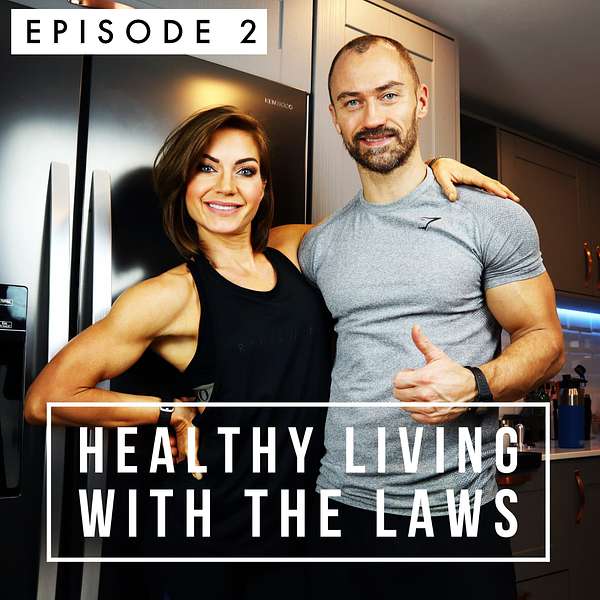
All Things Healthy Living - From What You Eat and Drink to How You Live and Think. Healthy living with the Laws hosts Ben and Sarah Law have both worked in the health and wellness profession for over 12yrs and have a huge passion for helping others live healthy, happy and with purpose. They absolutely love inspiring other 40 somethings through their journey and knowledge in nutrition, health and entrepreneurship along with a side serving of banter and giggles to brighten your day Sarah Law is an IFBB pro bikini athlete, qualified Naturopathic Nutritional Therapist and has built a successful online health and beauty business that has led her to being an international speaker, delivering motivational and nutrition talks to crowds as large as 18,000! Her mission is to empower women to love the skin they are in both from the inside and out. Ben Law is the founder and director of a global supplement brand, Lovelife supplements, that started from a dream to leave the corporate world. His passion for health and fitness led him to train as a Primal Blueprint certified expert and his mission is to to help people live a long, healthy, happy life. This podcast is for information purposes only and is not intended to diagnose, treat or cure any health conditions. If you have any health concerns please seek advice from a professional for guidance
The Optimised Health Show
EPISODE 2 | What Does 'New Year New You' Really Mean? Top Tips for Making Sustainable Change in 2021
In this episode we take a deep dive into what 'new year new you' actually means. Is it complete bullshit or can you really make changes in the new year that are sustainable for a long period and are not just forgotten about come February.
We cover sustainable changes you can make to your diet, gut health, mindset, fitness regime and lifestyle to help you achieve your 2021 goals! Enjoy! :)
Thanks to Our Sponsor:
Want supplements that *actually* work? Check out Love Life Supplements and use code BEN10 for 10% off your order.
Book a Consultation with Sarah: Free Wellness Discovery Call
Let’s Stay Connected:
- Ben: @benlawprimal
- Sarah: @sarahlawuk
Thanks for Tuning In!
Enjoyed this episode? Drop us a 5-star review and share it with your health-loving crew. Stay tuned for our next episode — we promise we won’t ghost you again!
This is Healthy Living with the Law s. Top tips on how to optimise your health from what you eat and drink to how you live and think. With your host, Ben and Sarah Law. Just having some great recipes and great things that you can do and focusing on what you can, not what you can't. And I think that's the thing again, a lot of people go extreme and then they go, right, I can't have this, I can't have that, I can't have this, I can't have that. And then they can do that for a month and then they're like, ooh, that month's over. Right, let's go back to how we were and then they end up in an even worse position because then they've got this obsession with the things that they couldn't have. So it's it's about creating a shift in lifestyle, which means not doing things that are going to cause a lot of deprivation. Yeah. Hello and welcome to episode number two of Healthy Living with the Laws. So we're now in 2021. Can you believe it?
Ben:Yes, I can. It happens every year.
Sarah:It does. But I feel very much like I missed Christmas this year.
Ben:How how yeah, it didn't really feel like Christmas, did it?
Sarah:It doesn't really feel uh Christmas.
Ben:Don't use it.
Sarah:So yeah, it was an interesting one, wasn't it?
Ben:It was a hard one, wasn't it?
Sarah:How did you find Christmas?
Ben:It was okay, we cooked.
Sarah:We did I I even forgot that. It was our first ever Christmas that we hosted. It was stressful, wasn't it? I can see now one of my minds get stressed. Because it's a lot.
Ben:Yeah, it's a lot to judge, isn't there?
Sarah:It's a lot of timing.
Ben:A lot of things going on at once. We're not used to cooking for loads of people.
Sarah:But thankfully, I mean, in our favour, lockdowns kind of helped that because it meant that, you know, there wasn't loads of people.
Ben:Well, I know. It would have been six of us, wasn't there? Which is probably a blessing. Five and a child. It was going to be twelve, which would have been horrendous. Yeah, now looking back, that was That would have been scary.
Sarah:That was uh a bit overambitious. I was all up for it, and now I'm I'm glad that Yeah, that six was enough for a starter.
Ben:But it went well, I feel.
Sarah:I think it went well. We've still got lots of leftovers that we're gonna do. So much turkey. Thank you, Riverford, for our beautiful beast of a bird.
Ben:Yeah, it turned out well already, didn't it? The bird. The bird was shaped quite moist.
Sarah:I made some uh Yorkshire puddings, didn't I, that were alternative? Make gram flour, which is chickpea flour. And they would have been good, but I got a bit overzealous with the old uh oil in the little uh what are they called? Trays. The oil in the trays. So they were a little bit mushy on the bottom. A bit greasy. Greasy on the bottom. Yeah. But if it wasn't for that, they would have been good. So if anyone wants my uh Yorka Pud recipe, which is gluten-free, then pop me a little message and I'll send it out to you. It's very simple.
Ben:Goose fat roast potatoes.
Sarah:Goose fat roast potatoes.
Ben:Carrots, parsnips, the whole shebang, basically. Every vegetable bone broth uh gravy. Yeah, that was good. Best bone broth from Amazon. Very good.
Sarah:I mean, there's loads of that left as well. We didn't even get around to the Christmas Pud.
Ben:No, and everyone was stuffed, weren't they? They didn't really want Christmas Pud.
Sarah:And then we danced in evening. That was it. Well, I didn't. I didn't, you didn't. I didn't. What do you mean I did? You didn't, I did. Yes. I danced. I didn't dance. I played party games with my niece. You watched in awe of my moves. I did.
Ben:You love my moves, didn't you? They're impressive. Yeah. I have to admit.
Sarah:My performing background coming out again. Um any news resolutions for you, Mr. Dall?
Ben:Um not really.
Sarah:Thanks for that.
Ben:I don't really do resolutions.
Sarah:Do you know what I've got one that you could have? Learn to cut your hair properly so you don't have like little hairs behind your ears.
Ben:I always cut my own hair.
Sarah:So if anyone's watching the the YouTube, you can s well you can't really see it's a bit far away. Anyone like that? Oh yeah. But there is like there is a little bit behind Ben's ear.
Ben:Yeah, I left it.
Sarah:Where he's got like three long hairs, and all that's all I can see.
Ben:I've got a resolution. What is it? Go to bed earlier.
Sarah:Yes.
Ben:That's always been a big thing for us, hasn't it?
Sarah:Yes, that's one of mine too. So if we both make the resolution, then we can make the resolution happen.
Ben:I mean we've said it a million times and never done it. Yeah, but this is the one thing we're quite bad at. This is the year.
Sarah:This is the year, this is what everyone says. This is the year. This is the year I'm getting healthy. This is the year I'm losing weight. This is the year I take up exercise. I think this is the year we're gonna go to bed. This is because I've I've had enough of saying this is the year, and I'm I make myself angry.
Ben:It's funny, like we've got lots of things dialed in, I feel, but just going to bed early is just Yeah, we've got the morning routine down, yeah.
Sarah:But the problem is because we don't go to bed early enough. We don't get up early enough.
Ben:But you know, people there's different chronotypes, isn't there? I'm a bear.
Sarah:I thought you were a badger.
Ben:The badger's my nickname. Okay, but you're not a badger chronotype, a bear. I did the test the other day online.
Sarah:What would I be? Do you reckon?
Ben:I think you're a bear as well. They work later, basically.
Sarah:Yeah.
Ben:More productive later.
Sarah:I I want to be a morning person.
Ben:I don't want to be a bear.
Sarah:Well, I'm gonna fight it more because I want to be a morning person.
Ben:I want to be a morning person. Oh was getting good at the end of last year. I was getting up at 6 30.
Sarah:Yeah. But there are people who get way up.
Ben:I mean, I know, I always got at flight or five.
Sarah:Who is it? It gets.
Ben:Tom Billy comes up at like three sometimes, doesn't it?
Sarah:Three.
Ben:Three. I mean for me that's still good on the night, to be honest. And it's not like we go to works out at like four in the morning. Yeah.
Sarah:It's not like the only time I do that is when we go to Maui.
Ben:But that's purely because so screwed up, yeah. I don't know what time it is.
Sarah:But it's not like we go to bed silly late, but we just have not Oh we probably do if it's compared to most people.
Ben:Like lights out at like 11:30.
Sarah:11:30, yeah. But it's again it's because we kind of we work late.
Ben:Yeah. Because we get into a zone, don't we? I feel like I'm most productive between six and eight me too.
Sarah:And then we'll sit down and cook, and then it will be like eight thirty before we eat.
Ben:Yeah, eating too late as well, which is another big issue.
Sarah:Yeah, and then we switch off, and then the habit is again like a bit of downtime scroll on the phone. That is something that I absolutely um. Yeah, late night scrolling, yeah, not good.
Ben:Always with a blue light blockers, but yeah. Even so.
Sarah:Yeah, so for for those of you who have a bit of a scroll hole habit, um scroll hole. Yeah, the scroll hole. Obviously, it's something you want to sort out because it's not productive and it's not helpful for you. But put blue light blocking glasses on as well, because the blue light from devices or even from lights and things stops your melatonin production, and melatonin is your sleep hormone, so it'll really disrupt your sleep and your circadian rhythm, ain't it?
Ben:I use iris on the phone as well, which is Yeah. Blue light blocker.
Sarah:But yeah, it's it's blue light from everywhere because we get it.
Ben:Yeah, from lights and from everything.
Sarah:Okay, so going to bed early is the resolution.
Ben:Yeah. Health-wise, I guess I can't really think of anything else.
Sarah:How about you? So that was it. That was actually number one was bedtime routine nailed, no scrolling on the phone, and just getting that that bedtime routine sorted so we can be in bed earlier because I really want to get up early. Because I do have the most energy in the morning, definitely. Like my energy for doing stuff and my brain is so much better. Um, and then my second is just structure, really structure my time because I think when you work from home, it's like the lines get really blurred, so it's really easy to for everything to just kind of roll into one. So it's like you work at home, you eat at home, we train at home. I mean, we have no choice right now other than to be at home. Everything at home, right? Everything's happening. Um, but it's really easy for everything to just become a mush of one mush. So we have to be quite self-disciplined, don't you? Yeah, I am absolutely nailing the structure because then it's I know for me it's going to allow me because the reality is with my business, I can I can run my business in a few hours a day, and so then that gives me more time to focus on other things I want to do, like create a website and stuff like that. So I know if I structure my days better, I'll be able to get all that stuff done and feel accomplished at the end of it, which is a big tick for me, is like how you feel about yourself at the end of the day, but also having downtime and being able to switch off and be really present in everything you do. So it's like when you're sitting eating dinner, you're eating dinner, you're not on your phone trying to do something. So for me, that is absolutely the number one. And I mean, we've both got big goals for this year, haven't we? So it's always, yeah, always big goals. With big goals, you need big structure. So you're big balls.
Ben:Beg your pardon? You need big balls.
Sarah:You need big balls. Have you got a word for the year?
Ben:A word for the year. Yeah. Um focus.
Sarah:Oh, that was mine, you stole it.
Ben:Or productivity. Productivity is a good one. I'd like to maximise my productivity, that's two words, but that was way more than two words.
Sarah:How many was that? I can't even.
Ben:Maximise productivity, two words.
Sarah:Maximise my I would like to maximize that.
Ben:I'd just put it into a sentence. Okay. Like the English language.
Sarah:Use the word productivity then.
Ben:Productivity. Here you go. Yeah. Um structure, maybe another word.
Sarah:I think just stick with the one. I've got two though, to be fair. Come on then. Focus, which you stole from me, but now yours has changed, so that's all good. And my other one is joy. Because I've learned a lot over my life, my 40 years almost, that if my when I get into like the zone of really being like to make things happen, a lot of the time actually less happens because I'm like forcing it, so it has to come from a good energy space. So it's like I just wanted to make sure that everything I do comes from a place for absolute joy and fun. Yeah. And I think because obviously 2020 was a bit of a write-off with fun in a lot of ways, and I spent a lot of well, I spent the whole year on prep as well, so it was like lockdowns and prep meant there wasn't much room for joy. Well, there was, like, obviously it wasn't happening. Um, but it was like, you know, there wasn't the opportunities to go out for dinner or go for a drink together and just do fun things.
Ben:So it was like six weeks, that was a good thing.
Sarah:Yeah, but I was on prep again.
Ben:Yeah, true.
Sarah:And I wasn't very well, so it's like brilliant. But yeah, this year, obviously moving to a beaker in May, that's gonna be huge. And I just want it to be filled with joy, and I think it is when it is you folks more on joy and you're not forcing it. Yeah, everything happens.
Ben:Everything kind of happens anyway. When you kind of let it be. It's because your energy, there you go.
Sarah:I've got stopped saying your energy is in a really good place, and when for those of you that are into the law of attraction and energy, I mean everything in life is made of energy, so it's like when you're vibrating at a certain level, you attract what you want much quicker. So it's like I know that whenever I'm in that state of like, oh, this has got to happen, my energy is just dipped, and so then the things I want don't actually come to me. But as soon as I raise my vibes, it's like and I just let go and I trust that it's all gonna happen. If I take the action steps but do it from an absolute place of joy, it all happens. So it's a really big lesson. That was a big lesson that I learned in my business actually was having that focus and doing what I needed to do, but from a place of trusting and knowing, and not gripping and pushing, and just doing it. Just knowing what's gonna happen, yeah, and being in love with all part all parts of it, like the journey and that's the thing, isn't it?
Ben:You've got to love the love the journey. Yeah, because it's the biggest part. Exactly. If you don't love that, then you're just you're always trying to like live in the future, aren't you? Just trying to yeah, you know, loving the present. Yeah, which you suffer from quite a bit.
Sarah:Same here, I do, yeah. I think it's when you've got big goals and aspirations, you're always looking for the next thing and you're always wanting more, which is not a bad thing to want those things, but also you've got to be happy in the moment and joyful in every area of the journey because if not then mindfulness, mindfulness. Yeah, yeah, exactly. Exactly. So that leads us on, really, to talking about the whole new year, new you bollocks and your thoughts on that. So, obviously, January is a great time for people to kind of clean slate, hit the refresh. Everyone starts the year going, yes, that's it, this is the year, like we did, with the bedtime routine. New year, new me. Yeah, new year, new me, new goals, get back on the diet, all things like that. So, what what are your thoughts on new year, new me? Would you like a new me?
Ben:Um yeah, it's like we said, it it is good to have that reset, isn't it?
Sarah:Yes. I think there's two sides to it.
Ben:Yeah. But just being too extreme with it and just trying to try to change too many things at once and thinking you're gonna become this brand new person come January the 1st and yeah, be maybe being too ambitious and wanting to change too much.
Sarah:Yeah, in one go and not not being prepared to wait to see the results. And the reality is like the 1st of January is just another day. It's just another day, isn't it? So it's like you want to create consistency in your life and a new habit. So, like Ben said, like it is about having a bit of a reset and a refresh, and I love that beginning of a year because it does just feel like a complete clean slate where you can be like, right, okay, this is it, I'm gonna make some changes, but the problem that most people make is like you said, they go all in extreme and do lots of silly things, they're just not sustainable. So they're like, right, I'm gonna exercise every day for two hours, I'm gonna eat lettuce leaves, and then it's like you get halfway through January or to February, and that's why the gyms are packed, aren't they?
Ben:Well, not this year, but not this year, normally, yeah, normally.
Sarah:Yeah, it's like the January rush, and by February, people have got these memberships and they don't even show up. They don't even go. So the reason that I always say to people like a reset is good is gut health, firstly, is everything, and obviously, over the festive period, our little guts that are little but very mighty take a massive battering from eating lots of foods that probably aren't doing our guts that much good, drinking alcohol, doing lots of things that basically can disrupt the gut, and probably not sleeping that well. Yeah, not sleeping that well, more stress, yeah. Even though it might not feel like a normal kind of stress because it's like fun time party mode, it's still like if you're not sleeping well, you're not eating great foods, all those things can act as a stress in your body, and when those things act as a stress in your body, yeah, that massively impacts the gut. So as soon as you have stress, like um too much stress, so there's there's different types of stress. A bit of stress is good because it causes a hormonal response. Um, acute stress, yeah. Hormone. U stress. What?
Ben:Ustress.
Sarah:U stress. Yeah. That's a term. Not you.
Ben:U stress? What? Look it up. I'm gonna look it up.
Sarah:It's like a good form of stress. Okay, like acute stress. So like a shock stress, like a short-term stressor, can be good for your hormones and and the hormonal response of your body, but for most people they have low-level stress underlying. Chronic stress, yeah. And basically, that massively depletes nutrition out of the body, depletes vitamins and minerals, and also can cause absolute havoc with your gut. So when you look at people that suffer with IBS, which I just think is a term that the doctors give people for saying we don't know what's going on, it often is exacerbated by stress, and that's because it just wreaks havoc on the gut, it can cause issues with your gut lining and cause kind of gaps in the gut lining, which then undigested proteins can escape through, and that causes an inflammation, yeah, leaky gut, which can cause inflammatory responses in the body and autoimmune conditions and a massive immune response going on in the body. And then, if people over the Christmas period have been eating a lot of foods that cause that bit of disruption to the gut, like gluten and dairy and soy and loads of alcohol and artificial foods and processed foods, which again most of us do over the Christmas period, all of those things can disrupt how the gut functions. And I will say to people, your gut is like a garden. So if you think about a nice garden, I mean, we've got artificial grass, so we can't really talk much about gardening, but if we did have a nice garden, what you want in your garden is lots of diverse beautiful flowers and not loads of weeds. But what happens is if you're eating loads of foods that cause that disruption to your gut, what ends up happening is you have far too many weeds and not enough different species of beautiful flowers. So the species of beautiful flowers are your your good bacteria in the gut, and the weeds are the bad bacteria. So what you end up with is like this overgrowth of bad bacteria, not enough diverse good bacteria, which is so important for every aspect of your health. They produce vitamins and minerals for you, they help you break down your food, they help with hormonal responses, they do so much in the body. So when we kind of disrupt that, then that can show up in so many other parts of our health, can't it? Like your skin, your gut's linked to so many areas, everything brain health, brain the whole lot. Um, and this is an interesting thing for you. So, what often happens when people have an intolerance to food? So, let's say, for example, someone has an intolerance to gluten, when they do, they normally end up craving what they're intolerant to. Do you know why? I do not. I'm gonna tell you. So, the reason for that is because when you're intolerant to something, the theory is that when you eat it, it causes a rise in your blood sugar. And which, well, when that happens, that's like a natural high. So, if you think about it, when you have a big load of sugar and you get that big like high from eating sugar, it's you know, like when you see kids bouncing off the walls at Christmas, prime example, eating loads of sugar and chocolate and then bouncing off the walls, it's like that natural high. So, when you eat food that your body doesn't necessarily like very much, it causes that blood sugar rise really quickly, which is like a natural high, right? Yeah, which is why you end up craving it. It's so interesting. It is, yeah. So that's one of the reasons we say about like doing a bit of a reset is just getting your gut back into good working order and also supporting your detoxification organs. Now, I am not a fan of what people call detoxes because for the average person they don't know how to do it in a healthy way, and what I often see is people do like big juice cleanses or things that make them shit their pants basically, never ideal, and they can actually be more damaging than too extreme, yeah, beneficial. They're extreme and yeah, and also if your body is quite toxic, what happens is when in your liver you have two pathways. So the first phase is like it breaks down the toxins, and in the second phase, it packages them up to take them out of the body. So when people do um detoxes and they don't really know how to do them properly, now if you're gonna do one, do it with someone who can guide you through it. But what often happens is when people do detoxes and they don't know how to do them properly, they end up doing a detox, and when they're detoxing their body, basically what happens is when you break down those toxins in your body, they the metabolites from them are more toxic than the original toxin, and then it's phase two that packages up those toxins and takes them out. And a lot of the time, what happens is people speed up that first phase, so they're getting actually more toxins than they originally had, but phase two isn't as good, is is a bit sluggish, so then they're not able to package them up properly to take them out of the body. So it can that's why people feel crap a lot of the time when they do detoxes, because it's literally like they're just making their body more toxic in the first place. So it's about supporting like your body is clever, it's got detoxification organs that do that for you. They take they're there to detox your body, but again, the problem is if we overload them, they're overworked and they can't work sufficiently. So if you can support those organs better, like your liver, your lungs, your kidneys, your skin, those things, if you support them well, then you can help them do their job properly, which means they can get toxins out of the body much better. So the way to do that would be lighten your toxic load, so don't put so many things in that are going to be toxic to the body. So if you think about foods, foods that are highly processed and artificial and packaged, a lot of the time are gonna be full of toxins and crap. Yeah, think about what you're putting onto your skin as well, and that's a big one. Like people forget about the fact that. Every day you're putting thousands of chemicals onto your body, and some of those chemicals have the ability to absorb through the skin. Well most skincare products are full of them. Yeah, exactly. So you need to look at your labels, and so it's about lightening the toxic load. Also think about cooking utensils and plastics. The environment, your cleaning products. Yeah, cleaning products, a massive one. I mean, we have a cleaner, she's amazing, but when we come in the house after she's cleaned and we're like, wow, the perfume is we need to buy her some perfume-free. Yeah, the E cobra and all the ones that we normally use if we need to clean ourselves, but we don't. If we need to clean ourselves. Not with that, that would be a bit weird. That's a little bit weird. But yeah, so it's cleaning products, things that you put in plastic tubs and packages, like plastic containers are biggy, aren't they? Yeah. Microwave in plastic. Yeah, put things in plastic containers and then put it in a microwave. I'm like, do not do that, it's full of toxins that yeah, just going into your food, and then you're consuming it, and they act as hormone disruptors, not good, and that's just more toxins that you're basically putting in. Tinned stuff, isn't it? Yeah, tins have a BPA lining in them.
Ben:Very acidic, so tin tomatoes are a bad one.
Sarah:Yeah, get glass jars basically. Um, and then thinking how can you support your detoxification organs? So giving your liver the nutrients it needs, like B vitamins and choline and all these things that support the liver, greens, like um, that's why I have a green to powder every day, and I know you do as well. Like, all the greens are so good for liver health. Support your skin by dry body brushing and sweating as well, because sweating through your skin is going to release toxins. I'm good at you're great at sweating. I'm not so good. You're so good at sweating. You are sweaty. Breathing properly, again, it sounds so simple, but a lot of people don't breathe.
Ben:Breathing's amassively. I mean, I didn't nasal breathing.
Sarah:I didn't need to breathe, did I?
Ben:You don't, you don't breathe, mate.
Sarah:When we went, um I've got to tell this story because it's a brilliant one. So we went scuba diving in Thailand quite a long time ago, wasn't it? And in the swimming pool, I was great. I mean, yeah, you would have thought I was a dolphin the way I scuba dived. Not that they scuba dived, but so when we went into the ocean, the instructor thought I was gonna be amazing, and as soon as we got in the ocean, I was like, You shoot yourself. Basically, yeah, this is not for me. I hated every single second of it. I was like an absolute wreck. And we came up from like being under the sea. There's another song there.
Ben:No, no, no, but you didn't breathe, did you? That's the thing.
Sarah:How did you use any oxygen? No, we came up from being in the ocean and got back on the boat. And the reason we'd come up was because the instructor had completely run out of air, and we got back on the boat, and I'd used like not even a quarter of my tank, and he was like, Yeah, it's like how do you never met anyone who literally hated scuba diving that much and panicked as much as you did, that literally didn't breathe, and I think that was it. I just don't think I I took a breath the whole time I was down there. I was like, but never breathing. How did we get onto this? Uh I can't even remember.
Ben:Detoxing. Detoxing. Nasal breathing is a biggie, isn't it? A lot of people like mouth breathing, but you your nose is uh toxins. Well I used to tape my mouth while I sleep.
Sarah:It's not kinky, I promise. The reason you didn't is because mouth taping is a thing.
Ben:It wasn't because I was snoring. You wouldn't want to nasal breathe all night because it helps you with your sleep.
Sarah:Well, yeah, but you did snore as well, which you don't anymore.
Ben:Well I did use a mouth rubber mouthpiece now.
Sarah:It's going downhill.
Ben:Wow.
Sarah:Oh, but you want to listen to the next episode.
Ben:Um yeah, a lot of people mouth breathe, don't they? Yeah. Which is you know, you your nose filters out a lot of crap.
Sarah:Yeah, basically. I mean, I'm good, I've got a big nose to filter things through. Why don't you? You've got a very squashed nose, so not much room. And then hot and cold showers can be another one because stimulating your lymphatic system is brilliant. So your lymphatic system is it runs like next to your circulatory system, but it doesn't have any kind of pump, and that's what helps remove toxins out of the body, and so you need to kind of stimulate it. So, dry body brushing, like I mentioned, can help stimulate it, and also hot and cold showers where you start hot, turn it like freezing cold, proper cold, not don't be a pussy and do it like lukewarm cold. It's got to be cold, cold can really stimulate the lymphatic system and help remove toxins from the body. Every day, don't we? Every day. And with a couple of minutes ice cold on the back of the neck. So good, it feels like you'll hate it to the given. But when you yeah, once you get used to doing it and it becomes a habit, it's amazing. I love it, I'm a little bit obsessed. Okay, so what can people do then in January to kick in some healthy habits and make those shifts that they need to make without doing the crazy stuff.
Ben:What do you think? I don't know. Oh that's very helpful. So again, it's like we said, it's about it's about forming habits, isn't it? Yeah. That is that is the key. Totally. If it's not a habit, then you you're not gonna be able to sustain it every day.
Sarah:Yeah, and it needs to be a lifestyle. Healthy has to become a lifestyle, and what I see is people the fad diets. Yeah, exactly. The bro the shake diets or the fads. Oh yeah, the vegan, I can't even say it, can you say it?
Ben:Veganary.
Sarah:Viganu viganu that's what you have to say. Viganuary, which you know, if you want to do it, do it, but you need to learn how to do it properly. And what I see is people do veganuri and eat uh pasta and cheese. Pasta, rice, and they can't eat cheese. Of course, vegan.
Ben:Fake cheese.
Sarah:Fake cheese.
Ben:That's what they're doing.
Sarah:But if fake food, they end up eating just loads of fake food.
Ben:Yeah, I mean you have to vegan diet very, very well for it to work.
Sarah:Yeah, to make sure you're covering all the bases and getting all the amino acids that you need and supporting your gut properly. So people go and do it badly and then they eat loads of fake food, loads of pasta, loads of bread, loads of carbs, and don't balance it out properly. I guarantee that for a worse or 30 days. Yeah. So it's it's doing it in a good way. You need support to do it well.
Ben:I just wouldn't do it. Well, no, you wouldn't do it. No. But people are doing it because they think it's massively healthy when it's not. Um if you're not doing it well, no. You're missing out on a little bit of a lot. Well, I think it's good for the environment when it's not. Yeah. That's another podcast entirely.
Sarah:That is a completely other podcast about the environment that we can do.
Ben:But it's too it's too extreme. You go from you know, one thing to completely opposite diet, and you stick with it maybe if for a month, six weeks, and you probably won't continue.
Sarah:Yeah, and you have to be up, you know, if you're gonna do it, you need to research probably and make sure you've got good recipes that are gonna cover all the bases, yeah. You've got people who can help you out, and I think that's one of the things like I was gonna say, balancing starting by just thinking about balancing out your blood sugar. So starting by making sure that every single meal has you know good proteins and fats that are gonna be like your logs on a fire, and the good, you know, complex carbs that are slow, steady burn rather than like you know, big big spikes in your blood sugar can make it.
Ben:Definitely focus on protein because people under eat protein massively, which is obviously very hard on a vegan diet to get enough protein.
Sarah:Balancing out blood sugar, number one, and my tips that I give people to balance out blood sugar are exactly what I just said. So make sure that every meal has good fats, quality protein, and some complex carbs in there, so you can have like some sweet potato or some root veggies or some brown rice, or yeah, your selection. Yeah, I think it depends on the person. So, again, it's like what a lot of people will do is go, okay, I'm gonna cut carbs.
Ben:Yeah, and if you're not used to that, um well, keto probably a lot of people are gonna go gonna go keto in general because it's very popular at the moment. Yeah, and they'll just go all in cold turkey, cold turkey, cut the carbs completely, yeah, and it's kind of too much, too much.
Sarah:And again, if you don't know how to do keto well, what's psychologically it does as well is causes that like I can't, I can't have this, I can't have that, and what happens when you do that a lot of the time is your brain goes, I want, I want that, yeah. And for women, this is another podcast that we will do is talking about different diet models, but for women again, sometimes what can happen is if you do keto for too long, it can really disrupt your hormones. So for me, I kind of did well, I don't know if it was really keto, but I did go lower carb and was doing too much high-intensity exercise and I completely screwed myself up, didn't I?
Ben:Yeah, I don't know if you fully you didn't really get into keto properly as well, which is another yeah, but that's sort of people a lot of people. Well you do it properly properly, you don't do it for long enough to fully get in ticketosis and made it like adaptation.
Sarah:Yeah. Um and it may seem like when you first go and do a keto diet that you've lost loads of weight, but a lot of it in the first instance is water because it then can't pull water into the body basically.
Ben:So you're not fully getting ketosis, and you're just feeling shitty because you've got no energy, yeah, you know, you haven't converted to burning fat for your primary fuel source, so you're just low in energy because you haven't got the carbs to fuel you.
Sarah:So rather than go extreme, do more of a balance where it's like you could do what I did, you can do the slow carb approach to begin with. Yeah, and that's what I kind of talk about in a way is like making sure that when people have carbs, they're ones that are not going to be like quick burn, and also you couple it with the fats and the protein so you don't get the spike in the blood sugar.
Ben:Yeah, so you're not having the what white bread or bread at all. Pasta. Pasta, you white rye, I don't have white rice, but yeah, just balancing highly processed carbs, so more like sweet potatoes, potatoes in general.
Sarah:And then the morning, like starting your day properly in the right way. So, again, what a lot of people do is either have cereal or toast for breakfast or again something. A glass of orange juice. Yeah, glass of orange juice. They're being healthy, they might have fruit and a glass of orange juice and a bit of toast, maybe whole oil toast, or nothing, because you think, right, I'm gonna eat less. Which again, all you do is just massively disrupt your blood sugar. So it's better to have something where you're gonna have some good proteins in like some good fat. So that's why I'm a big fan of a smoothie. Like you know, a good smoothie in the morning for people who are really busy, don't really know where to start, can be beneficial. Um, or eggs. I love, I mean, I love an egg. I love an egg. You love an egg, we nearly had a heart attack infection, nearly ran out of eggs. Eggs are a staple, they are a staple, but it's just getting that balance, so that's a good starting point. Give your gut a rest, would be my next top tip. So remove things that are causing a lot of disruption to your gut, and again, it doesn't have to be massively extreme, and I think it's the mindset behind it. If you say someone stop eating bread and they're like, Oh my god, I can never eat bread again, and it's like, no, one thing you can do.
Ben:One thing I think could be good to just completely cold turkey is alcohol for a yes, for at least a month. Yeah, I think that's a good reset.
Sarah:Yeah, definitely, definitely.
Ben:And also Christmas and New Year.
Sarah:I think also gluten because so many people are so reliant on it, and it's like you don't know what it's doing to your body or how you feel until you remove it, and then you're like, oh my goodness, that's what I mean.
Ben:Well, it's it can have you know a very mild effect, yeah, and you just take for granted the thing it's normal, like the sluggishness where you just dip in anything. A bit of brain fog you just accept as normal. Yeah, you might you're not obviously not a celiac, but you've got this low-level effect from it.
Sarah:Yeah, yeah, exactly. And also because gluten is in so many processed foods and it's easy to. Well, like if you buy um biscuits and packet packet food, a lot of the time sauces can be it's like a thickening agent, so it's in a lot of sauces, you know. Obviously, bread is a biggie. Bread, yeah. Um, but it's also like when people again start buying alternatives like fake sausages, and it'll often have wheat in there because it bulks it out. Even, yeah, even normal sausages. Normal sausages a lot of time will have wheat in. Yeah, so it's a lot of the packaged foods, and again, what you what that means is if you kind of take that out, it makes you go, okay, so what you're actually doing is getting rid of the packaged food. You know, you're you're going back to real whole foods, which is the difference. That is huge, isn't it? Yeah.
Ben:If one bit of nutritional advice would be eat real food. Cut down, just don't eat processed foods.
Sarah:Yeah, don't convenient foods.
Ben:You'd be in a hell of a you'd be a you'd be going a good way to being healthy.
Sarah:Totally. It's the convenience, isn't it, that people need. So it's getting that balance between having convenience, but also understanding that the majority of your food should come from real food, whole food, unprocessed, unpackaged. And then the other things are like the icing on the cake. So, like for me, a bit of protein powder is you know the the icing on the cake. That's the simple way of getting in some nutrient-dense proteins without, and again, it's important to look at the ingredients of what you're taking if you're taking packet foods, packet things.
Ben:But apart from that, I'd always focus on meat.
Sarah:Yeah.
Ben:Meat is the most nutrient-dense protein, just food in general. Quality again is important. Good quality meat and red meat. I mean, people avoid it like the plague, but it is the most nutrient nutritionally dense food there is.
Sarah:Yeah. And it's working out what works for you at the end of the day, but I definitely think like if you're gonna do something, think right, real whole foods, as much as humanly possible. Like you said, do a reset by cutting out alcohol and cutting out gluten, would be my two big ones. Yeah, don't cut our red meat. Don't and and don't just go, right, I'm gonna have gluten-free bread then, because that's not really fixing the problem.
Ben:The gluten-free foods are full of other rubbish.
Sarah:Rubbish, yeah, they're just processed most of the time. And also, psychologically, again, you need to think about those things. You're not creating a new habit by replacing something that's crap with an alternative that's just as crap, if that makes sense. You know, there are some good ones out there for sure, but again, you can make your own great things. Like, I make a bread out of buckwheat and gram flour, and it's really simple. It's just having some great recipes and great things that you can do and focusing on what you can, not what you can't. And I think that's the thing again, a lot of people go extreme and then they go, right, I can't have this, I can't have that, I can't have this, I can't have that. And then they can do that for a month, and then they're like, Phew, that month's over, right? Let's go back to how we were, and then they end up in an even worse position because then they've got this obsession with the things that they couldn't have. So it's it's about creating the shifts in lifestyle, which means not doing things that are going to cause a lot of deprivation.
Ben:Yeah, and you you know, you you could possibly do the 80-20 year old as well, couldn't you? Yeah, yeah.
Sarah:I think it definitely depends on the thing.
Ben:One meal a week you have naughty stuff.
Sarah:Yeah, and I think it depends on your personality. I think for some people, it's like they have trigger foods that if they have I talked about this on my social media the other day, trigger test, where if you have something, it's like you can't have one biscuit and be done. It's like you have one biscuit and it's the whole package, it's gone. And if that's you, then you have to work on your mindset behind why that happens. But whilst you're working on that, I would recommend you getting rid of it completely because it's like once you remove it, it's it's actually so much easier. And I definitely you know what I'm like. I mean, I get obsessed with certain things quite easily. I mean, I've I've over eaten on grapes before, which is ridiculous to think that. But I I ate a whole bag, like one of those big kilo bags of grapes. I mean, it was not good news, and I was in agony for days I thought I was gonna have to go to the hospital because I couldn't move, but it's like there can be certain foods that for certain people can cause that yeah, that where you just can't once you pop, you can't stop.
Ben:Yeah, the more you get into this, the more you you know discover how to make things, yeah, and you realise you can make stuff that's better than the processed treats anyway.
Sarah:And then you have the processed treats, and you're like, hmm, oh that's really sweet. That's what I always notice at Christmas now. I'm like so used to eating the way we eat, and I love like all our own foods that we make, like we make our own muffins and chocolates and stuff like that, pancakes. And then if I have a like a normal bit of chocolate at Christmas, I'm like, that just tastes like plastic crap. Yeah, it's just not nice. It's like your your taste buds start to adapt.
Ben:You never feel deprived, do we, the way we eat?
Sarah:Never.
Ben:It's like oh I've never crave anything because I'm getting such good food and why I eat.
Sarah:Yeah, and also the more you start to balance out your blood sugar and actually fuel your body, the less cravings you'll have anyway. When your body is being fed, it craves less. It's when it's not getting the nutrients that it needs that you crave more. So, what happens if you're eating loads of processed stuff which is not really that nutrient dense, your body will crave more because it's like I haven't actually been fed, it's not really getting what it creates. Which is what a huge proportion of people are because they're not eating foods that are actually giving them what they need. It's like your tastes change as well, doesn't it?
Ben:You stop eating sugar, you stop craving sugar, and then stuff tastes mega sweet when you do have yeah.
Sarah:And we're not saying that sugar is the absolute devil, and you should never touch the devil. And you should never touch sugar ever again, because again, what then people do is go and have loads of artificial sweeteners and all these other things that are actually not that great. The real thing probably would have been better for them than the artificial stuff, but it's about balancing it out in the right way, so again, that you're not having that massive spike in blood sugar and you're not over consuming one thing at once, it's balance, it's all about balance, yeah.
Ben:And like I said, just creating those habits and maybe just do one thing to begin with, just cut out one food item, yeah, and again work out for yourself, which is right for you.
Sarah:Like, I know some people are like, no, I just need to do some I need I need a plan that someone gives me that tells me have this, this, and this, so that I can just create those habits, but again, make sure it's a plan that's sustainable and not silly, like I won't say the words, but the shake one, where it's like have a shake for breakfast, lunch, and dinner, and then a crappy bar. Like, that is not a diet, and that that's why they don't work because you end up eating crap that is not full of good stuff, and you're not you're you're not getting the fuel that you need. But some people need a structure and a plan to follow, and then other people are more like, do you know what if I did something like that? All I would do is quit within a day, and it's not gonna give me the sus the chance to transition, if that makes sense. So it's working out for yourself which works best, and then getting support. Everyone is just I think it's just cutting out bread. That could be a big one, yeah. Begin with swap your bread, Pete's.
Ben:Like I said before, it's you know people it's like a fallback food, isn't it? You always like is there bread in the kitchen, you'll always have like toast for breakfast or so many sandwiches on there from slap something into bits of bread. Yeah, you just cut that out, you don't have that option at all, then you just don't have that option.
Sarah:So you actually have to then gluten-free. I'm not intolerant to gluten. I've had tests done that show that I can tolerate it, but if so, for me it's like if I want a treat and I go out for dinner, then I'm not gonna be overly like, oh my goodness, I cannot touch anything with gluten in. But my rule for myself is I don't really eat gluten because then it stops me eating the crap that I would have probably eaten before, um, and having bread because it's convenient, having crackers that are easy to eat, and things like that, so it actually makes me more conscious about my choices, about what I eat, and making sure that I put the right things in. And I I think education is such a big thing. The more you learn about food and about your body, the more you care about it. Yeah, absolutely. You make better choices.
Ben:Education is huge, isn't it? Yeah, if if you learn the principles, you know, you learn why you're eating certain foods or why you're not eating certain foods, yeah. Then you understand it more and then it you apply it more, I feel. Yeah, absolutely. Rather than someone just telling you.
Sarah:Yeah, and I think if you can always question it, so it's thinking to yourself, like if you're reaching for the biscuits again, is this serving me or is it not? In the long term, is this gonna serve me? And if you can have that kind of internal dialogue going in your mind, it makes you think differently. Like a book I read that made a huge difference was called The Slight Edge by Jeff Olson, and he talks about the fact there's a success curve and a failure curve, and what you do once doesn't really make a huge difference, but what you do most matters. So if you keep doing the same things over and over, it will either put you on the success curve or put you on the failure curve. So, like we were saying, you know, over Christmas, enjoy it, like it's there to be enjoyed, it's about eating and drinking and having fun. What you do most matters, so that little period of life is not going to make a huge difference if the rest of your life is about sustainable, healthy living. So it's it's like those slight edge decisions all the time, and that's why you need to decide if you're an all or nothing person or not. Like if you can have one biscuit and go, do you know what? One's fine, I can have another one next week. On a treat list, then that's fine. But if you're the person that has one, and then before you know it, it's 10, the whole packet's gone, and then it's like the diet starts Monday, and you just keep repeating the cycle, then that's when you can have that conversation with yourself of is this taking me towards where I want to be or not? And what is this actually doing to my insides? And the problem with human beings is that we fix what we see and we ignore what we don't see, and because we don't see what's happening inside, we don't know, so we don't really think of the consequences a lot of the time. We're kind of like, Oh, that's just I just ate a biscuit, there's nothing wrong with that. But it's like we don't see what it's actually doing. If you could see what things were doing to your insides, like let's say you could see into your gut and you could see what something was doing to your gut whilst you were eating it, like if something was punching holes inside of your gut, you'd probably have a little bit more of a different attitude to eating.
Ben:At least if you just understood what was happening, yeah happening if you educated yourself and realise what was happening inside your gut when you ate that food.
Sarah:Exactly. And it's not about being scared of it, you know, like we were saying, what you do most matters. So if you're not, say, celiac or you don't have an intolerance to gluten, you don't have to be completely fearful of like I can never touch a bit of gluten ever again. But it's about the consciousness of how much of this am I having, how often, because what you do most matters. So I think that's everything we wanted to share.
Ben:I guess there's uh exercise as as well.
Sarah:Oh yeah, yeah, exercise. And again, it's thinking, don't go mad.
Ben:Don't go crazy, don't do cross-sects six times a week. Yeah, don't go from when you've never done it before.
Sarah:Zero to hero, which is what people do, they go, right, that's it.
Ben:Or run five miles a day.
Sarah:Yeah, like you're just gonna rule yourself over and and your body won't be able to cope with it either. So your cortisol will probably go through the roof, which is your stress hormone, which will then wreck your gut, and you're just gonna do more damage than good. So it can be small things.
Ben:Just the yeah, just half an hour a day or less.
Sarah:Go for you know, four, ten minute walks, just move more, like just get more movement in in general. Can be and it depends again what your starting point is, doesn't it?
Ben:Like some people who are listening, you might already be doing more, which you understand more about how to but if you've never been to the gym or you've yeah, you're just not used to training and you go all in, yeah. You're not gonna like it's just the same principles again, and you're not gonna sustain it because it's that's why people end up hating the gym.
Sarah:Yeah, because it's like hell, they do that, go mad for January, and then they hate it. And I can say that from experience, like with competing, because it's you know, you spend a lot of time, not stupid amounts, but you do spend a lot of time working out, and there are days when you're like, God, this is tough, that it can get to the point where you're like, I hate the gym, and then it's that mental battle that is not good rather than doing it because it's joyful. There's the word again, joy, and cure joy. But it's it's about finding things that you love rather than seeing it as a chore as well, I think.
Ben:Yeah, that's a biggie, isn't it? You've got to actually enjoy what you what you're doing, yeah. You're not gonna stick to it.
Sarah:Yeah, if you if it's something that you detest, you're not gonna stick to it. I mean, don't don't be wrong, not all exercises are always gonna be fun, but you've got to find some element of fun in it, and for some people it's different.
Ben:I mean, there's so many varied forms nowadays, aren't there?
Sarah:There's everything, isn't there?
Ben:That's what that dancy one, Zumba. Zumba, I love a bit of Zumba.
Sarah:Get me into my personally. I would laugh if you I would honestly I did I'd have the best ab workout ever if I saw you do Zumba. That's it, there's the New Year's resolution, get Ben in Zumba with all those hits. Yeah.
Ben:Just even you know, even I I last year I went all in on bodybuilding. But I started to not like it. I went all in and probably did it too much, kind of five or six days a week, and then just started started not enjoying it after a while, and just kind of went back to what I enjoy, which is a mix of kind of crossfit and bodybuilding, yeah, and not so long.
Sarah:Well, I was the same, like when I've been on a lot of cardio when I've been competing, and I've ended up being like, I frickin' hate cardio, and then it's been when I've then not had to do any cardio, I've been like, I actually really enjoy cardio when I get to do it, but in moderation, when I get to do the right amount that's not too much for my body, then I actually really enjoy it again. So it's it's finding the things that you love and doing them in the right amount that's not just and that balance, yeah. It's all balance is the word, balance, balance is the word of a day. The word. So I guess top things to take away, think about your gut. How can you support your gut better? Um, so certain things that you can do, like that you can remove in January that would make your gut function better. So things that you know cause you to feel bloated or gassy or not good. Again, big ones, gluten, for some people, dairy, artificial stuff. Add in some probiotics, that's a good one. Yep. Because they are your good bacteria that you need, so some good quality probiotics, and make sure you're feeding those good quality probiotics by adding in prebiotics. But fermented food as well. Fermented foods, yeah, are great because they feed your good bacteria. If you've been on antibiotics at any point, then I would highly recommend making sure that you take probiotics because antibiotics wipe out all the bacteria in your gut, so that is absolutely crucial. So supporting your gut crisp crisp and then support your detoxification organs, so make sure you're sweating like Ben, breathing like Ben, not like me. I'm learning to breathe very well. You are um thinking about your environmental toxins that are coming from external sources, and what was the other one? Support your liver with greens and good nutrients that support your liver. And again, if you're if you're adopting a more healthy way of living with quality, nutrient-dense whole foods, then you're gonna be supporting your liver naturally anyway. So they're the top tips with that. Don't do something ridiculous, don't go and do silly cleanses where you eat nothing and drink water for four days and maybe a bit of juice. And I think that was it. Is that it? I think that's it.
Ben:What did you say the last bit? I wasn't paying attention. Oh no, I could see. Don't go too extreme. Leads into it, just start small, start small. Change one thing in your diet and one thing in your exercise plan.
Sarah:Don't be silly, Billy. And if anyone needs any support, I actually ran a 30-day reset which basically helps people shift those lifestyle habits and remove some of those foods that cause a bit of digestive meh. But I show you what to change and how to change it in a way that's really sustainable, and I just show you how to put better quality foods into your body basically, and hit a bit of a refresh button without going wild and doing silly things, and you get loads of recipes. You get my protein pancakes, which I mean is worth everything, as well as loads of other support and yeah, the supplements that you need to support, like your liver and your gut and things like that, but loads of recipes and everything to really kind of hit a bit of a reset. So if you're interested in finding out more about that, you can pop me a little message on social media, either yeah, at Sarah Law UK, that's me on Soch. You can find me there. So you can pop me a little message if you if you need some help figuring it out, or if there's just one or two things that you want to change again, please pop us a message on social media, and we'll be able to give you some guidance on what could be the best things for you based on your personality type, your needs, and your starting point.
Ben:Yeah, if you've got any questions, as always, just comment. Comment below, or where do you comment? I don't know.
Sarah:You tell me where do people comment?
Ben:On podcasts, I don't know. Hmm, me neither.
Sarah:Just send us a message.
Ben:Just send us a message, contact us on Instagram.
Sarah:Ben Law Primal Primal, even at Ben Law Primal or at Sarah Law UK. And we hope this has given you some guidance on how to do the new year new you in a fabulously sustainable way that's not silly.
Ben:Yeah.
Sarah:And just think it's not new you, it's same you, but better version.
Ben:Better you.
Sarah:Better version of new.
Ben:New year, better you.
Sarah:It doesn't really run very well, but it's better. So that's over out from the laws.
Ben:This please uh give this a five-star review.
Sarah:We'd like it. That was begging. Yeah, absolutely. If you've enjoyed this, no, if you've enjoyed this, then please, yeah, give us a five-star, give us a thumbs up, share with someone that you think needs to hear this podcast, and we will look forward to hearing you or hearing you, we look forward to seeing you in episode number three.
Ben:Wow, wow. So really cool.
Sarah:Thanks everybody and happy January!
Ben:Catch you later.