.png)
Everyday Warriors Podcast
Trudie's mission is to ignite a beacon of resilience, and inspiration through heartfelt raw, real and authentic conversations with Everyday Warriors like herself.
In this podcast, she delve's into the vulnerable and unfiltered stories of herself and her special guests, embracing the complexities of life's challenges and adversities. There are no preset questions, just real time conversations.
By sharing personal journeys, insights, and triumphs, Trudie aims to empower her listeners with the courage and wisdom needed to navigate their own paths. There are no transcripts as you have to hear the emotion in the voices to truly comprehend their stories.
Through openness and honesty, she foster's a community where authenticity reigns supreme and where every story has the power to spark transformation and ignite hope.
Join her on this journey of discovery, growth, and unwavering hope as she illuminate's the human experience one conversation at a time.
Everyday Warriors Podcast
Episode 54 - Shalina Lodhia: Surviving Sexual Assault
Use Left/Right to seek, Home/End to jump to start or end. Hold shift to jump forward or backward.
“My body is the crime scene.” When Shalina says that, everything about trauma clicks into place, because you can’t walk away from the place it happened when the place is you. Shalina talks about sexual assault, online safety and the brutal confusion that follows when harm comes from someone you trusted.
She shares what life was like as a teenager facing bullying and racism, how online connection became an escape and how quickly that escape turned dangerous. We talk about the aftermath survivors rarely get space to explain, the shock, numbness, self-blame and the exhausting question of why perpetrators do what they do. We also unpack what it means to live with distrust, triggers and a nervous system trained to “expect the worst” just to feel prepared.
The conversation moves into another topic that often sits in silence, abortion. Shalina describes the panic, loneliness, lack of guidance and how abortion grief can live alongside certainty about your decision. From there we focus on trauma recovery tools that actually help, including therapy, journalling, creativity and music as a way to turn pain into purpose, plus movement and exercise as a way to shift emotion through the body.
If this story resonates, please subscribe, share the episode with someone who needs it, and leave a review so more people can find these conversations. What part of Shalina’s journey stayed with you most?
Connect with Shalina on Instagram here
For abortion support contact Birthline in Australia
For sexual assault support contact SASS in Australia
Thanks for listening in!
Contact me directly at https://everydaywarriorspodcast.com.au or head to
Instagram Personal or Podcast
Facebook https://www.facebook.com/trudie.dwyer
Subscribe to Everyday Warrior Moments here
Support the Podcast - Buy me a Coffee
Buy my Book here
Apply to be a guest at everydaywarriorspodcast@gmail.com
Music Credit: Cody Martin - Sunrise (first 26 episodes) then custom made for me.
Disclaimer: The views, opinions, experiences and stories shared by guests on the Everyday Warriors Podcast are their own and do not necessarily reflect those of the host, Trudie Marie, or the Everyday Warriors Podcast.
Guests are responsible for the accuracy of the information they choose to share and speak from their own personal experiences and perspectives. While every effort is made to provide a respectful and supportive platform for open conversation, the host accepts no responsibility or liability for the statements, opinions, advice, claims or recollections expressed by guests during a...
Cold Open: The Unanswered Why
ShalinaI can't comprehend it. I don't understand. Don't know if I want to understand. It might help healing, but I don't get it. Why? How do you feel so powerful when you've just ruined somebody? Not for an hour, not for five hours, but for the rest of their lives. That's just something they never forget. And I feel like I feel like my body is the crime scene.
Trudie MarieThis is
Show Intro And Safety Warning
Trudie Mariethe Everyday Warriors Podcast, where courageous guests share the truth of what they've survived, what they've learned, and how they have rebuilt their lives. I'm your host, Trudy Marie. Listen to these stories of resilience, purpose, and hope so you can remember you're not alone. Please note that the following podcast may contain discussions or topics that could be triggering or distressing for some listeners. I aim to provide informative and supportive content, but understand that certain things may evoke strong emotions or memories. If you find yourself feeling overwhelmed or in need of support while listening, I encourage you to pause the podcast and take a break. Remember that it is okay to prioritise your well-being and seek assistance from trained professionals. There is no shame in this. In fact, it is the first brief step to healing. If you require immediate support, please consider reaching out to Lifeline on 13, 11, 14 or a crisis intervention service in your area. Thank you for listening and please take care of yourself as you engage with the content of this podcast.
Ways To Support The Show
Trudie MarieBefore we dive into today's episode, if you'd like to support the show and go a little deeper, you can subscribe to Everyday Warrior Moments. These are short personal episodes from me released between guest conversations. A few minutes of reflection, perspective, and encouragement. You can also visit my new website and apply to be a guest and share your own story. Or you can explore the Everyday Warrior journal if you're ready to write your story in your own words. All the links you'll find in the show notes. Welcome
Meeting Shalina From Sydney
Trudie Marieto another episode of the Everyday Warriors Podcast. And today I have a guest all the way from Sydney, Australia. So please welcome to the show, Shalina.
ShalinaHi, thank you so much for having me.
Trudie MarieYou're welcome. It's I'm so happy to have you here. And we were talking off camera, and I believe your story starts all the way back to when you were 15.
Bullying, Racism, And Online Escape
ShalinaYeah, it does. It does. I was I was in year 10 at that time, so closer to studying my school certificate. And I had I was already going through a lot of bullying and racism in school. And just growing up, I did not have my father around. I was raised by a single mom and I'm Indian. So all of these things they intersect. And when I was 15, I because I didn't make friends at school, because I was going through so much bullying, so much racism, I didn't have many friends at school. So I made friends outside of school online or friends of friends. Not that I was always like going out with them online, I had a lot of friends online, right? Because I was 15, so I didn't really get get opportunities to go out and party because my mum was like, uh-uh, you're too young, stay home. And
Assault By People She Trusted
ShalinaI befriended wrong people, and as a result of not knowing who to trust and when to trust, and because of my trauma, I ended up going through sexual assault by two of them. And that happened consecutively. It happened two days in a row because the first time was two people I trusted, and I was hanging out with them on school holidays, and they took advantage, and they were older than me by a few years, so they would have been like 18, 19 at that point. And they knew that I was not wanting to do anything, they saw it on my face, it was very obvious, but for them it seemed like it was a joke, and that ordeal would have lasted like I don't know, or three, four hours. It felt like it lasted a very long time, it just it was not ending. Unbelievable. And when it finally did, I had to go to work. I had a job, and I was in so much trauma and so much shock that I think I just went to work and I was like numb because I didn't know what to do, how to process my emotions, what just happened, why did it happen. I was obviously blaming myself because why did I trust the wrong people? And I confided in a friend who male once again. He was coming down from Canberra to visit somebody else, but he when I told him what happened, he was like, Oh my god, like I'll come visit you. But then when he came, he did the same thing. And I was baffled. I was like, did I not I just told you what happened the day before. Why I don't understand. This was not this is not what I wanted. I didn't ask for this. Not it was and it wasn't what I was wearing, it wasn't it's it wasn't about me. It was so your inten his intention must have been that, and I had no idea. And this was somebody I trusted once again, online online safety people. I think that's the biggest takeaway from this one. I trusted him. And when you build a rapport with somebody online, even if you haven't met them, you I felt a sense of comfort because we're always talking, we're video calling. Like I felt that comfort, but obviously, once again, my decision-making skills were not the best at that time.
Trudie MarieLook, you're 15, you're a teenager, you're exploring the world because you're culturally and even family dynamic kind of limited because, like you said, you're not only Indian, but you're from an Indian single parent family. So there's certain cultural norms around that that you've found comfort online. And given the generation we're in, it's not something that we're not familiar with. And as a police officer, I fully get what that world can be like in the sense of I used to run a program through the Australian Federal Police, but working with WA police, where we were talking about cyber safety and going into schools and talking to kids about online safety. So I totally get what you're saying when you're talking about that. But in my head, I'm just imagining that you've just had this sexual assault happen with two people in trust. You have no one to turn to because God forbid you go home and tell your mum something like this. You're being bullied at school, so you've got no friends there to turn to. So the one friend you think you have then does the deplorable act again to you. So now you're like, what the hell is going on? Yeah. How did you even begin to process that?
Self Blame And Coping In Silence
ShalinaI don't know, to be honest. I still sometimes ask myself, how did I endure that? I think because it happened so many years ago. What am I? I'm nearly 34, so this happened what, like 19 years ago. I think I also accepted that men do this. Because since I was born, my father was never around, and I've had bad experiences with men, like the sexual assault started when I was 11 with somebody else.
Trudie MarieSo you weren't even you hadn't even lost your virginity to these people at 15. That was already taken from you by somebody else when you were younger.
ShalinaWell, he was more more so like touching me inappropriately, and yeah, it was more the sexual touches and putting his fingers where he didn't need to, and those types of things. So yeah, it started from there, and I think I put that to the back of my mind because I was 11, and I don't know how to process something at 11. Like it was very strange. I was like, what am I supposed to think? What am I supposed to say? How do I even explain it? Who do how do I even tell it? How do I tell the story? Like, even to this day, while I'm telling you, it's like I'm still lost for words in trying to explain it because it because it was that that crazy it felt that crazy at the time. Yeah, so it started then. So because I in my mind, I feel like I accepted that men were bad, not all men, but just the men in my world, they were bad. That wasn't a way, a way for me to cope with what happened because it was like, well, this is what women go through, this is what girls go through. This is the very thing that my mum and my family would have tried to stop from happening to me and would have wanted me to protect myself from. This is why they said don't don't make friends with people you don't know. This is why they said don't go out. Because that was my mentality. It was I was just thinking to myself, this is just what happens. It must be my bad karma because I hung out with these people without my family knowing. It must it I blame myself. It was easier for me to blame myself in a way, and to just accept that men are bad, because I did not know how else to deal with it at the time. And I did not go and see a counsellor because I was in school, so I was afraid that my school counsellor would tell my family. So I didn't go because I think sometimes certain things they end up having to tell the family. So I couldn't trust the school counsellor because I'm thinking, oh my god, everybody's gonna find out. So yeah, I kept it to myself for a while, and that's why I I turned to music and writing and creativity to help me cope over time, and that's why now I work, I do counseling and I help people who are going through that and other things just because of my experience. And then I thought, you know what, I need to start talking about it because my story matters, and I'm sure, not I'm sure, I know millions, hundreds of millions of women and girls across the world endure this, and I feel like it's just a topic that for some reason we don't talk about enough. I feel like people aren't angry enough about it, especially men, I feel, are not angry enough. And you might think you're one of the good ones because you don't rape it. You're normal, you're not good, you're just a normal person because you don't abuse people. So I think we need to be more mad at this.
Trudie MarieI have to agree with you on that, that there seems to be this tabooness around discussing sexual abuse, especially to women, because for the most part, it happens more to women than to males. I don't want to get into the sexual discrimination side of that, but it just seems to be the norm that even with things like date rape, for example, and in some situations I want to say that you weren't raped by a complete stranger, the abuse happened from somebody you knew and trusted, and or two people, three people that you knew and trusted, that they think it's okay. Like you said, even in the time while it was going on for you, that they thought it was a joke and they thought it was funny, and then the person who you thought trusted thought it was okay that, oh well, she's already experienced it once, she can experience it again. Like, what is with the mindset with that?
ShalinaI don't understand.
Why Do Perpetrators Feel Power
ShalinaAnd I don't I always wondered. I this is why I went and did studied criminology at uni. I thought I could find answers, but I never really did. I always wondered what is in a rapist's mind? Like, do you wake up in the morning and do you know who your target is? Do you make a decision on the spot? Like, how does the mind how does that mind work? I I can't comprehend it. I don't understand. Don't know if I want to understand, it might help healing, but I don't get it. Why? How do you feel so powerful when you've just ruined somebody? Not for an hour, not for five hours, but for the rest of their lives. That's just something they never forget. And I feel like I feel like my body is the crime scene. I can't escape it. Like I can't get out of it. Like it's here, it's stuck in me, and I can't get go away from it. And I think that's why it's so hard to heal from it sometimes or talk about it, or you feel the shame, or you feel disgust. I now get why people feel the disgust. It's like for me personally, I'm the crime scene.
Trudie MarieIt's interesting when you say that about the fact that you feel attached to the crime because it happened to you personally. Your body is the crime scene, as you put it in your own words, that it's hard to detach from what has occurred because it's not like it's separate from you. It's not like it's a time or a place where if you go and visit that again, you might get triggered by it. It's your body and your body's way of reacting to certain things, even in the future. Like you said, your whole trust of men is a huge issue because the men in your life you've never been really able to trust.
ShalinaYeah.
Trust, Triggers, And Expecting The Worst
ShalinaAnd I hate that. I hate not being able to trust, but it's safer, I feel, to not trust than it is to trust. It's not a it's not a fun world to be in when they say hope for the best, but expect the worst. I feel like that's my life motto. I don't expect the best from anything. I'm always expecting the worst or the worst possible outcome, or how do I like what could go wrong is my more my focus, but only so I can be prepared for the worst thing. And once I'm prepared for that, I'm okay with everything else. So that's like a mindset I adapted. I don't know if it's a good or bad thing, but it's a way to cope. It has helped me cope. But I don't know, I don't know how I survived that one, even when I tell my partner now he gets angry hearing it. So that's that actually makes me feel relieved with when I hear a man get angry when they hear these things. It's a sense of relief. But I do find it hard to watch things to do with the Epstein Files and P. Diddy and those things. It's like I want to watch it and know what's going on, but I have to say that sometimes I'm like, I need to switch off the TV, it's too much, too much for me.
Trudie MarieAnd that's totally understandable given the type of trauma that you've experienced firsthand. You're obviously this happened to you when you were 15, it happened very quick in succession. How did you then move on from that? Because obviously this is not something you would have did you eventually tell your mum what had happened?
ShalinaNone of
When People Minimise Your Pain
Shalinamy family know. I didn't tell anybody. I told friends as I got older. It's such a when you tell someone who hasn't been through it, they don't know how to react. And then because they don't know how to react, you end up feeling like your problem has been minimised, like your pain has been minimised. But it's not that it is minimal, it's just they don't know how to react. So because I realized that certain people don't know how to react, I kept it to myself because some people don't know what to say, or they'll say things like, Oh, it happened so many years ago, you can move on from it. It people say ridiculous things like that. So it was much easier for me to be quiet.
Trudie MarieIt's interesting that you say that and how social norms and society actually respond to certain things like that, because they are so caught out by their own shock and their own numbness that they then don't know how to offer the support in certain circumstances. Instead of just being like, Well, what can I do for you? What do you need from me right now? How can I help you through this? Yeah, it's almost like they put an imaginary wall up and they're just numb to that themselves. Yeah. That, like you said, silly things come out of their mouth and they don't know how to respond. So then you further shut down, but that's not helping you.
ShalinaNo, no, it didn't.
Promiscuity, Numbing Out, Leaving School
ShalinaI think after that it was sometimes when people go through sexual assault, they uh they turn to behaviors like having sex more often as a way to get their power back.
Trudie MarieSo promiscuity, yeah.
ShalinaYeah, so I think I did that. I just I became numb and I was doing that, and I turned to music. Music, I mean, music has been there my whole life, so I I would do nothing very constructive. Yeah, I didn't go to therapy. I did journal, journaling helps, but journaling only helps if you take your journal to a therapist to unpack that. So I did part one, but I still didn't do part two of going to a therapist. I parked it at the back of my mind because at that time I had no tools, and that was the best thing that I could do. And I was also doing my school certificate. I was in year 10, so I just focused on that, and then the following year I got kicked out of school because I was so traumatized by all the things that have happened since I was a child, and then all this, that I stopped going to school the following year, and then I got kicked out, so I didn't do my HSC or anything like that, and I ended up at TAFE, and then my life changed because I wasn't in school and I wasn't in the environment where I was getting bullied, so I kind of l I tried to leave the past in the past, and because I was so happy to be out of an environment where so much bullying was going on and trauma was and racism was going on, that I tried to look for the positives of being kicked out. It was like the best thing to happen to me, to be honest. Yeah, it was just it was over time, it was more like all right, loving my body, loving myself. It wasn't my fault, bad people exist, but then also turning it into something I wanted to do in my life, which was constantly raise awareness and hopefully have more men talk about this problem, because if men talk, maybe other men will listen. Because women, we talk, but I feel like we're not heard by men until a man steps up and says the same thing we're trying to say about how bad sexual assault have the rates of it, how often it happens. So I think I turned my focus to raising awareness and doing those things, and that in turn has helped me heal.
Healing Without Making It Identity
ShalinaBut like we were saying off-camera, like healing it never ends, it comes in waves, and you ride it when something comes up. Like, I'm sure after this episode, I might need to go have some tea and go for a walk or something.
Trudie MarieYeah, healing definitely isn't linear, it's not something that you don't also get to a final destination. I think sometimes people think, okay, you've healed, you're done, you're back to normal. There is no normal, there is no healed destination. You actually get to a state where you are able to handle the emotional traumas that get thrown at you in a better way. You have you're equipped with the tools, and those tools can vary for everybody, but it's not like there's this definitive endpoint, it's ongoing.
ShalinaYeah, yeah, absolutely. I think you you're always you're constantly healing, but you can't make healing your identity. Sometimes I've I feel some people center their identity on healing, and it doesn't work like that. And it also, as once again, we were saying off-camera about the victim mentality, like I did see myself as a victim for a long time, and it didn't serve me because at some point it's you can't keep referring to yourself as that. You yes, you went through something horrendous, but what came out of it? What can you do now? Can you help other people or can you start a podcast? Can you write a song? Can you use your experience for the greater good? What can you do? I don't I can't be a victim my whole life. It's just it's not my personality, it doesn't serve my purpose in this life. It's very important to shift your mentality from one place to the other because it's not your identity. Being sexually abused is not your identity, it should not be seen as that, and your world should not be based on that. So that was probably the other thing, the other thought process that helped me heal.
Trudie MarieYeah, and I think further to what we were talking about with that was that you are a victim of your circumstances at the time. You don't have to stay a victim your whole life and make your life about being a victim. And I think you do see that in so many cases of situations where people are like, oh, but this happened to me and this is my life. And I know even for myself, yeah, yes, certain things happened to me in the police force, and yes, I went through certain traumas, but that's not how I want to be identified moving forward because I have so much more life to give and to be my past. And the more we bring our past into, I put it this way I was driving home from Perth last weekend, and I was looking in my like through my Windscreen driving it where I was going, and I happened to glance up at the rear view mirror. And I was thinking to myself, isn't it funny how we often live our lives like our past is the windscreen, and our future is the rear view mirror. They are proportioned that way for a reason. Yeah. Because our future is like big and wide and open and full of possibilities. And the rear view mirror is really little because we only need to glance at a portion of that. And yet it gets distorted.
ShalinaYeah, yeah. It's like I'll I don't revisit my trauma until it's something I'm doing for the greater good, like sharing a story on a podcast or talking to somebody to validate their pain, to say, hey, I understand, I've lived through that. But other than that, like you said, it's not don't have to keep going back there. And I don't want it to be my identity. So it's yeah, it's very important. If I could go back, I wish I had gone to therapy earlier. Honestly, I wish I did, but I didn't. Maybe it wasn't meant for me at that point in time, I'm not sure. But looking back, that would have been number one, something I should have done very long time ago.
Trudie MarieYeah. And it's easy. Hindsight is 2020 vision. It's easy to say what we could or couldn't have done, but it's like how we move through that. So obviously, that happened in your teenage years. How were things moving forward? Like you said, you left high school, you started going to TAFE. If you've obviously been to uni, if you've done criminology. How was it then going into your 20s? Like what was life like for that?
Abortion Without Guidance Or Support
ShalinaIn my 20s, it was still like navigating after my after doing my degree, and I sometimes don't even know how I finished my degree because I was like I was drinking a lot, I was doing drugs, trying to escape the pain, numb the pain. I still made it through, so yeah, I don't know how. But then when I hit 23, I had an abortion. I had to have an abortion. And not something I ever thought I was gonna do. I hear about it all the time. Never thought I would be the person going through it. And then the moment I saw the pregnancy test, I went into a panic. I think I've never been in in my life. Because this thing is inside of me now. Once again, in my body. It's like I can't it felt like I couldn't escape my body. And at that time, I what I can remember is the loneliness, the fear, the panic, the anxiety, the loneliness, the guilt, the shame, like every emo every negative emotion you could possibly think of was me. And when I went to the doctor, because I did the I did a pregnancy test and then I went and then I had to book in with the doctor, and no clear guidelines on what the process is. You don't even know what your me what is the steps. Once again, a taboo topic as well. Another taboo topic. How many women probably go through it? Once again, we can't not we can't, but we don't talk about it enough. I don't think I hear about it in the news, I don't hear about it on TV, I just don't hear the word abortion. I remember sitting at the doctor's hoping somebody would guide me, but no, it was more like a transactional, okay, yep, you're pregnant, okay, do you want to keep it? Do you not? I'm like, no. And she's like, Alright, you're gonna have to book in with an abortion clinic. No help, no numbers, no nothing. So I had to navigate that whole thing all by myself. And the doctor could see how scared I was. I was panicking, I was I was like panic crying, like trembling. That's the level of anxiety and fear I had because I didn't want of my family to find out because it would have been really bad at that point. So yeah, the whole process was very overwhelming because you're making a very huge decision, and once again, not really anybody to talk about. And I don't know, I didn't know one person who even went through an abortion at that time either.
Trudie MarieAnd it doesn't help that it relates back to the trauma that you experienced when you were 15. You're in this place of I can't talk to anybody about it, I can't tell anybody about it, like I have to go through this all my on my own. And now you're in this secondary stage of that. You can only imagine had you had to make that choice when you were like back when you were 15, if one of those assaults related in an unwanted pregnancy, how you would have dealt with that back then. But now you're a young adult dealing with the same situation of just feeling alone and vulnerable and scared and no guidance. And this podcast is not about whether it's right or wrong, it's a personal choice that each individual has to make in their own lives. But like you said, there is no conversation around it, there's no guidance, there's no support. Like, where do you go for direction as a young woman, regardless of the circumstances that you have to make this decision? Like, how, where, why? If you're having to do it on your own, it's making it so much more traumatic.
ShalinaYeah, because I felt trapped inside of my own mind. I couldn't escape it. Physically, I was already carrying the stress, literally, and then emotionally I was trapped inside of my own mind. There was like guilt, there was shame, there was grief, but I didn't know the term was abortion grief. I didn't in my mind grief was associated with death, and as I got older, I realized grief is loss or absence of something or someone, it's not necessarily death. And there was also confusion because I knew it was a decision I had to make, but I was also struggling with it because at that time I wanted kids. Now I don't, but at that time, so it was like, oh my god, I'm killing something inside of me, like I'm a bad person. And then I had to navigate the whole thing for my by myself. And when you go to those clinics, they treat you like you're a number, they don't treat you like a human for some reason because it felt like they looked down on you like you were beneath them, like they were doing something so amazing. I mean, yes, they were fixing my problem. I needed to have an abortion, but that aura of I don't know what the word is, maybe superiority or I can't think of the word, but righteousness. Maybe you just felt very little when you went in there. Like that's how I felt at the time, and I know I can't imagine how many women have quietly have to do this, and it's the isolation, you you feel isolated, and I was I just remember I was panicking because I'm like, what if something goes wrong? And then I have to tell my family. Like, I was okay that I had to even make the decision to avoid, but now what if something goes wrong? And I don't know, never been pregnant before, like I don't even know what to expect, right? What if I'm bleeding? Something like I don't know. What if something goes wrong? So my panic when I was sitting at home was, oh my god, am I okay? Something gonna happen to me. I need this to be over, I just want this to be over. So that dragging it out till I could get the appointment and then take the pill and all that stuff. Oh my god, I was drinking like no tomorrow to cope at that time.
Trudie MarieYeah, and it's interesting that you bring up like the coping mechanisms, is the fact that not only did you experience something so horrific at 15 that you then went into adulthood, and as you said yourself, you were a little bit promiscuous, you used drugs, you used alcohol to numb the pain. Now you're going through this new trauma in your 20s, and it's the same coping mechanisms because there is nothing else out there to help you get through this. There is no guidance or support to make sure you're okay. And at the end of the day, regardless of what your belief is around an abortion, you are still a human being having this human experience, and you're having to do it on your own. Yeah. Because according to society, there is a whole bunch of other crap going on of what you should or shouldn't be doing.
ShalinaYeah, the silence is the hardest part of any trauma you go through. It doesn't have to be sexual assault or abortion. It's anything you go through, that when you feel like you have to be silent because nobody understands or you don't know where to go, it's so hard. And at that point, Facebook was relatively new. And the groups that now there's heaps of groups on Facebook of abortion support and fatherlessness support, all types of support you're looking for, domestic violence, it exists now. You can actually connect with people, get advice and help. Back then, those things did not exist. Like I didn't grow up with social media or Facebook when I was growing up, and when I hit 15, Facebook still didn't exist at that point in time. And when I was 23, I still didn't use it much. That could have been one of the places to get help, which is now how people connect. And no support numbers anywhere, no helplines anywhere, nothing. And then the doctors weren't exactly the friendliest either. So yeah, trying times. Very it's a test of what I have no idea, but it was a test of some kind, and it just it was that feeling of why me. Is this not enough? Is there anything else added to this list? So that's how I felt at that time. I'm like, what more? Like anything else?
Music As Therapy And Advocacy
Trudie MarieAnd you mentioned before that apart from obviously having the usual coping mechanisms that people do experience, which can then lead to its own new set of problems with addiction. But you turned to music both back in the day when it happened to you earlier on when you were 15, but now even to this point, that music has become a big part of your therapy.
ShalinaYeah, yeah. Music. I've always been musical in the sense that I've always loved to write and I sing. So I didn't know how much of how therapeutic it could be until I started making my own music because then I was in that world and I didn't have to think of anything else because I was doing something that made me happy. I always ask my clients or anybody who talks about trauma and coping. Usually my first question is, Are you a creative? Do you draw? Do you paint? Do you write? What do you do? And I tell them, like, this can really help you. So music for me was was therapy, but does not replace therapy, but can help if you feel like you've got nothing else. And then that's why I started this year particularly, I started to write music to do with things of domestic violence and sexual assault and things that I've been through and things that women go through, my clients have been through. So I want to be the voice of the voiceless because I've been voiceless and I know what that feels like. So if I can explain something in a lyrical way and it validates somebody's pain, that's my mission, and why I chose to focus on music to do with the trauma this year, pretty much trauma music.
Trudie MarieI love the fact that you're using something that you are passionate about to one process some of that healing to do with your trauma, but then to give that a purpose and to be a voice, as you said, for the voiceless who may have experienced something similar, I think is so powerful that you're literally transmuting your own pain into a bigger purpose, like a higher purpose.
ShalinaYeah, yeah, it was. I feel like if you have a gift of any kind, if you can use it for the greater good, I think that's why you've been given that gift. And so I'm trying to use being able to my love for writing and my love for singing as something bigger than myself. Before I did write music on promiscuous of promiscuous nature, and I want to shift away from that because that's not my identity. My identity I feel is not my identity, but who I am as a person is I want to raise awareness of injustices and help people. So how I can do it is through podcasts and music and sharing and raising awareness. And I think that's something I'm I can't see my life without it. I can't, I don't know who I would be if I'm not doing this. I don't know what I would be doing. There's nothing else that sparks my interest.
Trudie MarieAnd it's amazing how something so small like that, and I don't mean small to minimize it, but that just that spark of hope or a spark of passion or something that brings you joy is a way for you to actually move forward and have something to live into as opposed to saying stuck in the past.
ShalinaYeah, that's what it was because I didn't want to live like a victim. And I did that for ages. I did that for many reasons. I was like, I don't have a dad, I'm a victim. I went through sexual assault, I'm a victim. I went through bullying and racism, I'm a victim. And so you I was like that, and I don't like this. At some point, you have to be sick of your own shit to make a change. So at some point I was like, okay, I don't want to be this. I don't want to think like this anymore. Like it's not benefiting me, helping me move forward in my life. Like, I can't. So when you come to that realization you have to be sick of your own shit, that's when you go get therapy. That's when you question yourself and your self-awareness. You you start doing that. But first thing is actually being sick of your own thought process.
Therapy Tools And Moving Emotion
Trudie MarieAnd I think you're right there, is that you have to, like the old saying is you can lead a horse to water, but you can't make it drink. And you can see all the other stuff out there. Oh, yeah, that person's doing that, that's good for them, but it's not gonna work for me, or this person suggested this over here, but yeah, I'm not interested. Until you actually reach a point in your own life. For me, being agoraphobic and being stuck in my own house was my rock bottom, but it was also my breaking point is that I'm too young for this shit. I don't want to be trapped inside my own four walls anymore. I need to be out living my life, and that was the turning point for me. And I think we all come to that crux moment, whether it's giving up drinking or drugs or smoking or dieting or whatever the case may be, you have to reach a point where you're like, the only person responsible for change around here is me.
ShalinaYeah, yeah. I was I used to sit around thinking to myself, oh, maybe one day the pain is gonna end, maybe one day it's just not gonna hurt. But the one day never came, and that's when I was like, oh, so you mean I actually have to go to therapy now? That wasn't the plan. Because people a lot of people feel like this happened to me, but I didn't cause it. Why do I have to go to therapy? Like, I'm not the one who did wrong. Why should I have to now I have to go to therapy because of it? Well, yes, you do. In the shortest of answers, yes, you do, because you still have to find cope ways to cope with it, even though it was not your fault. Like it's unfair, I understand, but what do you do? You can't fight it. So you have to do something about it and be the best version of yourself. But I'm still learning. I'm and if I went to therapy tomorrow, I'm sure something will come up that I probably haven't thought about, but there's no shame in it. It doesn't matter who you are, you should still get help. You think it's something to be ashamed about? It's really not. We all need it. When you're telling somebody to go to therapy, you're literally telling them, hey, go be the best version of yourself, go do something great with yourself, go be the best version. I think that's really good advice to give.
Trudie MarieI've never really thought about it that way, but that's such a good mindset to have around therapy. It's not, and I say this in I've said this in the past, you're not broken, you don't need fixing. But if you can adapt and create a higher version of your life, live your best life, then you do whatever it takes to get there. And if that includes therapy, then by all means, go do it.
ShalinaYeah, yeah. It that's what I say to people: go to therapy and live your best life. That's what therapy helps you to do, and it helps you to find ways to process your trauma, whatever it is, and how you can cope with it and your options. Like for me, music is an option, writing is an option, being on podcasts is an option. You have so many options with channeling your pain that you restrict yourself when you don't get the support and the help you need. You you end up restricting yourself, which is what I did. But now, obviously, not. But like I said, I wish I had gone earlier. I think it would have changed my life sooner rather than later.
Trudie MarieBut timing is perfect. There are certain things you need to go through in life that you do it when you need to do it. There is no time frame of when you should or shouldn't. It's part of the process, and you go when you're ready. You go when the timing is actually right for what you need in your life at that point.
ShalinaYeah, yeah, absolutely. I know a few people who are just absolutely not ready at all, but they still need it. And I wonder if not being ready can still help you get hell. Surely it could, but it also is that the timing part. Sometimes I think maybe if I had gone when I was 16, the way I processed things when I was 16 would have been so different to 26, 27, 28. So maybe it was a I was a bit more emotionally intelligent by my late 20s, so maybe I processed things in a better way. So, like you said, timing.
Trudie MarieYeah, and I think even with therapy, therapy doesn't have to be going to see a psychiatrist, a psychologist, a counselor, yeah, whatever the case is for you. I think there is, like you said, music is therapy, art is therapy, creativity is therapy, exercise is therapy. Go do something that is going to help you shift because at the end of the day, emotions are energy in motion. And if we don't move it from our bodies in some form, then it's going to stay stuck. And I know some phenomenal artists who their work is all about their pain and their trauma, but they create stunning art. People go write books, people write music. Some of the music we listen to, even in our modern regime, is it's all come from somebody's pain and trauma. I mean, look, Country Western is, and you look at say the likes of Taylor Swift, it all comes from bad breakups and relationships. That's pain transmuted into something else that's for everybody else's enjoyment. I think we just have to look think bigger than our own minds.
ShalinaSo true. Well, pain is art. Pain can be art, that's what it is. I mean, and then art imitates life. So, you know, that's why I'm a big advocate of use your creativity to do something and move your body, especially like sexual assault victims. You know, you feel like it's within you in your own body. So do something to move your body and gain your power back through exercise, through getting fitter or dance, whatever it is, because that helps you physically to cope and maybe not feel the disgust because a lot of people going through sexual violence do feel the disgust within them. So do something beautiful for your own body, and that helps with healing as well.
Trudie MarieI think
Gratitude, Thanks, And Closing Message
Trudie Mariethat's an amazing piece of wisdom to take forward for any listener who has potentially been through something similar to yourself. I want to thank you so much for sharing your story so vulnerably, and just giving a piece of yourself so that you know, potentially another listener out there can move forward the same way you're moving forward.
ShalinaThank you. Thank you for your platform that people can come on and talk. And this is actually therapy as well, by the way. Just so healing to just talk about it in a place where no judgment exists, because that's what we need, like places of safety and non-judgment. And then you feel safe enough to start trusting people. Like I haven't met you before, but I feel so comfortable and safe just telling you all the things I just did. And so, yeah, thank you for your platform.
Trudie MarieI really do appreciate that because that is why the podcast exists is to give people like yourself a voice to tell your story because everybody has one and everybody deserves to be heard. So I really do appreciate what you said, and I'm just glad I got to be able to have this conversation with you and share that.
ShalinaMe too. Me too. I feel I'm feeling healed a little more. I didn't even expect that. So that's a good thing.
Trudie MarieI'm so happy. And to finish off the podcast episode, as I always do, what is the one thing you are most grateful for today?
ShalinaOh I'm grateful that I can reach people who are suffering because I was that person. So I'm grateful to be able to give back where I can, in whichever form I can do that in. I'm grateful for that.
Listener Invitation And Subscribe Reminder
Trudie MarieThank you for tuning in to the everyday. Warriors Podcast. If you have an idea for a future episode or a story you'd like to share yourself, then please reach out and message me as I am always up for real, raw, and authentic conversations with other everyday warriors. Also, be sure to subscribe so that you can download all the latest episodes as they are published and spread the word to your family and friends and colleagues so they can listen in too. If you're sharing on social media, please be sure to tag me so that I can personally acknowledge you. I am always open to comment about how these episodes have resonated with you, the listener. And remember, lead with love as you live this one wild and precious life.
.png)
Podcasts we love
Check out these other fine podcasts recommended by us, not an algorithm.
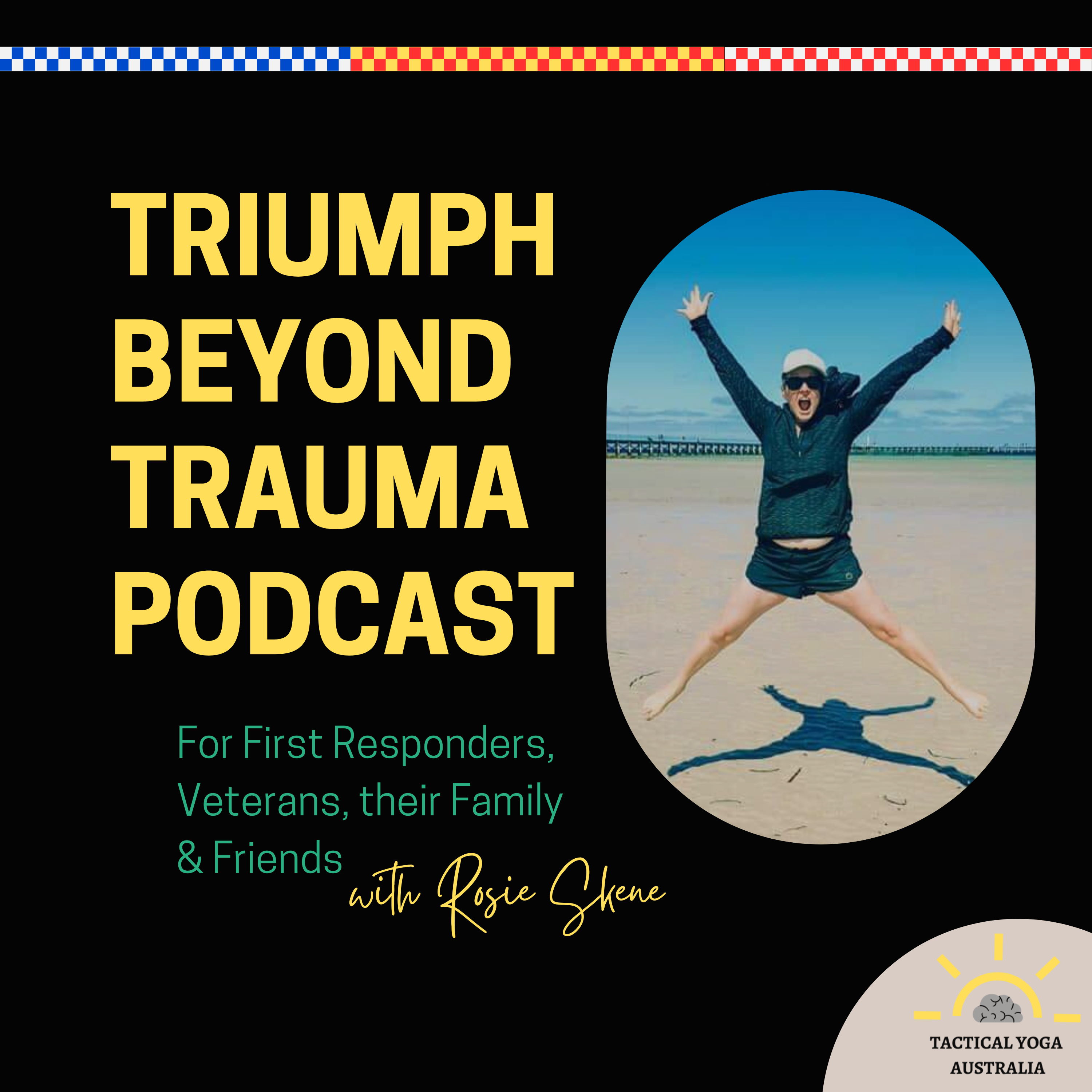
Triumph Beyond Trauma
Rosie Skene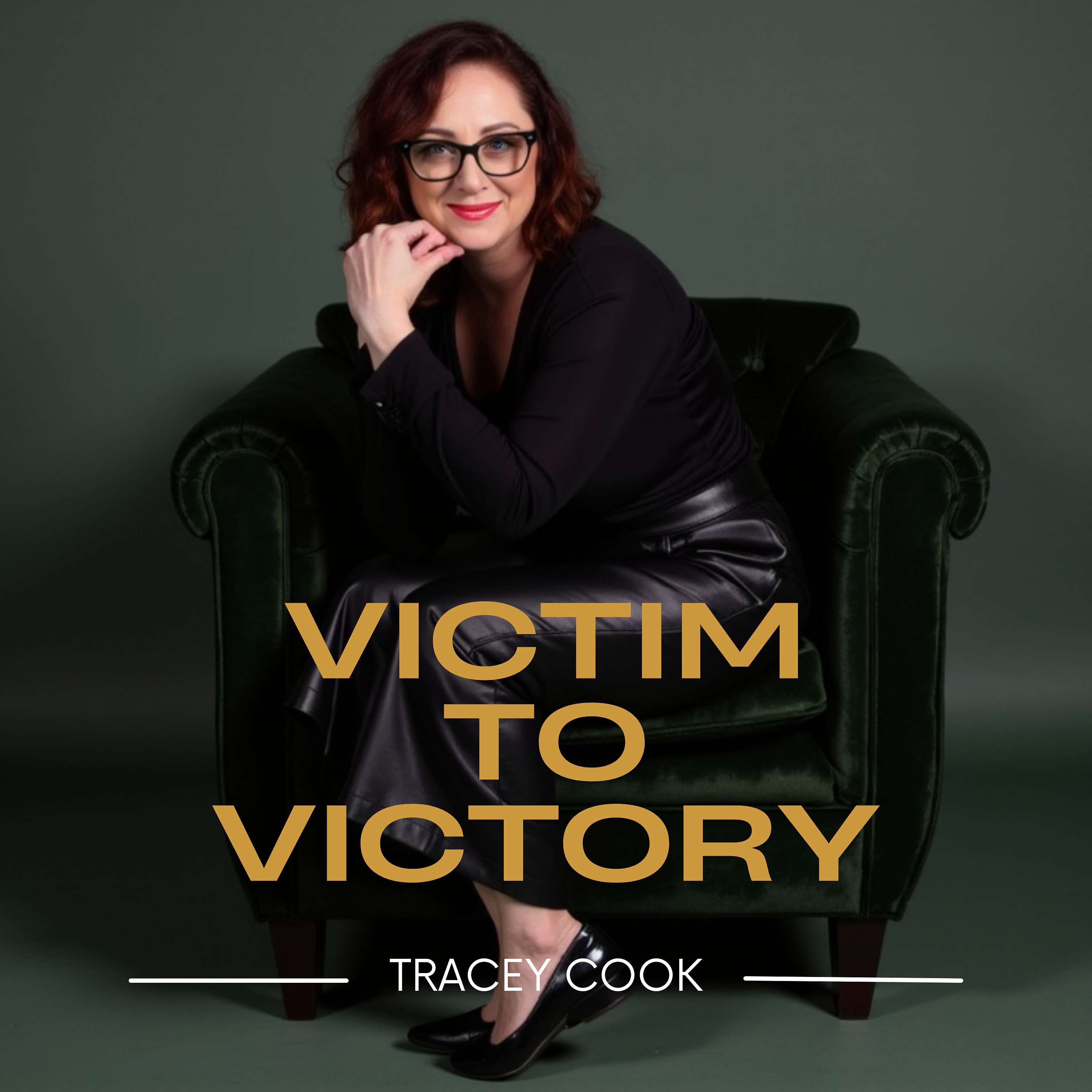
Victim To Victory Podcast
Tracey Cook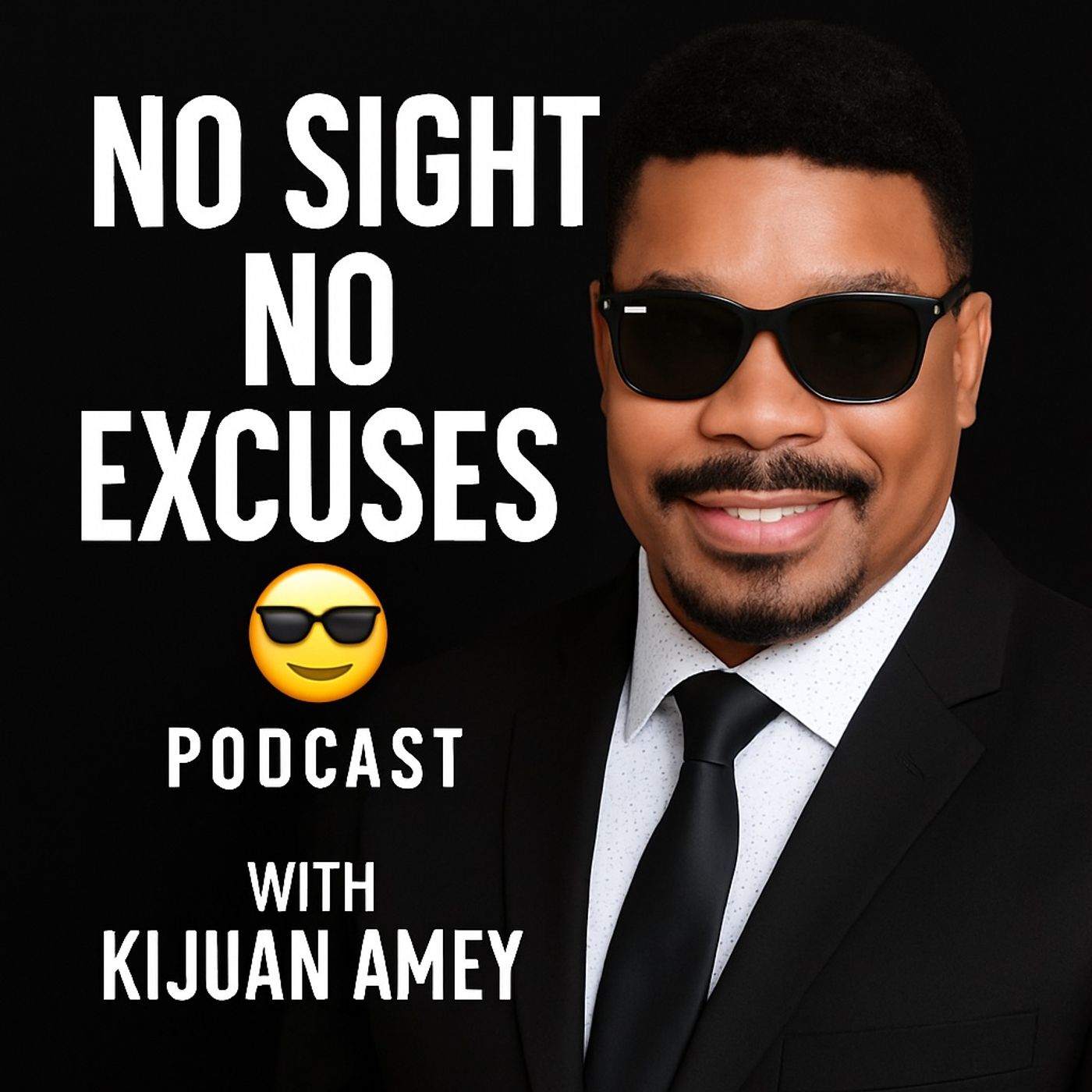
No Sight, No Excuses Podcast
Kijuan Amey