The Viking Chats: navigating the choppy waters of property, technology and business
Welcome aboard The Viking Chats—the podcast where property, tech, and business collide in candid, no-fluff conversations. Hosted by Kristjan Byfield—lettings veteran, proptech pioneer, and co-founder of Base Property Specialists and The Depositary—this show dives deep into the real-world challenges and bold innovations shaping the future of the housing sector and beyond.
Each episode, Kristjan drops anchor with industry leaders, disruptors, and entrepreneurs to unpack the messy, inspiring, and often chaotic reality of running a modern business in a rapidly evolving landscape. Expect sharp insights, honest stories, and the occasional Viking metaphor—all served with Kristjan’s trademark wit and big-hearted honesty.
Whether you’re in lettings, launching a startup, or just love a good story about navigating change—this podcast is your compass in the storm.
The Viking Chats: navigating the choppy waters of property, technology and business
From Foxy Beginnings to Founders: Liana & Ollie Unfiltered
Use Left/Right to seek, Home/End to jump to start or end. Hold shift to jump forward or backward.
What happens when you mix two award-winning agents, a shared love of doing things differently, and the guts to leave the corporate world behind to launch something with your name on the door? You get Liana and Ollie Loporto-Browne - and one of the most refreshingly honest episodes of Viking Chats to date.
In this candid and laugh-filled conversation, Kristjan sits down with Liana and Ollie to unpack their journey from colleagues and co-conspirators to co-founders and life partners. It’s a story of values, vision, and a deep, shared commitment to building a business where people - clients and staff - actually matter.
❤️ From Corporate Climb to Culture-First
Liana and Ollie both cut their teeth at some of the biggest names in the business. But behind the shiny suits and high-street prestige, they saw the cracks - the culture issues, the politics, the places where profit trumped people. And they decided to do something different.
They share:
- The moment they knew they had to build their own brand
- What it was like leaving steady paycheques behind to start from scratch
- How they created a business built on trust, transparency and actually listening to clients
🧠 Agency With Heart AND Hustle
Far from fluffy, this episode is packed with strategic insight - including:
- Why empathy is a competitive advantage
- How to lead with vulnerability without losing respect
- The real conversations they have as business owners, partners and parents
Liana and Ollie open up about managing conflict, finding balance, and building systems that allow them to serve clients exceptionally while staying sane. There’s zero sugar-coating here - just two people telling the truth about what it really takes to build something better.
💬 Topics You’ll Relate To (Maybe Too Much)
- The myth of work/life balance when your partner is also your co-director
- How corporate agency prepared them… and how it didn’t
- What “client-first” actually looks like in practice
- Why the best agents aren’t born - they’re backed and developed
They also tackle:
- Toxic culture (and how to spot it)
- Why they’ll never compromise on brand values
- How to make the industry more inclusive - and what’s still holding it back
👀 Real Talk, Real Laughs, Real Lessons
Whether you’re an agent, a business owner, or just someone trying to navigate relationships, reputation and revenue - this episode is full of raw, practical takeaways. It’s also full of warmth, wit and that unmistakable energy that happens when two people love what they do (and each other - most days).
🎧 Tune in now for a masterclass in culture-led agency, delivered by two people who live it every day.
#VikingChats #LianaLoportoBrowne #OllieBrowne #CouplesInProperty #LettingsLeadership #CultureFirstAgency #EstateAgencyWithHeart #KristjanChats #NoFluffJustFacts
Hello everybody and welcome to the latest episode of The Viking Chats and I'm delighted to be joined today by Liana and Ollie of... A Porto Brown? Love Porto Brown! Love Porto Brown! Or LB Regenential. Yeah. There we go. So guys, thanks for coming to join me today. Thanks for having us. Welcome to the Cocktail Lounge. Without no cocktails. It's the one when everyone do online people always think things like the cocktail trolley are a backdrop. It's for real right? It's definitely for real, I don't know what that is. We'll try later. We're not the dry jams. And vegans, so we're struggling. It's proper hardcore at the moment. It goes really badly, we've got some fire water there. That will both take hair off and put hair on in one go. Guys, thanks for coming down and joining me today. So, let's jump straight into it. So there's not a huge amount of couples in our industry who work together. It's not, there are some, but it's not something we see a lot of. Anne and I always joke about the fact that lots of people think that Anne and I are a couple. - That was a bit of that when I first met you, I thought about that. - Well, I loved it when Anne announced that she was getting married, the amount of people who came up at events. They congratulated us. I was like, so happy. And I was like, yeah, I think my wife might be a little bit pissed off about that. It's just so confused-looking. So, did you work, do you guys work together before you start the business? - We worked, we met. - Yeah, we met at a corporate, big corporate. - Yeah, nearly 20 years ago. - 19 years ago. - Who was that? Which company? - Foxton. - Foxton. - Yeah, so Liana was in St. John's Woods. I was in Notting Hill. - And just moved from Walter. Foxy's home land. Yeah. Yeah. And so we were rivals. Yeah. We went separate. As they do in Foxy's, right? It is love and war with the emphasis on dog eat. But it was such a good training. And you know, I have nothing bad to say about my time at Foxy's. I loved it. We both loved it. I mean, only stayed for 17 years. And my first manager was X Fox. I mean, the experience that you get working in that environment. And not only, I mean, I had come from a different world, moving from Malta property market to the UK property market. It taught me everything I needed to know. - Isn't it fascinating? So some people would know my dad lives in Spain and last year I helped him sell his house out there and a few years ago I did the same thing with my mum that we brought back to the UK. And for all the like tough, tough, what's the word, all the criticism that agency in this country gets right or wrong. Holy cow, like, even our not so good agents over here are amazing compared to some of the agents I dealt with in Spain and yet over there 5% plus VAT standard. Yeah, well I think Australia look at UK and think that we are behind and the American style of agency but it's so different from when you have worked in a typical style where there's a deposit it's a 5% it's just so contractional I mean that is one thing I did love about Spain like we got an offer on my dad's house and it was like cool this is the offer will it change contracts in seven days with a 10% on the front of the deposit I mean we could talk forever about the archaic convincing system in this country but When we met we were at Foxton's and they used to take the top 10% of the company on these trips on these four times a year. Skying in Kosovo! Chamonix! But we met in Iceland the country in Reykjavik. I've heard about this place it sounds like quite a cool place to be. You might have heard about it right? I've heard something about this place. and there was a snowstorm and everything that was meant to happen did happen so we all just hang out at a bar and just got drunk basically and I remember the Icelanders do like their alcohols it's very fucking expensive but they like it so expensive that we couldn't believe but I remember drinking at breakfast when people were coming down to breakfast and us still up chatting and Ollie doesn't remember it at all *laughter* you know the sign of a really good night is the ones you don't really I met Ida Johnson's mum there as well. Do you know who Ida Johnson is? Famous Chelsea football player from 20 years ago. Anyway, I met him her in Iceland and that was my highlight. Gee, thanks! But then we were in that... That's the first time I've heard that from you. The truth comes out! On the bloody podcast! You know darling, if it's nice to meet you. I've got to meet a footballer! I'm out of here! - For Paula's mum, remember? - For Paula's mum! - And she's Icelandic. - Dude, you digging yourself a hole there? - It was so much fun. So those were the Foxton's days, which were instrumental. We used to work hard, we used to play hard, and it was an environment that I think, you know, if you were part of that, you can only understand being part of that training ground, where-- - And if you did well there-- - It drove such, I mean, they drove such a shift in what agency in the UK looked like. You know, right or wrong with you bought into, and very few agents have bought into the entirety of what that Foxxons machine was like back then. And it seems in many ways under Guy, they've kind of returned to a lot of those like core objectives being, you know, unapologetically. - Aggressive. - Outrageously competitive. - Competitive. - Competitive to work. - I said, my very first manager, and I started an agency, tiny little letting agency in Islington called MySpace, which funny enough still goes now and is owned by the guy who came in after me. You're like, I was number one employee, he was number two. But yeah, one of the own directors was named called Emma Basston, who'd been at Fox since like five years and been branch manager or something. And yeah, you know, she drilled in, She kind of brought that really on it attitude to me. - Structure, hard work, just working, putting in as much. - And work hard, play hard, we had some great nights out. - And also the work hard, it's based on meritocracy and it's something that I couldn't have achieved in another agency if I had worked in another agency 'cause I did the Sunday shifts, I did the five to, it was all three to five on the Sunday, you'd be sitting in the office. and the average age of the negotiators was younger, so I had to come in and I was like 27, 28, and I remember sitting there. - Ancient. - Ancient. - Ancient. - I mean, you know, but the graveyard shift when you're that age and I thought, "Whatever," but the hard work paid off. - I needed it. - My point is, the structure that it gives you. - But at the time, they were like anything. I mean, the amount of instructions they were constantly taking on at that time. In 2007, the ringer used to go and everybody would be like sharks jumping on their phone and it was... We had 650 instructions just in Notting Hill, just for sales. Mentor. Mentor, you think about that now. I don't think I'll have anything like that. But I don't think the agents in today's world, that's a bit, will say something that's not PC, but the John Hunt times, the agency nowadays you just wouldn't survive. But right or wrong, they didn't get everything right. You know, I always, his mantra of we go to war for our clients. Now, I've got to say, my attitude at the time was like, I totally get the competitiveness and that hunger for the deal. But I was like, we're a state agent, guys. Like, we don't need to go to war for anyone. Like, just do a freaking job. So like, there were elements to them, but I've talked to some podcast before with people And it was my relationship with Foxton's as an agent that competed, 'cause again, his intern, I mean, they were monsters in his intern. That's where I cut my teeth in agency, my first year in agency. - Not with Foxton, so. - No, no, no, no, with this little independent. - Yeah, yeah, yeah, okay. - But it was, I remember, you know, got my feet on the ground the first couple of months, found that I loved it, found that I took to it. And kind of in that time, in like the next month or so, you know, you had that natural resentment, like lots of agents did back there and they were like... But the Islington office in particular, they'd give out the cars as well. And we'd go to that office, all of the St John's words, well, U.N. Oh, I remember the tactics. And we'd be driving off with a Ferrari on a Friday. I mean, the other agents on the street would look at us. I remember sometimes we used to have to go to the US in office to pick up keys, be like, "Oh, oh, we can't find them. Oh, they're signed out with a contractor." Do you know, I refused them. I mean, I was rufed if I just get the land on the phone and be like, "So, Foxclon's have lost your keys. I think we've just found them. It's okay. I think they've just found them." No problem. But I refuse to use enemy agent now, because that's what we used to call enemy agents, EA. And I'm sure in the notes of Foxclon's, you have the enemy agents. And everybody was the enemy of Foxclon's. But there was, I can't remember who it was, the person I worked for, if it was someone I was talking to at the time, about three months in and I had this like, "Eww, Foxton," it's like so many agents did. And then I remember talking to an agent one day, I genuinely can't remember if it was my boss or not. And they just went, "Why do you hate Foxton's?" And I'm just like, "Ugh," and he's like, "So great, you don't have to do everything they do." He's like, you know what, I think when I hear that a Foxons agent has done a view, the person I've taken out has just been on a view with a Foxons agent, or the person who's been into value before me as a Foxons agent. He's like, there is nothing I love better than doing a valuation after a Foxons agent. And I'm like, and bearing in mind, this is also in the days where right or wrong Foxons had a reputation for overvaluing as well. And I was like, well, I'm like, no, no, dude, you don't want the hungriest agent. And he was like, no, no, no, no, no, mate. He was like, because you get an opportunity to prove your genuine expertise 'cause you can go in and go, oh, interesting. They've told you it's worth X, Y, Z. Can I show you five deals I've done in the last month? The categorically shows why that is absolutely yes. And he was like, also, they've come in and pitch 17% plus all the extras. We're charging, I'm pretty sure they had a similar model to us now, like 15%. So it's like-- - I think it has taken me a while to see that. Like now I proudly say I work at Foxtons. There was a long time where I was, but I used to, and even when I was at Foxtons, I'd be embarrassed to work, but now what it gave me and how we can do that as well and appreciate what they have done in the industry. That was a kind of a really forward thinking way of presenting it to you. - We've taken the best bits out of what we learned so far, and the dance bits for ourselves. - And we know what competition is. - And that's what it's about, right? I think it's, I didn't realize how well that kind of competitive nature had been drilled into me until I moved to my second agency where I met Anne. 'Cause I came in there as a neg. and it made me think of this when you were talking about the phones, right? Like, you were drilled to like... Jump on the phone. Three rings, no call gets to three rings. Like, if it hits second, you're slow, right? And I remember I was horrendous in our office. Like, we had... I think I was one of three lettings next, and there were two sales days, and I was brought in to work across both the company. Sales and lettings. Sales and lettings. That was unheard of in our... So, every lead. every week. Yeah, no. For me right. You'd be at sales neg or letting's neg right. I would work. I actually, did I like a headset? No, that's right. I had a headset. I had a headset on and I would be working and I would have my phone as close as possible to the keyboard. And I'm like, you just tap a button. You just tap a button. But what pissed the other guys off is I would be in mid conversation and if another call come in, I'd just pick up the call And I'd be like, "Sorry, are you okay to hold? "We're just really busy at the moment." And I'd put that call on hold. I'd go back to the first call and go, "Sir, I don't know what happened there. "I lost you for a second. "Can you hear me okay? "Cool, carry on." Meanwhile, I would have evils from across the office being like, "Transfer the call to me." Like, "That's my call." I'd be like, "I can't." (laughing) I would hoover up 80% of the phone calls. And I remember one morning, like they genuinely had a bit of a moment to the manager. and they were like, Christian's taking all the phone calls and he was like, answer the phone quicker. - He's hungry. - It's like-- - It's a commission-based job, right? - It's a commission-based job. Like, the phone rings at the same time, be hungry. And the other thing is where Anne and I formed our relationship. Anne was the Lister. That was her job. She didn't have to generate leads. The company did quite a bit of marketing. they had two people sat at the other head office for the business. And their job was literally just to hit the phones all day, the old school stuff, loot, wherever, wherever they could find it, they would hit. - They'd hit the damn loot. - They would call those adverts day in, day out, and fill out the starting with appointments. And so Anne would go out on four to six vows every day, here, there and everywhere. We were, it was quite a unique business in that time in that like a lot of our stock was East London, we're on our dogs but really you know you went anywhere and again you know it looking at how the business worked I was kind of we used to have these morning briefings every morning where Anne would say oh you know once you this yesterday once you you know I've landed this I've got to follow up that you know and I was like well we won't put the meeting so you know I very quickly learned I sat that sat next to her, I'd be like, "Where are you off to this morning?" She'd be like, "Oh, I'm gonna see a two bed here "and a one bed there." And, "Well, what do you think they're gonna come up for? "Oh, this and that." I'd be like, "Okay, cool, cool, cool." And I know Anne, she would run that one hour appraisal. She always did exactly that one. And I knew the first 40 minutes was building that rapport she's amazing at and kind of conveying a bit of expertise. And then like the back end of 20 minutes was when she'd start to get into kind of starting to close. So I would always call bang on 50 minutes. And I would have already called out my entire database that morning. I would have found out what she's going to. I would have called my entire database and I would call her at 50 minutes of the hour and I would go, how's it going? 'Cause at first she wouldn't answer my calls and then she knew, then she started to learn. It was really good to answer that call. I'd be like, how's it going? And she's like, good. And I'd go, cool. I've got four people who want to come and see the flat tonight. Can you ask the landlord if I can, if you can have a key or if I can meet him this evening or can you leave a key with the concierge and our two viewings tonight? And what a fantastic closer that was for her. She'd be sat there being like, we've got four qualified applicants that can be in tonight. You know, and I would be doing deals when we'd get to the morning meeting and I would be there like, oh, I went to this yesterday and that yesterday and someone would be like, oh, I've got a couple of people for that. And she'd be like, so that's already left. (laughing) And the eyes would turn. - I think it's just the good agency. - But it wasn't for your ex, sorry, it wasn't for your ex-Foxitons manager in my studio. - No, no, but this is, - There was, what she'd ingrained in me, you know, that mindset. 'Cause I, you know, with her, like a lot of my job there, I was the only neck. - Yeah. - But she still, they still fostered this, you know, a listing comes in, you know, it was back in the days as we often reminisce about of your applicant box. So, you know, you'd get a listing in and literally you'd take out your two-bed applicant cards and you'd take out all the ones that were relevant and you'd slap them on your desk and you'd work your way through and you'd make a note of who you spoke to. I just couldn't believe because coming from an industry like back home, which was self-employed, right? You rent your desk and you work on the brand, so that was how the market was. I couldn't believe how easy it was. So when I came here I was like, what? You're going to give me a car? You're going to give me an office? You're going to give me leads and you're going to give me property? And a basic salary? And the salary? Yeah. And it was ten grand? But it was a salary. - But you've got a car and a phone. - I had, that's all you need. A car and a phone, right? So for me, everybody was complaining and I was just like, this is good. - Well, I mean, you know, Anne says, one of the reasons she got into agency was she was like, I want a car. You know, she's with her husband. He had to do always afforded her a nice car. She's like, I want a car. And so that was the primary driver. What officer car, agency. That's why I joined the Boxstons. I had manifested the Foxstons Mini and it was just, it was a fantastic platform because it gave you, it gives you everything you need if you want to succeed. Talking about the 10K, because I'm on the move on to that, I think this basic salary has not destroyed the industry but it's made a lot of, it's created a lot of drifters and that's unfortunately what they did at Boxstons was, well it's... Yn ymlaen that is tricky because I do I do think at the end of the day it's a company's obligation when they're taking a risk or a chance on a new employee that employee should be secure in taking home a minimum wage and I don't think you know and ultimately it's down to a company to decide what those metrics are and not to let people drift as you say I think what's going to be challenging is the new employment rights with rights from day one, not that first six to twelve months into it, that I think is going to create a much more challenging dynamic within our industry than any kind of minimum wage. I think it's already challenging enough for a small agency, Ollie doesn't like the words small agency. independent. I understand for the word independent, it just leaves it open. It is an independent agency but you know when you start looking at PAYE and all of that, that's why our industry is changing so much because there's so little money or so little profit in some of the independence rights so having staff and then having all of the things that come with having a bunch of staff is... Well, I think a lot of the industry's reaction to that, particularly in the sales roles, will be to expect people to be self-employed. It's the only way that you can protect the company. You can kind of picture to the person that look, you know, a bit, in a similar way of 10 and 10 was like, "Dude, it's up to you." Yeah, I'm just giving you something to keep. In a similar way, you can be like, "Look, it's up to you. You run that risk of, you know, how un-franchised are they within the business?" Theoretically, they take home more as a self-employed person for generating the same income, as we know self-employed will typically pay less tax on that than an employed person. So, but I think that's what you'll see quite commonly within the industries, I think you'll see that pivot. Now, I just think that self-employed people will probably need more support. So this industry will change because a lot of them, including myself, are very good negotiators. but we've had hard lessons with our own business where you suddenly become, from an agent you're a business owner and they're very, very different roles. And we know as well, lettings and sales, again, very different. We're going in lettings, you know, it's chatting with someone about this, someone the other day. And yeah, we were talking about this whole self-employed employed even within a business, because you've got some agents now starting to migrate to the kind of the powered by EXP model, but still operate their agency, because it kind of gives them that flexibility to kind of operate two different models at once. But it was really interesting conversation, because they were like, yeah, but with self-employed, that challenge of inletting, you're going to need to invest substantially in their training they've got the technical knowledge. But, and yes, you always have the old adage of employed, you know, what if I train them and they leave? What if you don't and they stay? But equally, if they're self-employed, you know, if you're investing thousands into turning them into a highly knowledgeable lettings expert, where does that put you in two, three years? Well, it comes into recruitment as well, doesn't it? It's having those initial conversations was someone what you think actually do I want to take a risk on this person? But the salary one is another interesting one with the salary one. I remember, God this was again when I was working with other dogs with ants, this had been twenty to twenty three years ago when I discovered that you know Saddle's model at the time which was they typically paid much higher salaries, it was like twenty five per cent. And the pooled commission. And then you had either pooled commission or it would be based on dividends, it would be based on company performance. And profit. Which again, I think that's quite interesting. And I think that for me is a more interesting model in the sales thing is not to tie it to the deal, but to tie it to the business. So, and again, particularly in lettings where it's a much longer relationship with the client. You ideally want tendencies to be as long as possible as well, so you don't really want to be shoving someone in and six months, because you kind of half fooled them into running a property that isn't quite right for them. And you've got what, 270 bits of legislation to know about? Yeah, and it's probably, you know... Yeah, we did think, oh, letting's, let's do it. And we had a dodgy acquisition, and we've learned so much from... Learned hard, won't we? How hard it is to run a letting's business. Okay, we did like university 101, so we did it, but it is really challenging and if you don't necessarily know what you are doing, you can't plug it, you've got to do it right. It's really hard, it is so technical and I mean Anne and I have talked about this a lot. I don't think either of us could have built bass without the other because Anne is really good at the details. My god is that woman good at the minutiae and the details and staying on top of compliance and you know all the day to day stuff that you've got to be good at to be an effective letting agent. So you're just a fake. But you can't. Obviously. But if your agency is going to survive and thrive you've got to have that. And eventually that all falls apart. But then you can't just be sat in a desk like that. Exactly that. And I think then you don't evolve. We were particularly unlucky because it wasn't just what the business, it was the clients. Like if you were going to progress and you're going to grow, you know, growth comes with pain and problems. Growth is tough. Growth is so tough and we thought we could grow quickly. And that's our mistake. Rydyn wedi whose role, where do we lead, where do we step back? - It can be hard to admit what you're good at, not good at. (laughing) - Especially if-- - It ain't hard to know what you get at, but it can be quite hard to be like this. - That's the beauty about husband and wife, is that you can trust each other and say, I know what she's good at, she knows what I'm good at, and we can have honest conversations with each other. - I think it's instead of having a colleague that you're sometimes more cautious about telling them what you think, obviously, Ann and you have that relationship, but with Oli I'm like, dude, what's going on there? - Yeah. - We've got it like. - Well, don't stop. I know that face. I know that eyebrow raise. I know what that means. You know you fucked up. (laughing) - And do you know what? To be honest, it's the same. There are some things that he will take the lead on and I step back and I'm like, right. - I say, "Leana, how do you think you could have done that?" (laughing) - And then after slapping you in the face, She gives you an answer. (laughing) - He doesn't. - I think you know what? - He doesn't phrase it like that because otherwise he wouldn't go and stuff. - I think the growth thing is really interesting 'cause I've known, and I think this is something particularly when you come out of working in corporate agency. - Yeah. - And particularly if that's all you've known, because you work in an environment where there is this constant source of leads. - Yeah, yeah. - There are constant new landlord or vendor inquiries, there are constant applicant inquiries because you have this big portfolio. And I've seen a lot of people, some still in it, some who very quickly learned those challenges weren't for them. But I've known quite a lot of people over the years who've done the corporate thing, five, 10 years have been like, "I fucking smashed this." - Yeah, yeah, yeah, exactly that. - I don't want 20, 30% anymore. I want 100%. I'm gonna go and do this. And within two years, I'm gonna have, "Bubbubbubbubbubbubbubbubbubbubbubbubbubb - One vendor leave this week, what the fuck? You know, it's... - But what they don't think about is sitting in a room alone with a computer with no data on it and a phone that doesn't ring and nobody to call or generate the business and nobody thinks about that part. - You don't have a marketing team and a 10 million pound budget being spent out of Eisen Ears. - But I think if you manage to kick it off, if you manage to kick it off, you're like, that's something really special. And you might not get it right straight away. And if when you start building, it's like, Chris W was great because he was like, "Queen of your manor, queen of your manor." And that's what I did. I just listened and I was out, I was talking. And like that nobody will teach me that. I had to do that alone to build the business to a stage where we joined together. But that was graft. and that was like hard work. And now I look back, I'm like, wow, two years ago. - So do you know the history of that, Leana? - Tell more. - Set up by herself with EXP, initially, if you want one of the first, and then I subsequently joined, and then we'd formed a reportable round from that. - So when I got my diagnosis-- - And the reportable round is not EXP, or it is-- - No. - No. - No. - No. - So when I got my diagnosis, my business fell off a cliff, because it was just me. And I think I had built it up to a point where it was doing well. Ollie was still with Foxons and at that point we started having conversations and I think it was just time, it was madness not to do it and most people tell us how do you even consider going into business with your partner? Because I would strangle mine. But actually... I would say why wouldn't I? Yeah I think it's horses of course isn't it, different relationships. I mean, I've been with, I've been my wife, Hayley, we're in our 26th year together now. - Wow. - Would you work with her? - 2000, sure, we did work together, not an agency. We worked together early doors, 'cause we were both actors. We met at drama college. We were both actors, and so we both did shitty bit jobs whilst we were trying to get our acting career off the ground. And Hayley and I worked all by one together for like a year. still rib her about us working together because she was sometimes a designated team leader, sometimes a self-appointed team leader, which like, whenever she goes a bit bossy at home I'm like, oh, team leaders turned up today? She'd be the one balking at the restaurant that the ketchup bottles hadn't been cleaned or, you know, but, um, but yeah, no, we got on and it's something we've actually, you You know, we've got aspirations to do stuff together down the line. What I'm doing now with base and depository, I've zero interest to her on a job basis. We've had those conversations over the years a few times being like, "You want to come and work with me?" No, that's not it. But there are things we've talked about that, you know, when our next stage of life comes along, whenever that is, we've got ideas of what we want to do and it is absolutely doing stuff together. That's great. I think our relationship has evolved very much from the time where we made the decision to start a business together to now and we've literally trudged through trauma for the first couple of years and now finally at the start of this year I think we both feel like we're in a really good place to start building the business. But yeah, I think it's taken a little while to feel like this, but also just understanding that it's really Norman. And look, I think, you know, tough times, whatever that means, personal, professional, whatever, you know, it's that kind of forged-in-fire thing, right? You get through that stuff, you come out the other side, you do typically feel stronger, more resilient, more prepared, and your attitude to issues shifts as well. You start to realise there's very few things that are ever outside of personal stuff. In fact, personal stuff is actually more all-encompassing, but it kind of puts business into context that there are very few things in business. Unless you intentionally set out to to do something shitty. There's very few things in business that are as scary or damaging to your business as you think. I mean, I've-- - We were led down by people, so it was pretty, it really affected the morale because you're trusting to what people tell you and you're taking people of face value and they're not honest people. And that was very difficult. - Who were those people you think you know? - We had each other, that's the word. - And we had each other. And although we went yet directly, like it affected us in very different ways, we always had each other. And I think that really makes you appreciate the other person. And the fact that we know we've always got each other's back, I think it's so important. - It's actually pretty powerful when we go on valuations together. We did something in St John'swood yesterday, and the mother and daughter just looked at us and just went wow, went and gave me the keys. - Yeah. - Done it. - Yeah, I mean, look, you know, Ann and I obviously, 'cause we've now been together so long, I mean, we joke. (laughing) We joke to her that people think she's my wife, but we do, you know, she's my wife. I spend more waking hours with this woman than I do with the woman I married. - And you know her, you know the quirks, you know-- - And we have that level of trust. We've been through enough now, we've done enough, you know, And we carved that, you know, starting with the business, you know, with Anne going through what she was going through with the court case over in Belgium and, you know, and we backed each other time and time again throughout the business. But I think the interesting thing, I've not had too much go on personally. I don't really feel that's impacted how I feel about work. But one thing I do know is pretty much every major event, you know, from a business, from a business transaction point of view, that's happened, that our initial reaction has been, oh, oh fuck, oh, what do we do now? Literally from when we started the company, right? Before we even started the company, two days, the day before we were due to sign the lease for our shop up in North London, we're in there with a builder, planning out what needs to be done, and these two lads stroll in with their builder, and we're like, who are you? And they're like, what are you doing in our uncle shop? So, this is our shop tomorrow and they're like, "No, it's not, 'cause we've signed a lease today "with our uncle, Off You Pop." And that was, you know, at the point, Ann and I had pledged 10 grand each to start this business. That was it. 10 grand each in the pot, single swim. That's what we've got to get it off the ground and make it work. And out of that 20 grand pop, that was five grand that we'd spent on legal fees, surveying, because that was a 25 year lease, like the shop had down, or we'd spent five grand on legal surveys, all this sort of stuff. - But these are all the foundations, and I think one of the things that makes us as an independent look at you, and really admire your ways and your journeys and what you've achieved, is that you've done that, and you've done that with a lot of joy, and you've done that by being very different to your average agent, And you've done that by treating people right. And I think that's exactly, if you do that, you can't fail. - I think it's really interesting, there's a phrase in our industry which is used a lot. And I think it's often used, not falsely, but it's this thing of people by from people, or we're a people in this way. And it's like, it's absolutely true, yes. But I think I always give that caveat of people buy from people that they like, people buy from people that they identify with, and people buy from people that, when they think the product or service is going to be good. Those are the three driving caveats. So this, this, this safety badge that some agents wear of, "Oh yeah, you know, tech's not going to do this and that's not going to do that." Because people buy from people. Yeah, if your people pick up the phone and return a call and are proactive and know their shit. But also people who have a bit of personality and are genuine. - Yeah, it's the genuine part, I think. 'Cause there's a lot of people that can say it. But there's a few that actually do it. - And I learned that without, like, still to this day. - So genuine, the most genuine person you've ever. - The most genuine person ever. - Absolutely. - And that is what she's like with every Landlord she talks to. I mean, it's a long running joke. Like, she will come back from evaluation with someone she has never met before. She's been in a room with them for an hour. And not only does she come back with the instruction, - Yeah. - At our feet, and sometimes she'll come back and she's given the lowest rental price appraisal, and we've quoted the highest fee. She'll come back with that. But not only does she come back with that, she comes back with this person's life story. And like, with two secrets that her family don't even know. - But do you know what? - You know what? - It's like, do you know what? - Do you drug them? Like, how does this work? - I don't know whether this was a Fox and Things, but if you remember in our notes, sometimes the manager would reward you or you'd get like a 50 quid on a Friday 'cause that's what used to be some of the things for finding out a random fact, like the cat's name. - That's true. - Get them to open up. - Or the, you remember how many children were forgotten. So that was the information gathering was so important because obviously you are gonna be part of this person's life and you're gonna be really close. And that's what we tell people. Now we're in a fortunate position. We're like, if you get us, you get us because we're gonna be very close for a while and we have to navigate a few situations before we get to exchange of contract. And probably they're gonna be tough conversations and you either want me to skirt around them and not tell you or you want me to be completely honest with them and if they don't want that, - I said something the other day to a client and I just said, "Look, our mantra is that we just give good, honest advice and the business just follows us." And I said that, I was like, "Actually, that's so true." (laughing) - Shit. - It just came to that. - That's really true. Can you stop it, brother? Can't go, hold on a minute. That's fucking genius. Sorry, no, back in the room. - But it is, it's true. It follows us because we always just-- - We're 90% referring now. - Yeah, it is. a'n house. They come to me. I know I know I have another jump but I'd really like your opinion on it. So this is something fascinating in Lettings as well. I had a really interesting thing yesterday. I had, as we often do, a friend of a friend kind of reached out and was like, 'Oh my God, a friend's having a nightmare with their let. Can you help?' Alright, can you tell me a bit more information? Yeah, person's got a journey and they've got problems but the fascinating thing was you know like you guys you know I fired back I was like right first things first they need to do this this this this and this and they need to think about this and think about that and I was like by the way agent involved they had been an agent involved but very basic service so they've kind of gone we've done what pay this for right or wrong but what I found interesting was like oh yeah but she's reached out to a few other agents since to ask for help and no hot given just I don't know I'll tell her not a problem yeah yeah it's most of our landlady's finding that balance right about how involved you get with those situations there are things I think yeah things especially I think in sales I I can't even get it, you've gotta find that balance. You've gotta find that balance where you're willing to give that advice but also the ones where you're like, I'm sorry but you didn't retain our services. But if it doesn't work out, you know where to come back to. You know, you have to find that line. What's I gonna say? I've lost my point. What are we at? It was the agent, sorry, the, you were trying to get a whole load of advice from the other agents and they won't give me advice. Oh yeah, yeah, and it's so in lettings it's such a different value proposition, right? So as we know, sales largely transactional, your typical person, roughly 10 years, whatever it is that they'll do a sale on. You know, most of our landlords, we've been running base now nearly 22 years. A big chunk of our clients have been with us, the lion's share of that. So a good chunk of our clients have been with us 15 years, paying our fees every year for those 15 years. As a business approach to have someone come to your agency for help in a crappy situation, and yes, it's not a situation if you're making, absolutely not. But to be like, "Oh, no, you didn't pay for our help, we're going to get out now." It should be a compliment. I think that's what makes the difference, right? Do you think that land was ever going to pick up the phone to you again? - No, why should they? Whereas, you know, my thing was like, "Look, give her my number, I'll have a chat." But I'm really busy at the moment, so I might need to be a chat in the evening when I'm at home and I will talk through some stuff. I'm like, you know, and I can give her some friendly tips and I can also tell her commercially what we can do to help and what the cost involved with that would be. And it's her choice, you know. And I can point it to some articles that we've done that will guide her through how to handle this stuff. You know, why don't you want to put in that effort? I think that's what makes the difference between the corporates and now the independence and the self-employed agents, right? Because at the end of the day, the corporate business doesn't belong to you. So why would you put yourself out of hours to be there for somebody that's not necessarily going to pay you any money? Whereas when you're an independent and you really genuinely, that's where I say you generally do care. Ollie's always on the phone with somebody helping them do something. I thought I was good at that. I thought you know when people say go the extra mile and that's the one thing. There are people that call him for advice all the time and it's constant, constant. It's that black book though that you're creating and regardless of whether I was at Foxham's or not I kind of had that black book always in the back of my mind. Because if you become the go-to person You know, this is what a lot of agents don't get. It's not about just what you do. You know, you want to be able to help someone with it's reason, with any aspect of that property. They need a lawyer, they need a gardener, they want an architect, they need a drain cleaner. Like, you want your name to be the first name that person thinks of when the word property happens in a conversation. Oh, I'm having a nightmare with this in my property. Or how am I going to do this in my property? you won. Yeah. Your name. Do you know what? I think for both. Do you know who? Yeah. Do you know who will have the answer to this? I think for both of us, it's 10 years later, the daughter, the cousin, the aunt, the uncle. Let's call Ollie. Let's call Liana for their advice. Look, and we have that with tenants now, right? We're coming into this new renters rights act era, this era where landlords and agents like it or not are going to have to get the fuck on board. we're looking after tenants much much better than a lot of them currently think is acceptable. But that was always one of our driving reasons for starting base, because we felt tenants and particularly London tenants with the amount of rent you pay in this city were being so massively shortchanged and a huge part of us has been that parity of service, striving to excellent to service but for both, not pitting them against one another and not you know and and again like you said we see that now. We see tenants that rented with us a decade ago and since then they've bought a home and then they've moved in with a partner or they've taken a job abroad and who is the only agent they pick up a phone to? Us. Why? Because they were treated well. You know and it is so often we'll be like oh why are you coming back to us and they're like dude if that's how you treat your tenants We don't need to worry about how you treat your landlords. It's basic, isn't it? Treat people right. And again, this psychology, again, this... And on that basis, from a business point of view, I've always found some agent's attitude to tenants, this... This attitude that they are an inconvenience, that they are just something or someone who... Yeah, just sign the contract and just please, otherwise just get out of the way. Because you're not my client, you don't pay my fees. Maybe you need them for you to pay a fee. But I've never understood that attitude of why you would want, and again, particularly the bigger the brand, the truer this story is, right? Why, with most people starting their property journey as tenants and increasingly so, why on earth would you want to embed a toxic impression of your brand at the start of a 50, 60 year involvement in property. You know, someone's lifelong involvement in property. Do you really want the first two, three years experience of that person in property to align your brand with everything wrong about property? Crap service, crap communication, unprofessionism, because you've just cost yourself potentially 60 years with a revenue. - Yeah. - And if you've got a mortgage arm, and a sales arm, and an investment arm, 'cause again, I've just talked about, tenants aren't just homeowners, right? They are your future landlords. - I remember at Foxons, when I was a neg and I used to do viewings, you'd get this tricky tenants who just wouldn't let you in or maybe only once a week or an hour or something. My boss said to me, remember that tenor will turn into a buyer one day. And they'll sell something one day, I was like, "Yeah, right." And that's always... I guess it's to be parenting as well. Mum and Dad have always given me good foundation and I think... - Treat people like treat people like they're treated exactly. That's all about that. - So when I first... My first day at Foxton's, it was, do you remember that program that came out? - Woo-hoo-hoo! - She was in my office. - I wasn't there! - What was it, Doosie? - A cross. I mean not that much, mainly came out of it and from what I recall, Foxes also pretty much like, "That's right, we do deals, no matter what it takes." No, they really did. If any landlord wanted to do things right and compliant, they then went to Foxons because they changed, they did. They tightened back and changed everything, but that was my introduction to the UK Boppity Market. You're a brick through your window. Yeah, yeah, yeah, yeah. People know that story, but it was just amazing. - Many's getting tacked a lot off the back of that. I remember a lot of many's getting tacked and boards being ripped down because - It was man, sir. - Man, did Foxons love a board back in those days? I mean, they still love them now, but I remember seeing the vans going around with the 30 Foxons boards on the back of it. It's like someone's got a busy night. - He's still around that guy. - But then you also catch them pulling down the other agents boards and be like, I see you, it's not my board, so I'm not gonna tell anyone, but I see you. - Board wars, that's funny. So look, we talked a lot about agency and stuff and we do need to start heading towards some sort of conclusion on this. (laughing) We could see it if we're ages. Get the drinks out. (laughing) But I wanted, we would be remiss not to talk about where women in a state agency. So obviously Leona, you and Claire are the original architects. - OGs. - The OGs. So you guys started the Facebook group, right? - Yeah, we did. - Which is what kicked it all off. Mae'r adegau yn gwneud i chi, Cl incredible women on that board. What's that like seeing something that you know you set it up not for any aspiration other than to just have a safe space for women to be able to talk to one another and support one another. Like to start with something like that where it was like fuck man we just we just need to know where we can talk. Yeah. And then to see it escalate very quickly you know very quickly what was it like three years yeah we're trying to start on the group to the first conference to it was probably a year and a half in our first conference because it was pre i go pre-diagnosis and post-diagnosis it was it was just before our first conference so it's it's to to expand to that and to be able to have our first conference was 240 odd and now we're at just under 500. I don't know, do you know that I've stepped back from the boards because I've had to have this year to fully focus, raise a sharp on the business. You've got a family and a business and it's a lot. And the regional executive for property marks, so that year of presidency was, I've always been so busy and I've had to consciously slow myself down. The power of no. to focus on the business. But looking at the leadership courses, women that come up to me and say thank you for doing that, what we now can provide to women to help them whereas we didn't necessarily have, we didn't have that. You know, the core reason for starting the group for Claire and myself was that when we went to see, to seek role models that had been through that we were looking to overcome, they were just weren't there, they weren't talking, they weren't there. They just weren't talking about it. They weren't having the conversations, the hard conversations. - Because there wasn't a safe space to have that kind of country. - Because there wasn't a safe space, there wasn't any space to go and say, "Guys, I'm struggling with this, I've just had kids, I'm coming back," or, "I don't feel good enough," or, "I'm having these challenges at work." - And kismet for you, because like you said, you said it up before your diagnosis, obviously having that land afterwards, I mean, that must have been a huge help having that group- - Incredible. - With dealing with that. - Sarah Edmondson was one of my incredible contacts who held my hand through my diagnosis, my mastectomy, she was sending photos, she was doing like, she was my rock. And I wouldn't have had that relationship with Sarah and I'm blessed to have had that if it wasn't for we are. and you know, Heather, Heather's stuff is a little bit less, you know, vocal about it, but she was there and that's just one of the many aspects where we're there for each other through it. There are so many more stories that have come out. But I think what I've loved hearing about that group is, I love the fact that you hear people being like, "Oh, you know, I had a question about agency or about a notice, but I didn't want to put it in a public forum." So it's not just the personal, you know, it's also this, so it's like, guys, section 21, it's done like this, right? Or like, whatever. You know, I think that's the nice thing I found talking to people is like, some people have got professional support from it, some it's more, I'm at a point in my business where I'm kind of, I feel like we're stuck, and I can help, and then like you said, more. And then the other side of it, which is kind of what people kind of expect, which is the life side of it. Mae'n ddweud o'r ysgol yw' I mean my relationship with social media has changed a lot. I mean I put out a lot of social media content as you guys know but In the last year that that's been a very conscious decision and that has been very much professionally driven Yeah, and from a personal standpoint actually if you look at what I post personally About my life outside of work that has diminished considerably. I would you know a year plus ago I would be posting every few days about the kids and photos of what we're doing this. Yeah, I mean likewise I think it is overwhelming and I think also I found what about six months ago all this shit going on with Trump in America and yeah, mini-Trump over here. But you know I went through a kind of month tomb of window where you do you get sucked into all of this and the algorithm and yeah. So that was one of the things with the even with the group you know the problems where I felt I couldn't give what I needed to give to the group at the time, but I now feel much better, much stronger. But the fact that all of the board has stepped in and now they are there for everybody else, you know, at the beginning I felt that weight on my shoulders that I couldn't give. You've got to be careful. There's only so much you can give. There's only so much you can give. To clients, to friends, to the industry. in this job right? - Yeah, we're very best counsellors. - Yeah, exactly, counsellors. And in fact, some of the best negotiators I've ever known have been at Voxstons. They were fantastic in a number one all the time. But they're taking some, you're taking so much on board as agents from other people, saying, oh, I'm moving because of divorce, I'm moving because of this demographics, for example, or financial problems, etc. How do you talk about it? Where do you go to when actually need some help as well. And I think we take it personally. And that's where I think we are, has done so well. It gives that platform to people to speak. And I think that's what the Boys Club is trying to figure out for guys, right? And I think that's really exciting to see that kind of relaunch this year. Ben's now pulled together a board, really nice gathering of I mean I've been very actively involved with Ben with it since he started. I made a conscious decision not to be on the board because I do, as we've just talked about, I do so much already. You know I had a chapter Ben and I said look I fully support everything you guys are doing for and I hope I can contribute and be a part of it but I'm not gonna sign on the dotted line because I don't want to let anyone down and I also don't want to feel like Mae'n ddifrif i'n ddifrif i mi i ddech was that it was never anti-men, it was never huge kind of, you know, movement to exclude men from any of the conversation. It was always so important that men had to be part of that conversation, fully part of that conversation. And I think that's why it's had the success that it had, and it's had the incredible people on the board behind it. I will mention one in particular, but every single person on that board has contributed to making the success it is today. And look and I think you know they're very different challenges that the women's and men's group face right and I think but I think what you said The important thing embracing diversity and empathy in any way shape or form To lift any anyone up any category of people up Does not in any way mean that that detracts from someone else or you have to take something from someone else to give it someone I think I think that's a really important message right now because I think there's There is a lot of dialogue out there and I think again particularly in the sphere of young men that the empowerment of women and people of color and ethnicity and trends and all this sort of stuff there is this this very strong dialogue out there that that has come at their expense and There is a modicum of truth to that because they had a ring-fenced opportunity of, you know, unbridled entitlement. That was just the way things were. And so yes, you could argue that some opportunities have evaporated, but that's not because anyone saying you're not worth it, you're not entitled to it, you don't deserve it. It's just there is someone who happens to be more qualified, more deserving, more effective, you know. And then important conversation. - And if you don't like that, just be better. Right, but I think the challenge with guys, I mean the great thing with women is women typically, and of course we are talking in vast generalizations with all of this now, but women typically are better at talking about shit as we know, and men are typically fucking appalling. So the challenges with the two different groups is fascinating, and you know, and it's been doing the boys' cup of Ben the last couple of years, It's been a fascinating and often frustrating thing. 'Cause it's like, you know, we really wanna give this space to guys that helps, but it's really hard to get, so talk, it's been really interesting since they announced the board a few days ago. There's been a sudden outpouring within, again, the closed Facebook group. And there's been some incredible shares. There's been some guys in there being really honest day-to-day challenges that they are facing. I'm not going to name names, but one of them in there, I knew a lot of what was going on, but it's been kept very private and he very openly shared a lot of big stuff that he's dealing with in his life. And I know from the stories that we've shared in the group before, where we've had little webinars and ac mae'n gwaith i'n g be it through how they place themselves or whatever, find themselves in situations where they need to be the rock. Yeah, exactly that. You know, whether that's household income or supporting a partner through something or a child or whatever. And I think that is often the biggest struggle for guys is we want to be those hunter-gatherer protector kind of generic genetic types that we are, we want to, but it comes at a cost. it comes with a, you know, a toil and a burden. And it's for a lot of guys, that's really fucking difficult to talk about and really difficult to know who to talk about. And as a lot of guys, you know, we keep coming back to this thing, a lot of guys when they're going through stuff, feel like they are the only person going through that, the only person who's felt it. And somehow there is some connection to what they're going through, that something they've done somewhere in their life has somehow led them to this situation that they're in. It's a fascinating one. But then let's... (laughing) The great thing to know is that if you're not a group, if you're not a member of either of those groups, women and men out there, if you're not, just join in. You don't need to contribute, you don't need to feel any pressure that you have to go in and all of a sudden open your arms and share your deepest darkest secrets. - And there's the conference coming up. And I'm going as a guest. how nice is that gonna be, not having to be worried about the schedule and who's doing what, when, just be able to enjoy it. And yes, let's talk about the conference. So, 5th of March, 6th of March? 6th of March. 6th of March. Back at the Pullman. Up Nickings Cross. Kings Cross Houston. Yeah, that's right. Same venue as last year, it was a great venue. It used to be my baby and it's been a joy to watch from a distance because there's mae'n dweud o'r ddweudio'n ddweudio'n ddweun. out of that day because it is unique, it is a very different event and that's the feedback that we've got time and time again from the very first one which they had called I remember walking being approached and somebody told me that was imperfectly perfect and that was the best thing. You guys have done something so sensitive and I've been very outspoken about your events since you started doing them because they are something different it's you know we've got of industry events that conferences that do happen and you know there's tell that how is there's a lot of the same stuff you hear there a lot of the same conversations whether it's about right now adopting AI or the Renters Rights Act or you know how to do better with your conversions or generate leads you know very estate agency orientated staff and yes you have your key line speaker a lot these events who might talk about their Olympic sports career or whatever but outside it is really nuts and bolts agency and I think the really interesting thing with your guys events right from the offset was anyone from any industry could go along to your event and walk out with very similar takeaways than agents will in the room. Yes there is some agent related content in there we have our right move stats back this year and you know we've had people talk about language within agency and structure and all this sort of stuff so there is there is it's about it's it's more about but it's a culture of it it's it's not it's not a here's how you sell an extra 10 houses next year it's culture And if you know, what's the saying, culture each strategy for breakfast? You know, so you can have the best strategy in the world, but if your culture's shit, you're going to fall flat on your face eventually. And that's what your guys event gets. Yeah, it's giving you the confidence as well to go out and implement something that you potentially wouldn't have done before sort of. And look, I think, you know, I found for me, My biggest takeaway has been more as a husband and a parent than as a business owner, because I've always been pretty open. It was outrageous that I started the business with a female co-founder back in 2004, who was also gay, I mean, my god. So that kind of stuff for me has never been, I've always found that stuff quite mysterious to me because originally Anne was gonna work for me, and then she very quickly was like, hold on a fucking second. I've done this seven years, you've done this one. But at no point in that thought process. - Was it a woman? - Was it about the fact she was a woman or was the fact that she was gay? Neither of those ever came into that conversation. But like I said, I found it fascinating the talk about language that has always stuck with me from Rachel, that I found so powerful, particularly her story about when they were having a kid. - I know, you couldn't hear a pin drop in that audience. It was truly incredible. She was so anxious about it. - But also just the delivery of it, the message. - You can throw something away as a sentence. And there can be no malice or intent behind it, but language can be so important. And obviously you've had those horrendous eye-opening stories from the likes of player Yates, you know, early doors where it was like, Wow, what the fuck? And also, you know, men and boys, I've got a wife at that, you know, we're at that point in our lives, you know, two, three years ago, like a lot of guys and actually like a lot of society up until that point that aren't women, It wasn't something that was talked to discuss or really thought much about and that you know you guys talking about that event definitely changed my attitude and my Attitude to understanding it more and developing knowledge around it. And so I think you know It's again having those conversations with you know, we we started off in the first conference talking about everything from rape and anxiety confidence, menopause, but also building it into how you take that in and how you communicate with people. It's all that communication with your peers, with your husband, with your kids, with your business partners. It sounds naff, but I think some people, some guys particularly, are crazy about this, but I really feel like genuinely you come out of that event learning how to be a slightly I was literally about to say it was exactly the same. You know, you just, you learn how to be a better friend, a better partner, a better brother, a better son, sister, daughter, you know, whatever it is. And then that you can hopefully apply some of that to your business that drives a better business and whether that is a better business in revenue or profit, or whether that's just a better business where your staff come in happier, feeling more valued and appreciated and you know, and as a result of that, are more loyal or whatever, or that you just take away that it doesn't need to be anything, you don't need more loyalty and more income or revenue. The fact that you deliver a happier, healthier workplace is enough. So look, if you haven't yet been to the event, where the fuck have you been? But look, it's not that far off. You will have plenty of time to recover from that before we get into conferences at the back end of the year. Yeah, go. Or if you feel you can't go send some of your team members, you know, and I think obviously absolutely there should be some women on your team there, but I think try and get at least one man within your business to go as well, because it is really important that we all learn. Just, let's just all keep learning. I think we're gonna interrupt that up there because we are we are closing in on breaking the record of my channel We have definitely passed the one hour mark. I think we're sitting around 1 hour 50, 1 hour 20 I was gonna challenge you about rope art. Well anyway, next one we'll have to be back round two ding ding We'll get you guys back later in the year. It's been an absolute joy and pleasure Thank you so much for having us and Yeah, talk to you guys soon guys. Thanks a lot. Tune in next time. Bye


Podcasts we love
Check out these other fine podcasts recommended by us, not an algorithm.

Good Landlording
Suzanne Smith and Richard Jackson
Opening The Gates To More Listings
Simon Gates
The Home Stretch
The Guild of Property Professionals
The PropTech Growth Podcast
Rebecca Nixon
Making Video Your Business
PVS Media
World Class Real Estate
Mark Worrall and Ian Macbeth
The Complete Agent - The Podcast For Premium Real Estate Agents
Ian Storey, David Warburton and James Kendall
Property-Porn Stars
Property-Porn Stars
EAM: Estate Agency Mastery with Chris Buckler
chrisbuckler123
The Estate Agent Consultancy Podcast
The Estate Agent Consultancy
Lunchtime Learning
Stephen Brown
Estate Agency X Podcast - Rethinking Agency Agency Since 2017
Estate Agency X
House of Property
Katie Griffin and Martyn Baum
The Two Russells
Russell Jervis & Russell Quirk
Letting & Estate Agent Podcast
Christopher Watkin
Pass the Syrup
Ben Madden - Agents MVMT
The Property Marketing Show
The Property Marketing Show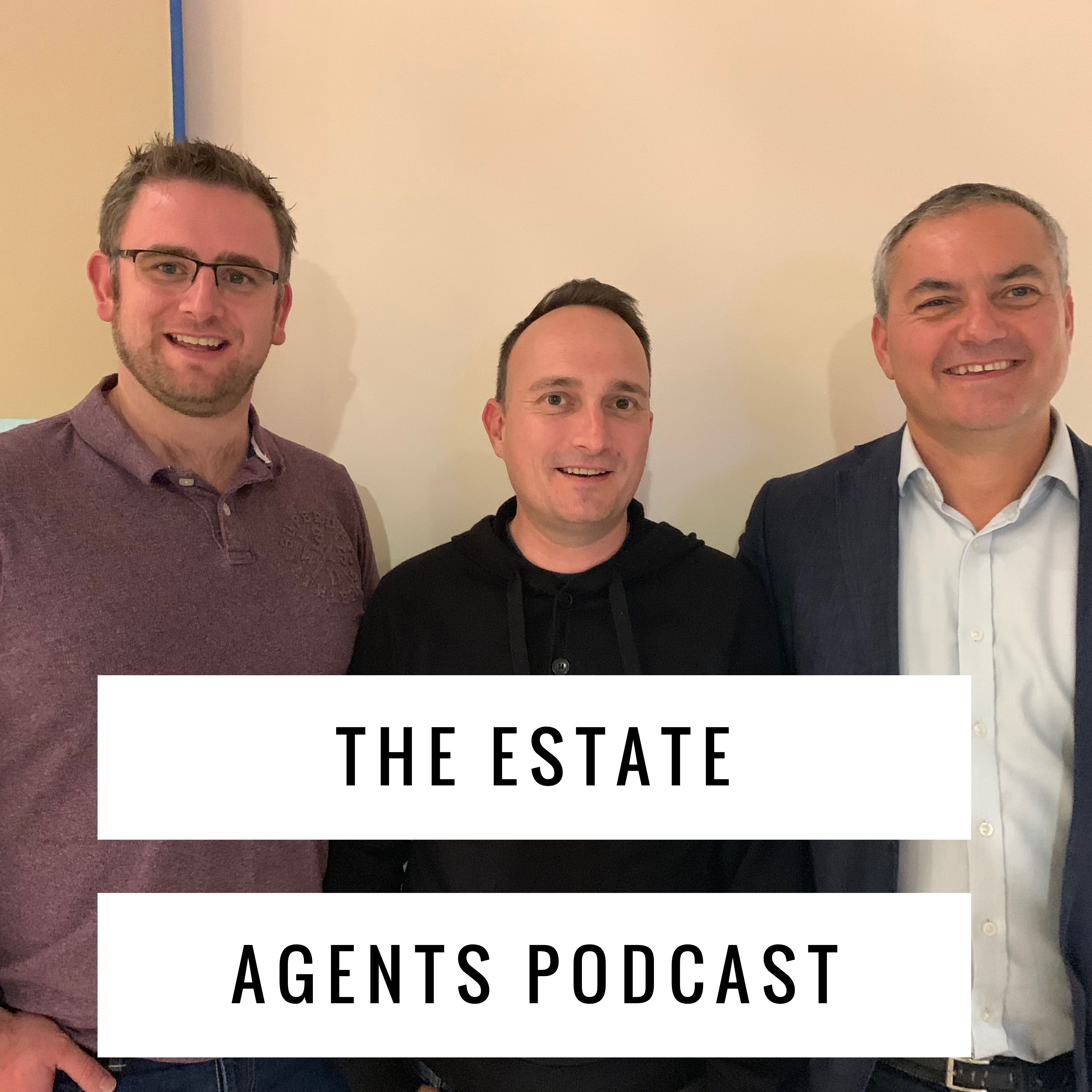
The Estate Agents Podcast
Stephen Brown, Luke St Clair & Andrew Overman