Unprofessionalism
Professional performance is exhausting. Maintaining the mask. Editing ourselves. Pretending we know when we don't.
This podcast is about people who dropped the performance. And what happened next.
Each episode features someone who broke professional conventions and found something better on the other side: the executive who disclosed grief in a corporate setting and found it opened new ways of relating; the coach who realised her authority came from integrity, not compliance; the designer who ignored the 'approved tools' and saved thousands of hours.
Conversations circle around three questions:
- What does it cost us to perform professionalism instead of showing up as ourselves?
- How do we create spaces where people can bring their full attention and humanity to work?
- When is the “unprofessional” move actually the most responsible one?
If you feel the tension between who you are and who you're expected to be at work, this podcast shows you what happens when people stop managing that tension and just stop performing.
Hosted by Dr Myriam Hadnes—behavioural economist and founder of workshops.work. New episode every week.
Unprofessionalism
042 - How to use gamestorming to design better workshops - with Dave Mastronardi
Use Left/Right to seek, Home/End to jump to start or end. Hold shift to jump forward or backward.
On episode 042, I speak with Dave Mastronardi, the CEO of the Gamestorming group. Dave is a business-focused strategist and facilitator who sees business challenges through the lens of game design. In our conversation, we speak about the structure and nature of games and the difference between gamestorming and gamification. In that line, we touch on topics such as experimentation to avoid repetition in the workshops that we deliver and improvisation, and, how professional facilitators turn into magicians of co-creation.
As Dave emphasizes the importance of scheduling sufficient time for the closing, he also provides all kinds of examples of how to close workshops in a creative way that doesn’t cut off the conversation flow.
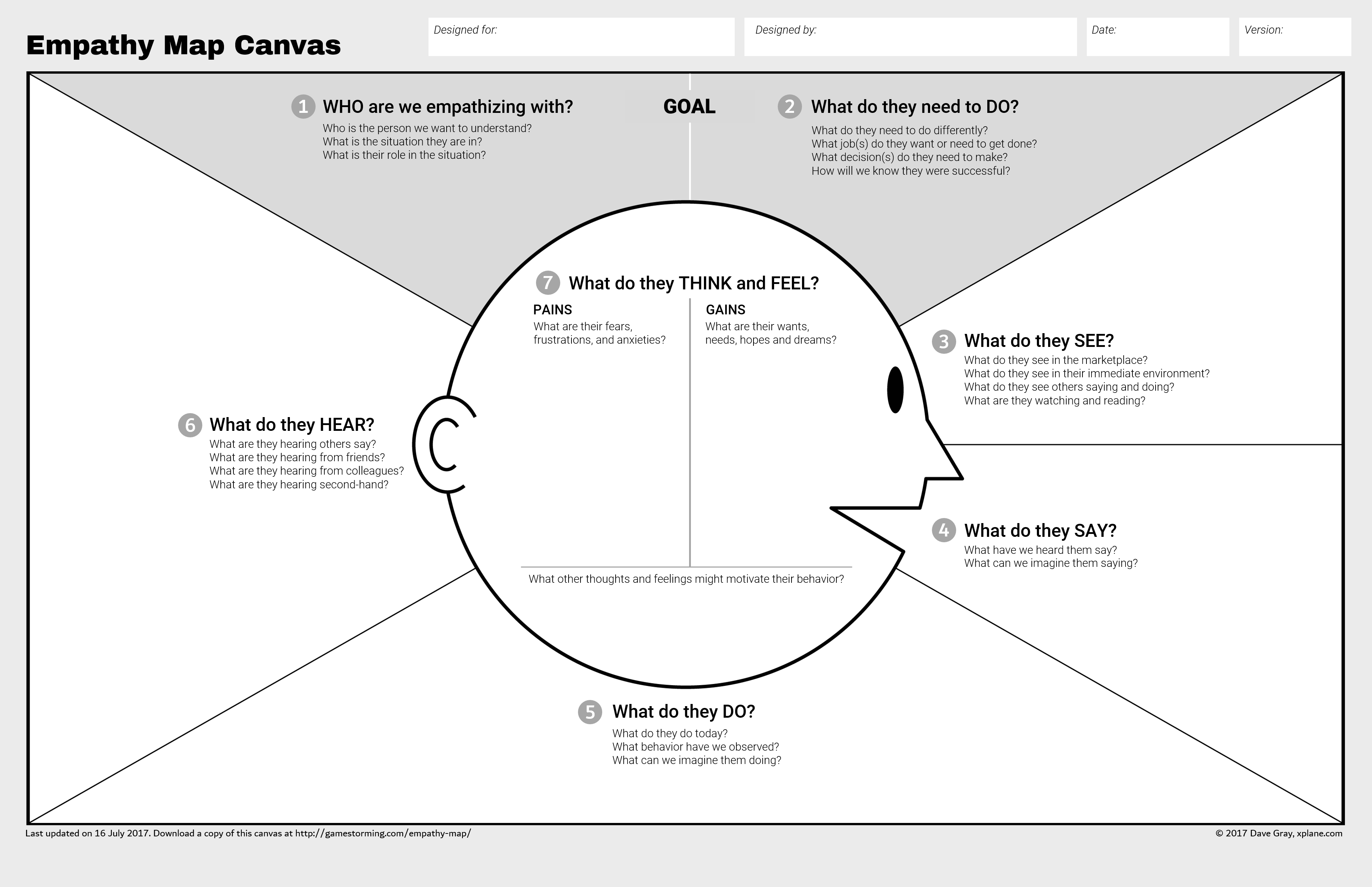
Don't miss the part when Dave and I discuss the pros and cons of using an extreme stereotype versus a real stakeholder for the design of an empathy map.
Don’t miss the next show: Subscribe to the show with your favourite podcast player.
Questions and Answers
[1:30] What’s your story? What brought you to Gamestorming?
[5:02] What is the magic behind Gamestorming?
[13:44] What does it take to flatten the room? What is it a game can do that a normal meeting cannot?
[17:27] What is the best room set up for Gamestorming?
[22:32] What are you doing to avoid being bored with your own workshops?
[32:12] What is for you the biggest mistake a facilitator can make?
[33:52] How much time would you plan for the closing?
[35:37] Would this be your closing? It sounds like a part of the “storming” phase to me.
[38:07] Would you walk us through the "empathy map" exercise that you mentioned before?
[42:54] To what extent would you use a real person or make one up?
[48:18] What shall someone take away from the show?
Links to check
- Gamestorming website: www.gamestorming.com
- Gamestorming book on Amazon
- Finite and infinite games by James Carse
- Medium post on empathy map or game storming
- Big head canvas on Gamestorming.com
- Our sponsor Session Lab - An online agenda builder and exercise library
- Rein Sevenstern (Episode 020) from Experiential Learning - This episode's featured SessionLab user
Connect to Dave
on LinkedIn
via the Gamestorming website
Any thoughts? Share them with us!
✨✨✨
If you miss the "workshops work" podcast, join us on Substack, where Myriam builds a Podcast Club with monthly gatherings around old episodes: https://myriamhadnes.substack.com/