Time & Energy
Driven by a deep fascination with how top performers prioritize their time and manage their Emotional Energy, Time & Energy is my endeavor to learn, grow, and share ways in which we all can be at our best when our best is required.
Time & Energy
S2:Ep.2: The Value of Values (Solo)
Use Left/Right to seek, Home/End to jump to start or end. Hold shift to jump forward or backward.
We talk directly to anyone early in their career who feels pulled by other people’s expectations and wants a clearer way to make big life decisions. We break down how core values reduce friction, protect your energy, and help you avoid getting “successful” at things you do not care about.
• why most common career advice misses the point
• the real question to answer before chasing opportunities
• values as the quiet drivers behind job, city, and lifestyle choices
• time management versus energy management and why alignment matters
• using values as a compass when every yes costs something
• Time and Energy Alignment Studio at timeandenergy.ai for alignment checks and decision support
• Time and Energy Daily Debrief at timeandenergy.us to close mental tabs and spot patterns
• finding core values through Susie Welch’s Values Bridge at thevaluesbridge.com
hit me up, nick at timeandenergy.co.
I'd love to here from you! Please click and share your thoughts and feedback.
Why Values Matter Early
SPEAKER_00Following up on a LinkedIn post that I sent out a couple of weeks ago, that talks a little bit about values, of course, but it also talks more to younger individuals or people that are just getting started in their careers or whatever they're choosing to endeavor in their life, and the value of values and what that can provide you as far as a stepping stone is concerned on what actually matters in your life and in your world as opposed to maybe some of the expectations that are placed upon us, consciously or subconsciously, by those, by those around us, parents, friends, whatever it might be. So I want to just take a couple couple minutes to speak into this. But before I do that, two quick things that I've posted about that have gotten a lot of traction here recently. Number one is the Time and Energy Alignment Studio. So www.timeandenergy.ai. Timeandenergy.ai. It's the alignment studio. We're in our version 3.0 right now. What's really, really cool about it and the feedback that we've been getting up to this point is it's an opportunity for individuals to utilize ChatGPT to run an alignment check, for example. How well are you aligned
The Alignment Studio Overview
SPEAKER_00with what it is that you actually value and where it is that you're actually spending your time and your emotional energy? There's a few different ways to utilize the tool. Number one is indeed the alignment check, like I just referenced. Number two is an opportunity to utilize the tool as a decision support tool. Used it with a couple former colleagues and a few friends that are processing various decisions that they have, either personally or professionally. It's just a great tool to help you process things, help you process your thoughts. And regardless of your age, regardless of what you're doing personally or professionally, it just always helps to be able to talk these types of things through, albeit, you know, utilizing a mentor or a guide or some sort of consigliary, if you will. But uh Chat GPT has been a really good source and tool for me to be able to use the Time and Energy Alignment Studio. That's www.timeandenergy.ai. Number two is the second GPT that I built, and it's called the Time and Energy Daily Debrief. What this tool does, it's time and energy.us. Time and energy.us. The daily debrief asks three very simple questions. Number one, what are you most proud of today? Number two, what are you going to do better next time? And number three, what are you most grateful for today? The reason I built this is because I had a difficult time
Daily Debrief To Close Mental Tabs
SPEAKER_00doing what I knew I should be doing, which is figuring out a way at the end of every day to close down some of the tabs that I have in my brain. I like to think about it as a computer, which might sound a little weird, but I like to think of my brain as a computer, especially when it comes to the idea of having tabs open. Because you know how it is when you have a lot of tabs open on your computer, you find yourself moving in a few different directions and trying to cover off on a few different projects all at the same time. And then you move to a different tab or a different screen. And, you know, while you do that and you start working on something else, those other tabs are open and start slowing down your computer. Well, the same thing happens in our brains. This is science. You can look it up. Not just my perspective, but it's actually true, has the added benefit of being true, as I like to say. But when we have these tabs open in our brain, it's difficult for us to be able to, number one, certainly input new information, maybe to the level of depth that we're required to process it. Anytime we have new stimuli approaching us, our body reacts a little bit differently than when we're receiving stimuli that we've received previously. So we have to be mindful of what we have available inside our brains from an energy and time perspective, and what we're able and willing to process. So the daily debrief is just a way for me to help close down some of those tabs, process very specific, easy questions that are very healthy to try to move out of our brains before we input more information the next day. The other cool part about this tool, again, timeandenergy.us, the time and energy daily brief, daily debrief, timeandenergy.us. Another really cool thing about this is it actually builds on itself, right? So it can help identify trends, it can help identify patterns in what it is that you know we're proud of, what it is that we want to do better, and what it is that we're grateful for. It also provides suggestions, you know, provides good encouragement, but it also provides suggestions on, hey, try this tomorrow, or hey, great job on this. You know, this aligns with you know some of the things that you've mentioned previously. But you know, here's a way to perhaps you know move in the direction as it relates to what it is that you want to do better next time. So just wanted to share those two tools with you timeandenergy.ai, which is the time and energy alignment studio, and then timeandenergy.us, which is the time and energy daily debrief. I would love to hear your feedback on how you use it, when you use it, why you use it, and what you're learning from it at nick at timeandenergy.co. All right, so moving on, talking about the value of values. And this is maybe for a bit of the younger audience, whether you're in college or coming out of high school, graduation is just right around the corner, happening all around the country. People are making decisions about their future, whether they're going to go to that next year of college, whether they're gonna go to a little bit more school, whether they're gonna get out into the real world and try to find a job or whatever it might be. There's some major decisions that you all are facing, and they're very important decisions.
Graduation Advice And The Missing Question
SPEAKER_00So, my my goal here really is to speak into a little bit based on my personal experience around the value of values and how I wish I would have identified my core values a little bit earlier. And hopefully this can help give you a bit of a leg up as you're making some of these key decisions. So, regardless of the situation that you might be in, maybe you're graduating college, like I said, you know, high school, whatever it is, there's a good chance you got some pretty good advice. Probably got the book for graduation, oh, the places you'll go by Dr. Seuss. You probably got uh mom and dad and grandpa or whomever visiting with you about, you know, oh, oh, you should do this, oh, you should do that. And that's all well and good. I mean, right? It's great to have individuals in your corner who are providing encouragement and suggestions and thoughts. And all of it, I certainly hope is well-intentioned, no doubt about it. But we're probably getting that same advice, right? Work hard, you know, build a network, build your skills, hustle, get after it. And look, none of that's wrong, but there's a problem with that type of advice because it skips the most important question. What are you actually working toward? Because if you don't answer that question early, something weird happens. You can end up being very successful at things you don't really care about. And I've seen it. People climb ladders only to realize halfway up they don't like the building that they're in. And so when I was younger, and when I was, you know, coming out of college and just getting my career started, I thought success was mostly about effort. You work hard, you
Success Without Direction Feels Off
SPEAKER_00outwork the room. But if you worked harder than everybody else, things will probably work out. And honestly, effort still matters a lot. Don't get me wrong. I mean, this, you know, there's as far as I can tell, there isn't a silver silver bullet that allows somebody to be successful however they define success without putting in effort. But you can push really hard in the wrong direction. And that's what we want to try to avoid. So sometimes, sometimes you get rewarded for that. You get the job, you get the promotion, you get the money, and then one day you look around and think, whoa, hey, wait, how did I end up here? And this is where values come in. So values are not the cheesy words you see printed in an office lobby, you know, the ones integrity, excellence, synergy. Nobody wakes up in the morning and says, hey, today I'm gonna pursue synergy. Well, some people might. And if you do, hit me up, Nick at timeenergy.co, love to hear your perspective. But real values, as far as I can tell, are different. Values are the things that quietly guide your decisions when no one else is around. And they're the things that help you decide: should I take this job? Should I move to this city? Should I spend my weekend building something or hanging out with the people I care about? And those decisions right now might not feel like values decisions, but they absolutely are 100%. And the reason I care so much about this is because something I've noticed while building what I call the time and energy system. Most people think their problem is time. They say things like, I just need better time management, I don't have the time, if I only had more time. And time management isn't usually the real problem. Time is actually pretty simple. We all get 24 hours. That's the deal. That's how it works. The real challenge is energy. Some
Time Is Fixed Energy Is Not
SPEAKER_00things give you energy, some things drain your energy. And one of the biggest reasons energy gets drained is when your time is spent doing things that don't align with what you actually value. You feel it. It's that weird sense of friction. You're working hard, but something just feels off. So when your values are clear, something powerful happens. Decisions get easier. Not not easy, but easier. So I will submit to you for your consideration. Instead of asking, what's the smartest move? You start asking, what's the move that aligns with who I want to be? Because that question changes everything. Success stops being about chasing every opportunity and starts being about choosing the right opportunities to chase. I'll give you an example. When you're young, opportunities show up everywhere. New jobs, side projects, startups, cities, ideas. It's super exciting. But if you say yes to everything, you eventually realize something important is that every yes costs you something. Every time we say yes to something, we're saying no to something else. It costs time, it costs energy, and sometimes it costs time with people who actually matter. Values help you make those trade-offs. They act like a compass,
Values As A Compass For Tradeoffs
SPEAKER_00not a map. A map tells you exactly where to go. A compass tells you what direction you're facing, and that's usually enough. So one of the things I tell young leaders all the time is this you don't have to have everything figured out. Nobody does. And you never will. But you should spend some time figuring out what actually matters to you. Not what your parents want, not what LinkedIn celebrates, not what social media suggests, not what looks impressive on paper, what matters to you. Because the earlier you figure that out, the easier it becomes to build a life that actually fits. It took me about 40 years to figure that out, what my core values are. I'm embarrassed to say it, but better late than never. Thanks to Susie Welch and the Values Bridge. I was able to identify my core values. I mean it's helped me make a lot of really important decisions over the last year or two. But here's the interesting twist. When people live in alignment with their values, their energy changes. They show up differently, they work harder, but it doesn't feel like grinding. They're able to take risks, but it doesn't feel reckless. They build things that matter to them. And when that happens, well, something cool happens. Success often follows, however you define it. Not because they chased it, but because they were building something meaningful in the first place. So if you're early in your career, here's something worth thinking about. Instead of asking what job should I take or how I get ahead, try asking a slightly different question. What kind of life am I trying to build? Your values are the beginning of that answer. And once those start getting clear,
Finding Values With The Values Bridge
SPEAKER_00your time and energy start lining up behind them. That's when momentum starts to happen, and that's when life starts to feel a little less random and a lot more intentional. Thank you all for taking a few minutes with me today. If this resonates with you at all, hit me up, nick at timeandenenergy.co. Love to talk with you, love to learn from you. Love to share some more of my experiences if you find that valuable. And love to expose you to the values bridge by Susie Welch, thevaluesbridge.com. You can go to it, takes about 20, 30 minutes of a really intentional time, helps you identify your top core values of the 16 identified core values that Susie and her team have identified. And again, like I said, it's it's one of the most valuable exercises that I've ever done from a values perspective. And I really, really wish as I was entering my career that I had those values identified so I could I could bump up some major decisions against those in an effort to align my energy with what it is that I truly value. Thank you so much. Have a great day, and I look forward to talking with you guys real soon. Bye bye.
Podcasts we love
Check out these other fine podcasts recommended by us, not an algorithm.

Huberman Lab
Scicomm Media

Sales Gravy: Jeb Blount
Jeb Blount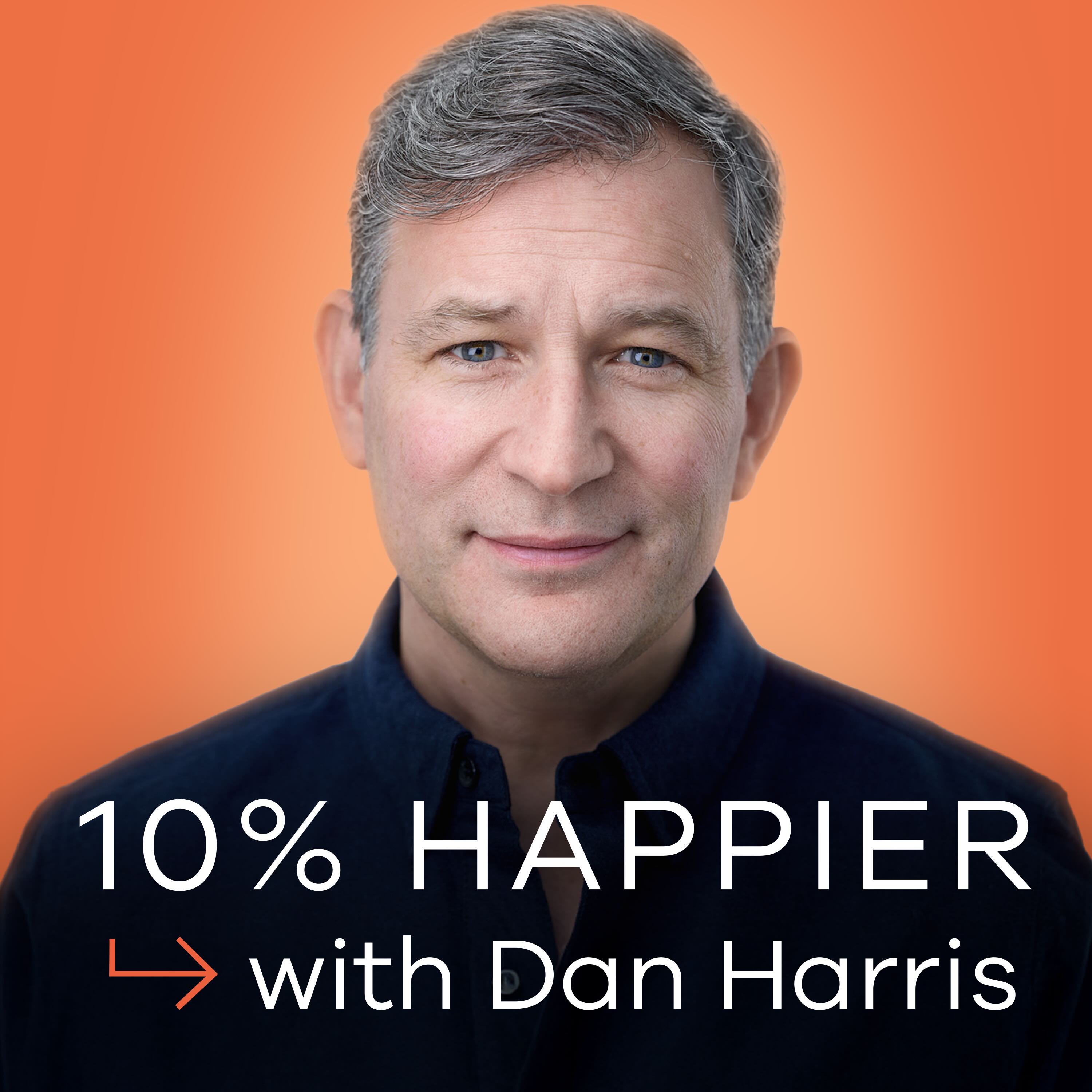
10% Happier with Dan Harris
10% Happier
Founders
David Senra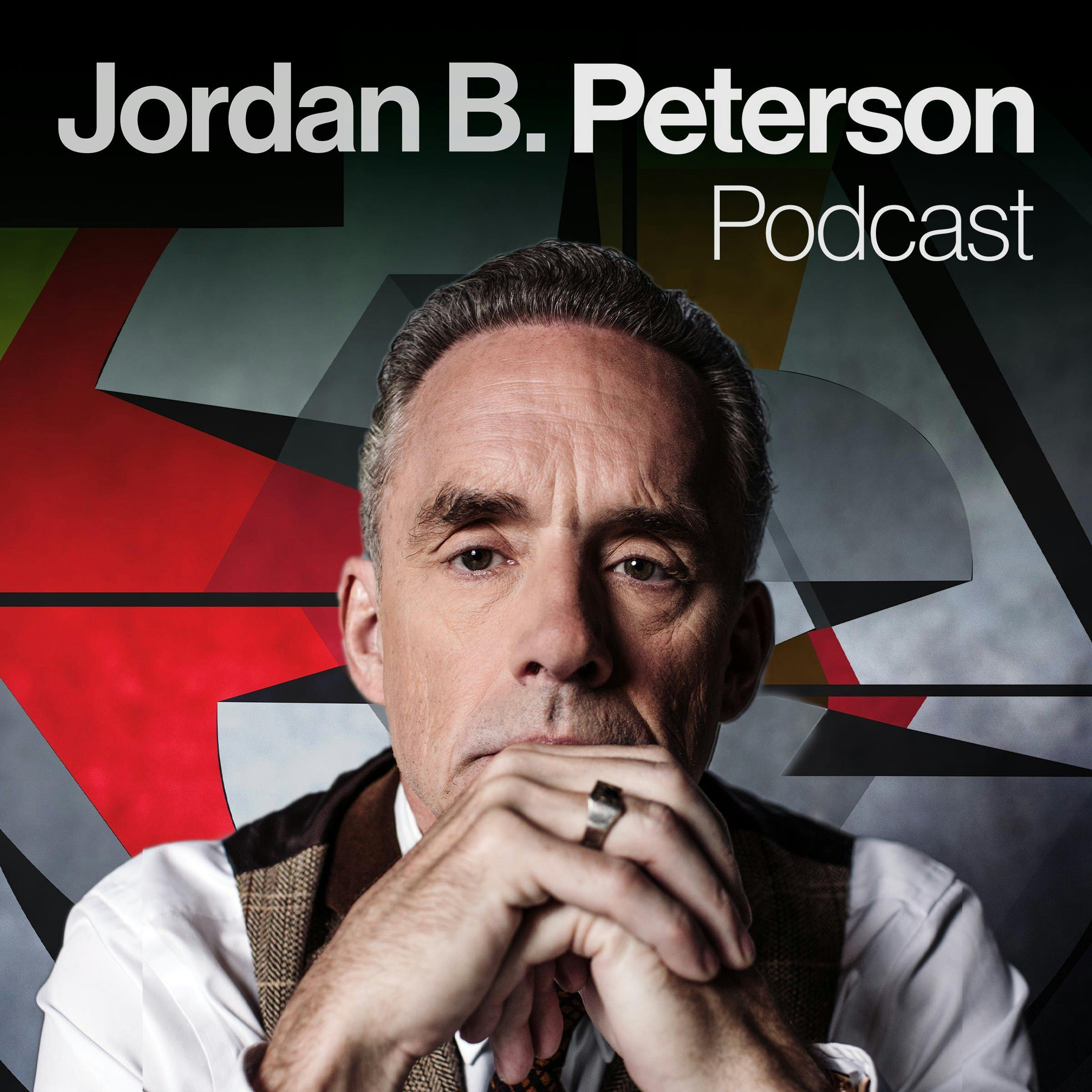
The Jordan B. Peterson Podcast
Dr. Jordan B. Peterson
The Pomp Podcast
Anthony Pompliano
Lex Fridman Podcast
Lex Fridman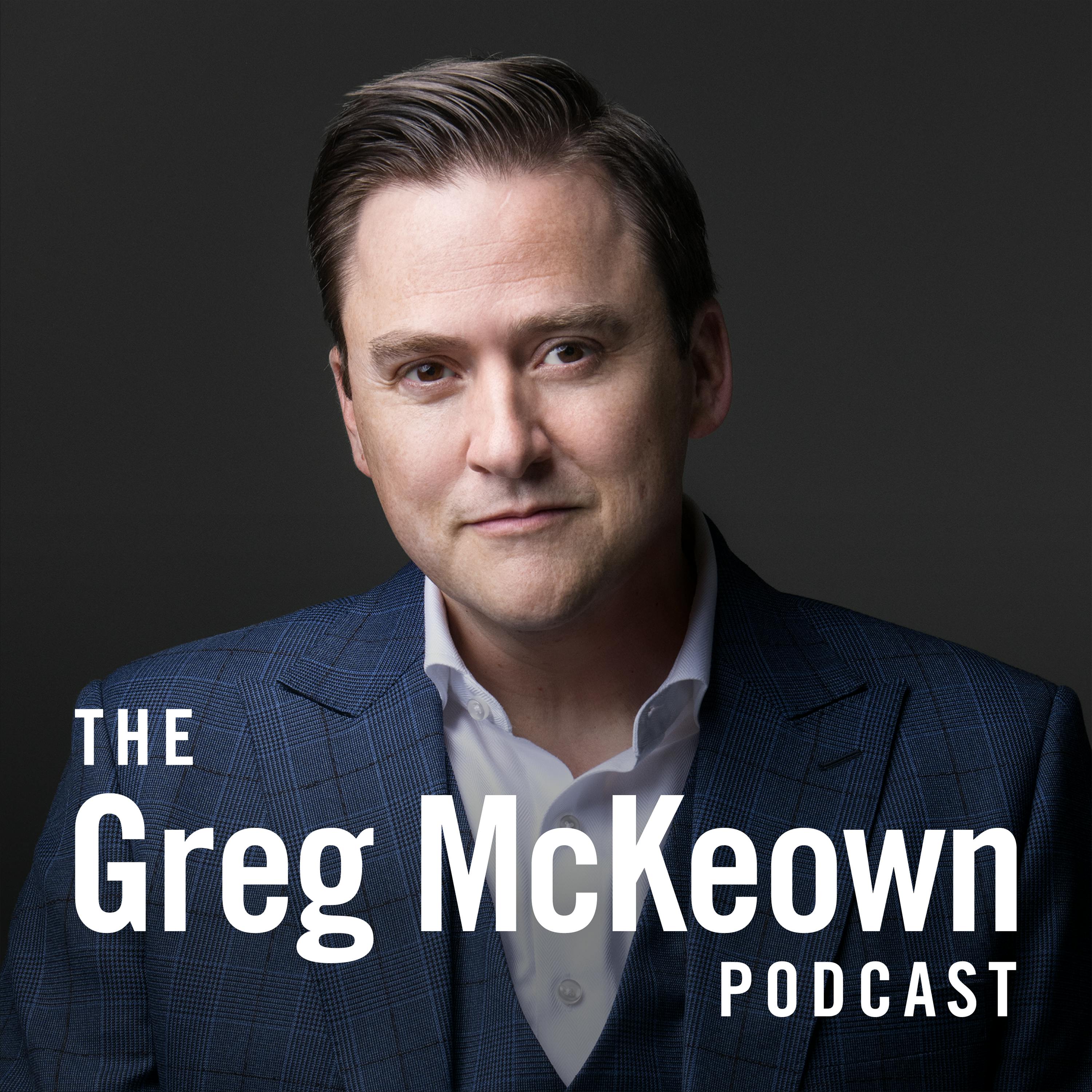
The Greg McKeown Podcast
Greg McKeown
The Daily Stoic
Daily Stoic | Backyard Ventures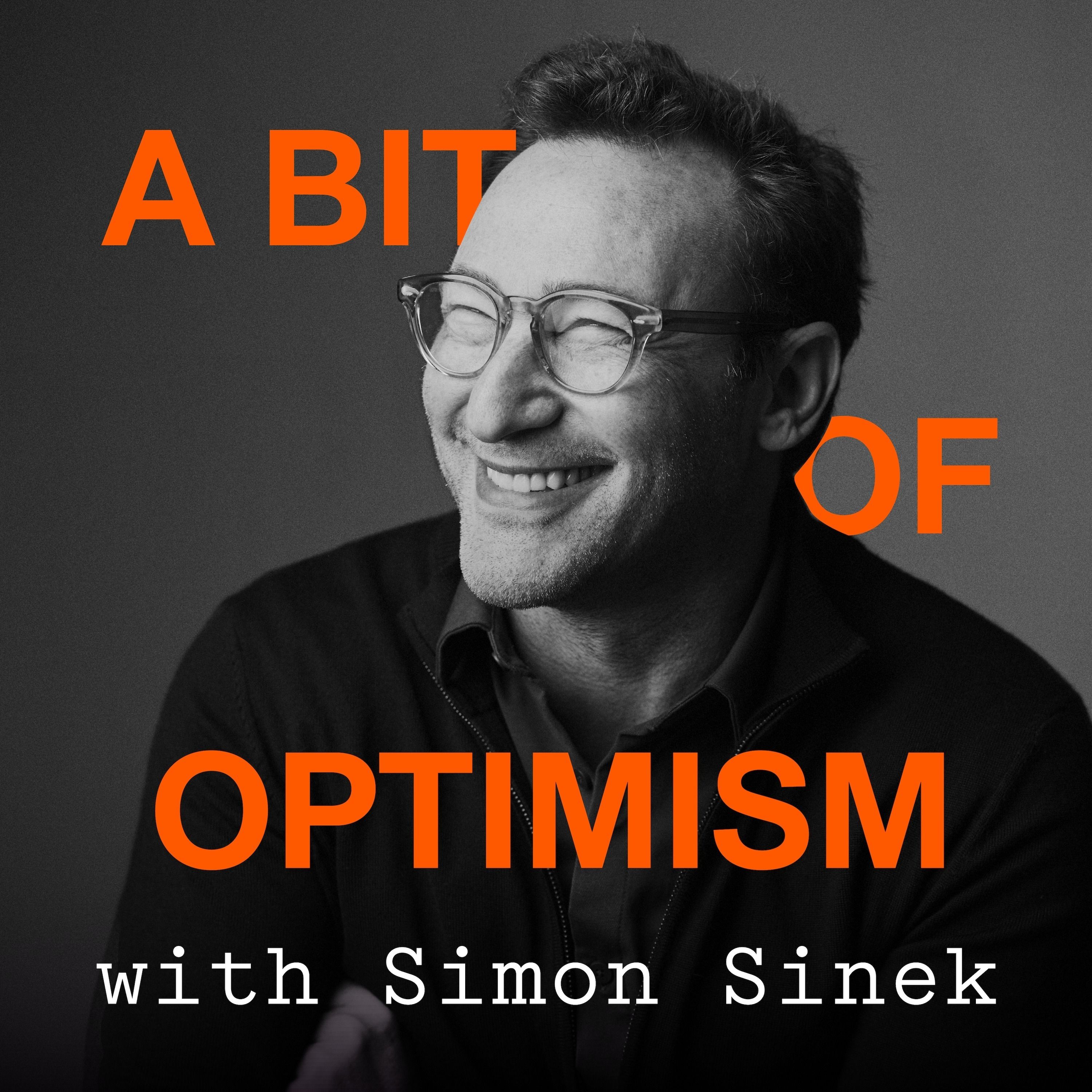
A Bit of Optimism
Simon Sinek

Modern Wisdom
Chris Williamson
The Joe Rogan Experience
Joe Rogan
Coin Stories with Natalie Brunell
Natalie Brunell
The Morgan Housel Podcast
Morgan Housel
Becoming You with Suzy Welch
NYU Stern Professor Suzy Welch
The Working Genius Podcast with Patrick Lencioni
Patrick Lencioni