
How to Book Podcast Guests That Will Grow Your Audience
Finding interesting and engaging guests is one of the hardest parts of podcasting. If you're new, it's tough to know where to start, and if you've been around a while, it can be challenging to find guests with a fresh perspective.
While it isn't easy, booking well-known guests is one of the best ways to improve and grow your podcast. In this article, you'll learn ten proven strategies to help you find, contact, and book, influential guests for your show.
Ways to find podcast guests:
1. Invite guests with recent or upcoming publications
2. Cross-promote with other content creators
3. Meet potential guests in real life
4. Connect with guests in online communities
5. Reach out via email or social media
6. Ask your guests for referrals
7. Allow guests to request to be on your show
8. Use a matchmaking service
9. Ask your audience for guest ideas
10. Connect with offline experts
How booking guests can improve your show
As a host, booking podcast guests is one of the best ways to bring fresh, valuable content to your listeners. Interviewing guests adds dimension and variety to your episodes by offering your audience different perspectives, new resources, and expert commentary or advice.
The right influencers can make a good impression on your listeners, giving your show legitimacy and building a strong reputation within its genre. Plus, interviewing podcasters with a similar audience means your guest's listeners will likely hear about the interview, tune into the episode, and subscribe.
Let's review the most effective ways to find potential podcast guests so you can start making valuable connections!
Top 10 methods for finding podcast guests
1. Invite guests with recent or upcoming publications
When an author releases a new book, or a band puts out a new album, their publicists will try to land them interviews to get their latest project as much publicity as possible. These are typically with newspapers, tv shows, or radio stations, but more are looking to podcasts to spread the word.
You can see how podcasts like Freakonomics and Song Exploder use this strategy by skimming through their archives. Nearly all of their guests recently launched a new project, and this provides a great talking point.
If you don't have publicists pitching your guests, you can reach out to people who just published a new book or album and ask them to be on your show. Chances are they are interested in the publicity and have already set aside time to promote their new book or album.
One of the best places to start is Amazon.
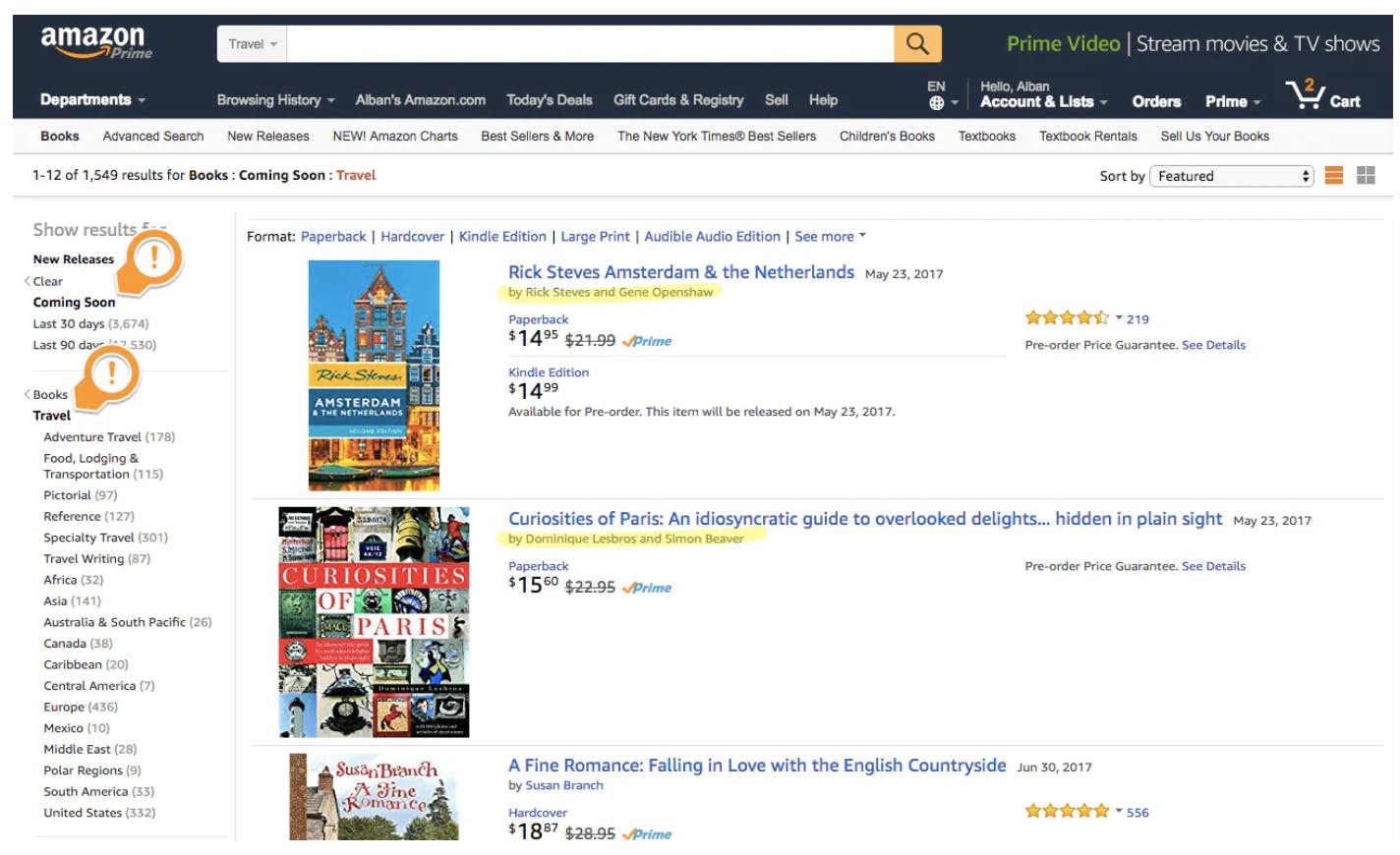
On Amazon, you can head to Books and filter by Coming Soon and your podcast's category. In this example, I'm filtering by travel in an attempt to spot some authors who might come on my fictional travel podcast. Once you've found a handful of authors you'd be interested in interviewing, you can start emailing them to see if they'd be interested in your podcast.
The best part about this tactic is that there is a clear benefit to the person you're interviewing—they get in front of your audience to talk about they just released. While you, and your podcast listeners, get access to an expert in your field who is excited to be interviewed.
2. Cross-promote with other content creators
If there are already a handful of podcasts in your niche, there are probably many other people creating similar types of content on other platforms. You can create valuable partnerships with the host of YouTube channels or popular blogs.
Let's say you partner with a popular blogger who writes about European travel—the same topic as your podcast. By inviting her on your podcast, you'll gain access to their blog readers who would probably love your show.
The best way to find popular blogs in your space is with a standard Google search. Start as specific as possible, and then broaden as necessary. From there, you can read some of their posts and invite them onto your podcast.
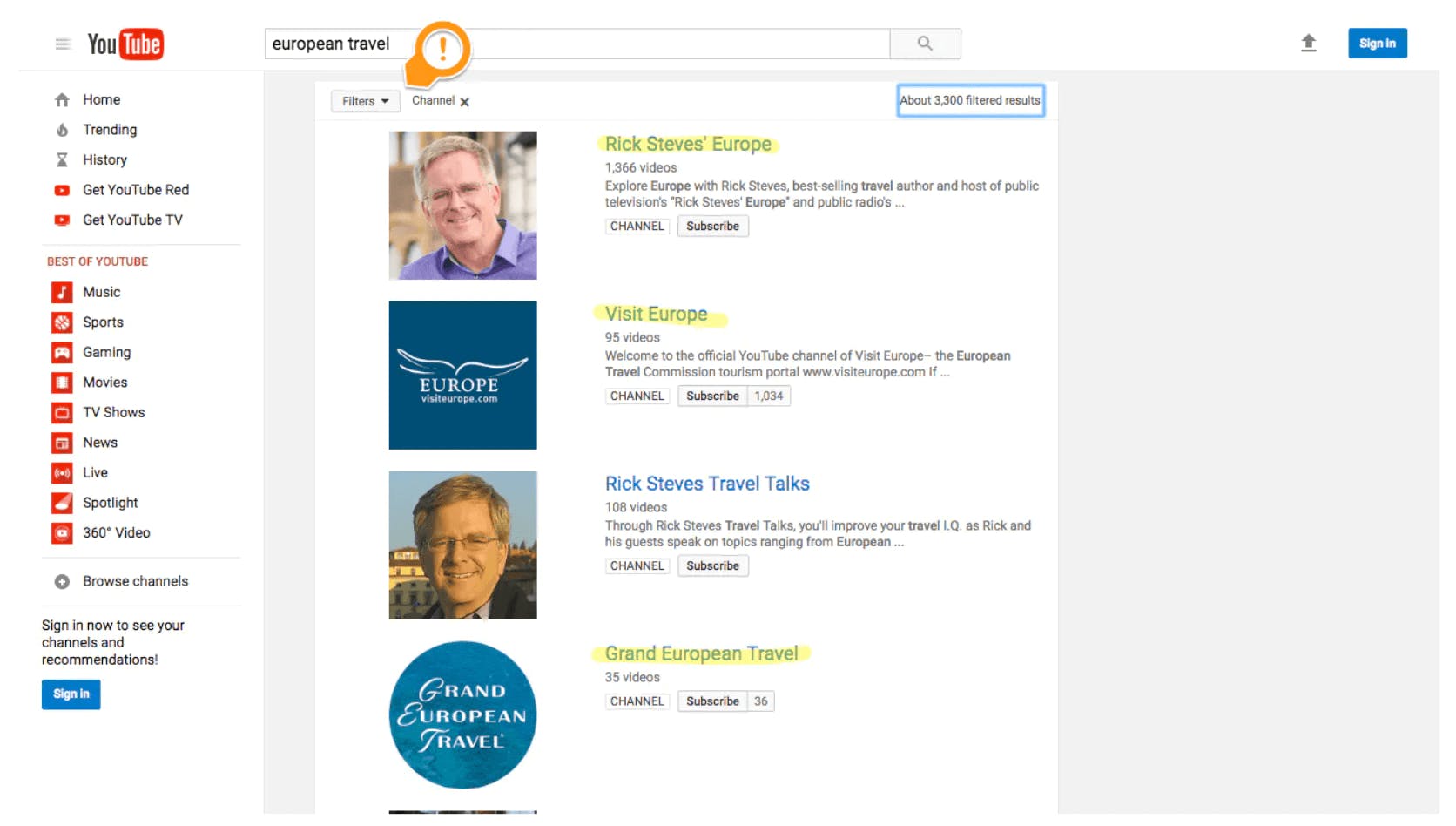
Once you've found a few blogs, you should head over to the second largest search engine, YouTube. Search for your specific niche, then filter by Channel and relevance. Using my European Travel podcast idea, there are a handful of promising prospects right at the top.
Bonus Tip: This strategy works for other podcast hosts as well. Be guests on each others' podcasts to introduce yourself to a group of people you know would be interested in your content.
3. Meet potential guests in real life
Two of the themes throughout this list are to (1) provide real value to your guests, and (2) make a genuine connection with them. The best way to do this is to meet people in person—you can connect with them and better understand how you can provide real value to them before making your pitch.
Once you connect with lots of influencers in your space, it will be easy for you to find ways to work together. But if you have a new podcast or haven't connected with many people yet, there are at least two ways you can start connecting with potential guests in real life: conferences and meetups.
Conferences
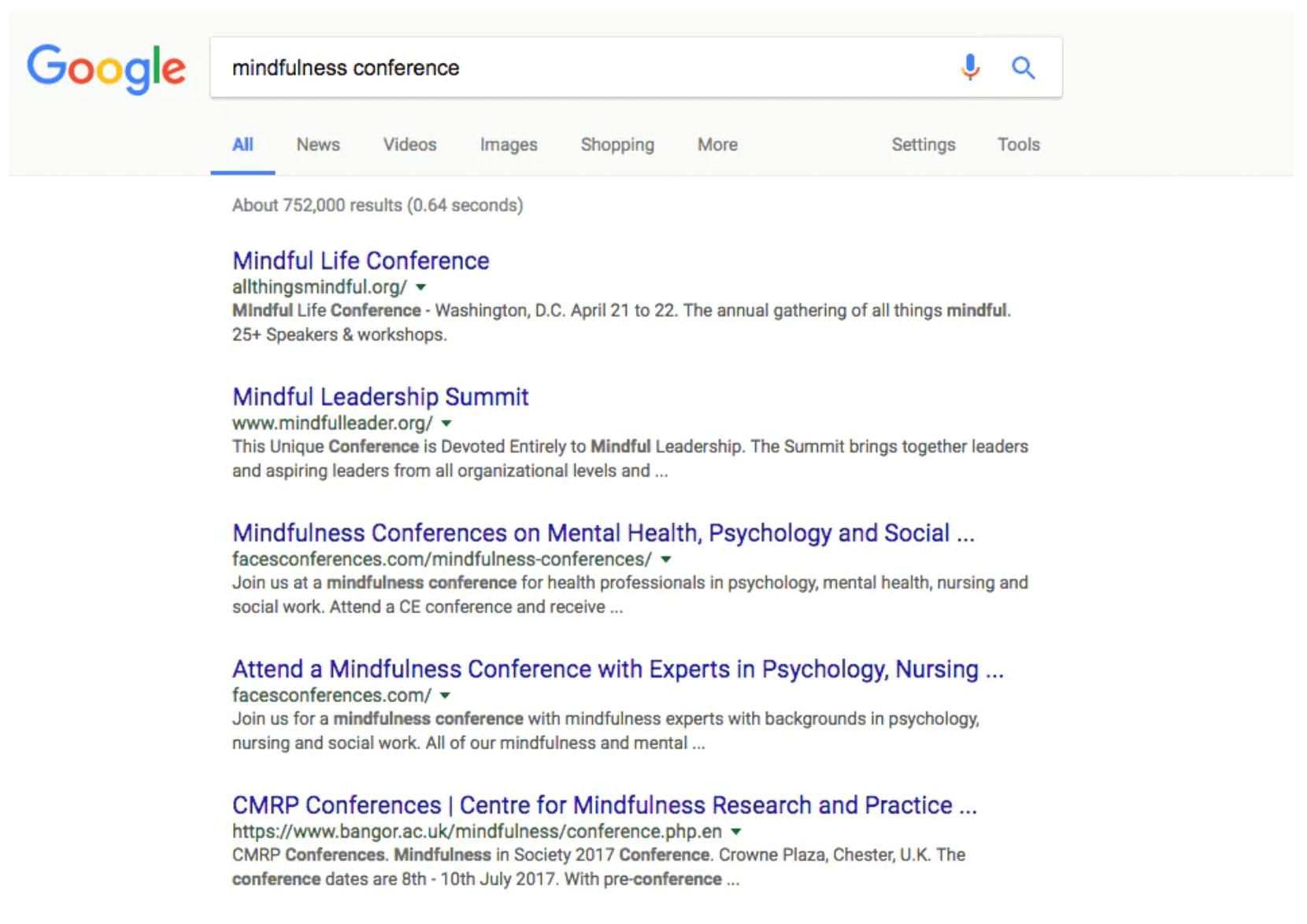
Conferences provide a lot of value because they bring people together who share many of the same goals and interests. You'll have the chance to meet tons of other content creators and leaders in your space. Start by searching Google for "[your podcast topic] conference."
There are many new podcasts on meditation and mindfulness, so in this example, I'm searching for conferences to attend if I had a mindfulness podcast — it looks like a ton of great leads.
Bonus Tip: Ask a conference organizer to be a guest on your podcast. They often are looking for additional publicity for their conference and have contact information right on their conference websites. Plus, most of the largest conferences have a large social media presence that can help share your episode when it airs.
Meetups
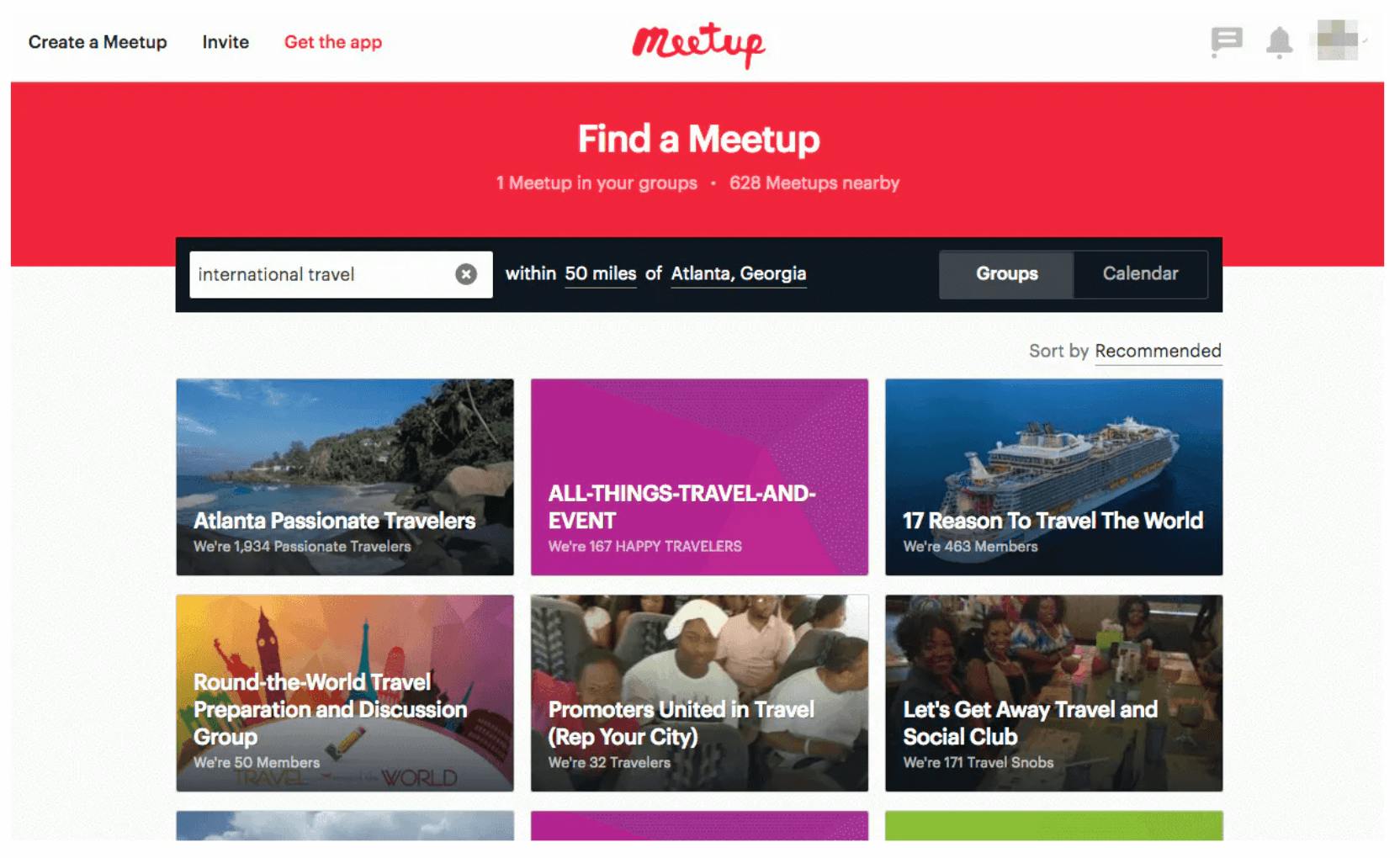
If you don't have the time or money to travel for a conference, consider searching for local Meetups in your area. The best place to start is at Meetup.com, where you can find something related to your podcast.
Be sure to take business cards with your podcast name on them to share at the Meetup. Just be sure to talk to people before you give them your business card. Nobody likes getting a card before they've even shaken your hand. If you meet somebody that would be a great interview, invite them onto your podcast.
4. Connect with guests in online communities
Another way to find great guests is in online communities. These are both excellent sources for potential guests and new listeners. Two places to start are Facebook groups and Reddit.
Facebook Groups
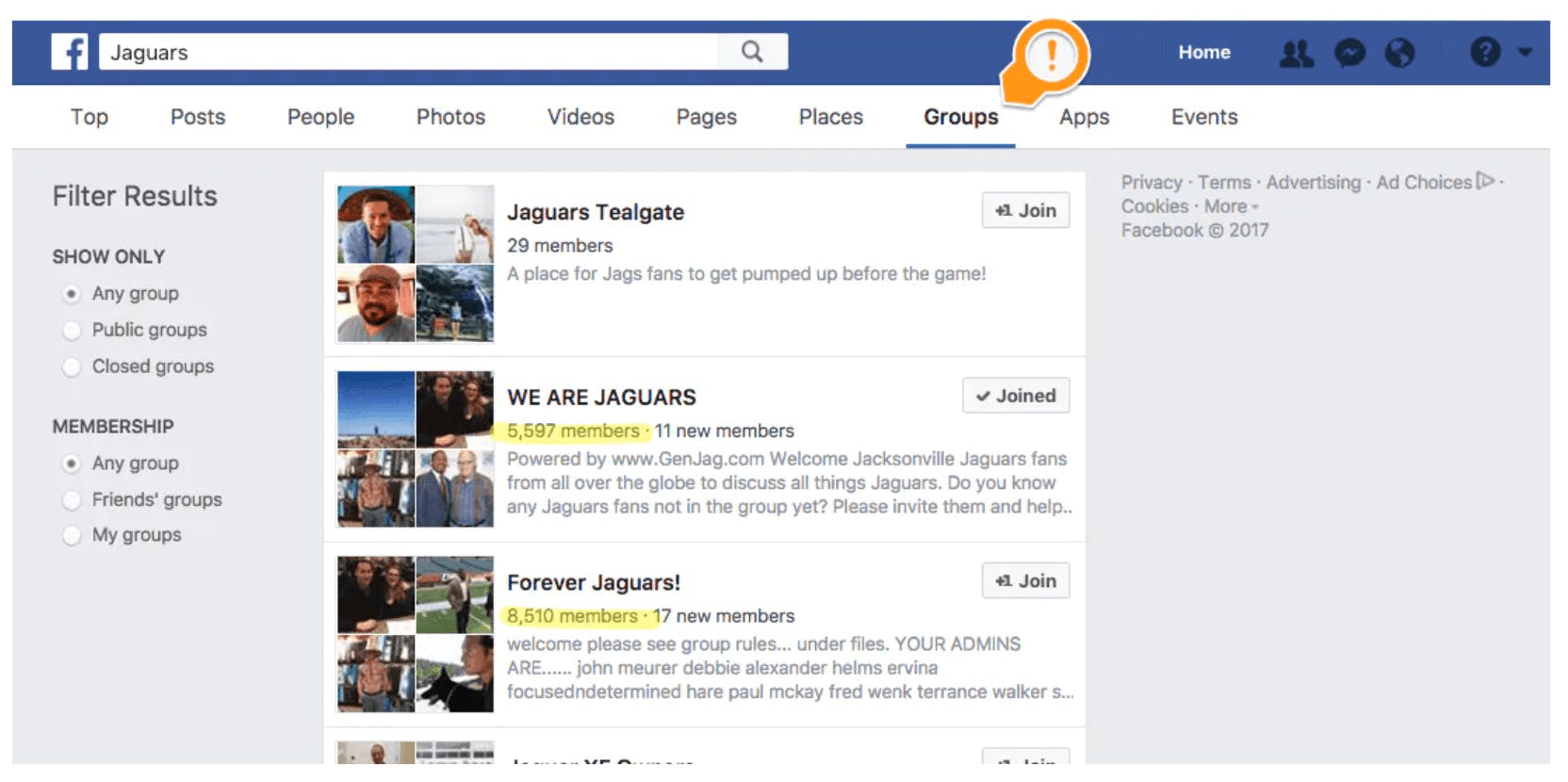
You can find great Facebook groups by heading to Facebook search > Groups. In this example, I'm trying to find a good Facebook Group for a Jacksonville Jaguars podcast. There are quite a few active groups that each have thousands of members. These groups can be great places to meet potential guests — just be aware of the rules of each group you join so you don't get kicked out for promoting your show.
Subreddits
Reddit is an excellent resource for finding guests for your show. You can find groups dedicated to every sports team, hobby, and even a great community of podcasters.
Reddit doesn't have the best search capability, so start by searching in Google for "[your topic] Reddit sub." You should find at least a few great communities discussing your topic.
Start by signing up for a free account and joining the conversation before you start promoting your podcast. Reddit communities are notoriously skeptical of people just using the message boards to push their products or services.
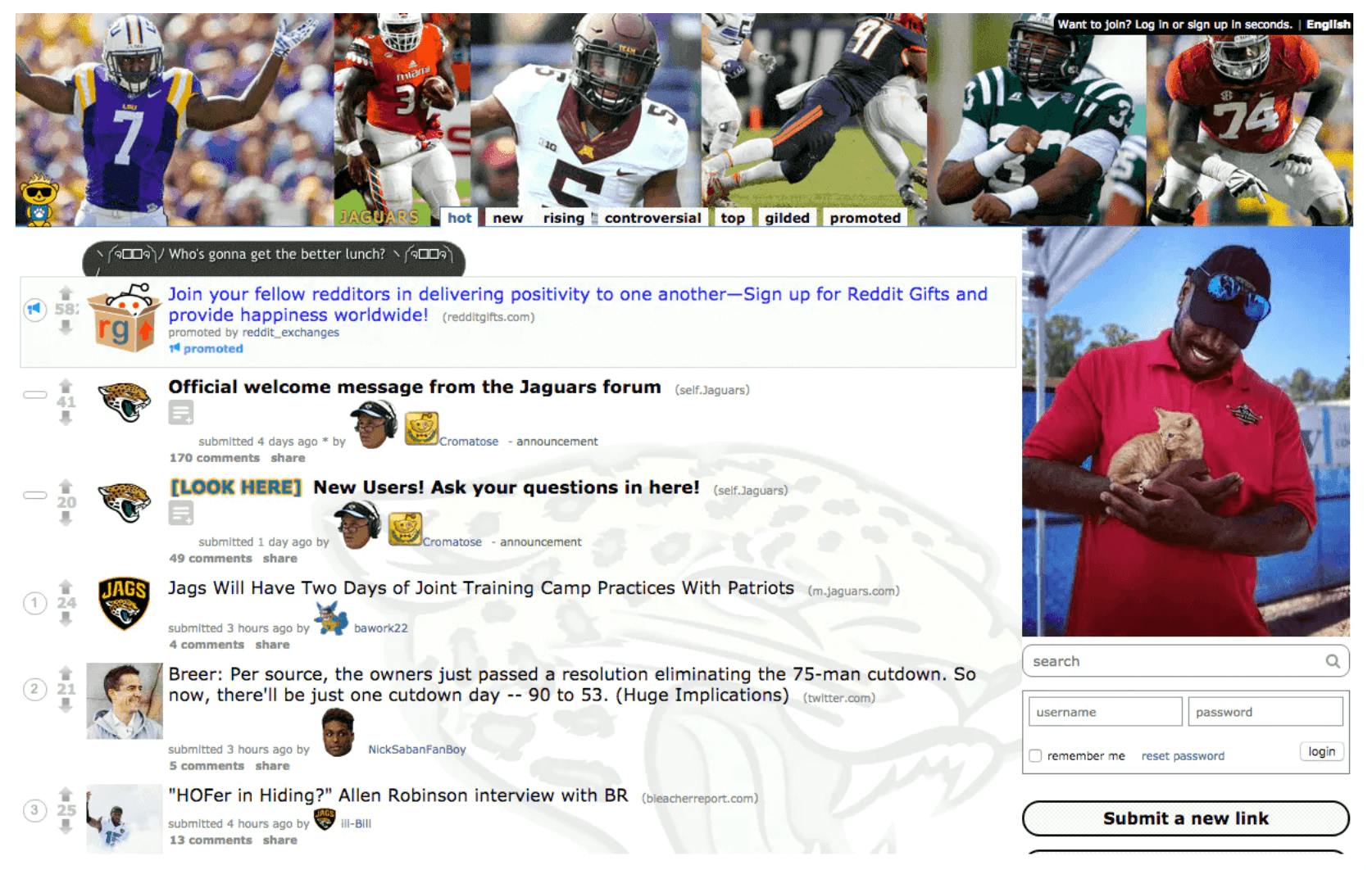
Once you've been on the board for a while, you can ask if any frequent posters would like to join your podcast. They can talk about something they are interested in while you get a knowledgeable guest.
After you publish your episode, post a link on the subreddit you joined and thank the guest on your show.
Social Media
If you can't find an email address for your potential guest, you can always ask them via a social media platform. It's best to follow an influencer or expert for a while, read the posts they share, and comment on something they wrote or created. If they recently published a blog post, let them know what you thought about it. Once you establish rapport, you can ask if they'd be willing to do a short interview on your podcast.
It's hard to come across as genuine on social media, so this is often a last-ditch effort to connect if you absolutely cannot connect in person or via email.
5. Ask your guests for referrals.
Tim Ferriss, the host of one of the top podcasts, the Tim Ferriss Show, often tells how he networks at events like South by Southwest. When he meets somebody interesting, he'll often finish the conversation by asking, "Is there anyone here that you think I should talk to?" Then he'll continue connecting with people and repeating that question.
Asking guests for referrals is an excellent method to expand your connections. After you've thanked your guest for their time, wrap up by asking for referrals: "Thank you so much for taking the time to be on the show; I really appreciate it. Now that you have a good feel for the things our audience is interested in, do you know anybody you think I should interview?"
Do your best not to ask for a blanket "who would be a good guest," which might elicit good ideas, but not a connection. By asking for somebody they know, you're much more likely to get a reference to another top podcast guest.
6. Allow guests to request to be on your show.
How frustrating would it be to find out that a great guest was looking to be on a podcast, but couldn't find any way to reach you? It's not uncommon that many guests would love to be interviewed, while lots of podcasts are looking for guests. There are many matchmaking services (more on this below) that help connect you with guests, but you can do a lot of the footwork on your own, too.
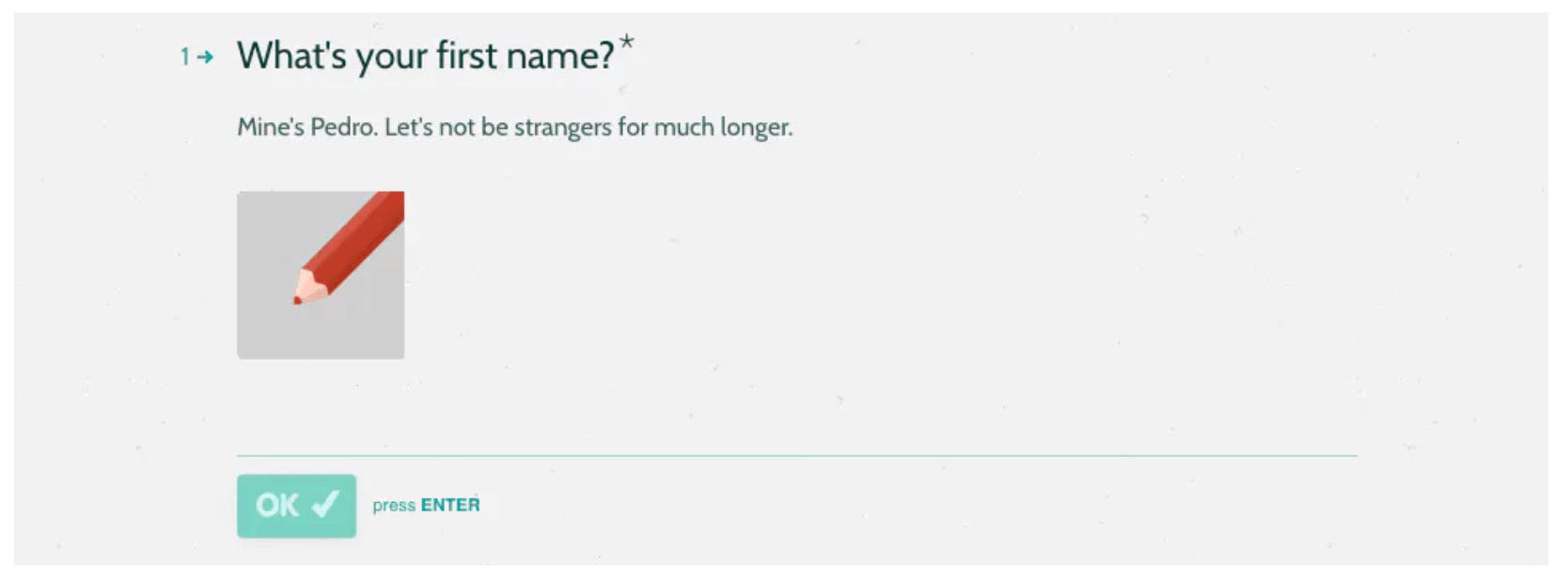
Start by building a page on your website where potential guests can request to be on your show. You don't have to give out your email address to potential spammers but can set up a straightforward questionnaire to see if somebody is a good fit. Check out the simple form creation tool, Typeform. You can quickly create an embeddable form for free that you can place on your website so that potential guests can request to be on your show.
7. Use a matchmaking service.
If you're having trouble landing some guests, or don't feel like you have the time to track down good leads, then a matchmaking service might make sense.
Don't think it will work? Just remember that thousands of people have used online matchmaking services like eHarmony to find their spouse, so you can feel comfortable using podcast guest matchmaking services.
Here are three of the best podcast matchmaking services out there — whether you want to be a guest or book a guest!
Podcast Guests (Free for hosts)
Podcast Guests is a free guest-booking resource with a directory of thousands of authors, experts, and podcasters across a wide array of categories. Just enter the topic of your podcast or episode, and you'll likely get at least several matches. Once you find a match you want to interview, fill out the contact form to invite them on your show.
PodMatch (Free with optional plan upgrade)
This data-driven podcast matching service uses A.I. to automatically connect you with the ideal guests for your show. Once you create a host profile, you'll get five matches per week and unlimited messaging. If you want to make more connections, you can upgrade to the Pro Plan ($34/month) for unlimited matches, a professional badge, and additional filtering for more tailored results.
Podchaser Connect (Free)
Podchaser is a platform that lets podcasters make creator profiles and link to all their past episode appearances — similar to IMDB. Their new Podchaser Connect feature is a free guest-placement service that uses data-driven strategy to connect podcasters with guests and experts.
The platform asks for a few data points like what you're looking for in a guest and how many downloads you get per episode, etc. Once you fill out the form, they add you to their list and reach out via email when the system finds a match.
Interview Connections (Free for hosts)
The team at Interview Connections helps with guest booking — whether you're looking to get booked on podcasts or book guests for your own show. You can schedule a call with the team to work on the strategy of making connections within your industry, so you consistently connect with high-quality matches.
Interview Valet (Free for hosts)
Interview Valet is a top-notch resource that connects hosts with certified guests in health, business, nutrition, wellness, and spirituality. The platform vets their guests to ensure they have a consistent presence on social media, professional audio equipment, free resources to offer your audience, and knowledge within their category.
You can fill out this short form to get access to their directory of certified guests!
8. Ask your audience for guest ideas.
Once you've established a podcast audience, you'll have an excellent opportunity to ask them for ideas. At the end of your episodes, start asking your audience if they have any ideas of people that they would like you to feature.
You can use the same Typeform you set up for guests to collect their recommendations. The real benefit of this strategy is that your listeners know who they are interested in hearing about, so the episode is sure to be a hit.
9. Connect with offline experts
The more an expert has an online presence, the more likely they are already inundated with requests to be on blogs, videos, and podcasts. But there are tons of great subject matter experts that aren't necessarily online like professors and traditional journalists.
Professors are commonly invited onto radio and tv shows to discuss issues within their area of expertise. They are often delighted to share their knowledge and opinions and are great candidates for podcast guests, especially podcasts focusing on current events.
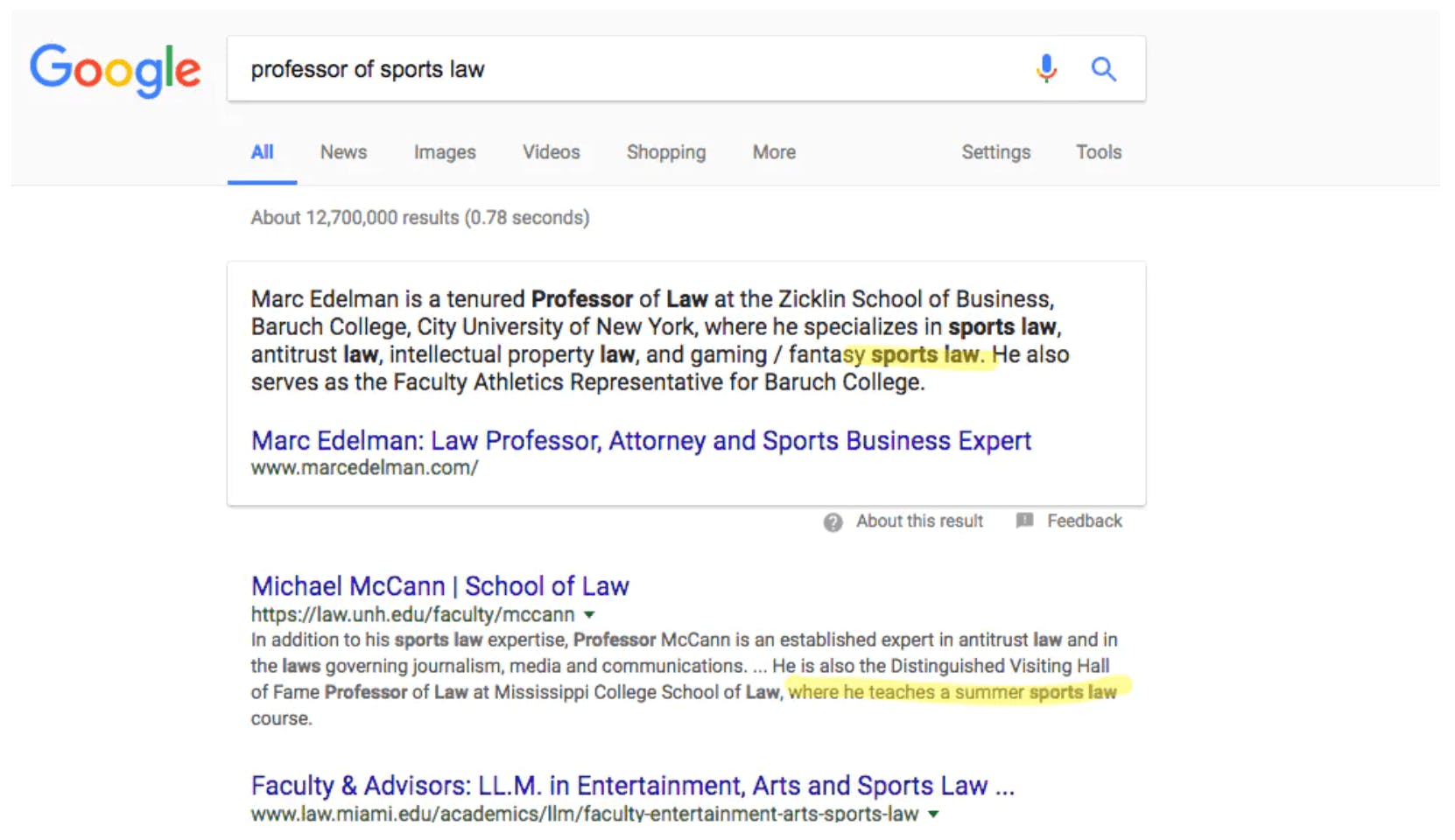
Start your search on Google for "Professor of [your topic]" to find the names of some good leads. In this example, let's imagine we have a sports podcast, and we want to do an episode about the implications of an NFL player's recent legal issues. By searching Professor of Sports Law, we instantly find a handful of great candidates who would make a great guest for our podcast.
10. Reach out via email or social media
Once you've built a list of potential guests you found via conferences, message boards, and Amazon, it's time to start contacting them. The best thing to do is to create a spreadsheet with their name, email address, social media profiles (Facebook, Twitter, Instagram, LinkedIn, etc.) and where you found them.
If you don't already know their email, use this great post from Moz on how to find anybody's email address. Once you've built your email list into a spreadsheet, you can start drafting emails inviting guests on your podcast.
Tips for crafting an effective outreach email
How to best ask for a podcast interview via email is a huge topic deserving of its own post. Podcast Motor has some tips on how to ask a guest for an interview, and this Medium post outlines how to get a busy person to respond to your email. Here are a few tips to keep in mind when you decide to reach out to a potential guest.
Write a compelling subject line
Set the stage for a mutually beneficial relationship right off the bat with a subject line that's specific and considerate. Instead of only asking for a favor from your potential guest, communicate that you'd value the opportunity to work together on a common goal. Shorter is better; try to keep your subject line within nine words and 60 characters.
Personalize the message
It's tempting to to copy and paste an email when you pitch to several people at once, but taking the time to write custom emails goes a long way toward getting a response.
Ex: "Hey, ______! My name is ________ from the [insert name of your podcast.] I saw your interview on _______ and would love to feature you on my own podcast. I think your experience and expertise in _______ would offer a lot of value to my listeners and help them _________."
Make a specific request & keep it short!
To make it easy for your potential guest, give them a straightforward call-to-action. Instead of asking several questions, zero in on the one thing you want — for them to say yes and book a date to be on your podcast.
Ex: "If you're interested, you can look at my calendar to book a day that works for your schedule!"
Help the guest out: what's in it for them?
Most podcasters book interviews to get more exposure, so anything you can offer them in this area improves the chance of their saying yes.
It can be helpful to list a few numbers in your email, like the size of your audience and email list, how many followers you have on social media, etc. And if you've interviewed impressive guests in the past, make sure to mention them by name and share your accomplishments.
Ex: "I have a loyal and active following of 300 listeners, and promote each episode across all social media platforms (500+ followers) and with my email list of 250 readers to give you the most exposure possible."
Follow up & don't be afraid of rejection
If you don't get a response within a few days, you can send one brief follow up email, but we suggest you stop there! No one likes to be hounded, and sending more than one follow up email can come across as nagging. Once you send your follow up, don't take it personally if they don't respond or flat out say they aren't interested.
You will get rejected — especially at first. But taking the time to craft a well thought-out email goes a long way toward making a positive impression and landing an interview that could give your podcast a significant boost. Until then, stay confident, keep making great content, and don't let the possibility of rejection keep you from reaching out!
Further Reading
We hope this article helps you land some great podcast guests. Here are some additional resources with more ideas and tips to perfect your pitches.

Alban Brooke
Alban is the Head of Marketing for Higher Pixels. You can send feedback or questions about this article to him on Twitter.